Scale, Skin, and Gut a Whole Fish Without Ruining the Flesh
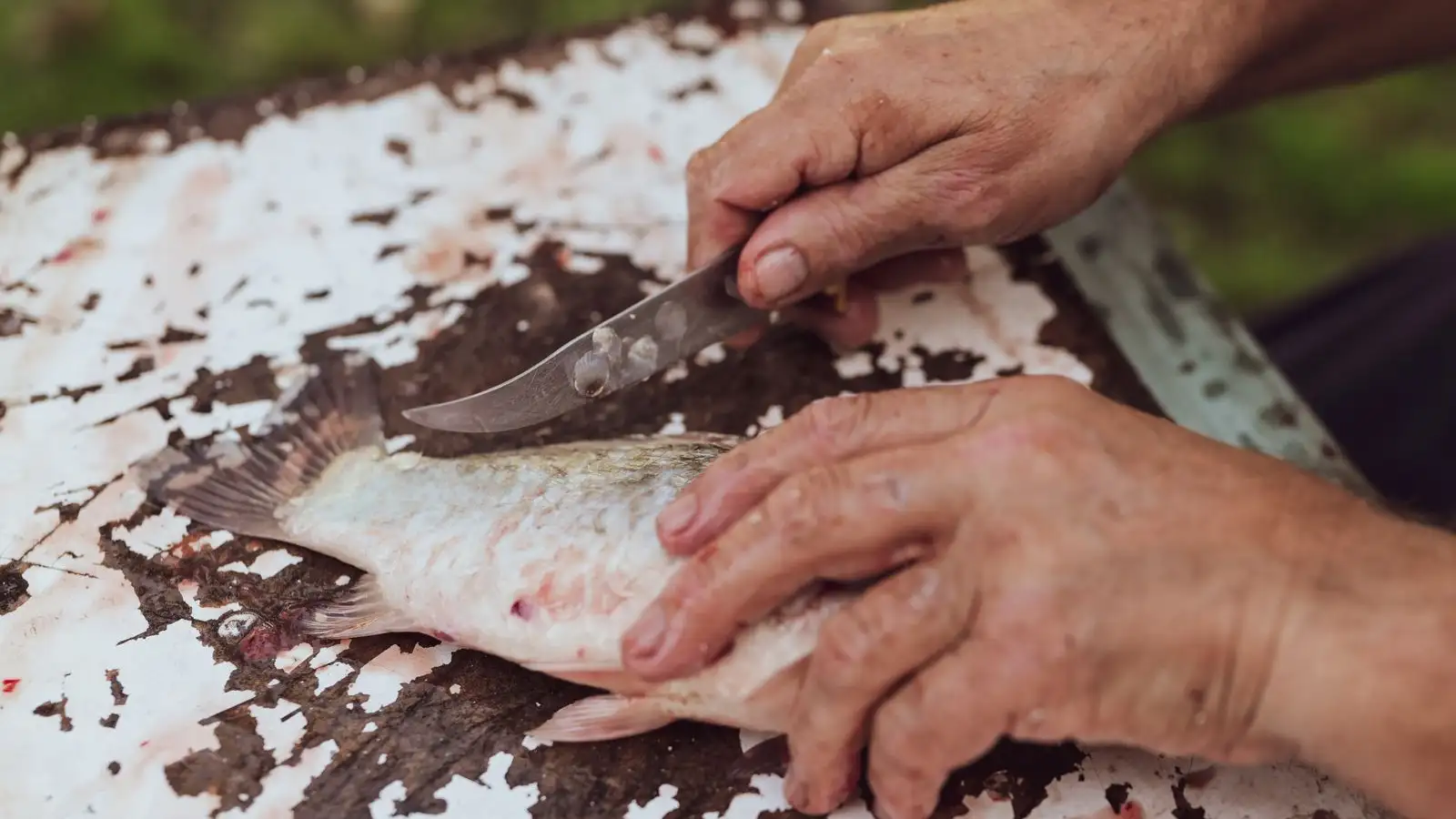
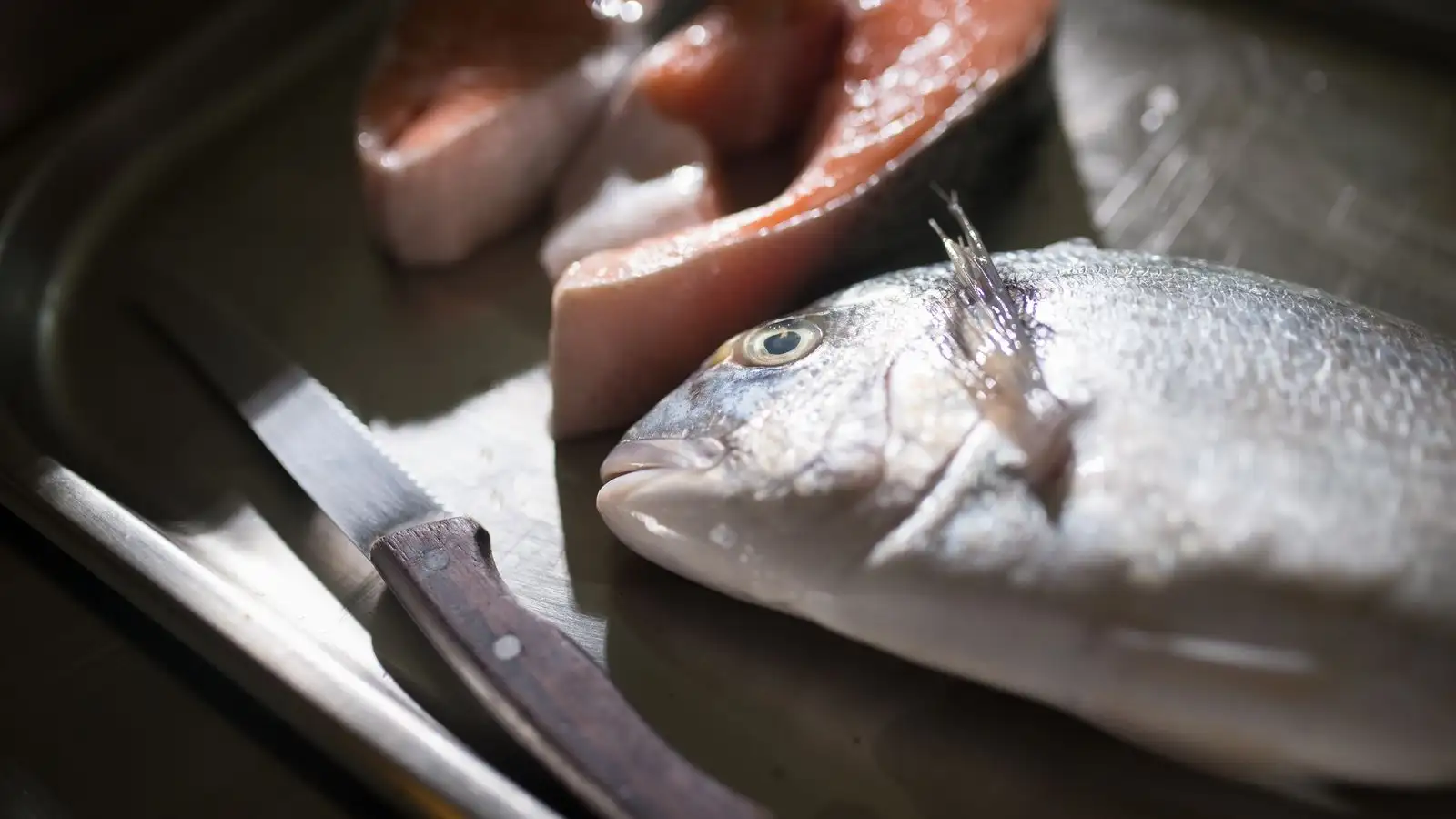
Scale round fish tail to head, skin flatfish instead of scraping, and pull catfish hide with pliers—plus gutting and rinsing so the flesh stays clean.
Scale round fish tail to head, skin flatfish instead of scraping, and pull catfish hide with pliers—plus gutting and rinsing so the flesh stays clean.
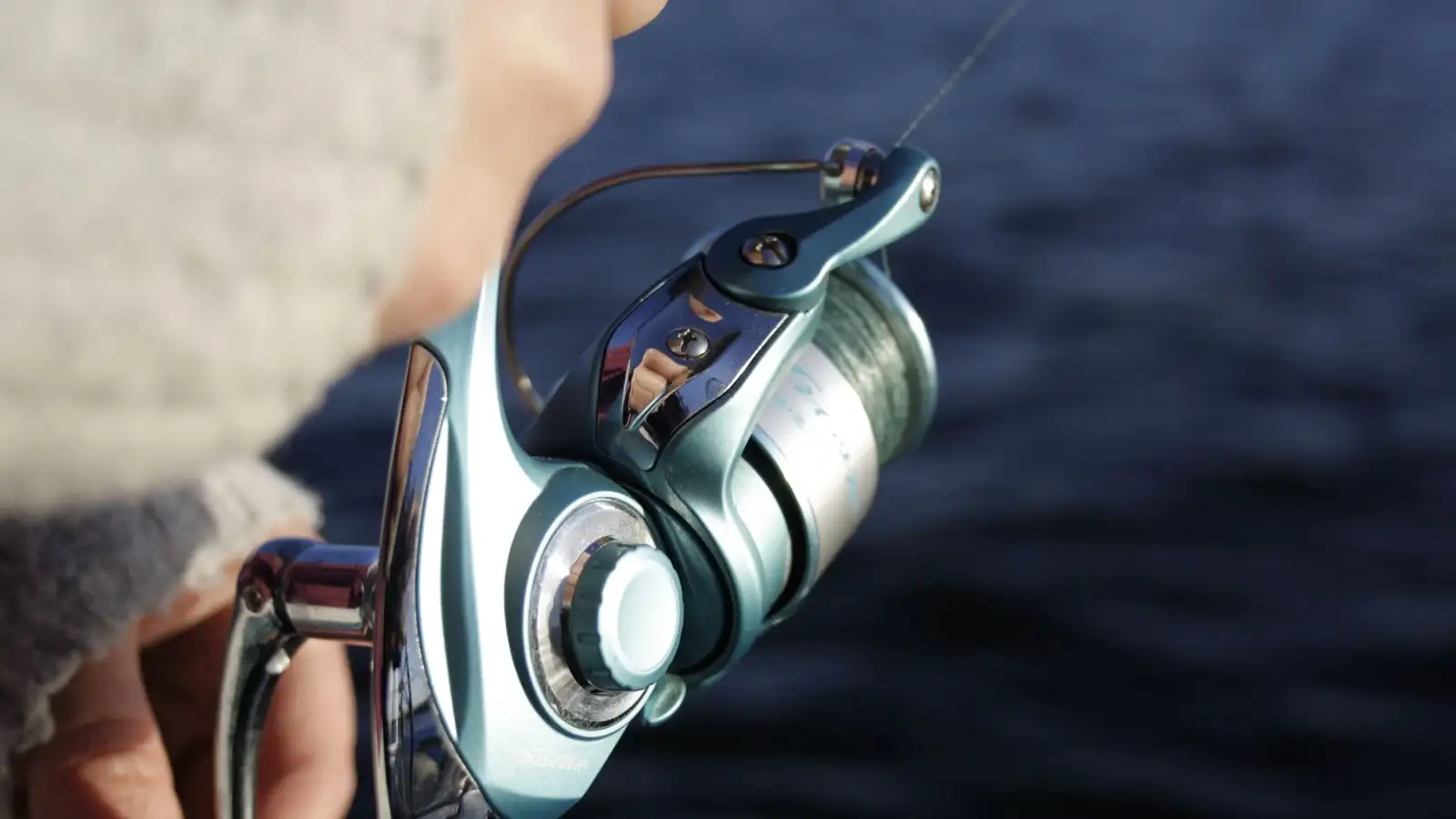
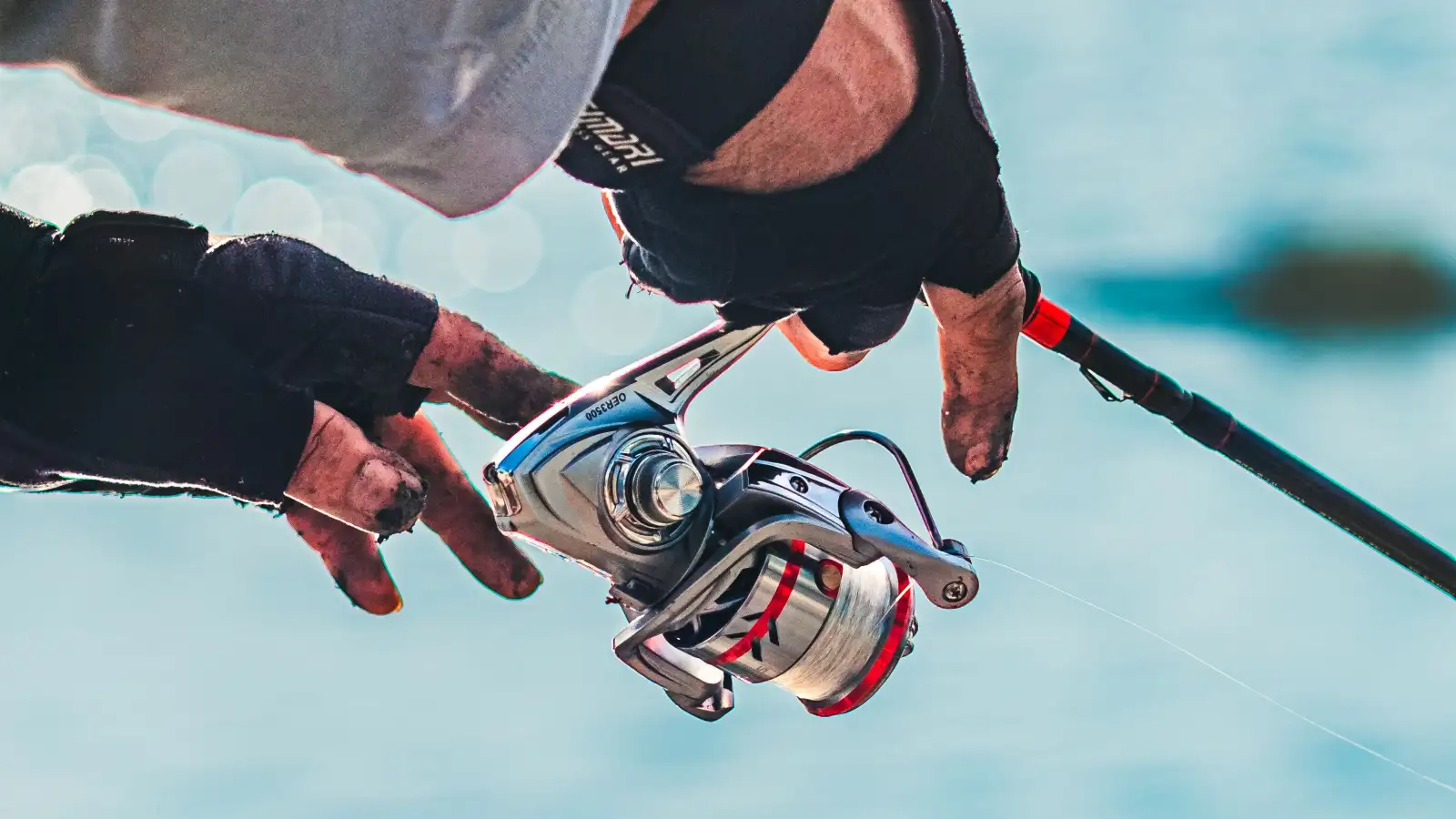
Spool orientation, line release, and rod loading decide whether a spinning or baitcasting reel fits the cast. A practical framework for picking.
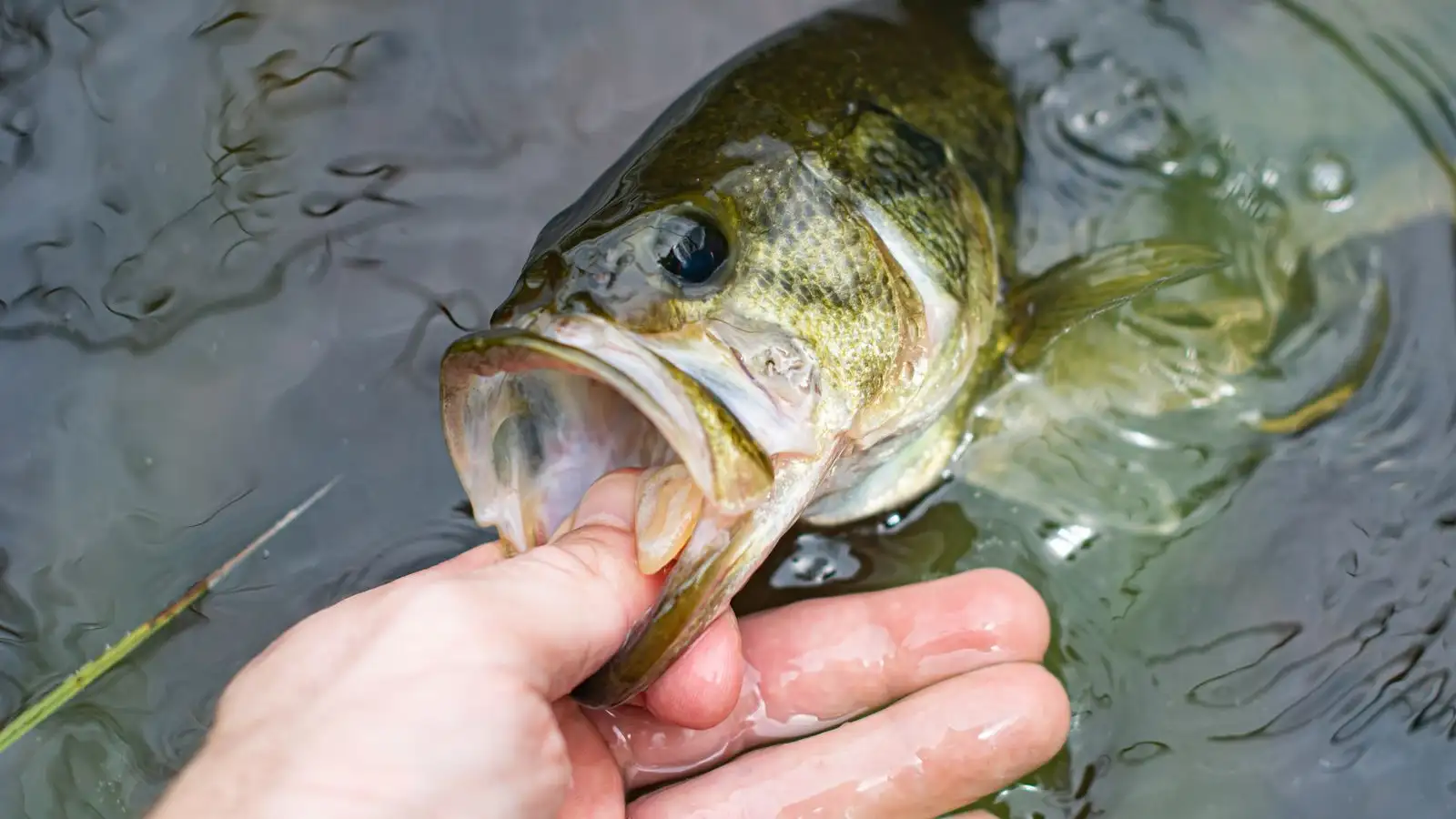
Jaw line, dorsal fin notch, mouth size, and habitat tell largemouth, smallmouth, and spotted bass apart before the net—and change how you fish.
Bag limits and slot limits are shaped by the biological problem they were invented to solve. Read the reasoning behind the rule, not just the number on the sign.
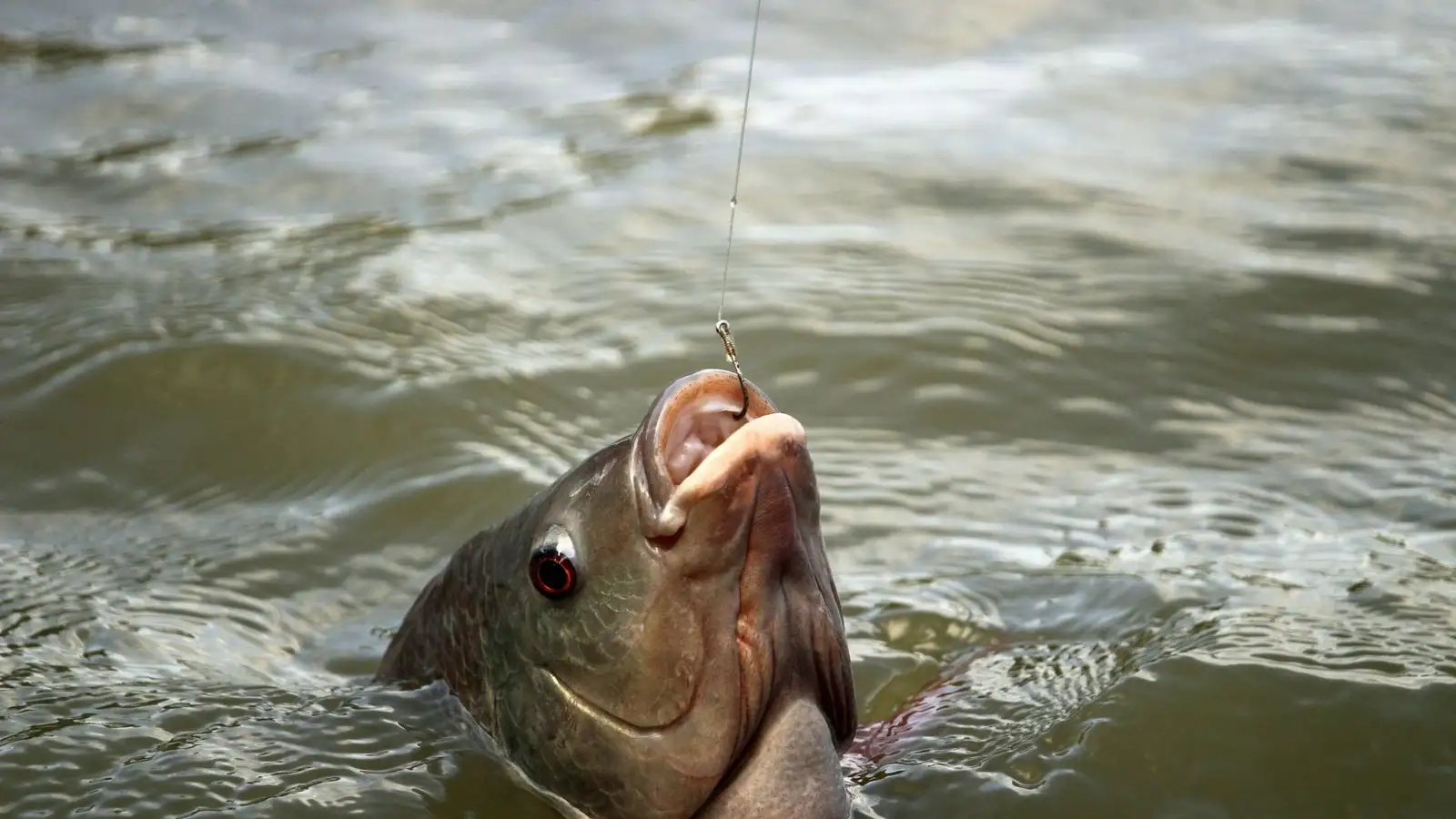
A deep-hooked fish usually does better when you cut the line close to the hook. Here's how I decide, and why a tidy extraction is often the worst outcome.
Brakes only control the first half of the cast. Here is how spool tension, thumb timing, and practice conditions stop baitcaster backlash for good.
Bass fishing gets repeatable when you run the decisions in order: species, season, water reading, lure family, rig, then presentation. Here's how.
What happens to fish guts and carcasses after the cleaning table matters more than the knife work. Here is how to decide between deep water and the trash.
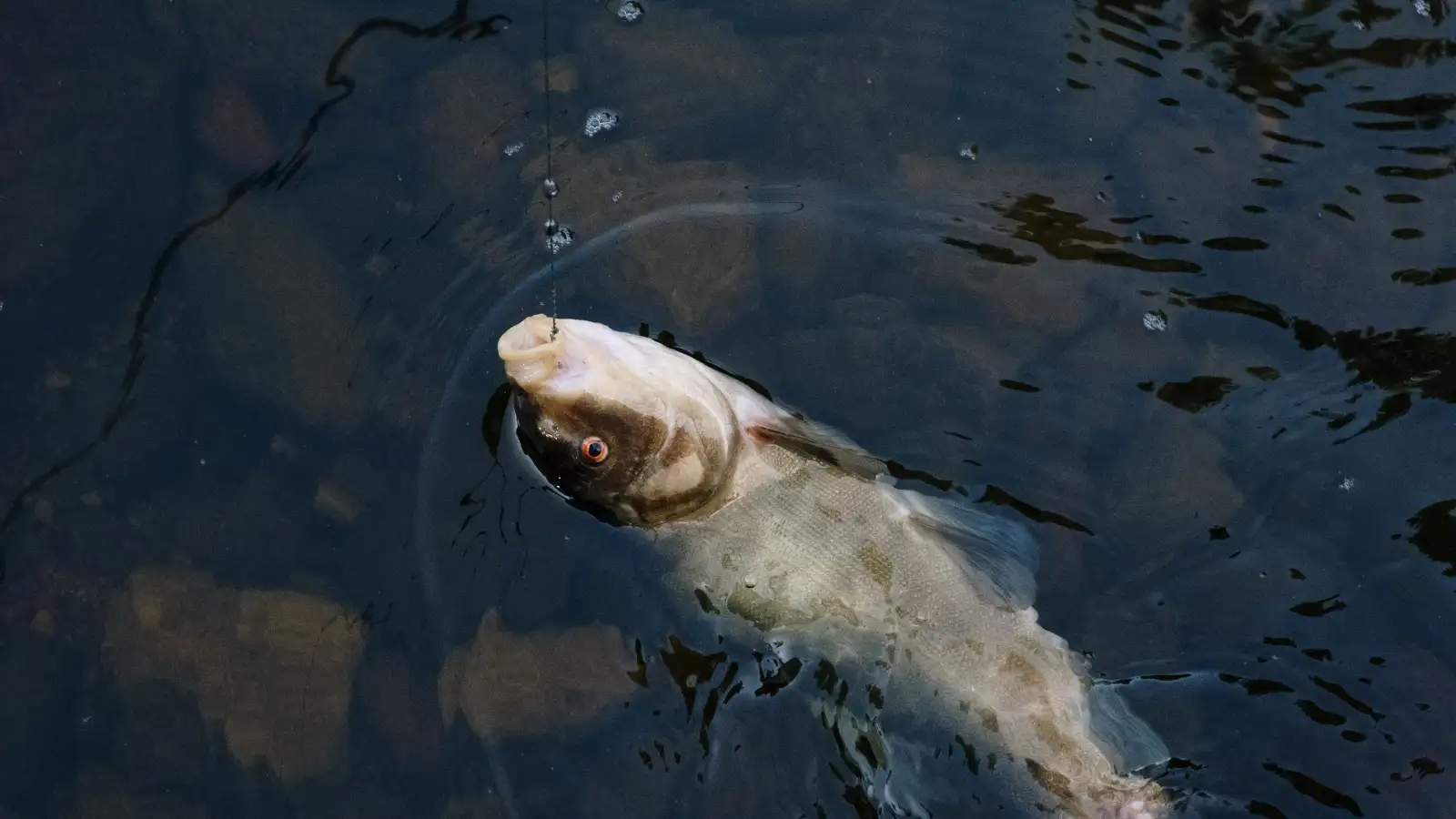
Fish handling is one continuous sequence from hookset to release. See how the fight, the landing, and the unhooking decide what revival can still fix.
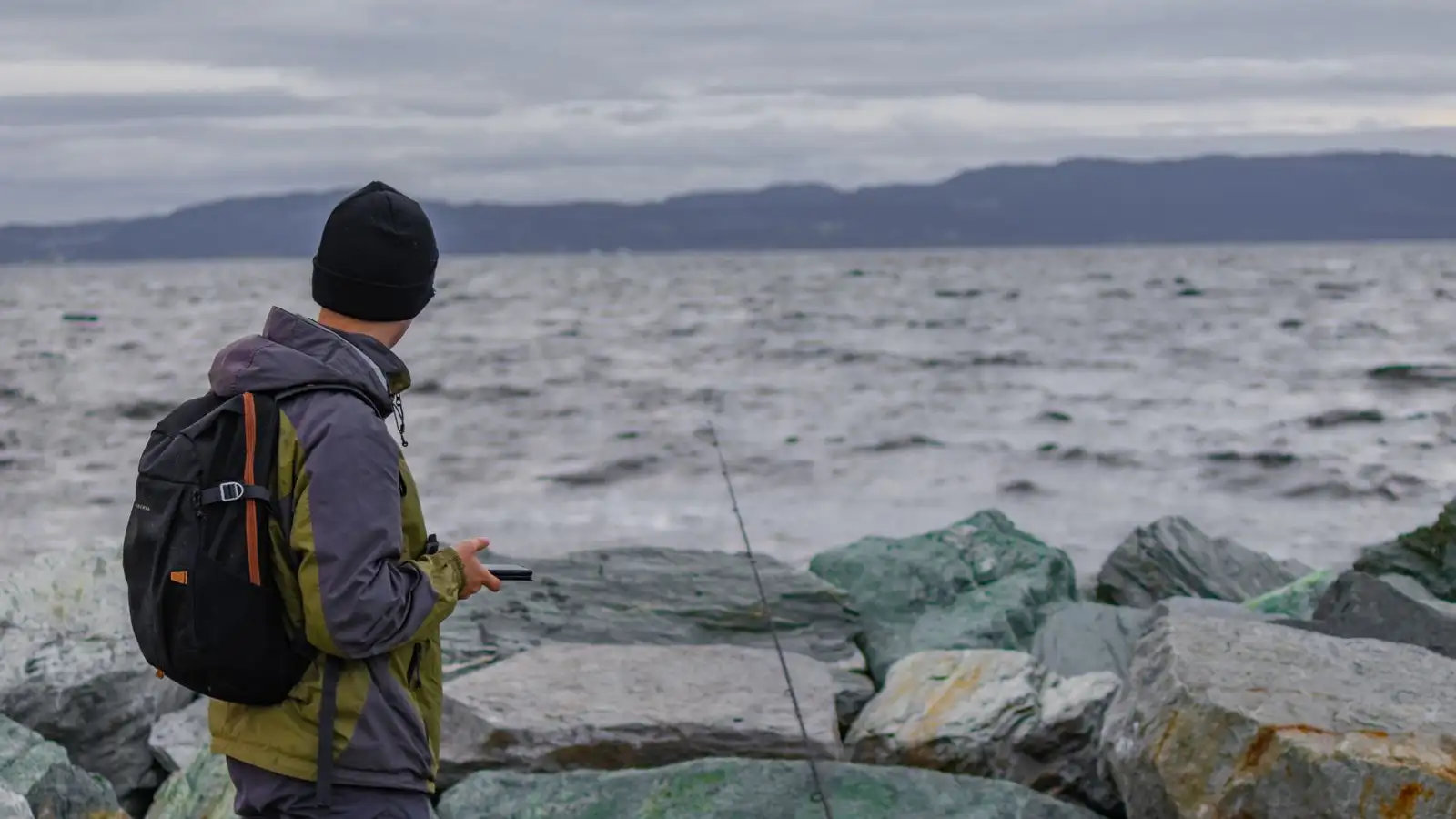
Casting from a boat deck takes a shorter stroke, a wider stance, and timing on the boat's stable beat. Here's how to stay accurate and backlash-free.