That Jaw Grip Isn't Harmless, and the Slime Layer Is Why
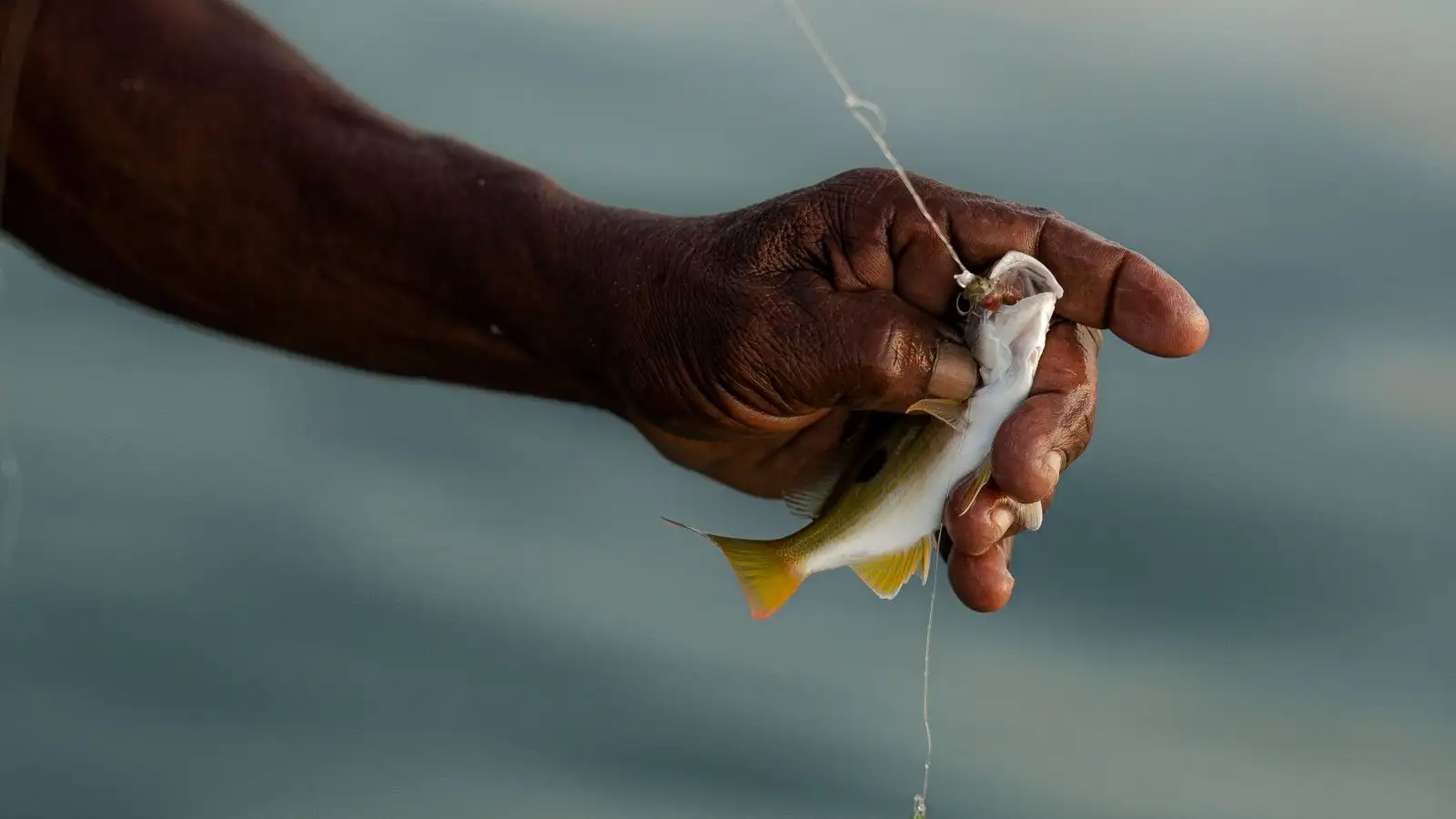
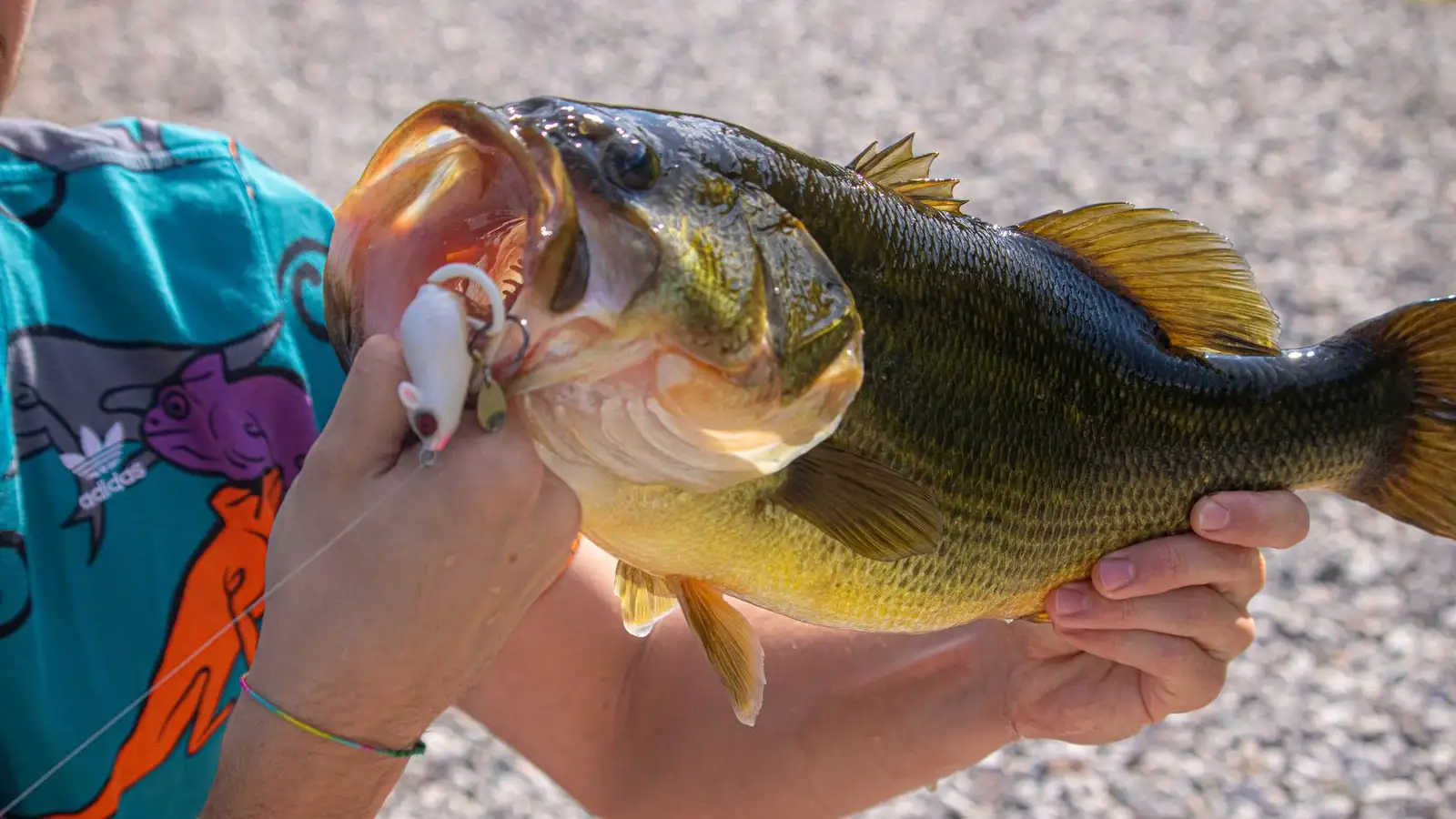
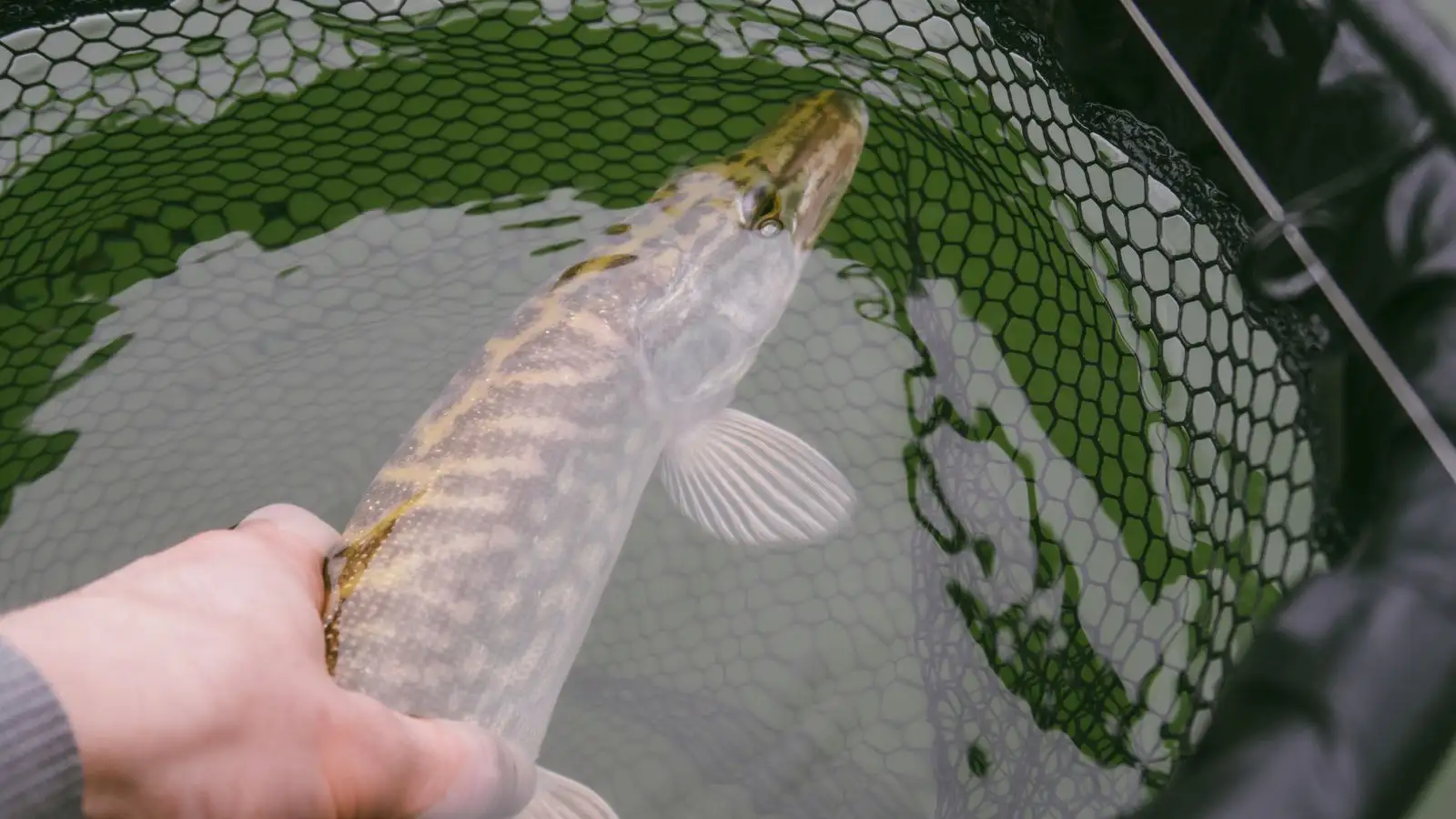
A jaw grip isn't the real problem. The slime layer is. What happens in the few seconds your hands and net touch a fish, and how to keep that coat intact.
A jaw grip isn't the real problem. The slime layer is. What happens in the few seconds your hands and net touch a fish, and how to keep that coat intact.
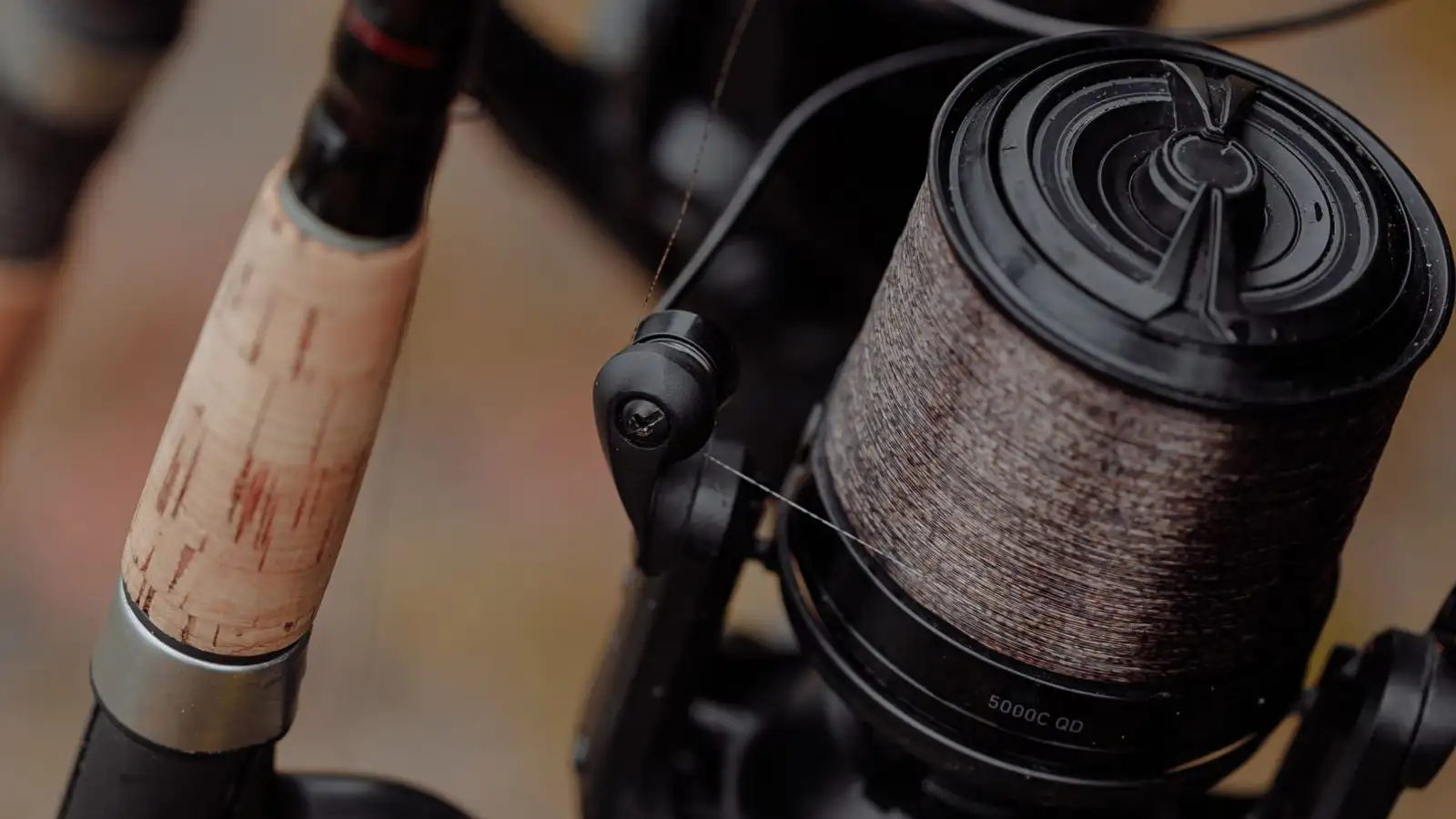
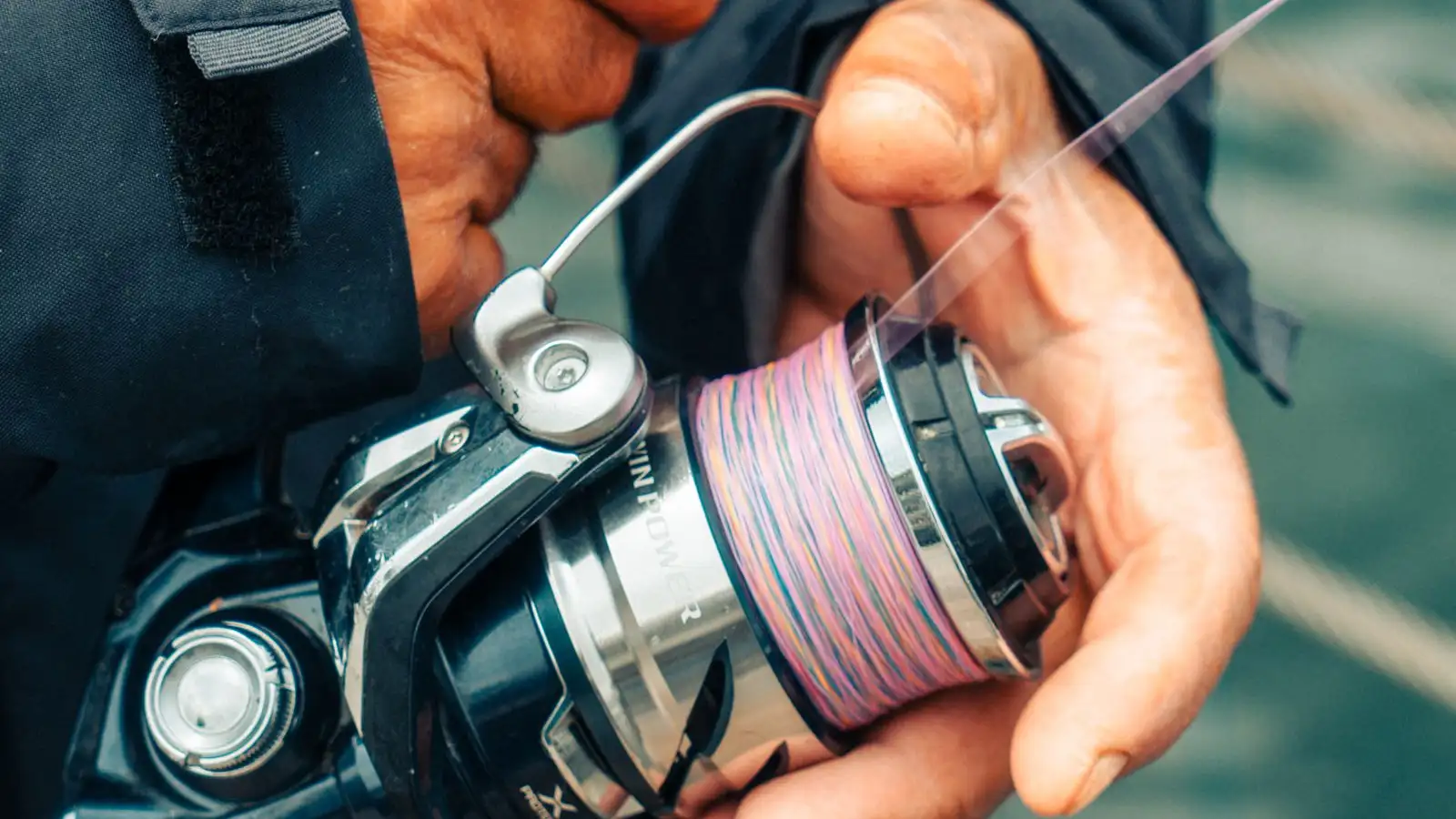
Line memory comes from material and construction, not pound test. Here's why a woven braid lies flat while extruded mono and fluoro keep a coil.
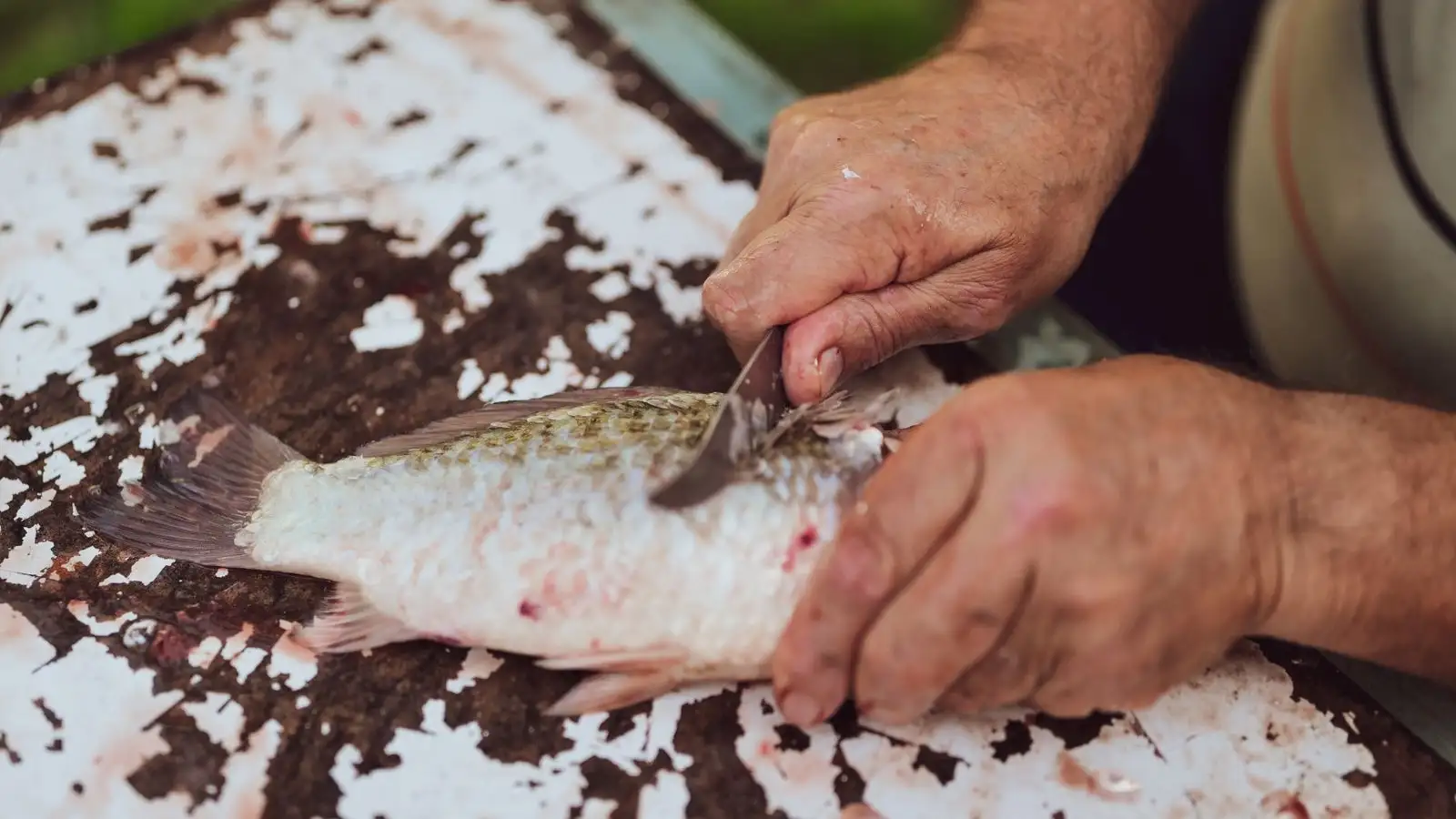
Bleed your catch in the current, ice it fast, dress it before rigor, and cook it to 145 degrees. One continuous chain from wading boots to the plate.
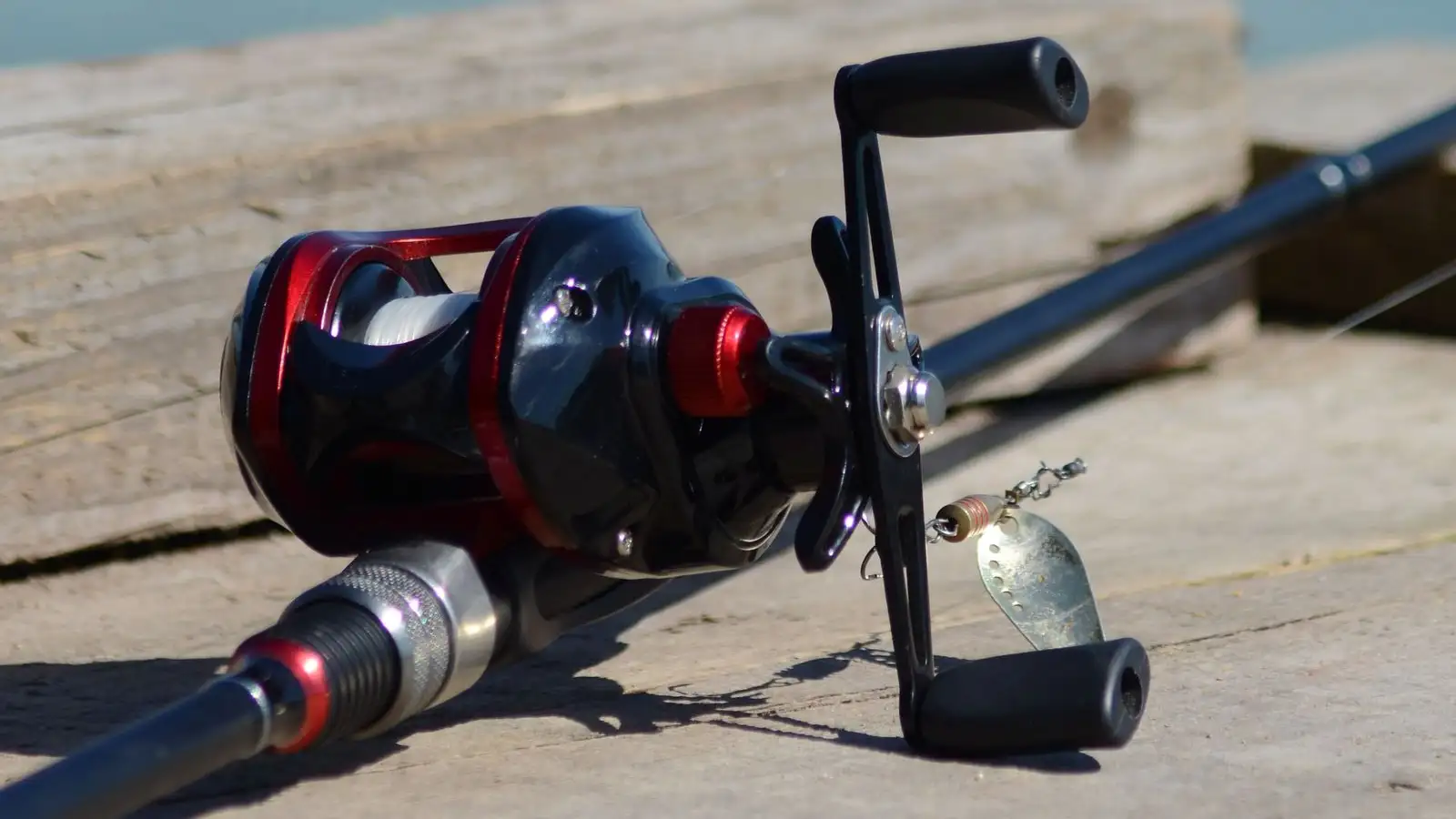
Set spool tension and brakes as two separate dials, tuned to the lure on your rod and the wind in your face, so it flies clean and lands where you meant.
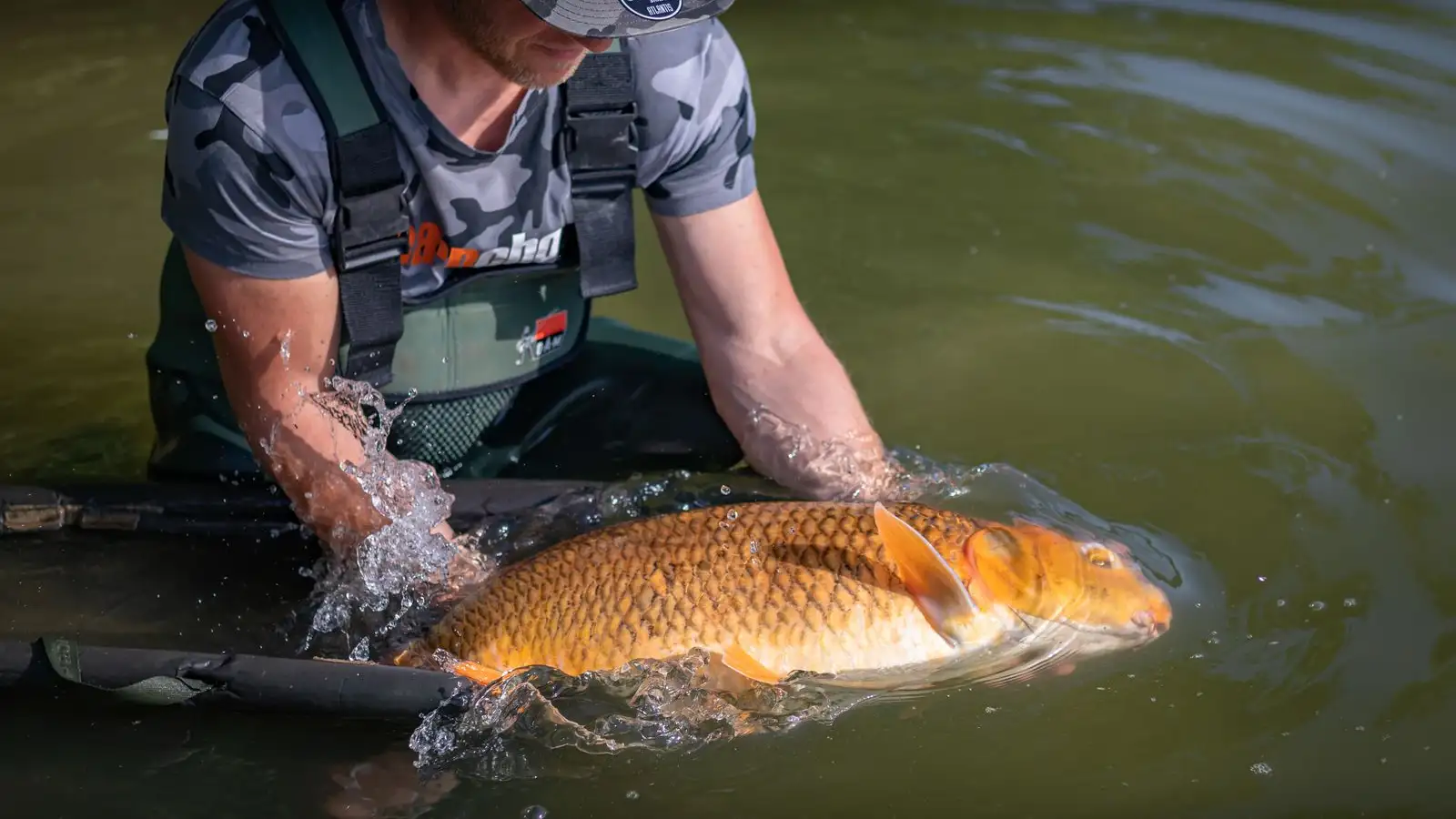
Fight duration, not net technique, decides whether a released fish can recover. Here is how to land fish faster with steady pressure and keep a release routine.
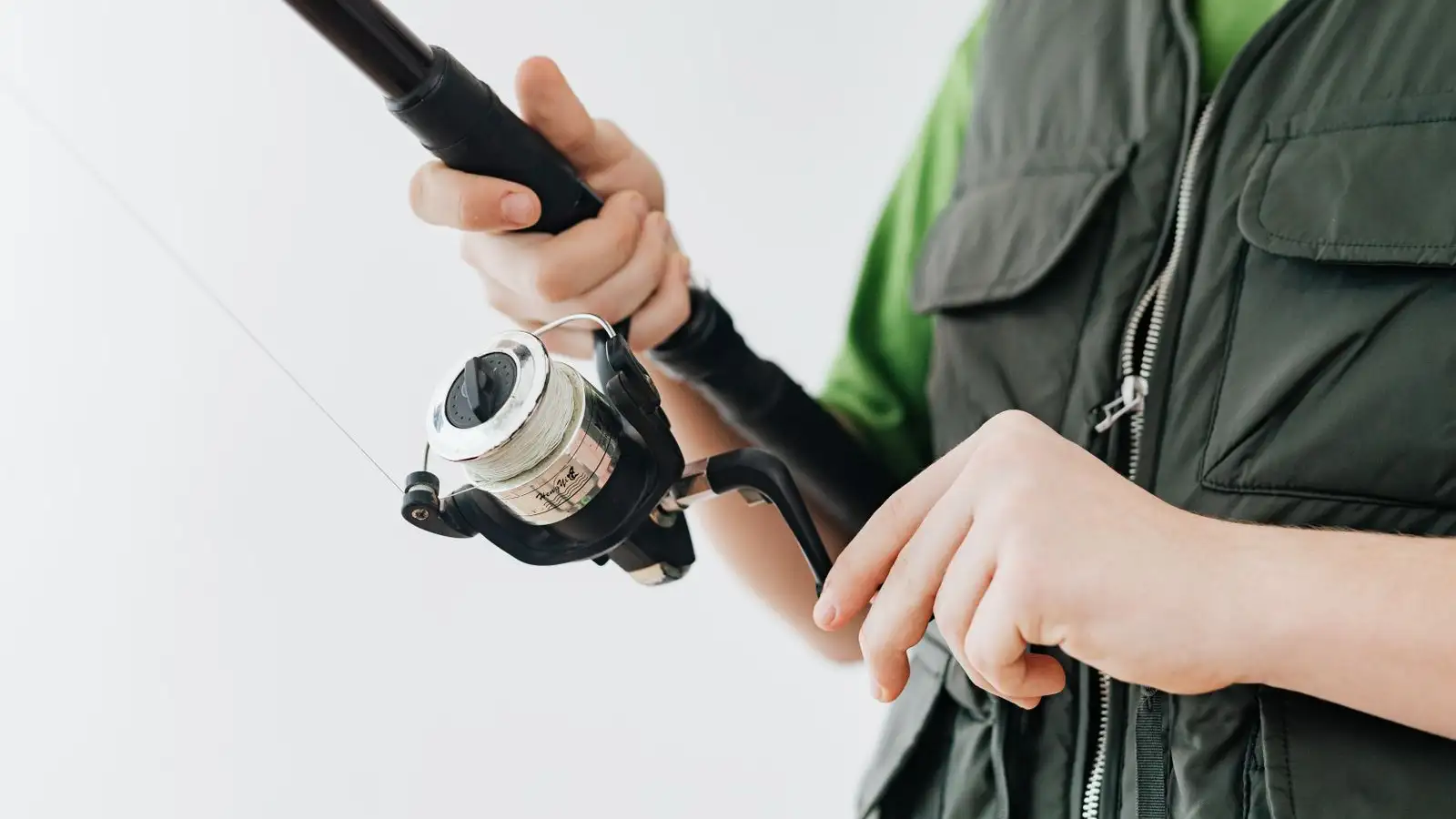
Fill level, winding tension, backing, and where the reel sits between trips decide most of your line memory before the first cast. Spool once, coil less all season.
Reel type is a line-delivery question, not a talent test. Here's how spinning and baitcasting designs change your cast, hookset, and lure choice.
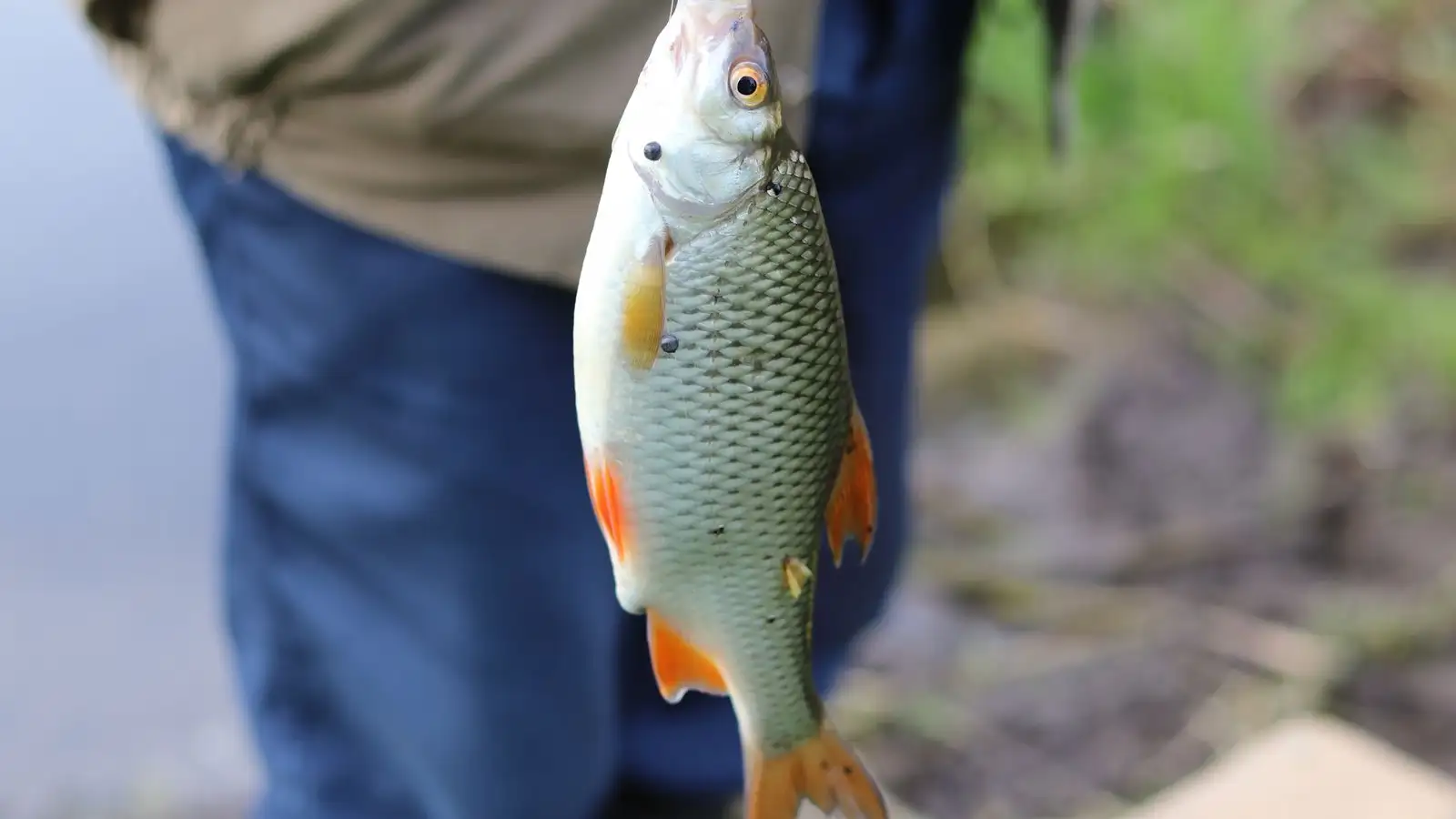
Identify freshwater fish in the right order: mouth position, dorsal fin sections, tail shape, lateral line. Color comes last, and here's why that matters.
A fish that rolls over at release can still swim off. Here's how to read the minute after the hook is out, and what to do when it clearly isn't ready.
Spinning reel line twist comes from two different places. Learn to tell spooling twist from lure-rotation twist, and how to fix each, before you respool.