How to Use Current, Depth, and Bottom Type to ID Fish Fast
Stop memorizing species. Use current speed, depth, and bottom type to eliminate 80% of fish possibilities in seconds. A habitat-first identification method that works in any water.
Identification profiles, range maps, habitat preferences, and life-history patterns of key sportfish.
Stop memorizing species. Use current speed, depth, and bottom type to eliminate 80% of fish possibilities in seconds. A habitat-first identification method that works in any water.
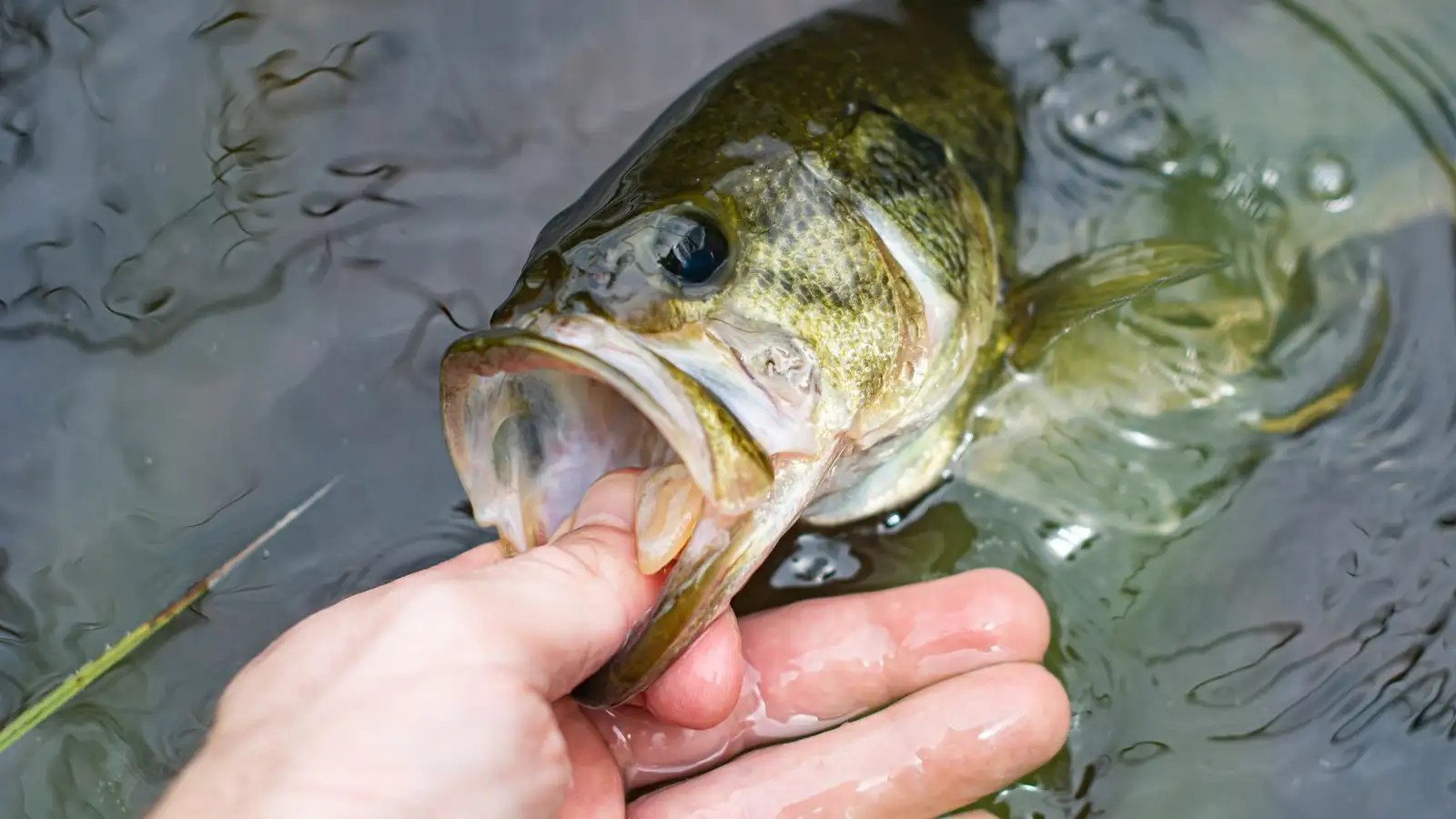
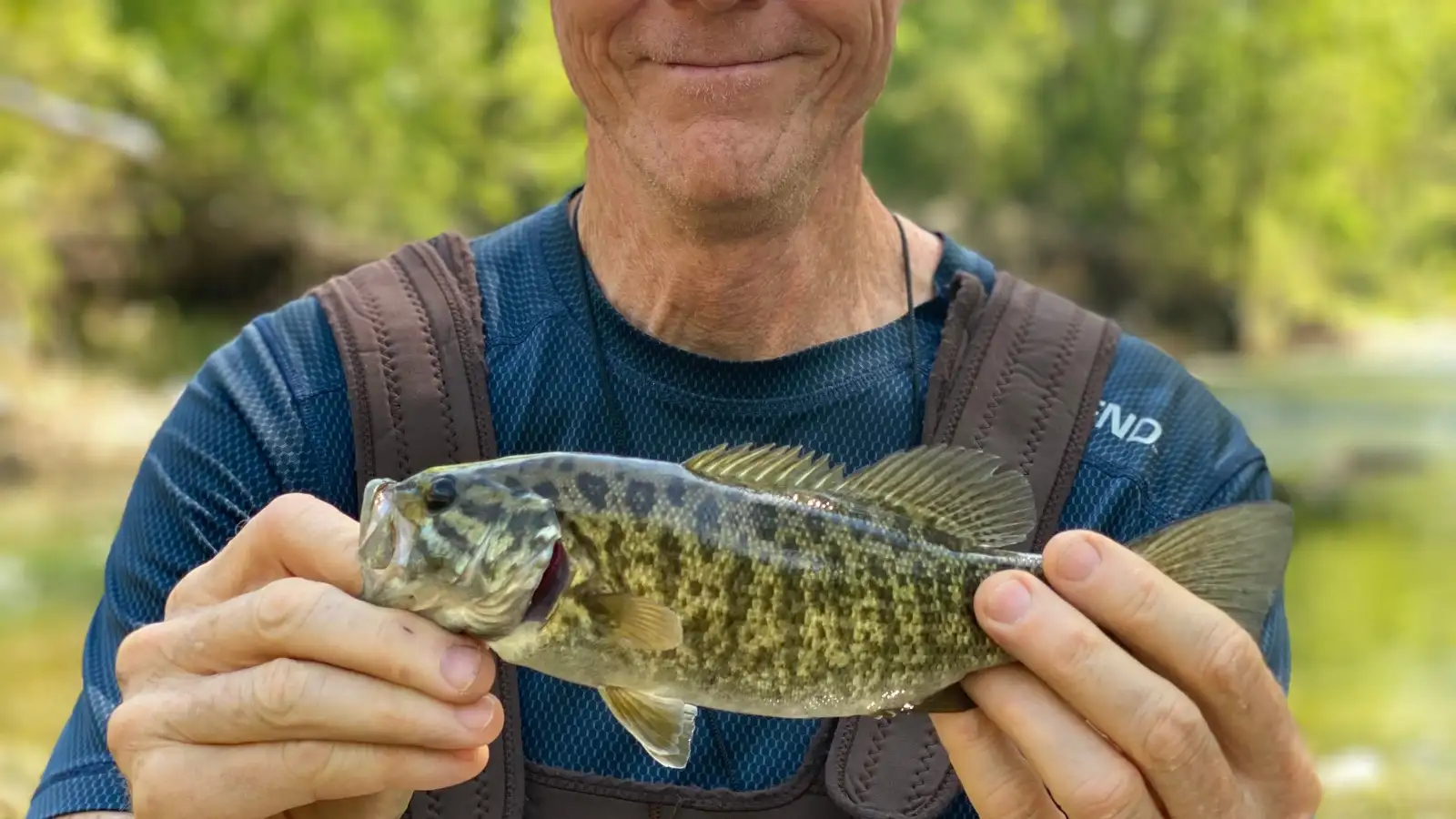
Spotted a fish in a fast riffle? Don't assume bluegill. Use current speed, bottom type, cover, and region to ID a smallmouth before your first cast.
Water temperature, spawning phase, and baitfish movement tell you where fish are and how to catch them from a boat. Stop guessing by date and start reading biological cues.
Pier fishing success hinges on matching species traits, seasonal runs, and rigs. Learn which saltwater fish you’ll catch and the setups that work for each.
Two seasonal water shifts—spring runoff and fall turnover—move trout to new lies. Learn to read the river’s cues instead of relying on a calendar.
Learn to read water temperature trends, day length, and baitfish activity to time saltwater spawning runs perfectly—no calendar needed. A 3-signal framework for any year.
Catch suspended bass in clear water with a drop shot. Use 6-lb fluoro, near-motionless twitches, and sonar fish posture to trigger bites in seconds. Practical guide.
Stop guessing and start reading water temperature, daily feeding windows, and structure. Simple system guides use to find bass on any lake fast—no expensive gear needed.
Stop using color to ID saltwater fish. Mouth position reveals feeding depth, strike zone, and lure choice instantly. Learn the 3-part morphology framework here.
We rank the three tidal stages that trigger redfish feeding—incoming push, outgoing pull, and slack tide—by feeding aggression and adjust your presentation for each.