A Belly-Up Fish Can Still Swim Off If You Hold It Right
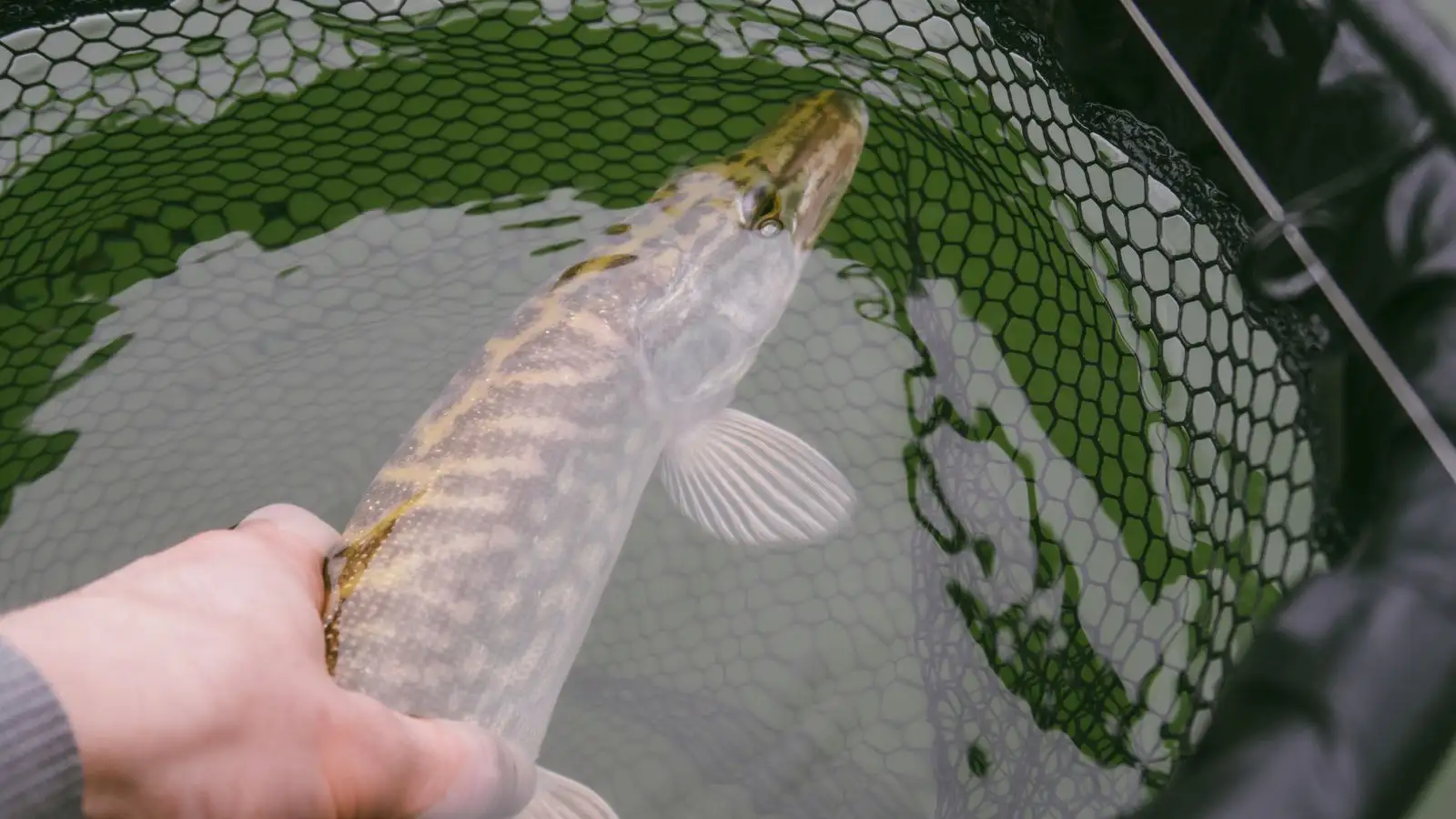
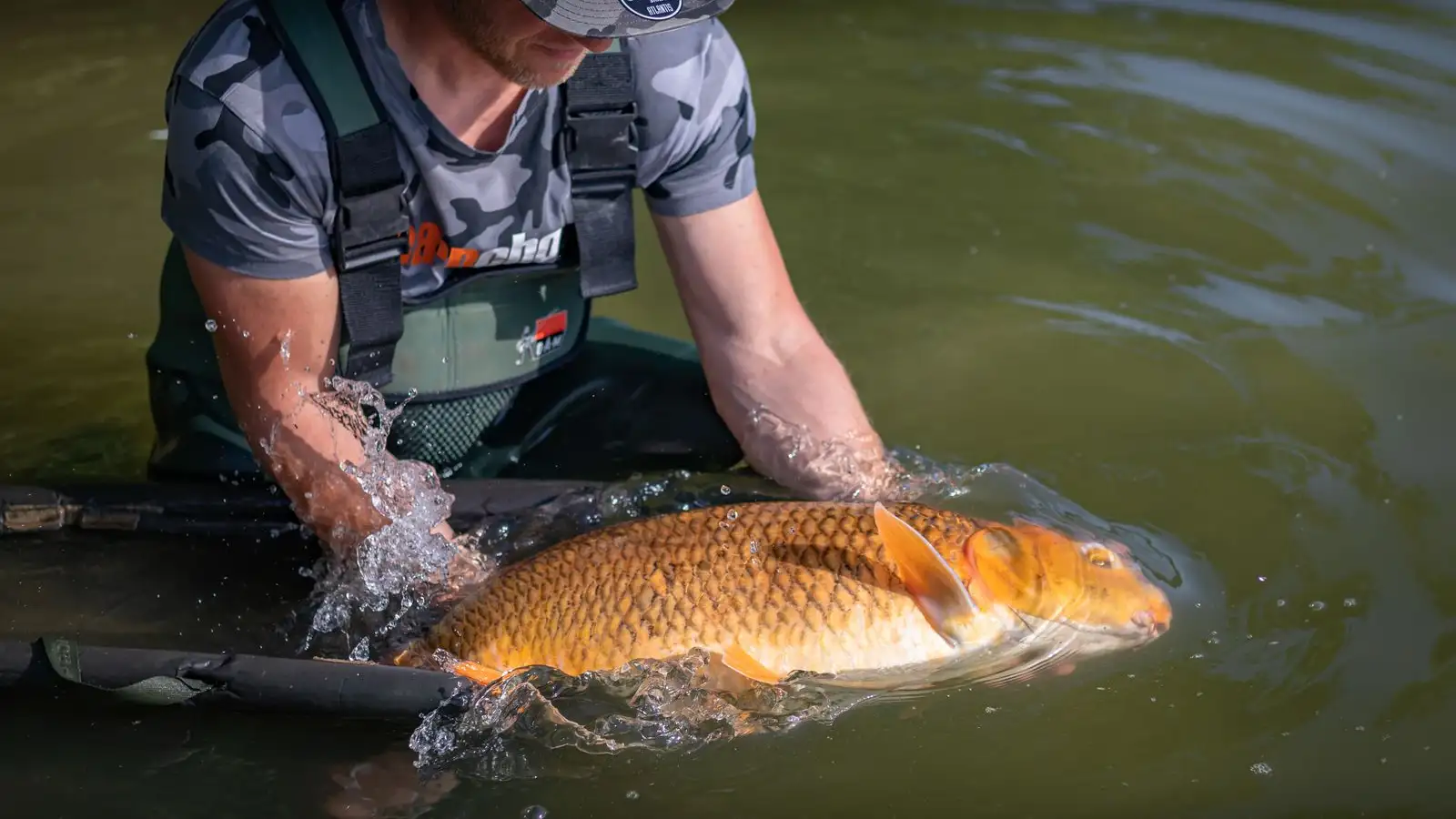
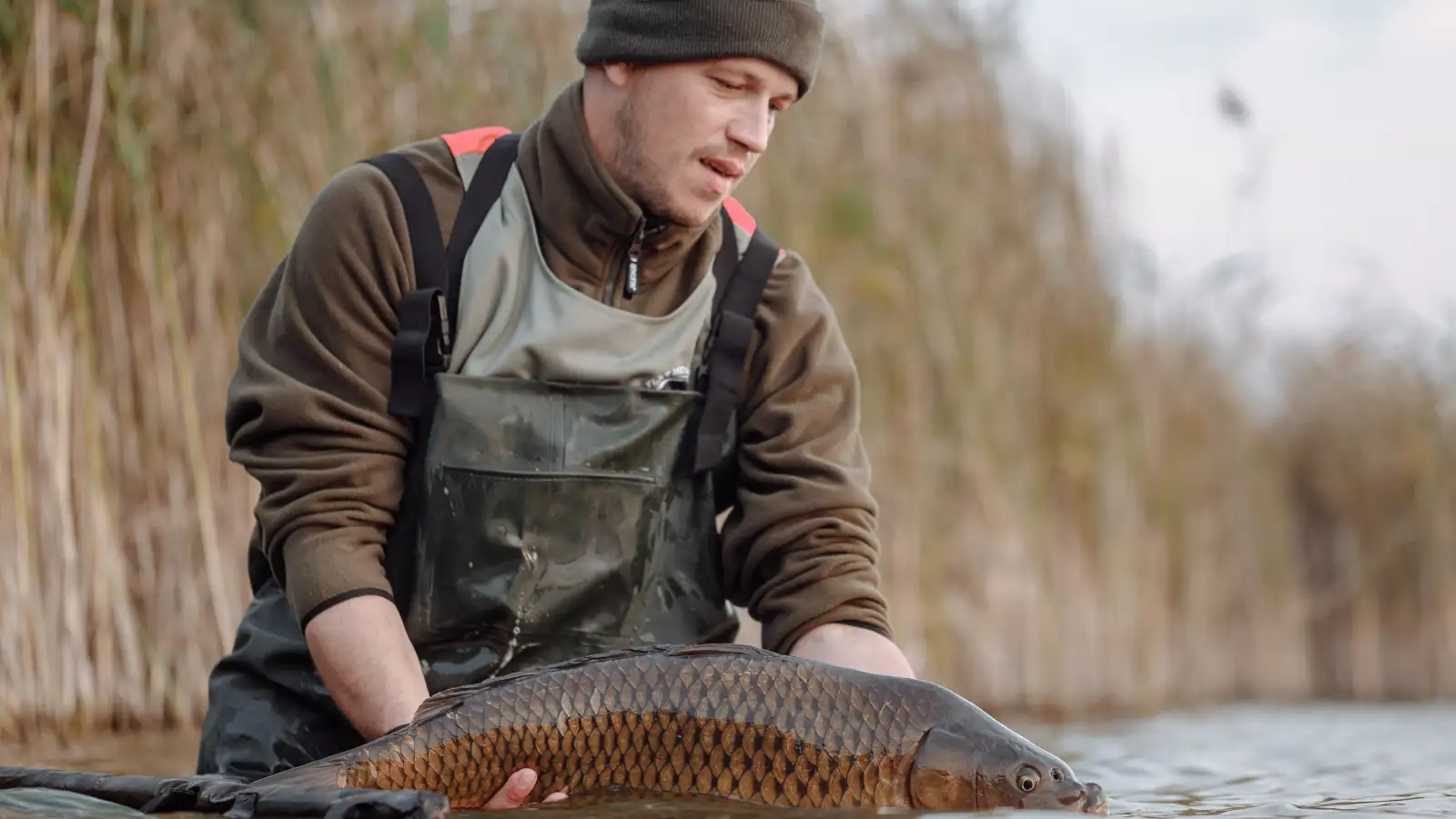
How to revive a belly-up fish: hold it upright into current, wait for the righting reflex, recapture if it rolls, and get deep-caught fish back down.
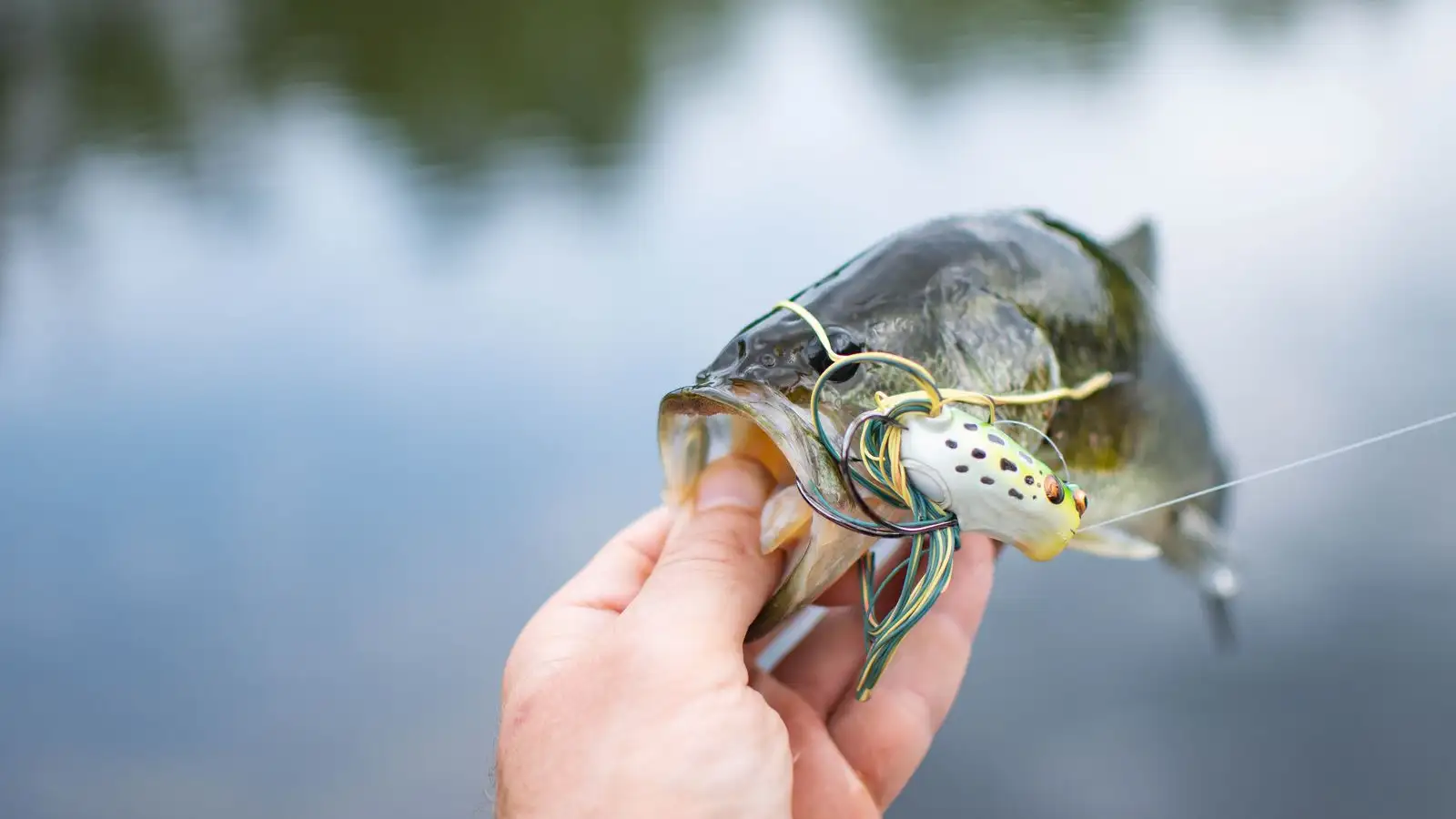
Techniques for minimal wounding, proper revival, and safe release to ensure fish survival.
How to revive a belly-up fish: hold it upright into current, wait for the righting reflex, recapture if it rolls, and get deep-caught fish back down.
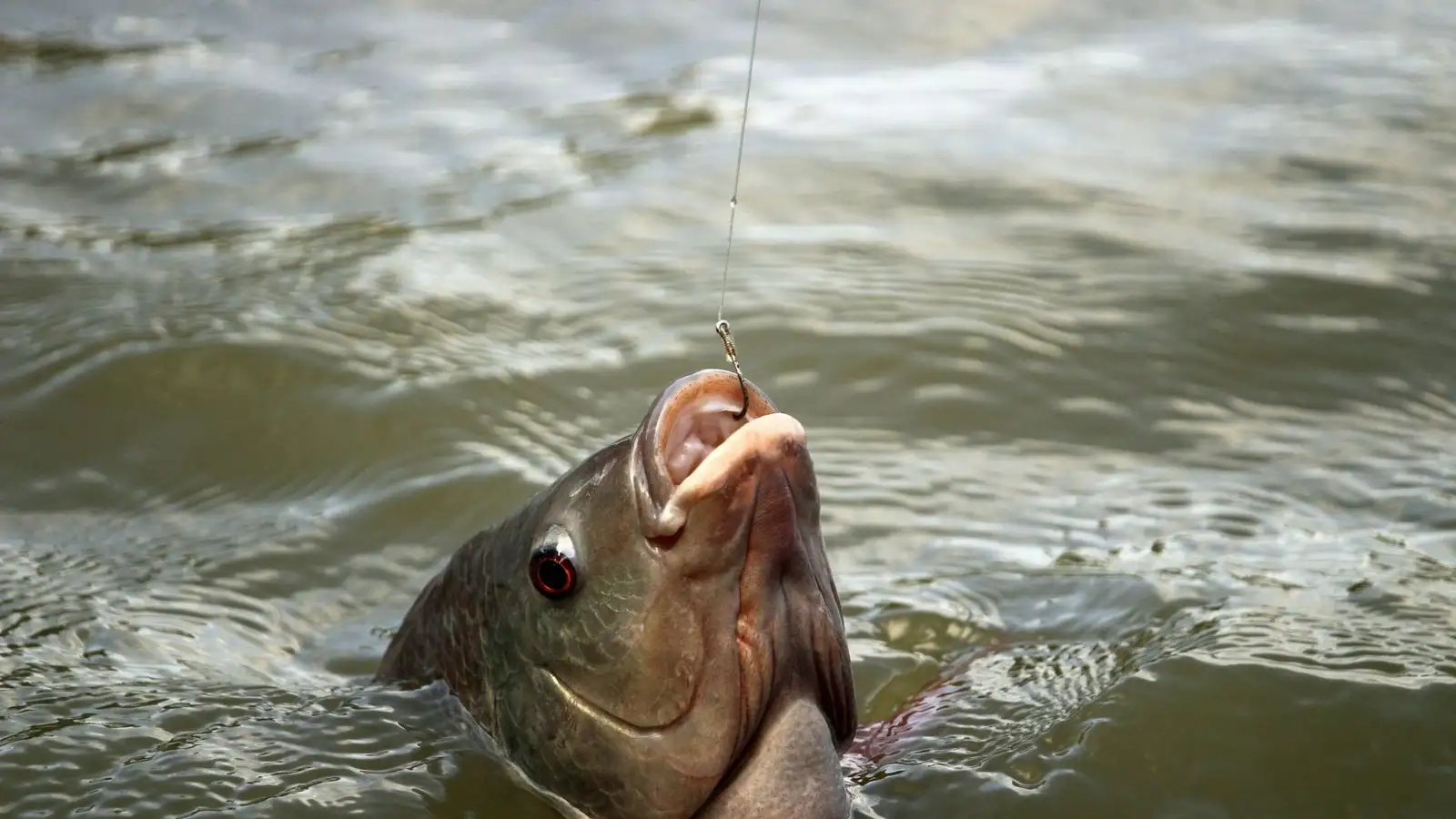
Catch and release succeeds or fails in the seconds between hookset and swim-away. Control fight length and air exposure, and the rest falls into line.
Most pier fish are lost in the last ten feet, where the line is shortest. Here's how to tire, control, and land or release them cleanly over the rail.
A nest has one parent, and lifting him off it starts a countdown. Here's the biology of spawn-season nest loss and the handling choices that follow.
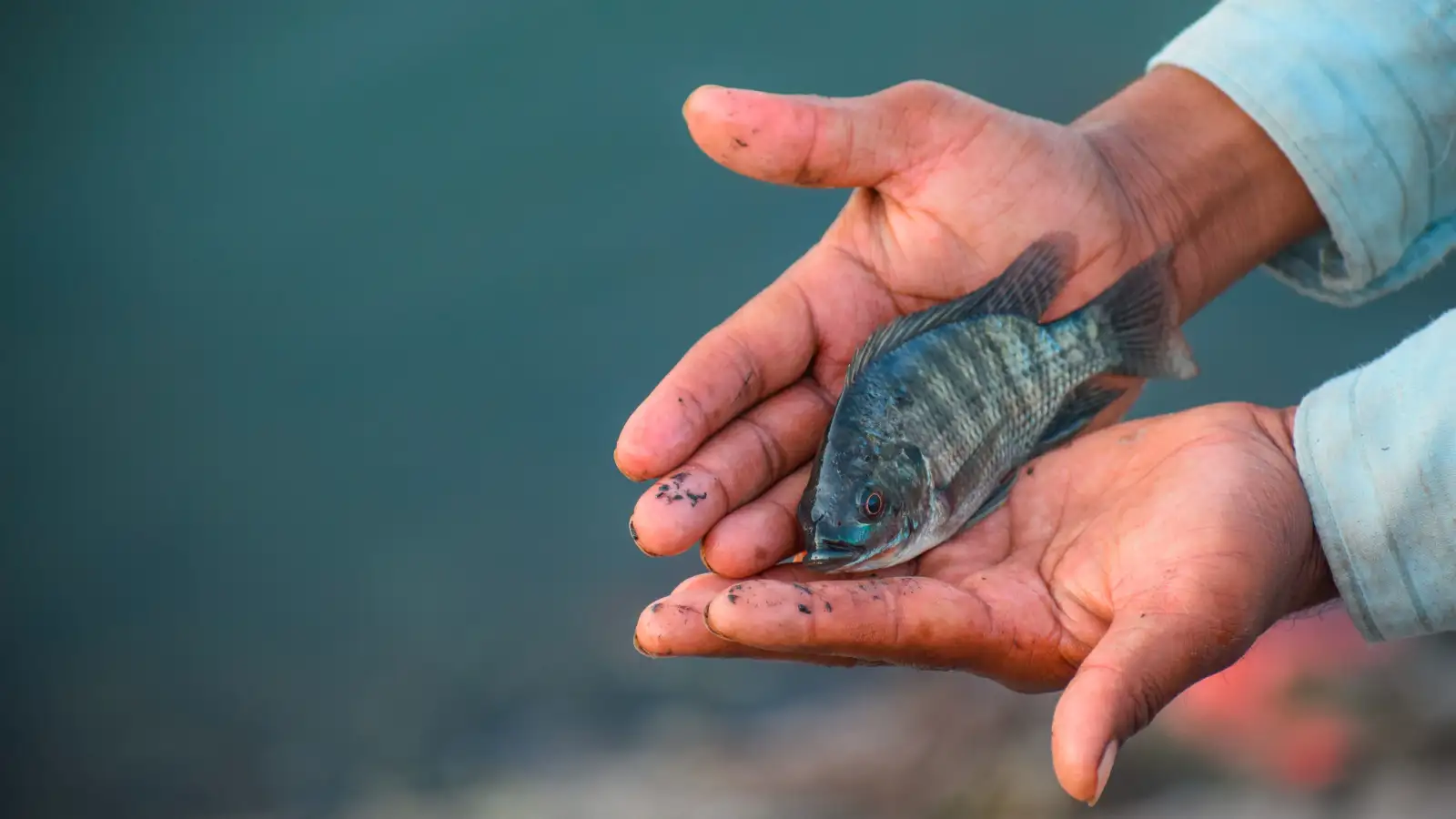
A jaw grip isn't the real problem. The slime layer is. What happens in the few seconds your hands and net touch a fish, and how to keep that coat intact.
Fight duration, not net technique, decides whether a released fish can recover. Here is how to land fish faster with steady pressure and keep a release routine.
A fish that rolls over at release can still swim off. Here's how to read the minute after the hook is out, and what to do when it clearly isn't ready.
A deep-hooked fish usually does better when you cut the line close to the hook. Here's how I decide, and why a tidy extraction is often the worst outcome.
Fish handling is one continuous sequence from hookset to release. See how the fight, the landing, and the unhooking decide what revival can still fix.
Netting, unhooking, measuring, and reviving boat-side when there's no bank to stand on. How to stage the deck so the fish barely leaves the water.