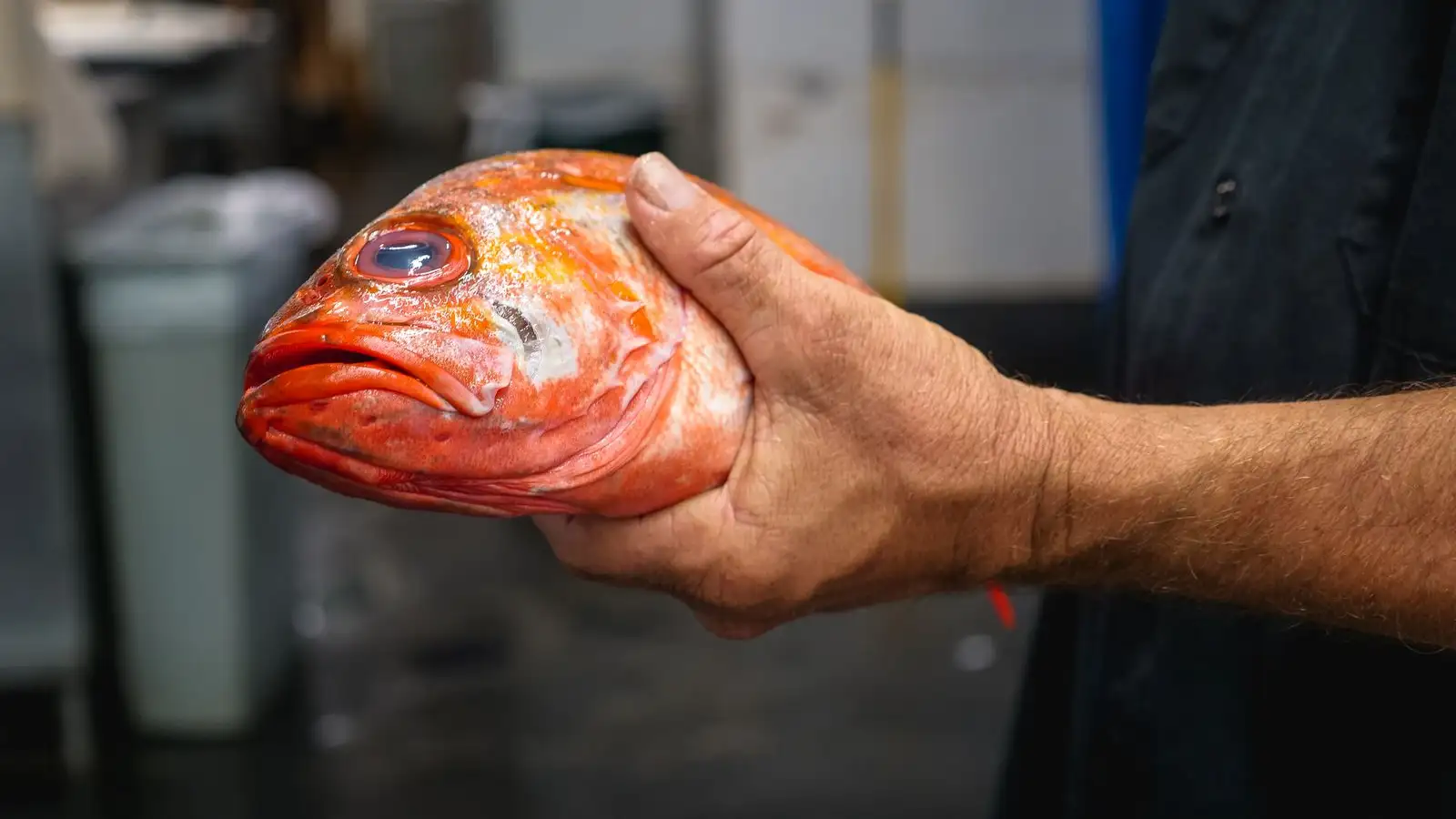
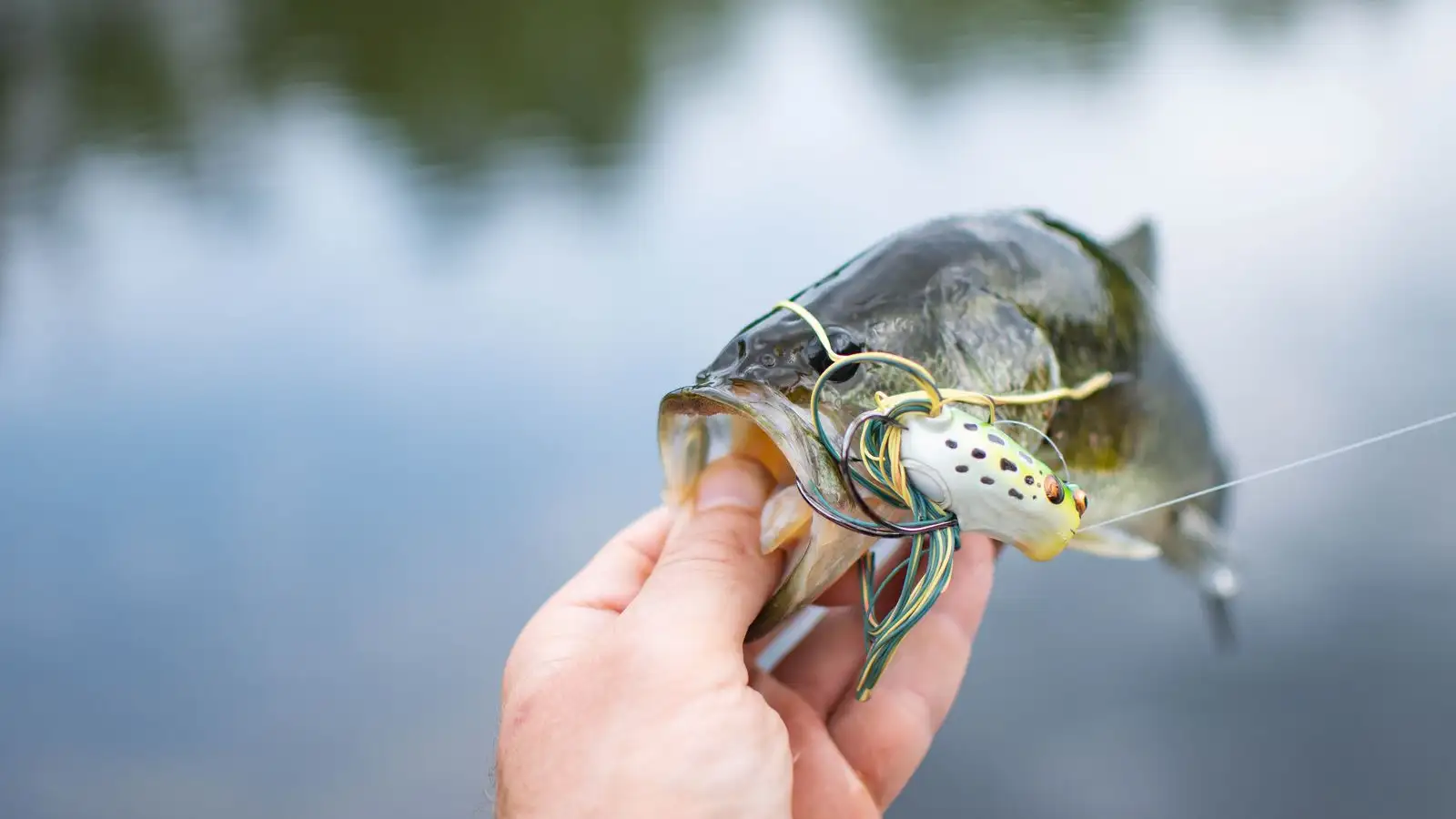
The 40-Degree Rule for Keeping a Field-Dressed Fish Cold
The clock starts when the fish is dispatched. Chill a field-dressed fish fast and keep it cold in a drained cooler through a long, warm drive home.
Regulations logic, catch-and-release ethics, and processing your catch from water to table.
The clock starts when the fish is dispatched. Chill a field-dressed fish fast and keep it cold in a drained cooler through a long, warm drive home.
Trim the blood line, skin, and dark fat, soak briefly in milk or saltwater, then cook hot with smoke and garlic to turn oily, muddy fish into dinner.
Whole fish, skin-on fillets, and skinless fillets each need a different cooking method. Here's how to match heat to cut and stop drying out fish.
How to revive a belly-up fish: hold it upright into current, wait for the righting reflex, recapture if it rolls, and get deep-caught fish back down.
How to turn fish frames, heads, and trim into a second meal: gentle 30-minute stock, picked meat, and pan-fried fish cakes or croquettes from one catch.
Catch and release succeeds or fails in the seconds between hookset and swim-away. Control fight length and air exposure, and the rest falls into line.
Dispatch, bleed, and chill in the first ten minutes is what decides how a kept fish tastes. Here's the timed sequence, and why the order matters.
Most pier fish are lost in the last ten feet, where the line is shortest. Here's how to tire, control, and land or release them cleanly over the rail.
The cold chain decides how your fish eats. Ice it, drain the melt, and hold 32-40°F from the water to the pan—no seasoning can fix a fish that went warm.
A nest has one parent, and lifting him off it starts a countdown. Here's the biology of spawn-season nest loss and the handling choices that follow.