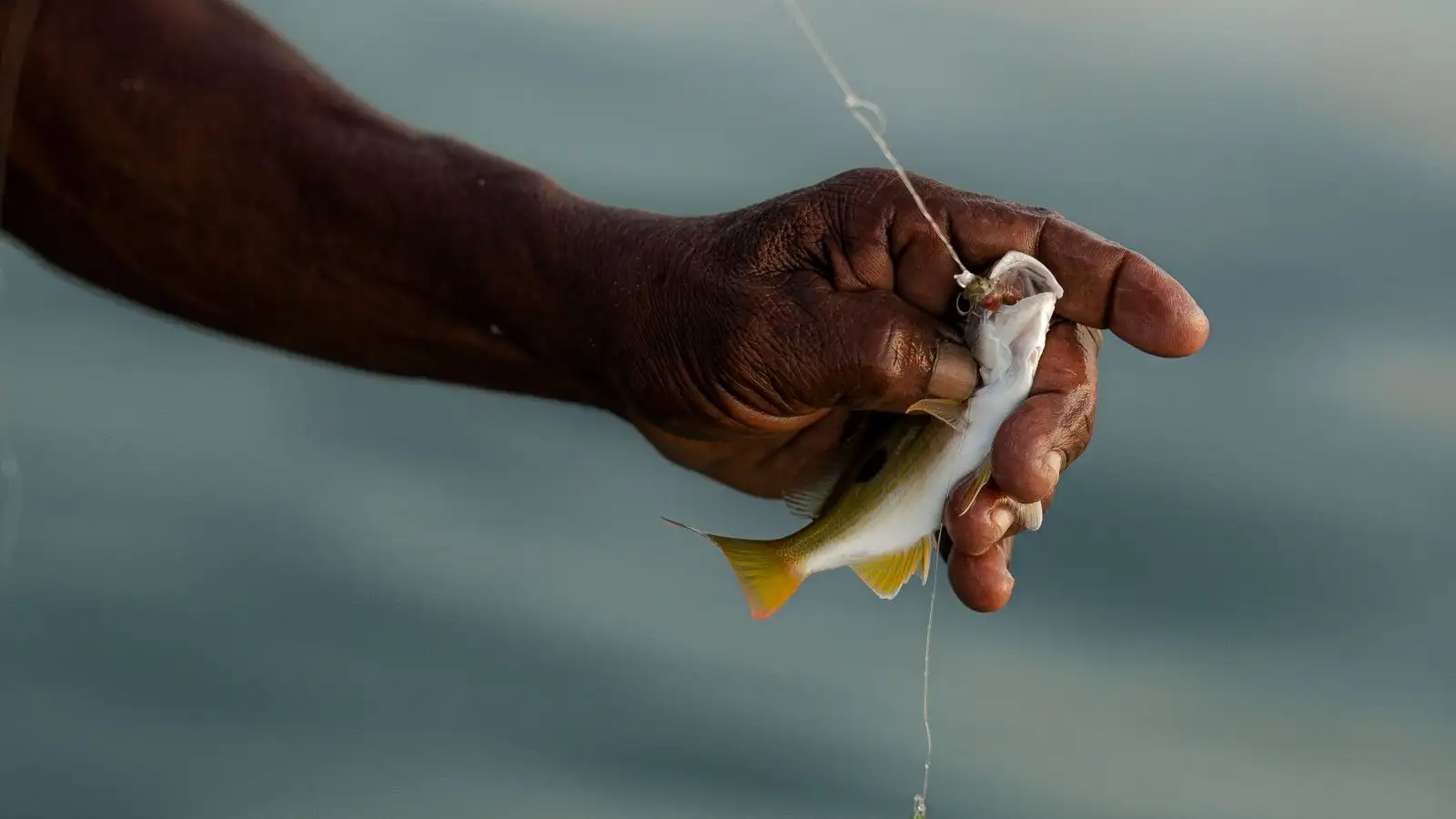
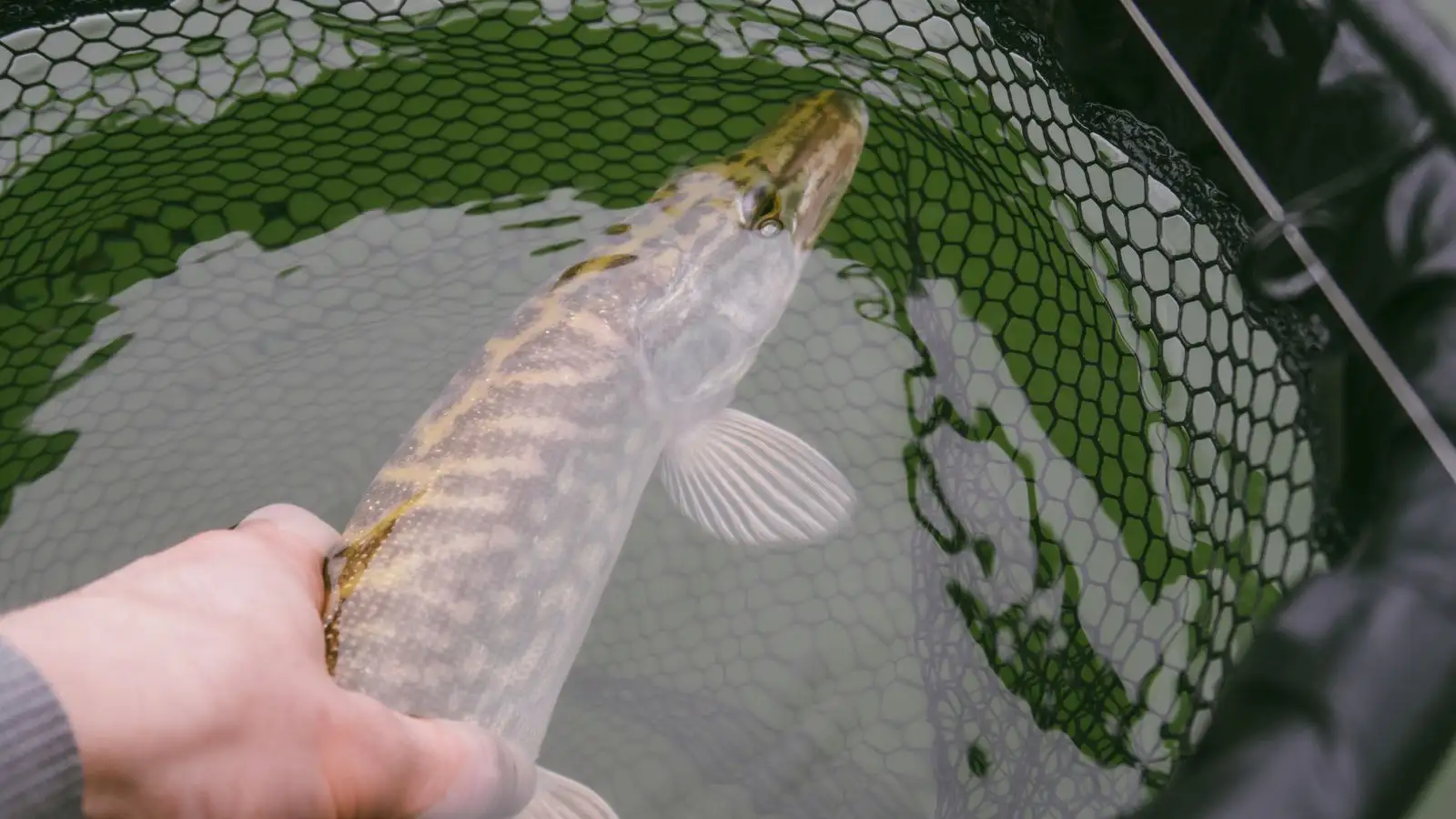
Handling a fish well is a sequence, not a checklist, and it starts the instant the hook goes in. Fisheries biologists work it that way because the stages are not independent: how long the fight runs decides how much lactic acid has already built up in the muscle before the fish ever leaves the water, and how you land the fish decides whether it can even be held upright in the current later on. Every step downstream runs inside the limits the earlier steps set. Blow the fight and no amount of careful cradling at the boat fixes it. Blow the landing and revival turns into guesswork.
I'm thigh-deep in a warm river at the tail end of a summer evening, and I want your hand on the rod too. Feel the cork, slick where your palm has been resting. Watch the line where it cuts the seam between fast water and slow, that thin hard edge of current with flat water beside it. There's a smallmouth sitting on the slow side. When it eats, the take comes up the line as a single sharp tap, not a tug.
That tap is the first decision.
The fight sets the ceiling on everything that follows
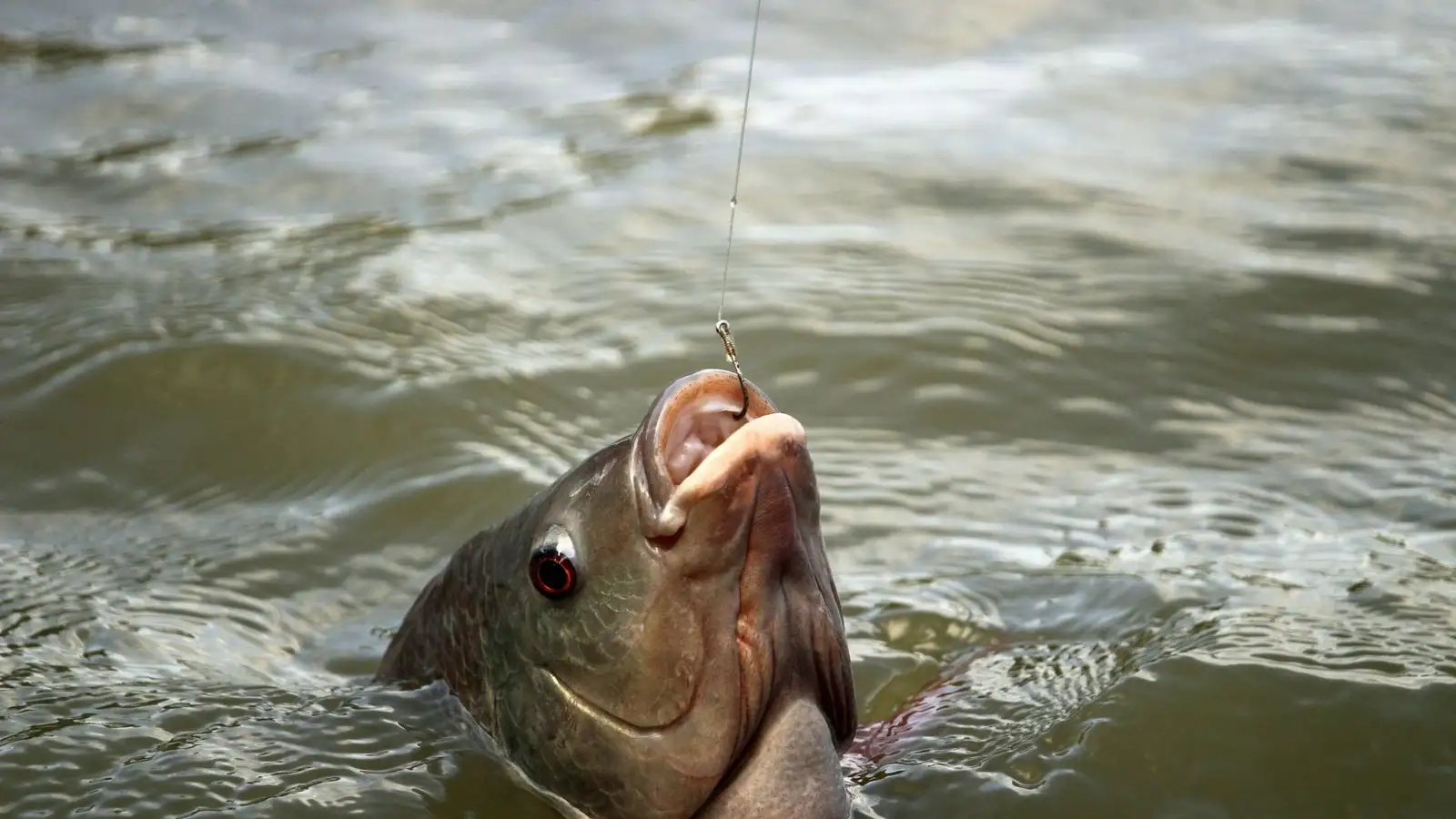
You set, the fish comes up and shakes, the rod loads. The clock starts. This is the part people don't file under "handling," and it's the part that matters most. A fish that fights for three minutes instead of thirty seconds has spent a chunk of its anaerobic budget, and that debt is owed before you ever touch it. You can't hold it gently enough afterward to pay it back.
So the first real skill is ending the fight fast, with tackle that lets you. If your leader is so light you're scared of it, you'll baby the fish, and babying a fish is just torturing it slowly. I'd rather fish a step heavier and put a fish in the net in twenty seconds than dance with it for five minutes and call it respect. Sometimes letting a fish run is the right call. Most of the time it's an excuse to feel the fish longer.
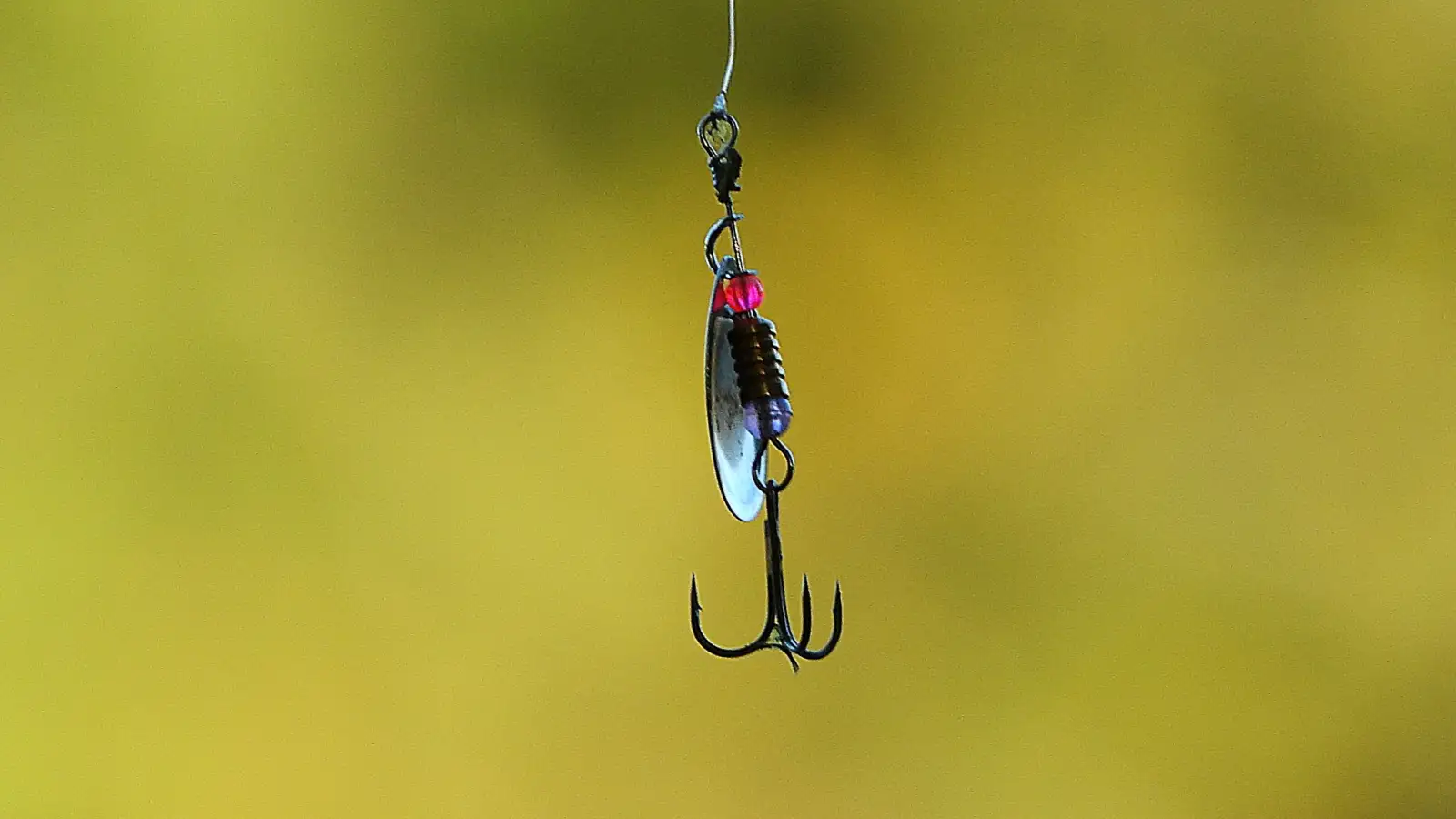
Hook choice feeds straight into this. Barbless hooks and single hooks generally do less tissue damage and come out faster than treble hooks, and removal time is not a small thing. It's the number of seconds the fish spends out of the water and in your hands. The tradeoff is honest: no barb means a slack line means a lost fish. You keep tension and you don't give an inch. That's a skill cost, and if you're releasing fish, it's worth paying.
Everything that touches the fish should be wet first
Before the net goes anywhere near the water it's dry, and that's the mistake. The slime layer on a fish is its first defense against infection, and dry fabric or dry hands strip it off. It doesn't come back in five minutes, either.
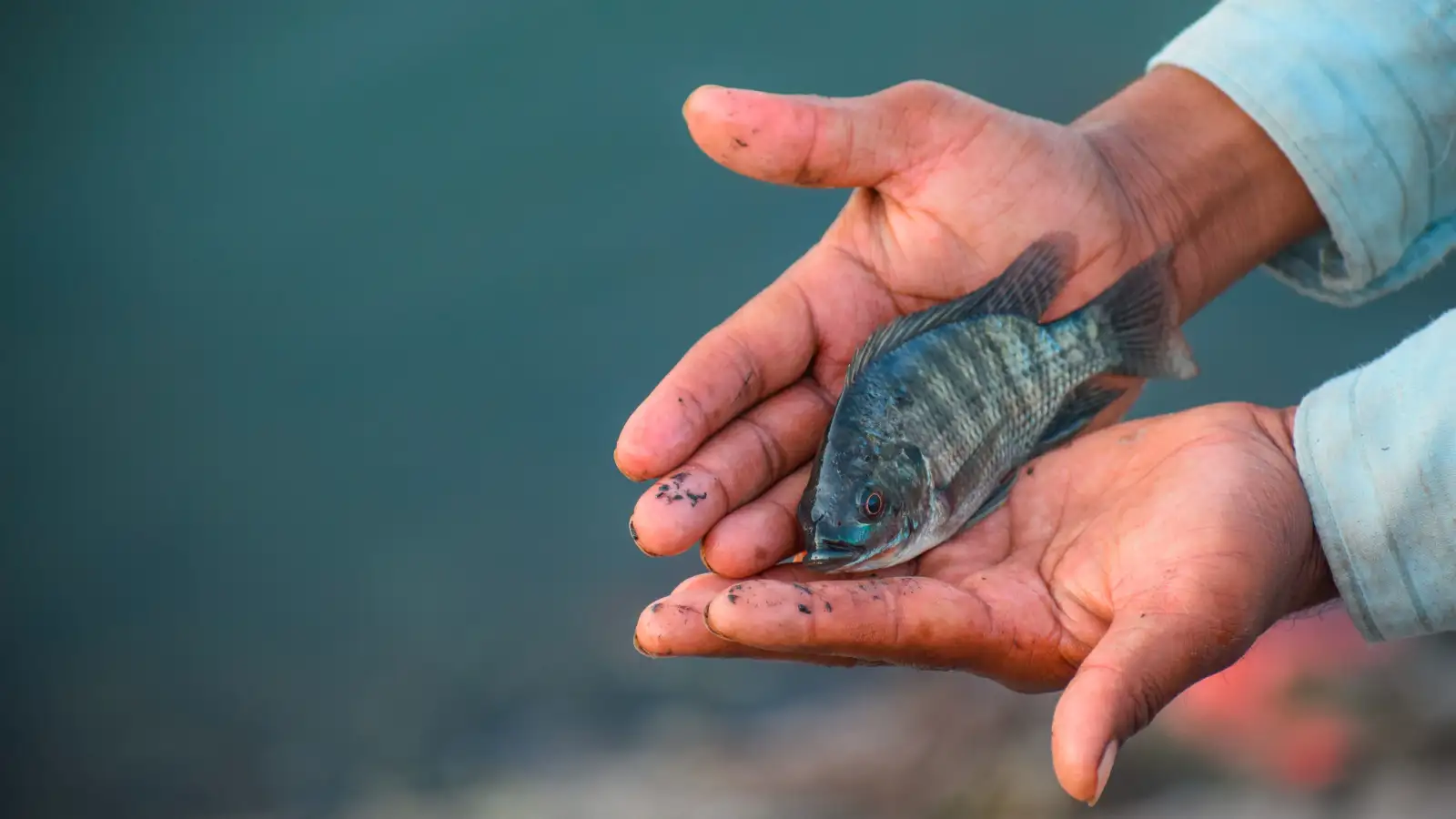
Wet your hands before they touch anything. Wet the net before the fish goes near it. If you're going to lay a fish on a deck or a rock, wet that first, or better, don't lay it down at all. Wet the measuring board, wet the cooler lid. This is a habit that costs you nothing and takes about two seconds.
Then the landing itself. Support the fish horizontally, one hand under the belly, weight spread from the pectoral fins back to the tail. A fish held that way can still breathe and still right itself. A fish hung vertically by the lower jaw is a different animal. The jaw and the structures behind it aren't built to carry the whole body's weight. On a small fish that's a minor thing. On a big one held up while you hunt for a camera, it isn't, and the fish may swim off looking fine and not be fine.
Here's the move that gets skipped: keep the net in the water while you get sorted. The fish can sit submerged in the mesh, head down in the flow, while you find the pliers and turn the camera on. Lifting the whole package out of the river is a choice, and it's one you don't actually have to make.
Air exposure is the variable you control most directly. Every second out of the water is a second the gills are collapsed and no oxygen is moving. Keep the fish in the water or just inches above it. If you want a photo, have the camera on and pointed before the fish comes out of the net.
Unhooking is a window, not a procedure
Have the pliers in your hand or on your hip before the fish is landed, not after. Long-handled pliers, forceps, whatever you carry, just have it out. The unhooking should take seconds.
And if the hook is deep, cut the line and leave it. A hook left in place does less damage than a hook you dig at. That goes against every instinct, because you want your gear back. Leave it. The fish's tissue will work it loose or wall it off; your probing won't.
Revival is where the landing decision shows up
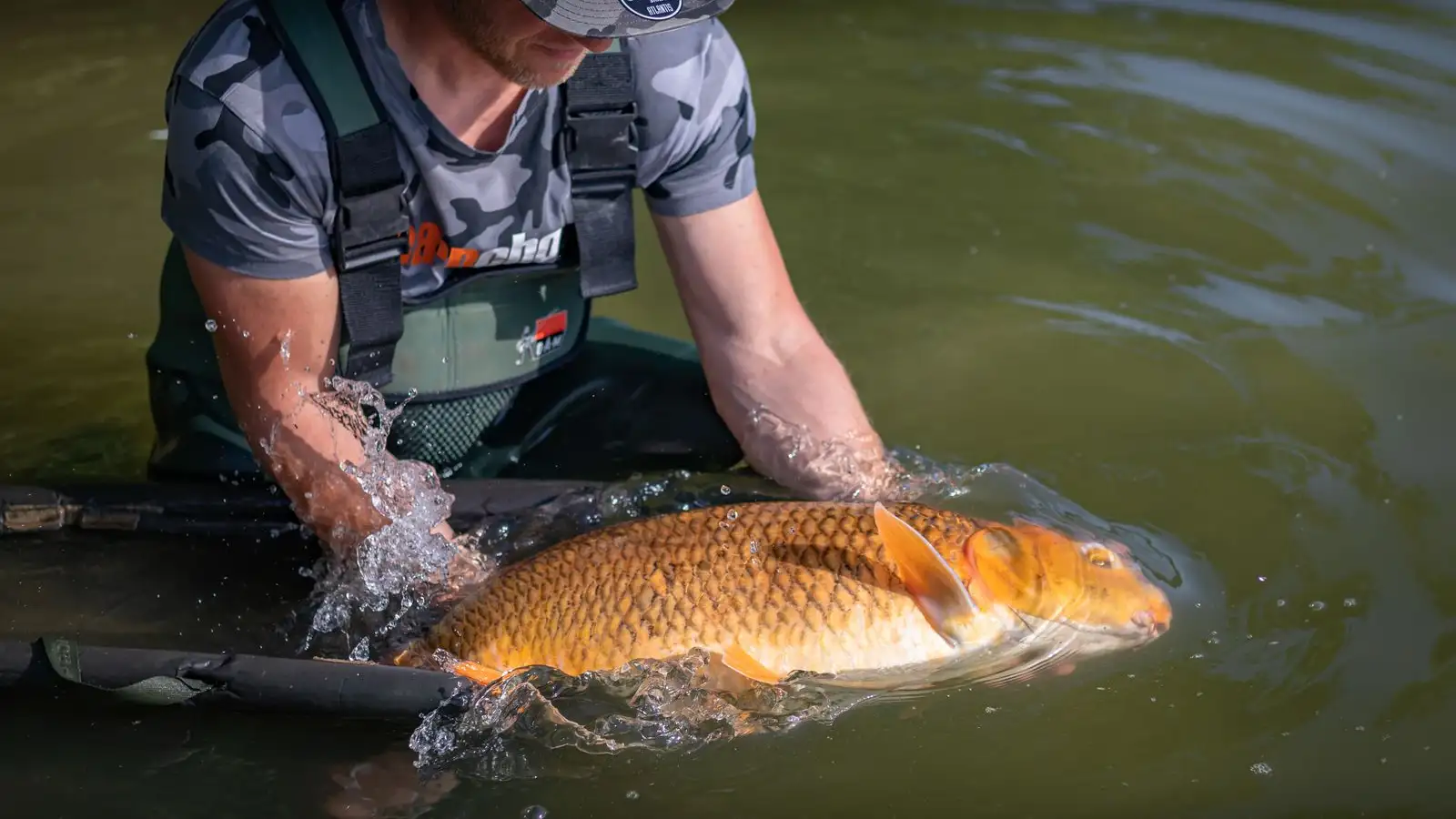
Now you find out what the earlier stages bought you. Hold the fish upright, head into gentle current, one hand under the belly. Into the current, not across it, so water moves over the gills. Let it lean on your hand.
If it can't hold position, it isn't ready. If it rolls, it isn't ready. When it starts pushing against your palm and can hold its own place in the flow without you, open your hands. It should swim off under its own power. If it drifts and rolls, gather it back up and keep going. There's no clock on this. Some fish take ten seconds, some take two minutes.
Still water is the hard case. In a pond or a lake there's no current to work with, so you're supporting the fish and hoping. Some anglers move a fish gently forward and back to push water over the gills; others argue that's more stress than help, and honestly I'm not certain either way. What I am sure of is that warm, still water holds less oxygen, which means the whole sequence in front of this moment had to be cleaner. On a hot afternoon, the same handling a fish shrugs off in April will kill it in August. The fish doesn't get a vote on the weather, but you do. You can choose not to target them when the water is at its worst, or to fish them differently when it is.
When the fish is going in the cooler
This is a fork in the road, and you take it before you cast, not after the fish is in your hand. A fish you intend to keep follows a completely different path from a fish you intend to release. Dispatch it immediately and decisively, bleed it, and get it on ice right away. Not in a bucket of lukewarm water, not on a stringer sitting in bathwater, not on the deck in the sun. Ice, now. The difference in what ends up on your plate is not subtle, and it starts with the same decision point as everything else: what are you going to do with this fish, and did you already decide?
What I keep coming back to is that the sequence is the whole point. Anglers who collect tips tend to make their decisions in the wrong order. They fuss over the revival, then forget they spent four minutes fighting the fish. The person who sees the chain makes different choices at the hookset, because they already know what the last link is going to look like.