Spinning and baitcasting reels are not better or worse than each other. They release line in two different ways, and each way is the right way for a particular cast: a spinning reel holds its spool fixed and lets line peel off the lip in coils, while a baitcasting reel spins the spool so the line comes off straight and fast. Every strength and every headache each design carries grows out of that single mechanical difference. Ask which reel fits the cast your water and lure are asking for, and the argument over which is better stops mattering.
I want you beside me on the bank before the fog burns off, because that's where this actually gets decided.
You've got a baitcaster in your hand because somebody told you that's what serious bass anglers use. There's a 3/16-ounce finesse jig tied on and a medium-heavy rod above it. You load up. The rod barely bends, so the cast is all arm, a hard snap, no stored energy. The lure leaves slow. The spool keeps spinning because it was already spinning. Ten feet out, the line is a nest under your thumb. You spend four minutes picking it out. The fish are still there. You aren't fishing.
Same bank, next rod over. Spinning reel, half-ounce lipless crankbait, wind in your face. The rod loads fine and the lure is heavy enough to fly, but the line peels off the lip, birds up in a bow, and one of those fat coils catches a guide. You feel the tick and watch the lure sail left. Sometimes the line snaps.
Neither reel failed you. The pairing did. That's the whole subject: not quality, fit.
Spool Orientation Is the Whole Argument
A fixed spool has nothing to overrun
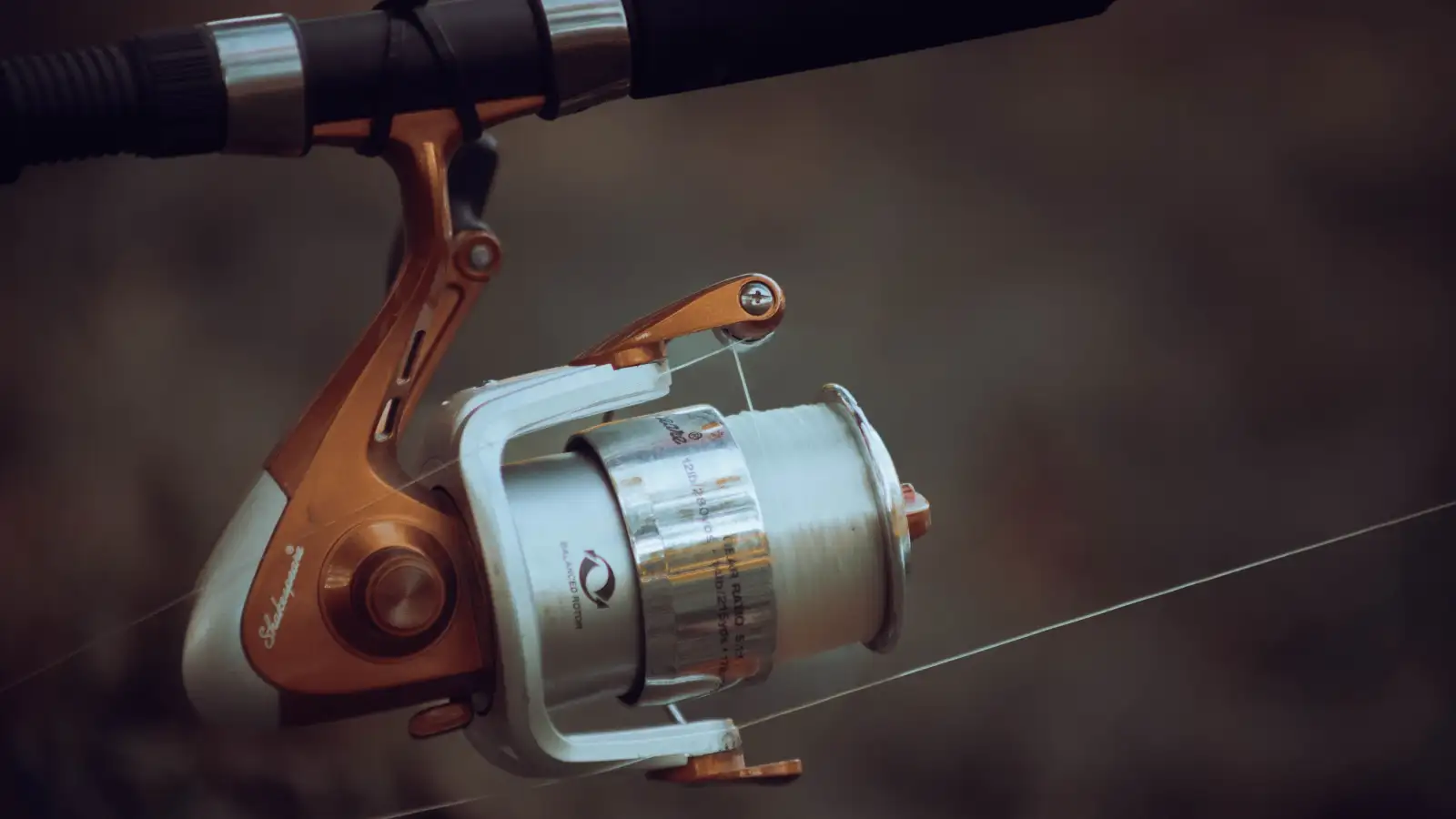
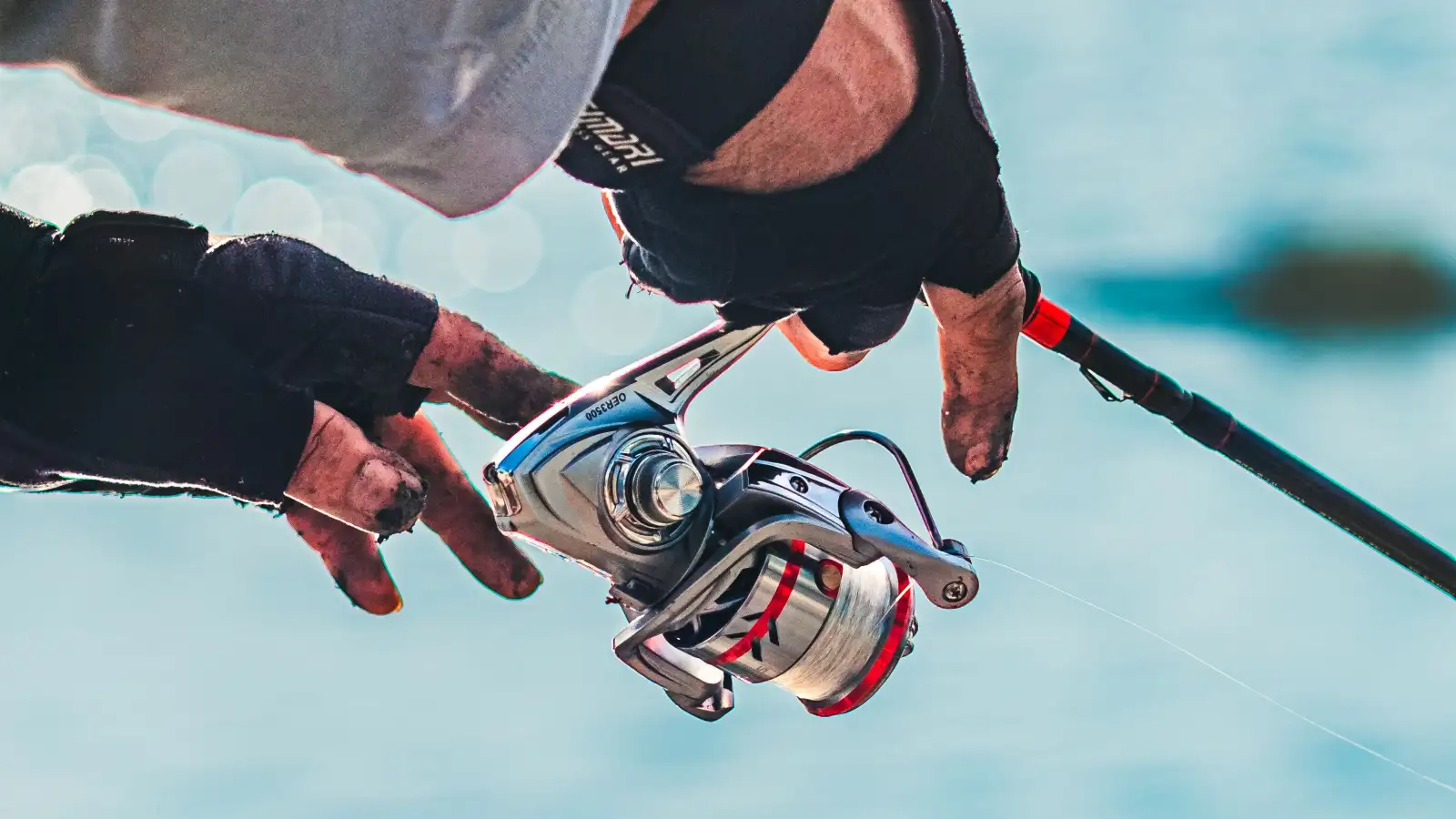
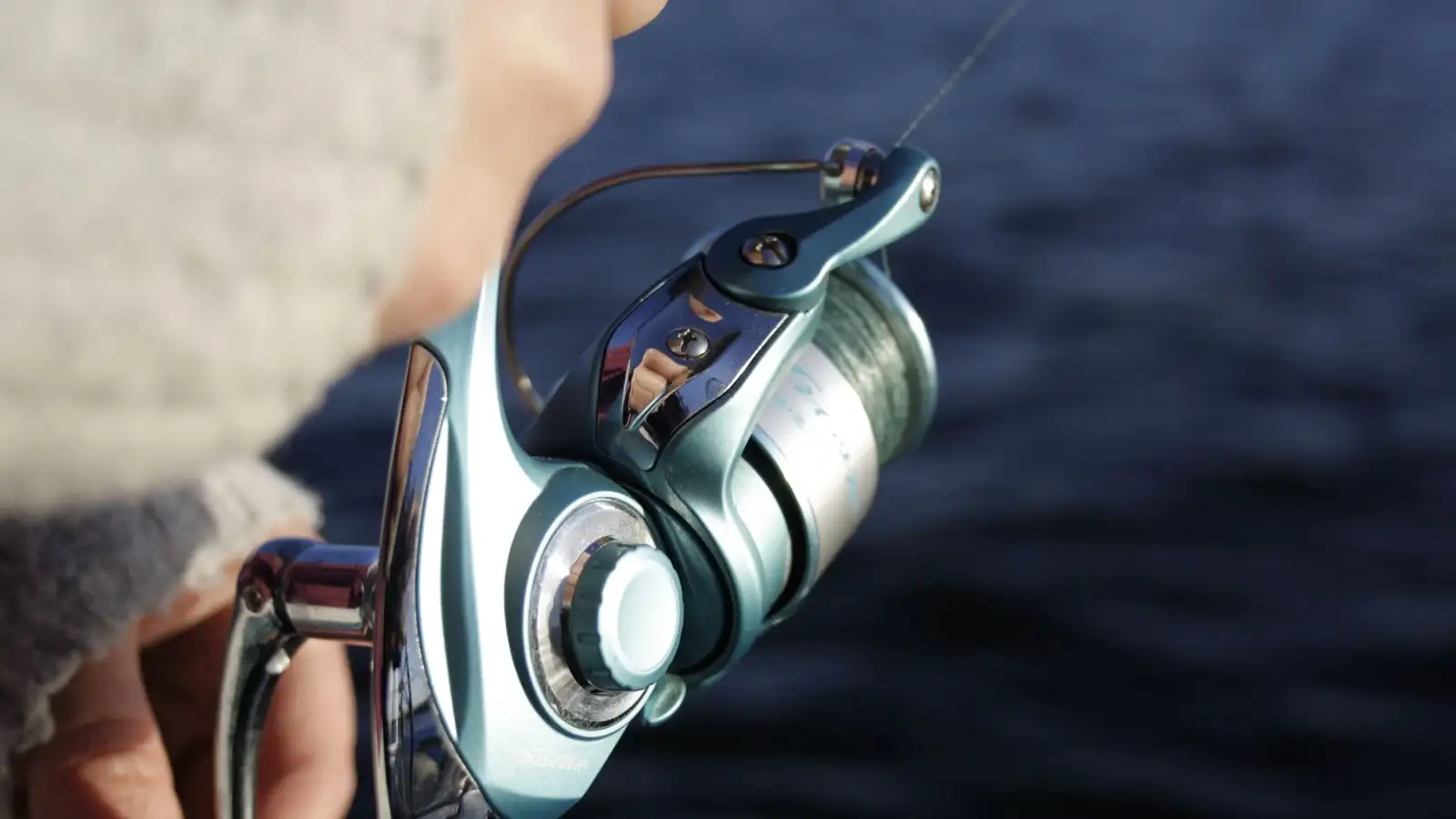
On a spinning reel, the spool does not move during the cast. Line is dragged off the lip and over the edge, one coil at a time, and the rod guides straighten most of those coils on the way out. Because nothing is spinning, nothing can overrun. A quarter-ounce lure casts cleanly, and a lot of the reason is that the lure isn't being asked to keep up with anything. It only has to pull line off a stationary spool.
That's why finesse fishing lives on spinning gear, and it's why a spinning reel is forgiving of a rod that's slightly too heavy for the bait.
The cost is the coils themselves. Line leaving in loops is line that can twist, and twist is silent. Crank a fish in against a slipping drag, or reel a bait through heavy current with the line under load, and you're pumping twist into the spool one turn at a time. It doesn't show up then. It shows up a few casts later when the line relaxes and a wind knot comes off the spool, or when a coil loops around a guide during the one cast that mattered.
A revolving spool has to be paced
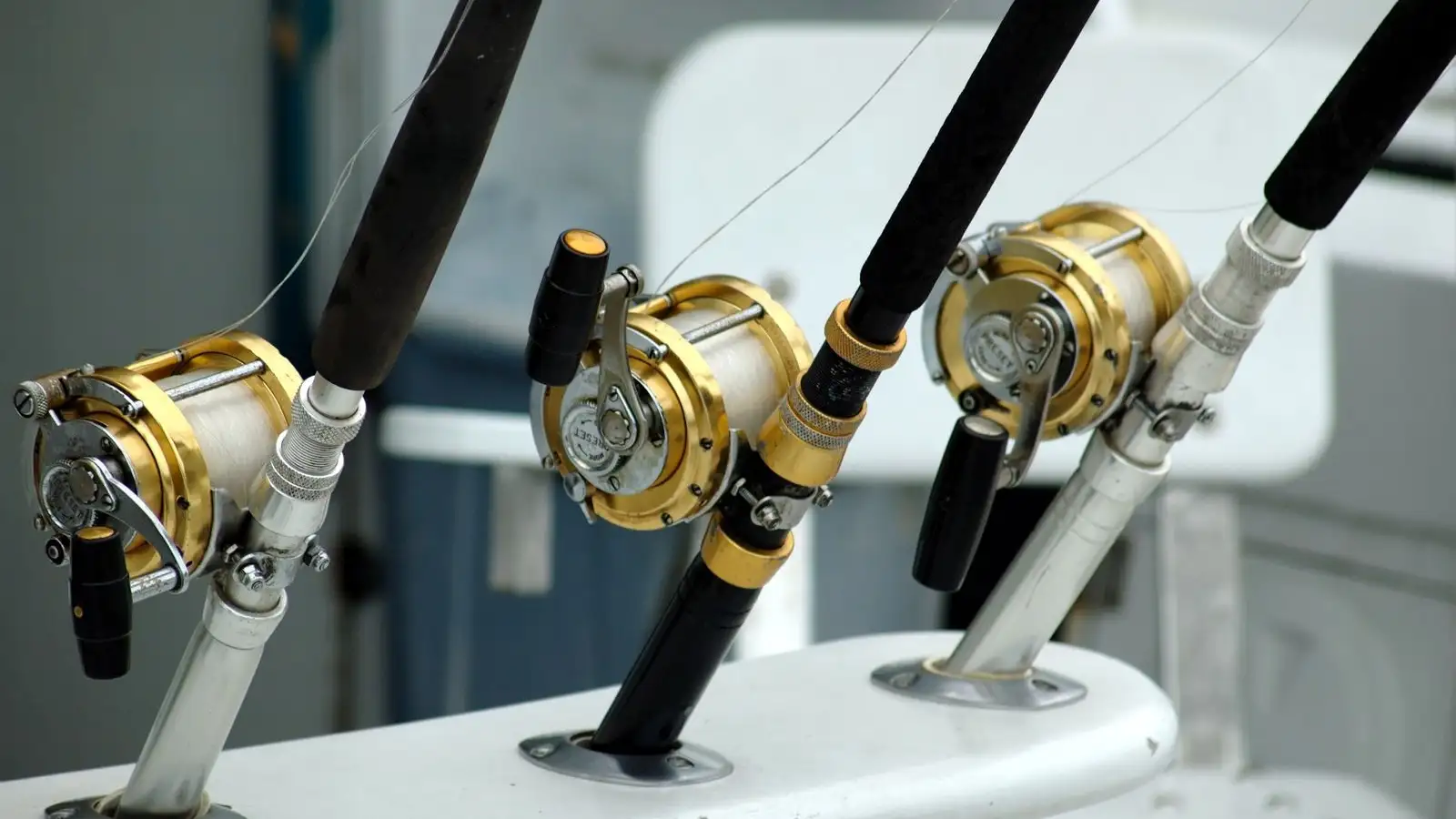
On a baitcaster, the spool turns to let line go. That spool has mass. It has momentum. If the lure slows down — a gust, a splashdown, a thumb that grabbed too soon or not soon enough — and the spool doesn't slow with it, line piles up inside the spool and you have a backlash. Modern reels fight that with centrifugal or magnetic brakes, and you fight it with your thumb. The heavier and faster the lure, the easier that job gets, because a heavy lure pulls line fast enough to keep the spool honest.
There's usually a tension knob too, set so that when you press the thumb bar, the lure drops slowly and stops when it hits the ground. Every time you change lure weight, that setting is wrong until you reset it. Most backlashes I've seen on other people's rods started with a lure change and an unchanged knob.
What you buy with all that management is control. Your thumb owns the line. You can stop a lure in the air over a dock piling, slow the spool down for a cast into wind, or feather the last ten feet so a jig enters the water with a whisper instead of a slap. You can also palm the spool during a fight and feel the fish through your hand.
The Rod Has a Vote
You can't swap reels without the rod having a say. A rod loads — bends — under two things: the weight of the lure and how hard you accelerate it. If the rod's power matches the lure, the blank bends through the cast and gives that energy back. If the rod is too heavy for the lure, it doesn't bend at all. No reel fixes that, and no reel choice is separate from it.
This bites harder on a baitcaster, because a rod that won't load produces a jerky, snappy cast, and a jerky cast with a revolving spool is a backlash waiting to happen. A spinning reel is more tolerant of the same dead rod. You just lose distance.
A Framework You Can Use Standing on the Bank
Three questions, in this order.
What does the lure actually weigh?
Under about a quarter ounce, take the spinning rod. Not because baitcasters are inferior, but because keeping a revolving spool paced to a lure that light, especially into any wind, is a fight you don't need. From roughly three-eighths of an ounce upward, both reels can do the job, and the other two questions decide.
Weigh it honestly. A Texas rig weighs more than the bullet weight printed on the package, because the hook, the plastic, and any bead or stopper all count. People under-guess this constantly and then wonder why the reel behaves like it's throwing something lighter.
What cast are you making?
- Pitching and flipping a jig into cover, or dropping a bait tight to a dock: baitcaster. Your thumb stops the lure where you want it, and you can do it one-handed all afternoon.
- Rolling a light jig down a current seam, or flicking a small bait across a trout stream: spinning.
- Bombing a heavy crankbait across a windblown flat: baitcaster.
- Casting a weightless soft plastic or a drop shot: spinning.
- Skipping a lure under a dock or a low limb: baitcaster, if your thumb is trained. Spinning, if it isn't yet — and there's no shame in that.
Which mistake would you rather manage?
A backlash is immediate. It happens in front of you, it costs you minutes, and if it buries to the arbor it costs you more. Line twist is cumulative. It builds quietly and ambushes you on a cast later, often during a good bite. Neither cost is worse than the other, but they're different kinds of cost, and the reel you pick is also the failure mode you're signing up for.
Line Type Changes the Math
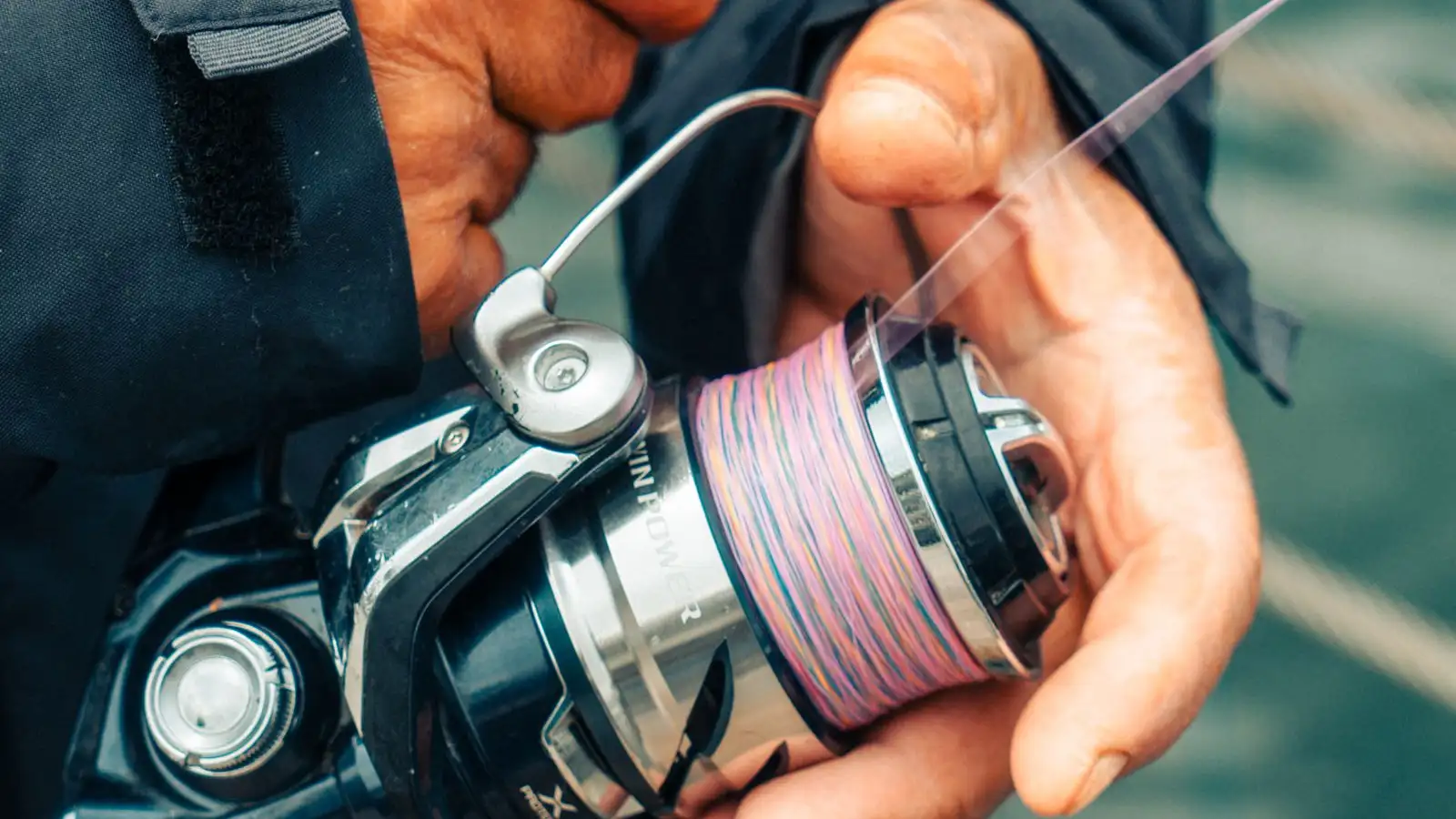
Braid behaves differently on each spool. On a baitcaster, braid is thin and slick and can dig into itself on the spool under heavy tension, so a backlash can bury deep and take real work to clear. Keeping tension reasonable when you spool up and when you fight fish reduces that. On a spinning reel, braid is generally well behaved because it doesn't hold memory, but slack line laid onto the spool during a slow retrieve can wind-knot. That's mostly a matter of keeping a little tension on the line as it goes on.
Monofilament and fluorocarbon are the opposite story. Their memory is what makes them feel bad on a spinning spool — coils that jump off the lip, worse in cold weather. On a baitcaster, that stiffness is often an asset, since it doesn't dig the way braid does. And on any spinning reel, don't fill to the edge. Leave about an eighth of an inch of lip showing. An overfilled spool throws loops no matter how good the reel is.
Learning Both, in the Right Order
Start with a spinning reel. Not because it's the beginner's reel, but because everything you learn on it carries over. Loading the rod. Feeling what a lure is doing on the retrieve. Thumbing line off the spool to control a cast. Then pick up a baitcaster with a lure that's genuinely in the rod's weight range — half an ounce or more — turn the brakes up, and spend the first hour making short, boring casts with your thumb hovering over the spool. You're not trying to reach the far bank. You're teaching your thumb to slow the spool before the lure lands, every single time.
The skill of a baitcaster is not distance. Distance is what you get once the thumb works.
The Question to Carry to the Water
Stop asking which reel is better. Ask what cast you're making. How heavy is the lure, how hard is the wind, how tight is the target, how much thumb do you have today.
I keep both on the deck. A spinning rod rigged with something light and finesse for spooky fish and long, easy casts, and a baitcaster set up to place a jig exactly where I want it in cover. Which one I pick up first has nothing to do with which one is superior. It has to do with what the water in front of me is asking for.