How Braid to Fluorocarbon Changes a Rig's Feel
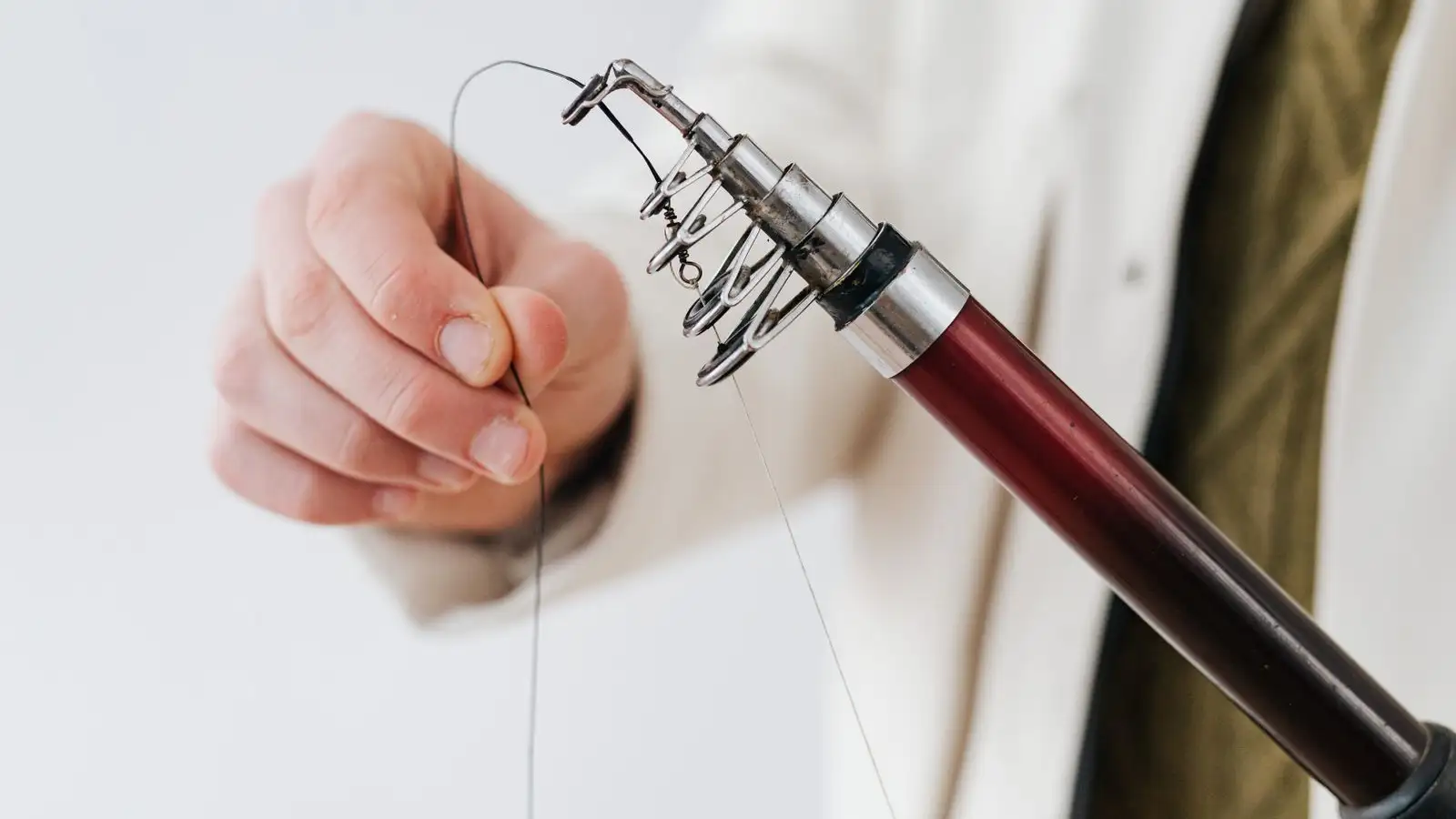
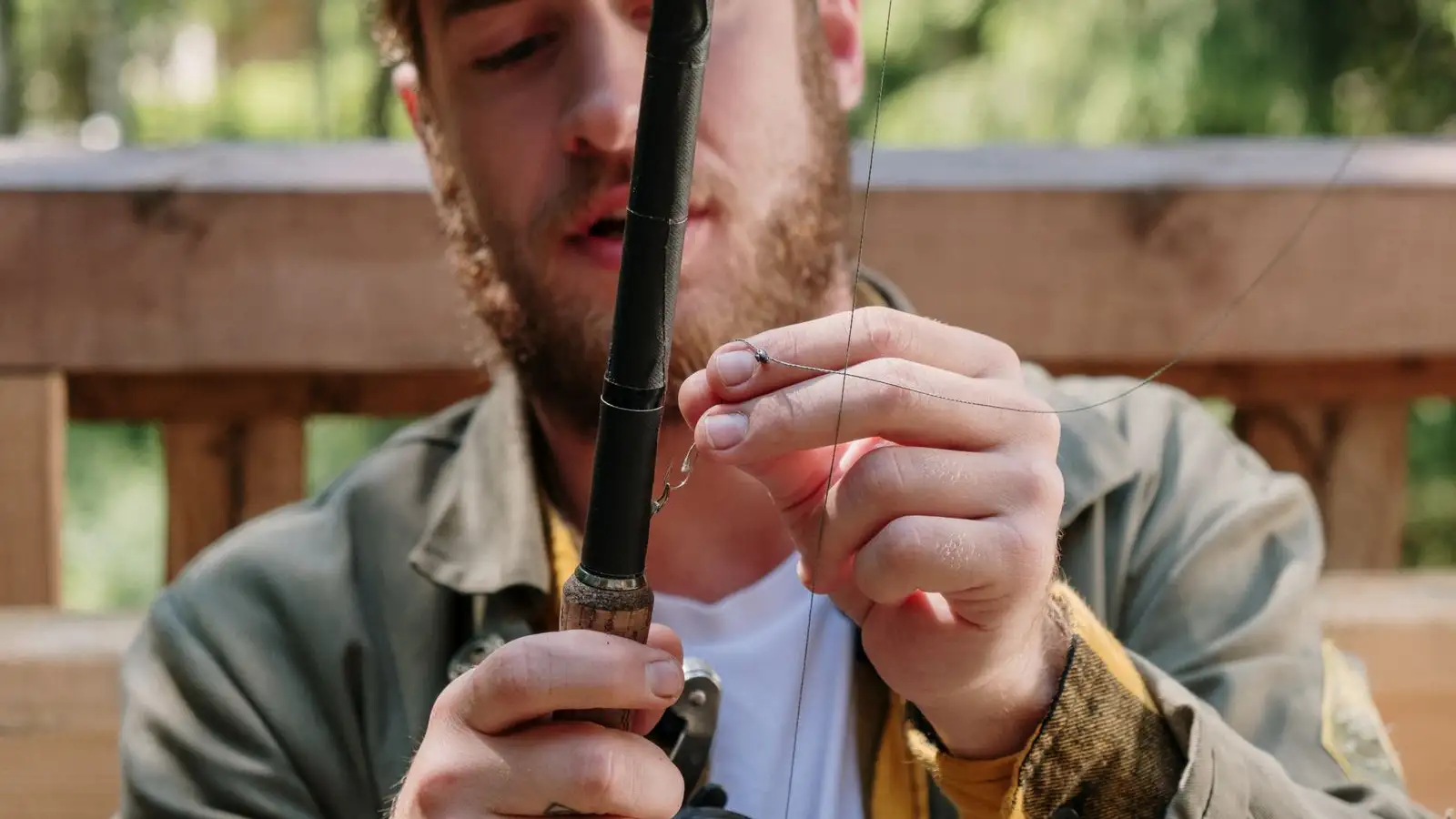
Braid to fluorocarbon doesn't just add a leader. The junction you choose — swivel or direct tie — sets your rig's stretch, sink rate, twist, and break point.
Braid to fluorocarbon doesn't just add a leader. The junction you choose — swivel or direct tie — sets your rig's stretch, sink rate, twist, and break point.
Spinning and baitcasting reels load and release the rod differently. Here is the body mechanics behind the backlash, and how to rebuild each motion.
The cold chain decides how your fish eats. Ice it, drain the melt, and hold 32-40°F from the water to the pan—no seasoning can fix a fish that went warm.
Line and lure ratings are working ranges, not hard limits. Test any lure by feel before you lose casting distance, accuracy, or a rod tip on the water.
A nest has one parent, and lifting him off it starts a countdown. Here's the biology of spawn-season nest loss and the handling choices that follow.
Stretching and warm water can rescue a coiled line, but only if it's still sound. Here's how to tell memory from twist and when to strip the spool.
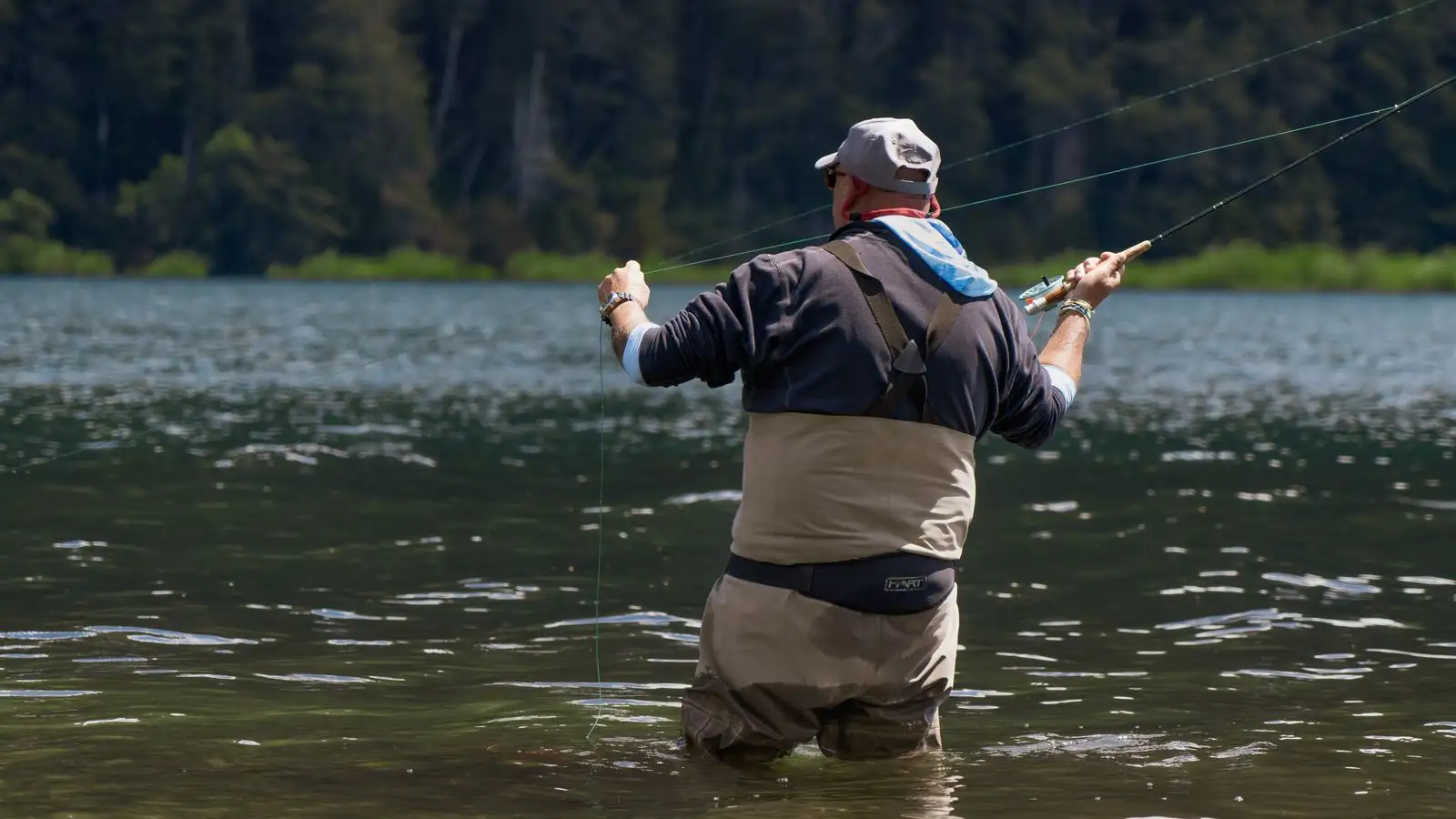
Moving water rewrites rigging rules. Learn how wading anglers match weight to current speed and depth, tune lead length, and keep bottom contact.
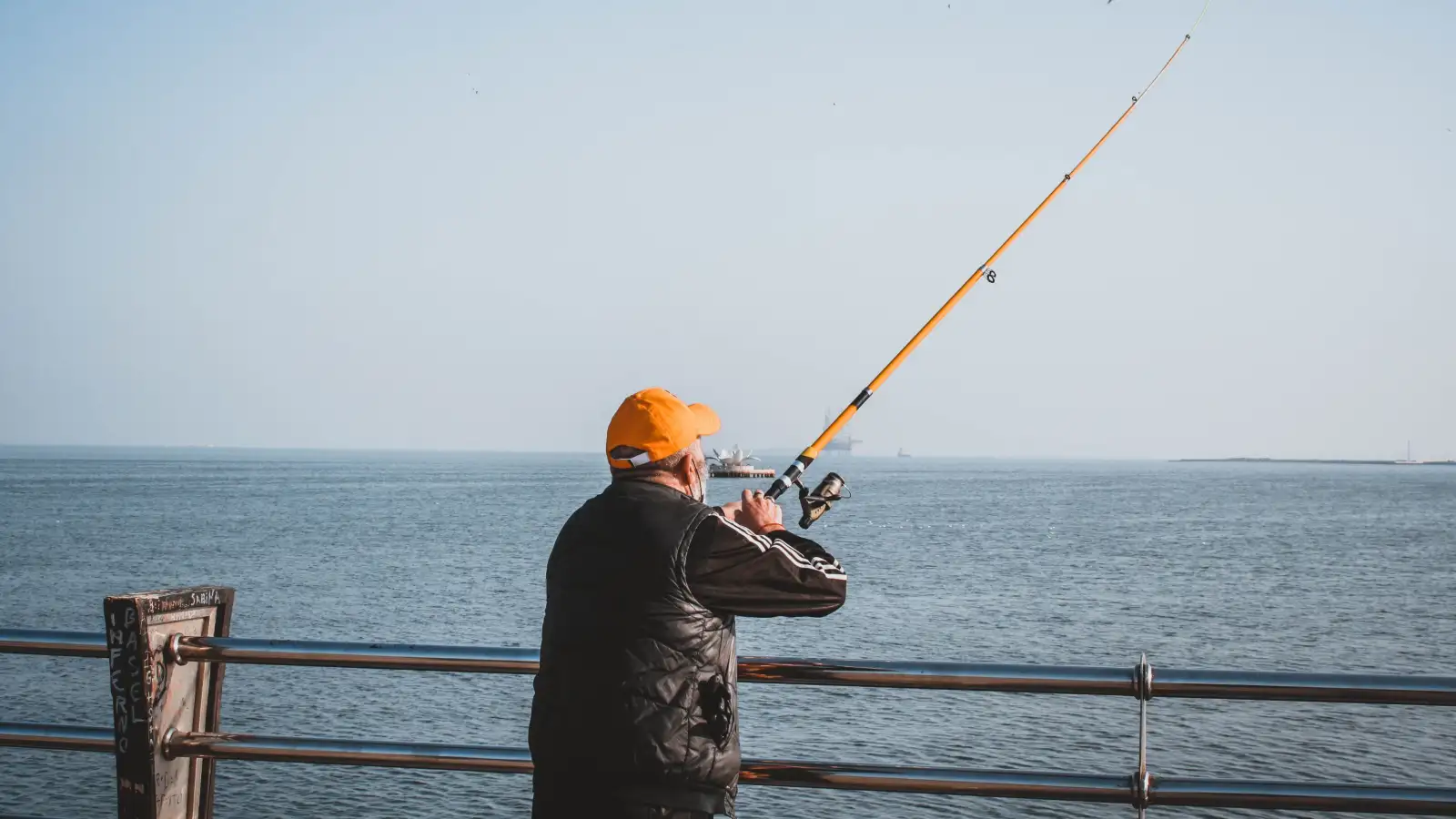
Learn to cast from a pier as a controlled drop into a chosen lane: pendulum and underhand swings that keep bait under the rail and away from neighbors.
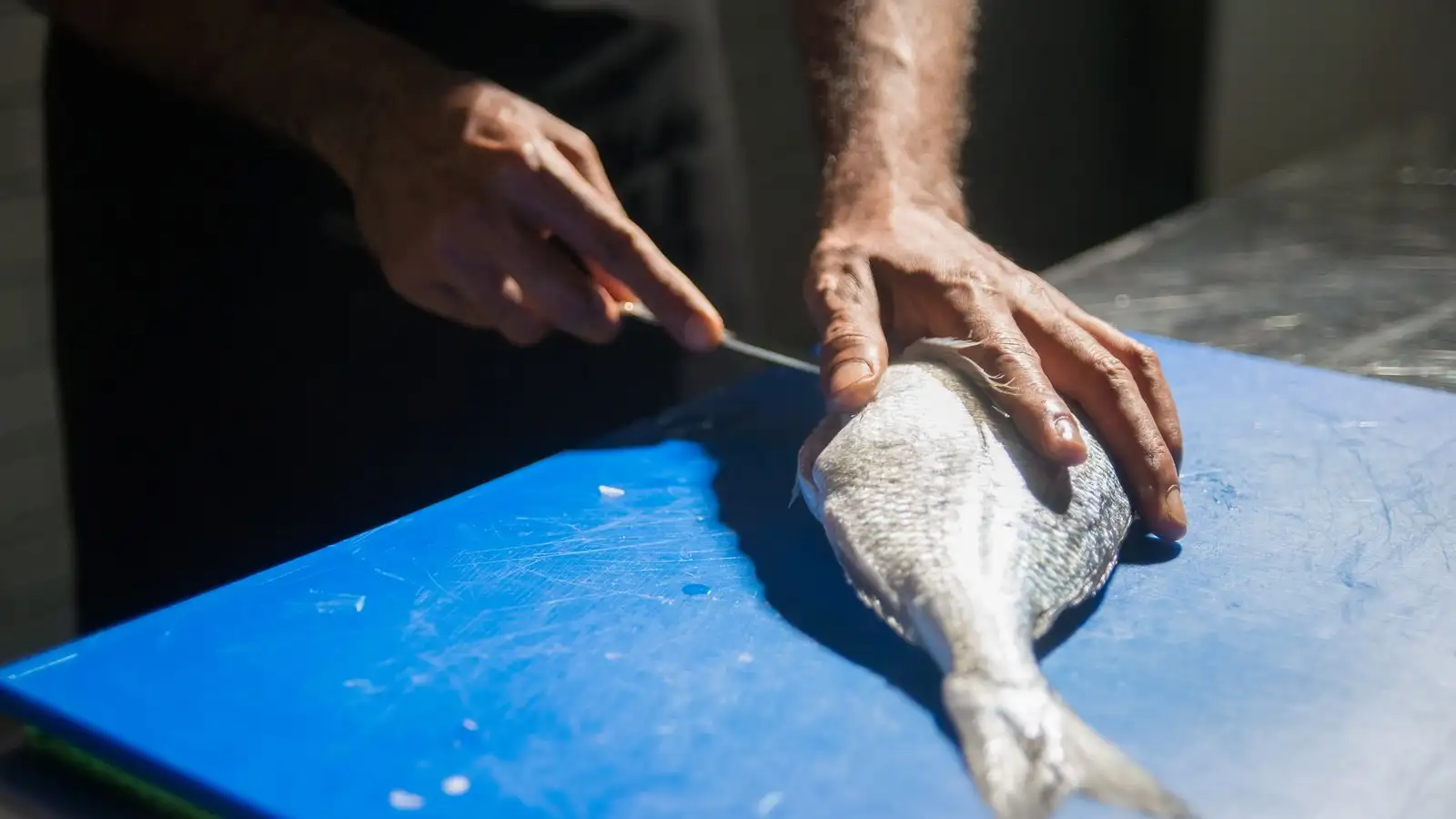
Follow the rib cage, take each fillet off whole, and pull pin bones clean. A practical guide to the geometry of round fish, flatfish, and skinning.
Rod action, drag smoothness, and line stretch work as one spring system on topwater treble hooks. Here's how to tune the gear you already own.