The 40-Degree Rule for Keeping a Field-Dressed Fish Cold
The clock starts when the fish is dispatched. Chill a field-dressed fish fast and keep it cold in a drained cooler through a long, warm drive home.
Field dressing, filleting methods, and recipes for preparing common sportfish species.
The clock starts when the fish is dispatched. Chill a field-dressed fish fast and keep it cold in a drained cooler through a long, warm drive home.
Trim the blood line, skin, and dark fat, soak briefly in milk or saltwater, then cook hot with smoke and garlic to turn oily, muddy fish into dinner.
Whole fish, skin-on fillets, and skinless fillets each need a different cooking method. Here's how to match heat to cut and stop drying out fish.
How to turn fish frames, heads, and trim into a second meal: gentle 30-minute stock, picked meat, and pan-fried fish cakes or croquettes from one catch.
Dispatch, bleed, and chill in the first ten minutes is what decides how a kept fish tastes. Here's the timed sequence, and why the order matters.
The cold chain decides how your fish eats. Ice it, drain the melt, and hold 32-40°F from the water to the pan—no seasoning can fix a fish that went warm.
Follow the rib cage, take each fillet off whole, and pull pin bones clean. A practical guide to the geometry of round fish, flatfish, and skinning.
Bleed your catch in the current, ice it fast, dress it before rigor, and cook it to 145 degrees. One continuous chain from wading boots to the plate.
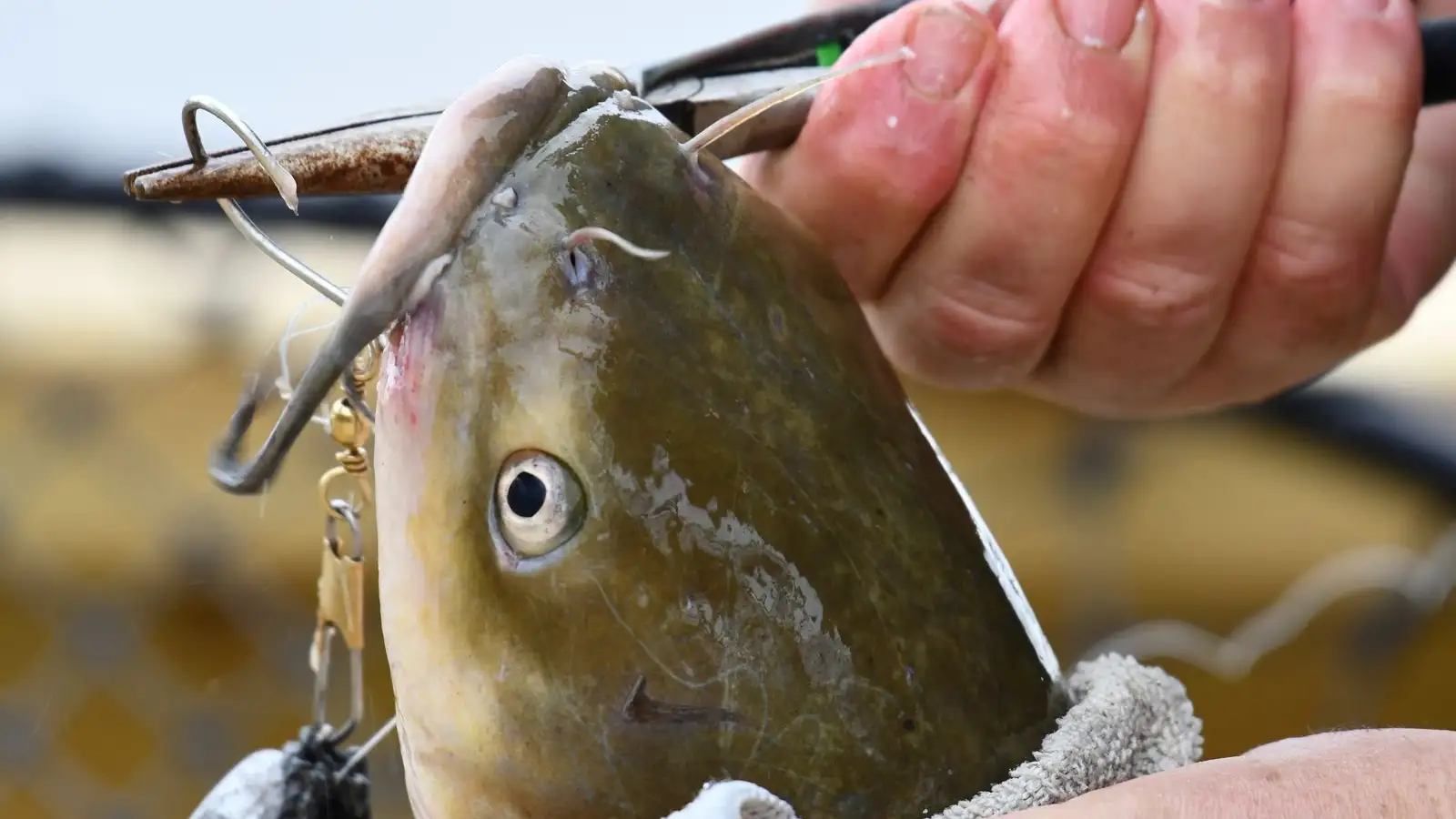
Scale round fish tail to head, skin flatfish instead of scraping, and pull catfish hide with pliers—plus gutting and rinsing so the flesh stays clean.
Bleeding and gutting a fish on the bank in the first five minutes is what keeps the flesh clean, the texture firm, and the off flavors out. Here's how.