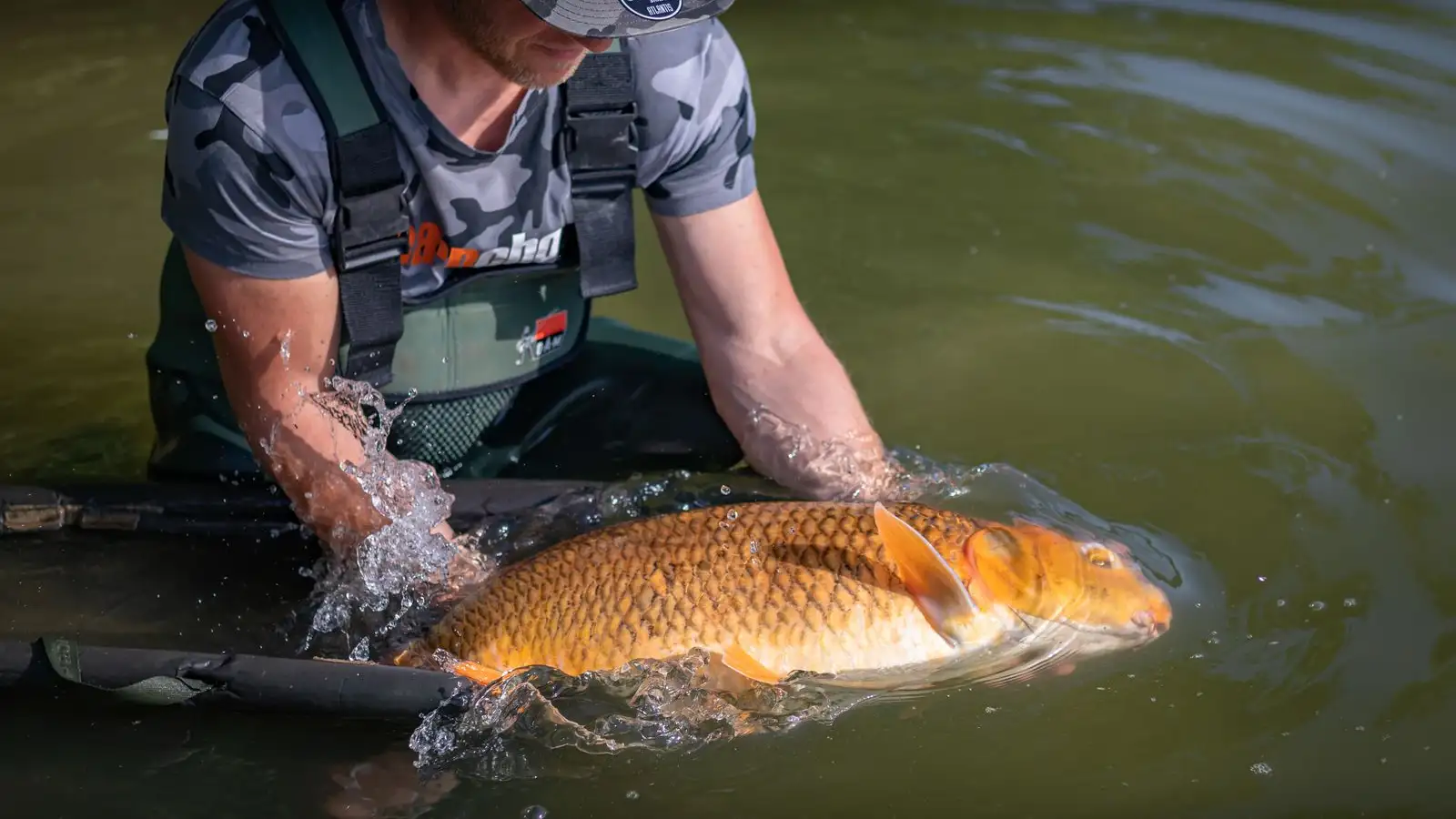
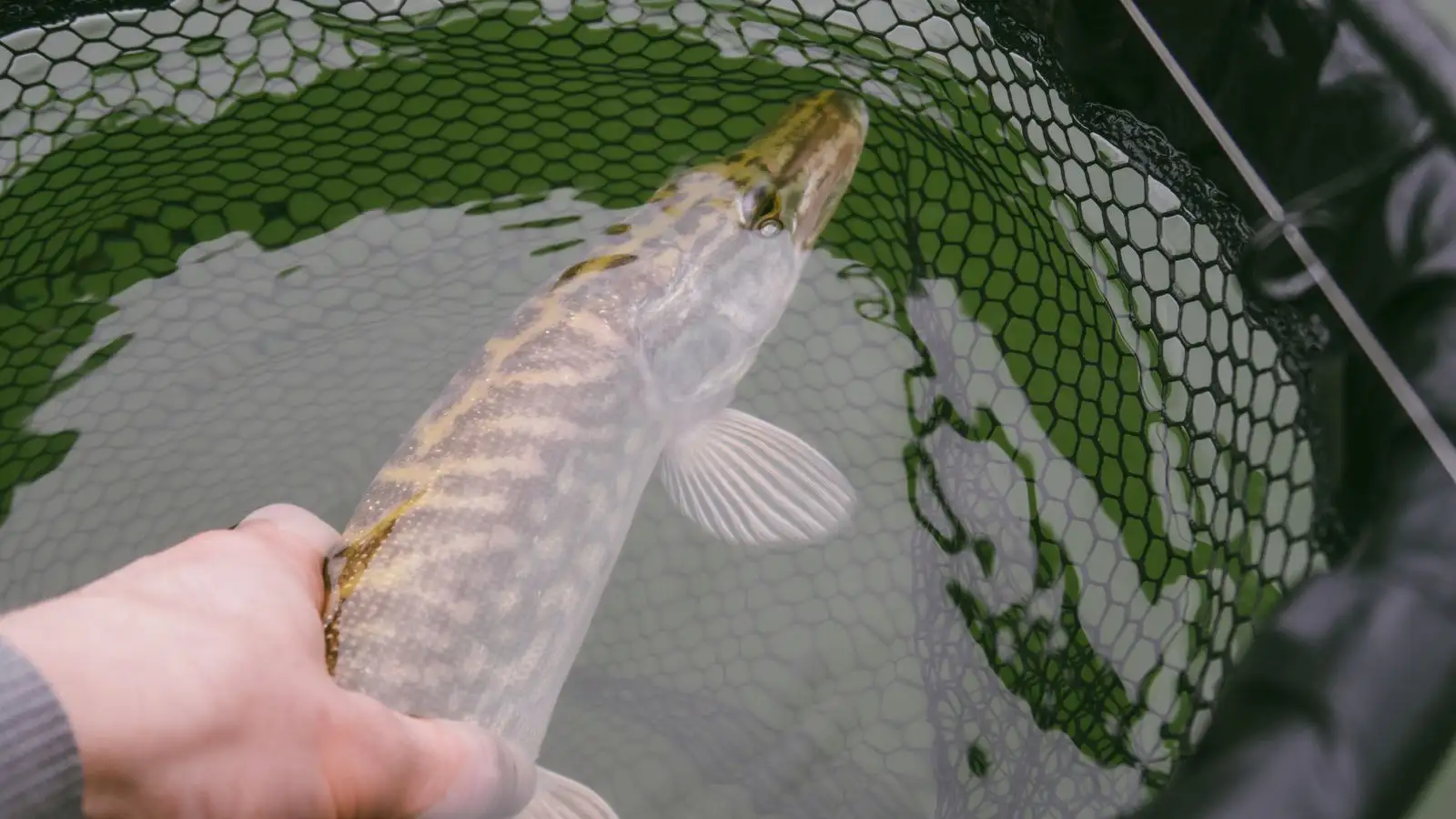
The single biggest factor in whether a released fish swims away is how long you fought it. Fight duration is the one variable an angler controls almost completely — more than water temperature, more than hook placement, more than anything that happens at the net — and it sets the ceiling on everything that comes after. A short fight makes revival a formality. A long fight turns a release into a rescue, and no amount of gentle handling afterward pays that back.
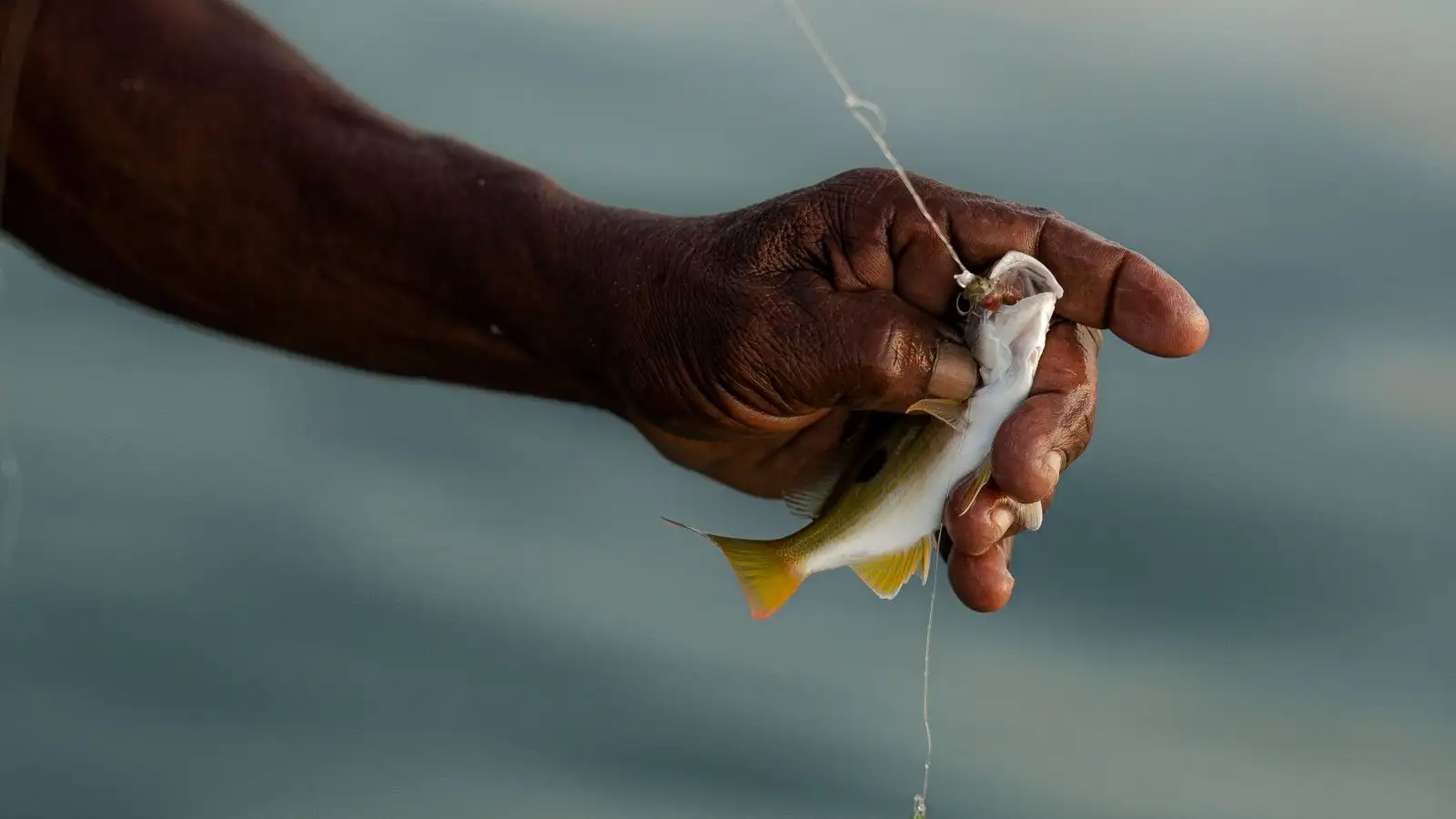
I've stood thigh-deep in a tailwater run with a fish that was already beaten before I got a hand near it. Twenty minutes earlier I'd hooked a good rainbow on 6X and told myself I was being careful. It circled the same submerged rock four times, and every time it went, I let it go, because that's what protecting light tippet looks like from the outside. When it finally slid into the net it didn't thrash. It lay on its side, gill plates opening slow and wide, and when I turned it upright and opened my hands it rolled back over. Twice. I held it there with my fingers under its belly for another four minutes, feeling the current work through its gills, watching it drift a foot downstream and tip sideways again. The whole time I knew the problem wasn't the net, wasn't the water, wasn't the hook. It was the twenty minutes.
What twenty minutes buys you
A fish is a burst athlete. Its white muscle is built for seconds of hard work, not minutes, and the fuel it spends in that burst does not come back until well after the fight is over. Keep a fish working and it piles up an oxygen debt it can't clear while it's still on the line. That's what you're actually doing when you play a fish. You're spending a currency it can't earn back in real time.
Push it far enough and the fish reaches the point where it can't hold itself upright. Not tired. Incapacitated. That's the moment most people mistake for a bad net job or cold hands or a fish that just needs a minute. It isn't. It's a bill, and the fight ran it up.
Here's the part that took me much longer to see. A light-tippet fight isn't only longer. It's a fight where the fish gets to rest. Every time it runs and I can't pressure it back, it stops working, finds slack, and settles into a deep pocket with the line hanging off its jaw. It recovers a little. Then it runs again. I wasn't wearing it down. I was running intervals with it while I got more and more nervous.
Pressure is not force
What lands fish fast is steady, sustained pressure — not heavy tippet, not a locked-down drag, not muscling. Steady pressure means the rod stays bent and the fish is constantly working against it. Get the head turned, keep it turned, don't let the fish pick a direction and settle into it. Low rod angles, side pressure instead of straight up over your head, and the fish stays off balance and swimming. That's what actually fatigues it.
Horsing is a different thing entirely. Horsing is shock loading: a high rod angle, a locked spool, a hard set on a fish that suddenly surges. That's what pops tippet and tears hooks. Steady pressure and horsing can look similar from the bank and they are nothing alike on the water.
So when you tie on 6X in clear water because that's what gets eats, you have made a decision to fight longer. Sometimes that's the right call. What I've learned is to make it out loud, in my own head, and then fish like I meant it — move the fish out of the deep stuff early, don't let it find the same rock twice, and don't stand there admiring the bend. If you're not going to pressure it, you have to land it somewhere shallow and quick, because a long fight plus a sloppy landing is the combination that kills fish.
Keep the fish out of the air
Wet the net before you need it, not while the fish is thrashing next to the boat. A knotless rubber or rubber-coated bag tangles less, strips less slime, and lets a barbless hook drop free instead of snagging in the mesh while you dig at it. Coarse nylon mesh is the wrong tool for something you intend to let go.
Lead the fish over the bag headfirst and lift. Don't scoop at it.
The best landing I know is the shallow one. Find the tail-out, the flat over gravel, six inches of water, and kneel down. Bring the fish in and keep the net in the water. Unhook it right there, in the net, still submerged. Forceps on a lanyard, barbless hook, a couple of seconds of work, and the fish never leaves the water at all. If you want a photo, lift it for that photo and then put it back — count the seconds, because the fish is.
What you don't do is let it flop. A fish beating itself on an aluminum deck or on dry gravel sheds slime with every contact, and slime is its first defense against everything that comes next. That fish is losing ground it can't get back, and it's losing it in a fight it already lost once.
When the fish goes sideways
Hold it head into the current and let the water do the work. Mouth open, gills moving, your hands just keeping it upright. Don't pump it forward and backward — that old habit moves water across the gills the wrong way and it doesn't help. Wait for the kick.
A fish that shoves out of your hands and holds its position in the current is done. A fish that drifts and rolls over isn't, and you keep holding it. That part is straightforward.
The harder read is the one I described at the start: you've been at it for minutes and it's still going over. At that point the honest answer is that the fish is in trouble, and the thing to change next time is not your revival technique. It's your fight time. Standing in the water cradling a fish you exhausted is not a skill you want to get good at.
When you can't land it fast
Sometimes you can't, and pretending otherwise is how people break rods and lose fish. A big fish in heavy current, cold water that keeps it strong, a snag line it knows better than you do, a hook in the corner of the jaw on 6X — some fights take as long as they take.
What's still yours to decide: how heavy a tippet you're willing to fish, whether you move to reposition a fish that's using structure against you, whether you're barbless, whether you carry a net at all or plan to beach the fish in the shallows. Water temperature matters too. Warm water holds less oxygen and fish stress harder in it, so a drawn-out fight in midsummer heat is a much worse bet than the same fight in October. I'll put more pressure on a fish in cool, oxygen-rich water than I ever will in a warm one.
And some fish simply have more muscle to spend than others. A big fish has more to burn and takes longer to burn it. That's not a failure of technique, it's arithmetic.
I still tie on light tippet sometimes. I just don't tell myself I'm being careful while I do it. The careful thing is to end the fight fast and leave the fish with enough left to swim off on its own.