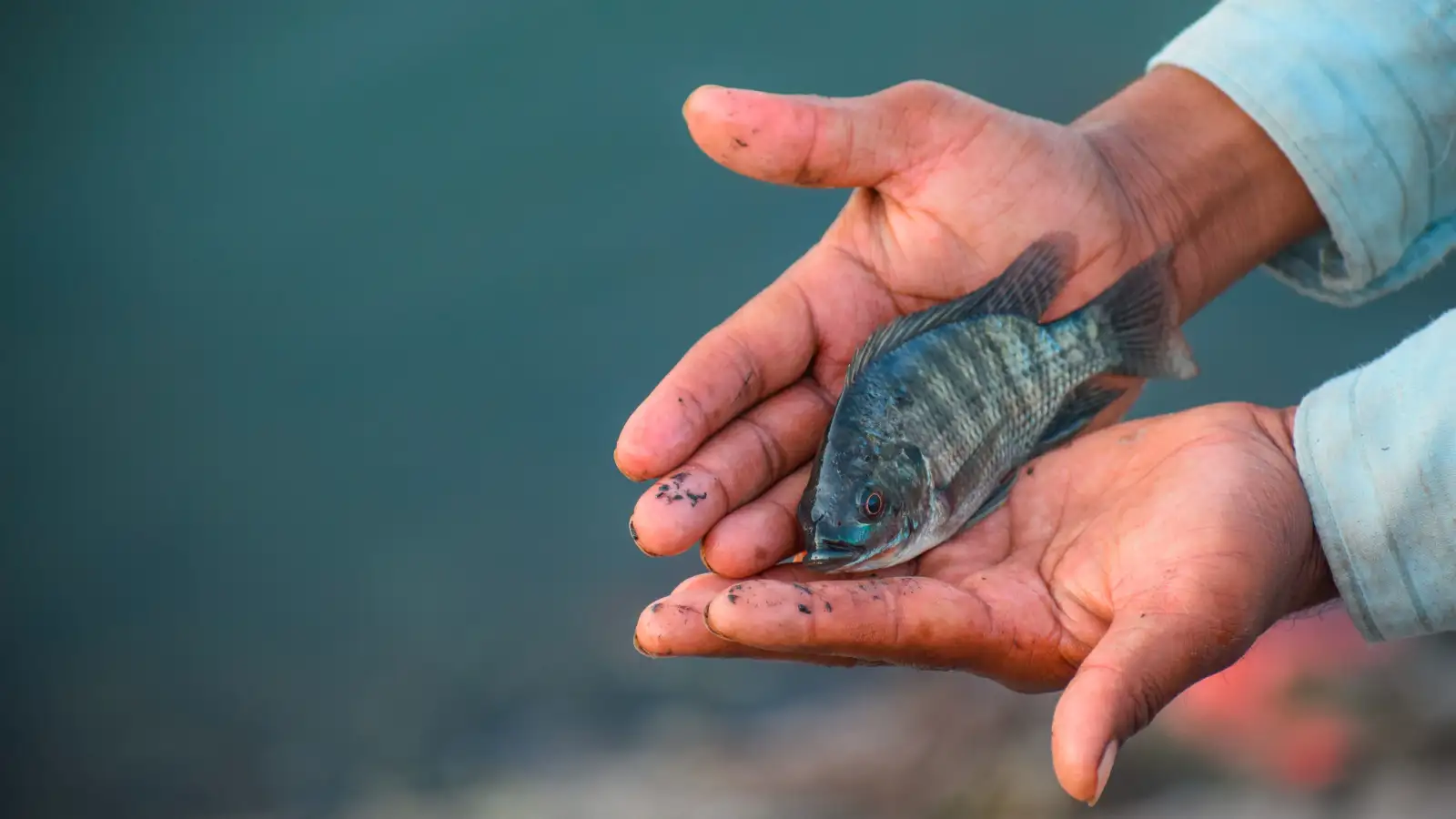
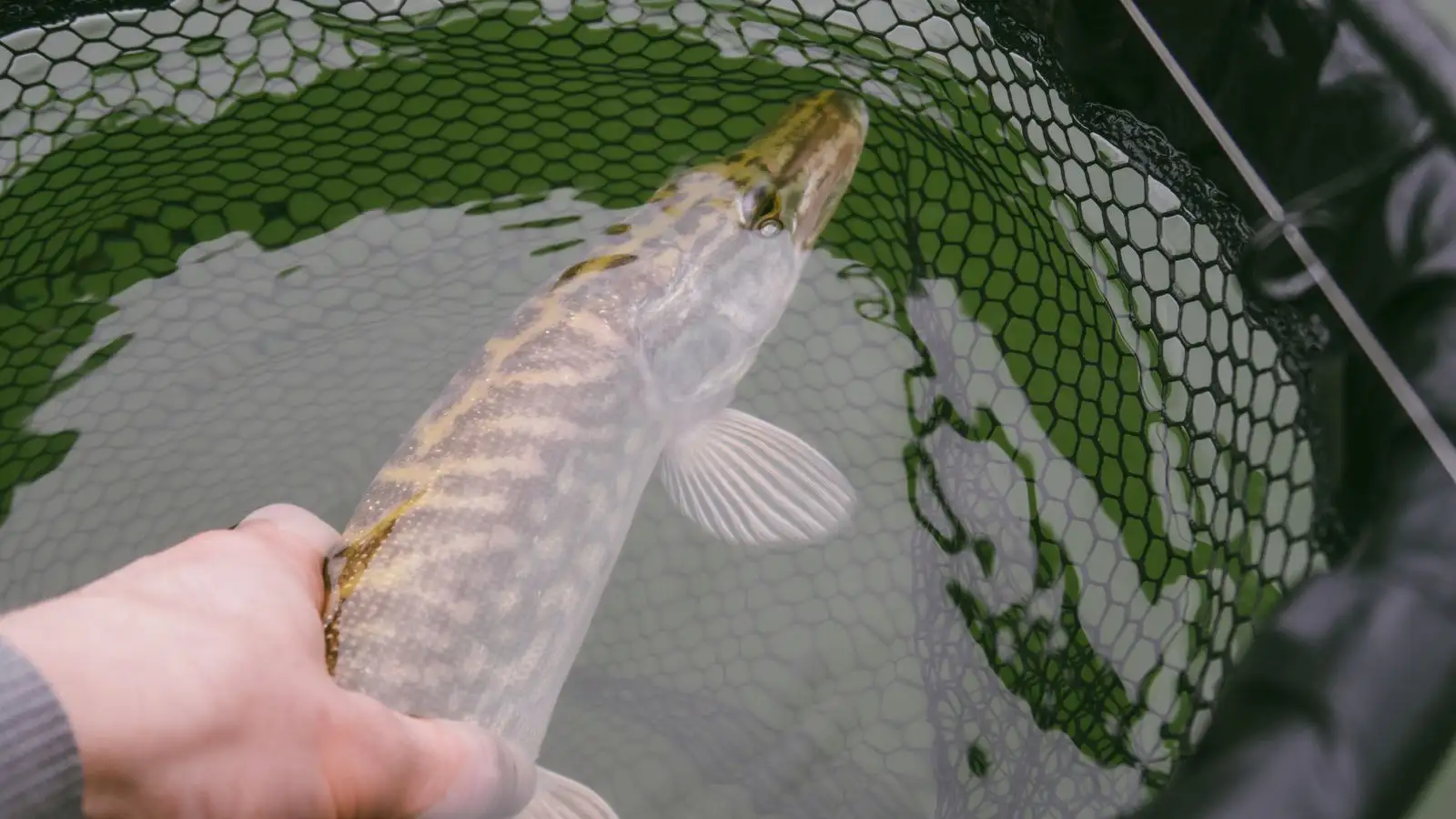
A fish that rolls over at release is not a dead fish. It is a fish that ran out of time in your hands, and the correction is more of the right water, not a longer goodbye from the bank. Cradle it upright with one hand under the belly and the other steadying it just behind the pectoral fins, point its nose into current that is slow enough it isn't fighting the flow just to stay in place, and hold it there until it holds itself level with no help from you. Rolling over almost always means the support ended early, not that the outcome is settled.
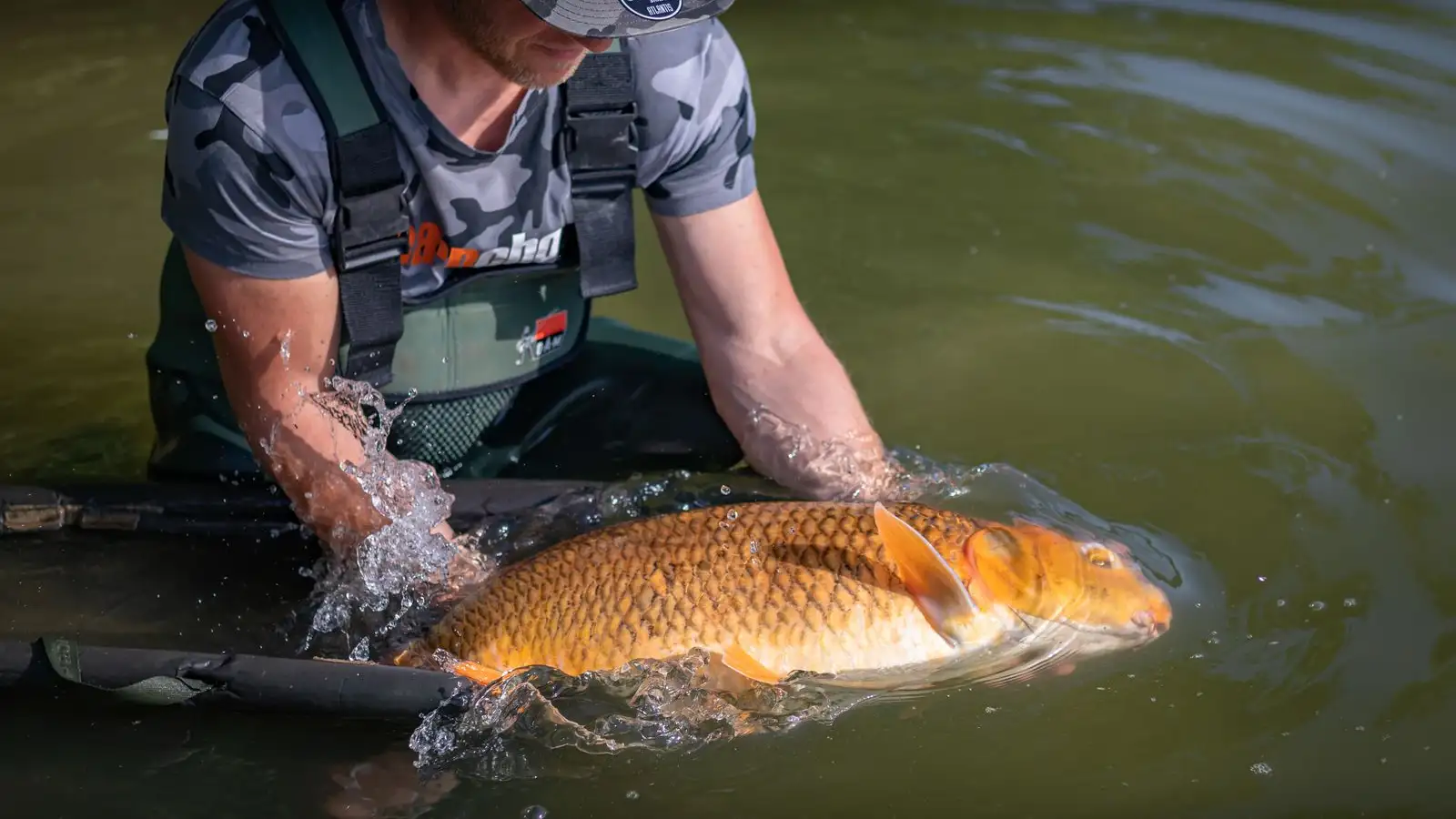
I know that because I've let go too soon more than once. The one I remember is a tailout in late June, water warm enough that I'd stopped wearing waders, and a fish that spun onto its side the second I opened my hand. I stood there for a beat doing the thing we all do, waiting for it to right itself, hoping the current would do the work. It didn't. What fixed it was wading back out, slipping my hand under the fish, working it fifteen feet up into the riffle above the pool, and holding it there while my arms got tired. Two or three minutes of nothing much happening. Then a shove against my palm and it was gone. I've trusted that minute ever since, and stopped treating the release itself as evidence of anything.
The net stays wet
The biggest thing I changed had nothing to do with the fish. It was my own hands. The net goes in the water and stays there. Rubber mesh, knotless, so nothing scrapes the slime coat while the fish is lying in it. I unhook with forceps while the net is still submerged and the fish is still in water, and I only lift the net if I need a hand free for something that genuinely can't wait.
Everything after that is patience, and patience is easier when nothing is drying out. Dry hands, a dry net, a dry bank, a hot afternoon. Those are the things that turn a two-minute recovery into a fish that can't get its feet under it.
Three signals that say go, and one that lies
You don't need a stopwatch. You need to read the fish, and a fish that's coming back is giving you three honest signals at once.
Steady gill movement
Not fast, not fluttering. A regular open-and-close of the gill plate that settles into its own rhythm instead of racing. When I first slide my hand under a played-out fish, that cover is usually working hard and shallow. I wait for it to slow down and even out. That change is the fish paying back its oxygen debt, and you can watch it happen.
Holding position against the flow
Point a fish into current and a recovered fish stops sliding. It angles its body, adjusts its pectoral fins, and stays put in the seam. A fish that's still drifting with the water, no matter how upright it looks while you're holding it, isn't there yet.
A push against your hand
This is the one I wait for. Not a thrash, not a panic, not a jump. A deliberate lean, the fish loading up against your palm like it has somewhere to be. That's the release cue, and it beats any count you're keeping in your head.
The signal that lies: the big kick
A fish that bolts out of your hand is not proof of anything. A spent fish can fire off one hard burst and then roll over ten feet downstream where you can't reach it. That reflex kick is the reason so many fish "swim away fine" and then don't. If the only thing I get is a kick, I don't count it. I want the slower signals underneath it.
Where you put it back matters as much as when
Here's the part that surprised me most when I started paying attention. The same fish, at the same level of tiredness, released into two different spots has two different outcomes.
Warm, still backwater is the worst water on the river for a played-out fish. It's the shallow, sun-soaked slough behind the gravel bar, the one that looks calm and safe and easy to reach. It's also the water with the least oxygen and the highest temperature, and dropping a fish that's already short on oxygen into it is a bad trade for a release that looks gentle.
The water the fish came from is almost always better. The moving seam, the riffle lip, the oxygenated tail of the pool. If I've been fighting a fish in fast water, I don't walk it into the calm stuff just because it's easier for me to hold there. I keep it in flow, slow the flow down with my own body if I need to, and give it water it can actually breathe.
Fish that came up from deep water
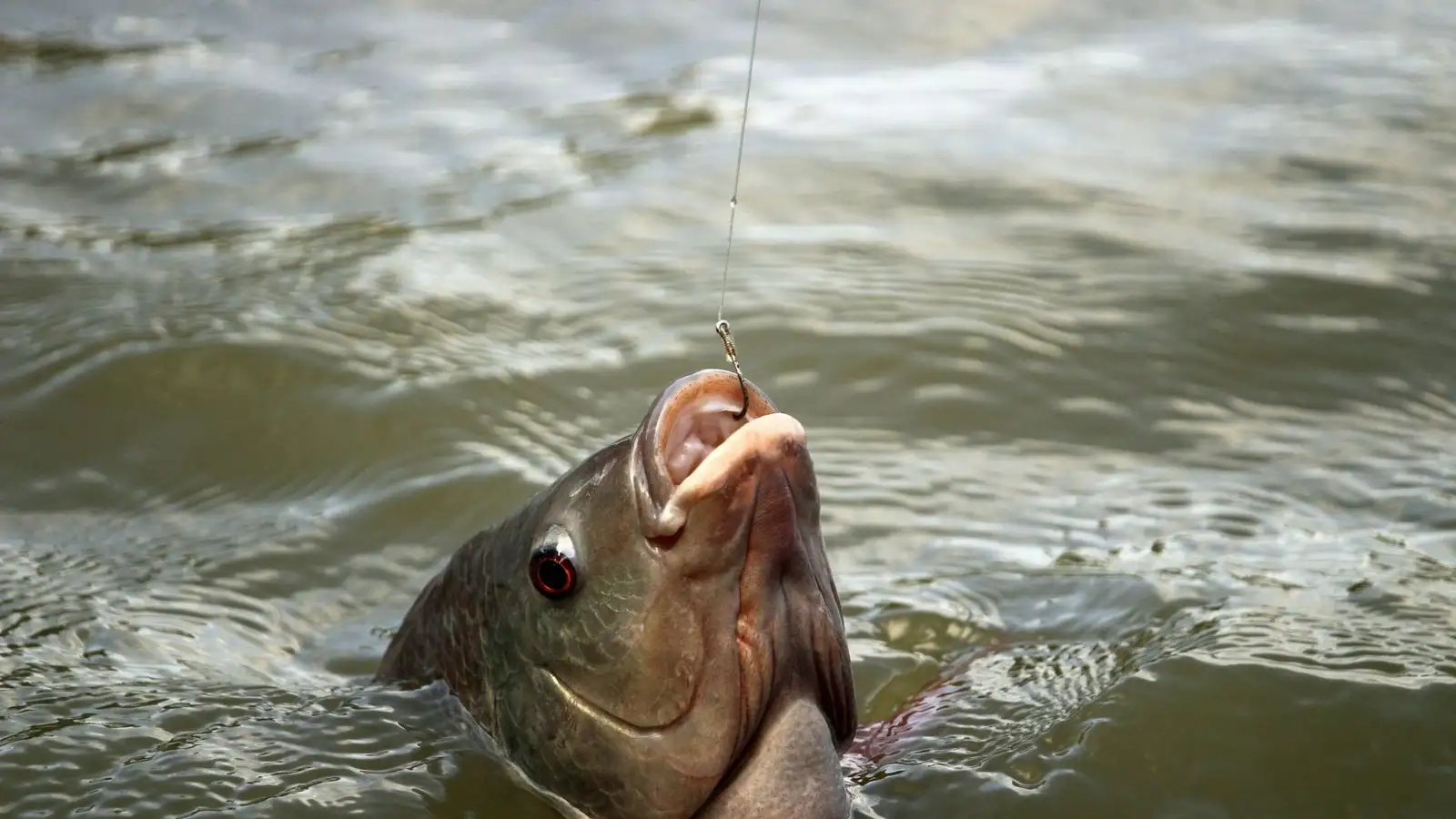
If you've ever pulled a fish out of deep water and watched it arrive at the surface with its eyes bulging and its belly tight and swollen, you know the look. That's a swim bladder that expanded on the way up, and it's the reason a fish can be perfectly alive and still unable to get back down where it came from.
Those fish don't need a long handling session. They need a fast one. Unhook quickly, keep them in the water, and get them back as soon as you reasonably can. If there's shallower water nearby, moving a bloated fish into it gives it a better chance than holding it over deep water and hoping. And if it goes down on its own, that's the win. Leave it alone and let it work.
Water temperature sets the clock
Everything above gets faster or slower depending on how warm the water is.
Warm water holds less oxygen, and a fish burns through what it has faster. That shortens the window on both ends: less to spare going in, and a higher cost for every second of air exposure. On a hot afternoon my hand is out of the water and the fish is back in it as fast as I can manage. The margin on a quick photo is small.
Cold water is more forgiving of handling, but it isn't faster. A fish in cold water isn't out of breath in the same way, but everything it does is slower, including coming back. A fish that seems dull and unresponsive in cold water might just be cold. Give it time before you decide anything about it.
When it clearly is not ready
Sometimes you do all of it right and the fish still won't hold itself up. You've had it upright in moving water for several minutes. It keeps listing. It holds for a few seconds and rolls again. It floats and can't right itself no matter where you point it.
At that point my rule is to stop guessing and stop improvising. Keep it in the water, in the net, in the current, out of the sun, and take the extra time. Fish recover on their own schedule, not yours.
And if it's still down after you've genuinely given it minutes of proper support, the question of what you can legally do next isn't one for a forum thread or for me. It's a question for the current year's rule book for the water you're standing in. Rules on this change, and the version you remember from a few seasons ago isn't the one that applies. Check the book, not your memory.
What I stopped doing
- Working a fish back and forth like a bellows. Swaying a fish forward and backward doesn't push water over the gills the way people assume. Water goes one way across them, in at the mouth and out under the gill cover. Holding it nose-first into current does the job. Rocking it doesn't.
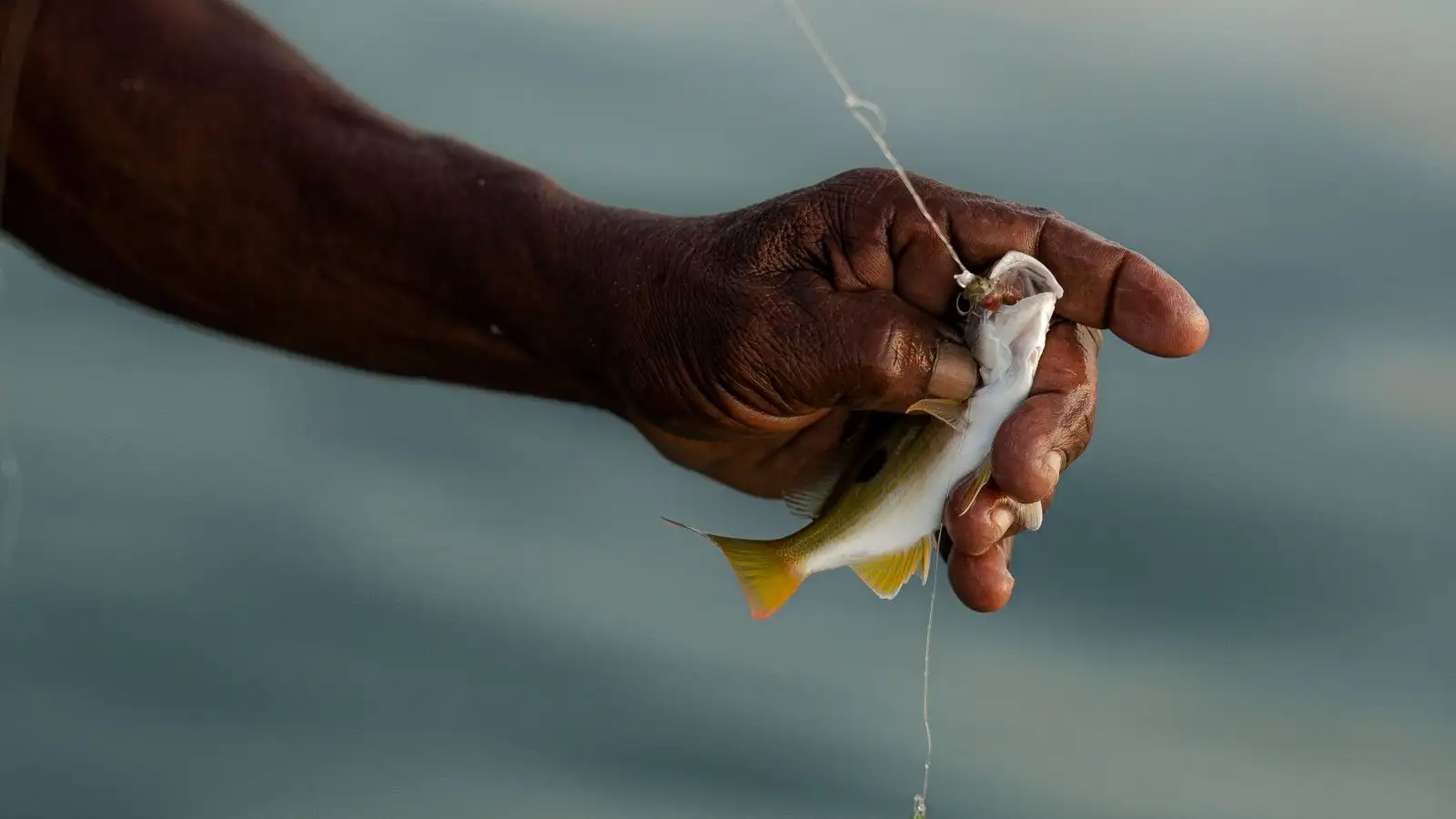
- Hanging a fish vertically off the jaw for a quick photo. That's a lot of weight on a joint that isn't built to carry it.
- Dumping a tired fish in the calm backwater because it's the closest water to my hand.
- Laying one on grass or gravel "just for a second." Seconds are exactly how gill filaments and a slime coat dry out.
The whole thing comes down to a shift in what you're watching. It isn't the release. It's the minute before it: the gills, the fish's angle in the current, and whether it leans into your hand. When all three line up, you open your fingers and step back. When they don't, you stay where you are and you wait. Rolling over is a message about timing, and timing is the one thing you can still give it.