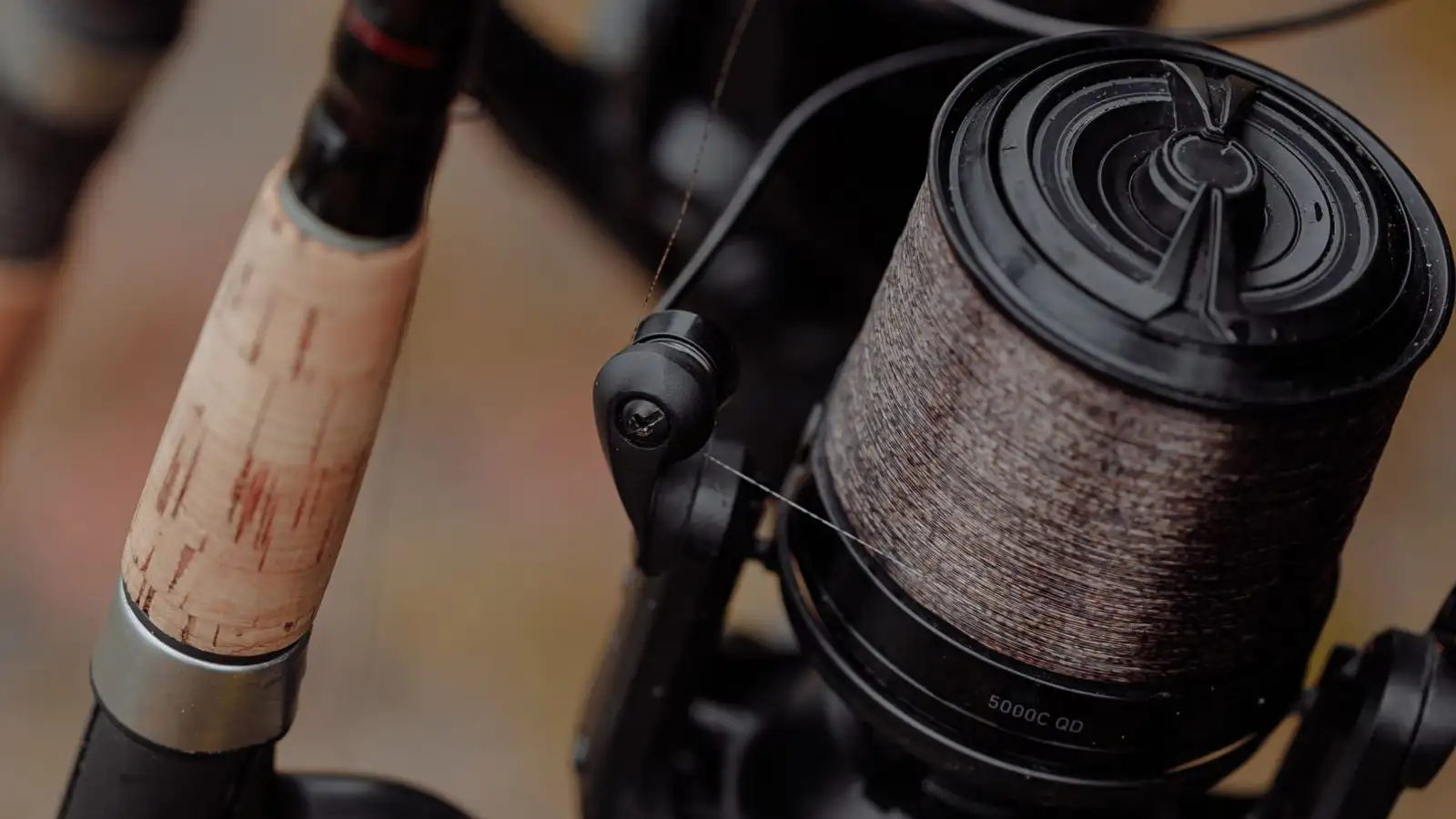
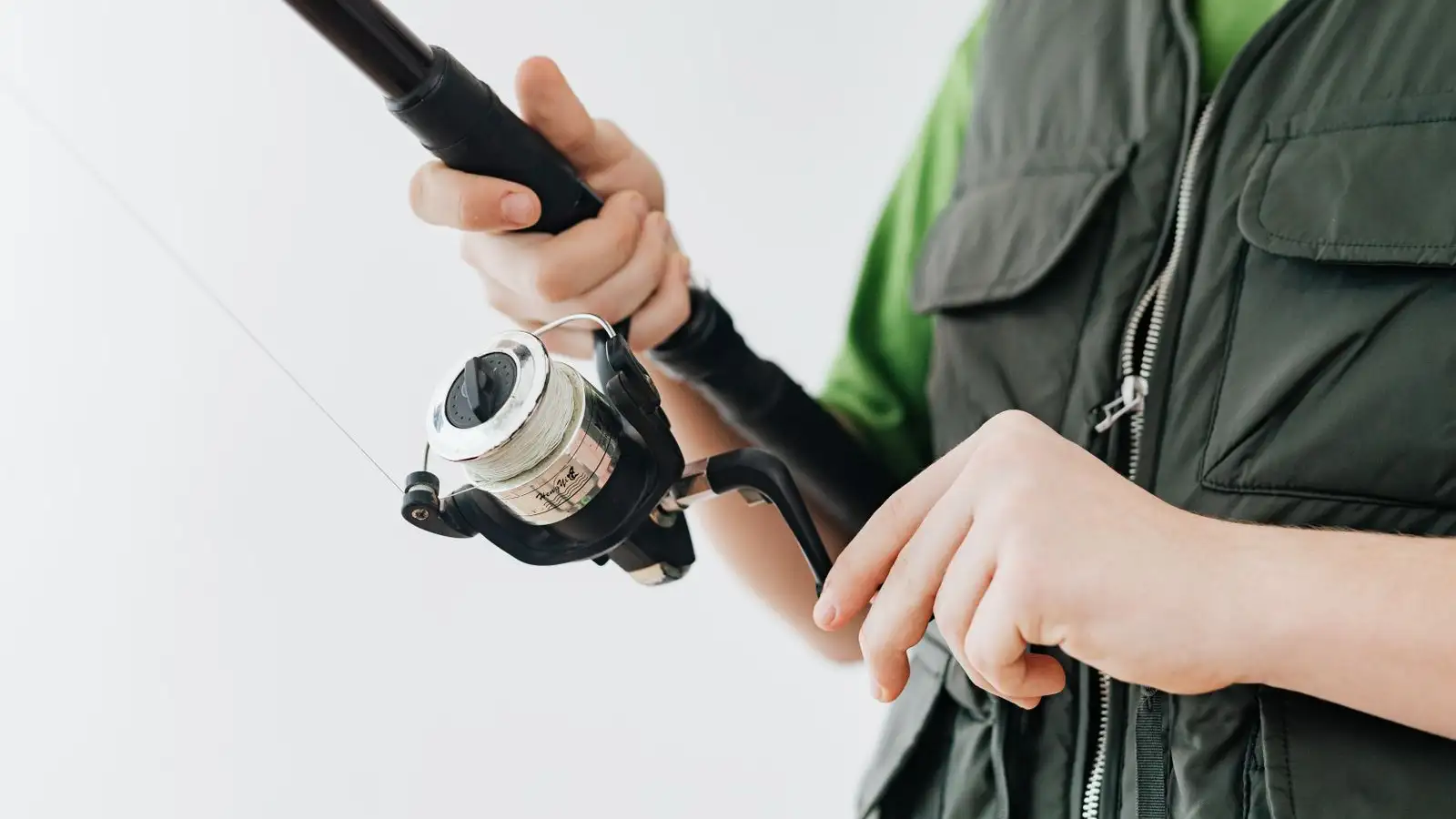
A line that is coiled but otherwise sound is worth saving. A line that curls back into tight loops within a minute of hanging free, or that feels chalky and carries nicks and flat spots, is finished, and the right move is to strip it off. Stretching, warming, and re-spooling do real work on line that has merely been sitting in a cold garage; they do nothing for line that has taken a set it will not give back. The diagnosis is the hard part, because a coiled line and a spent line look almost identical at six in the morning.
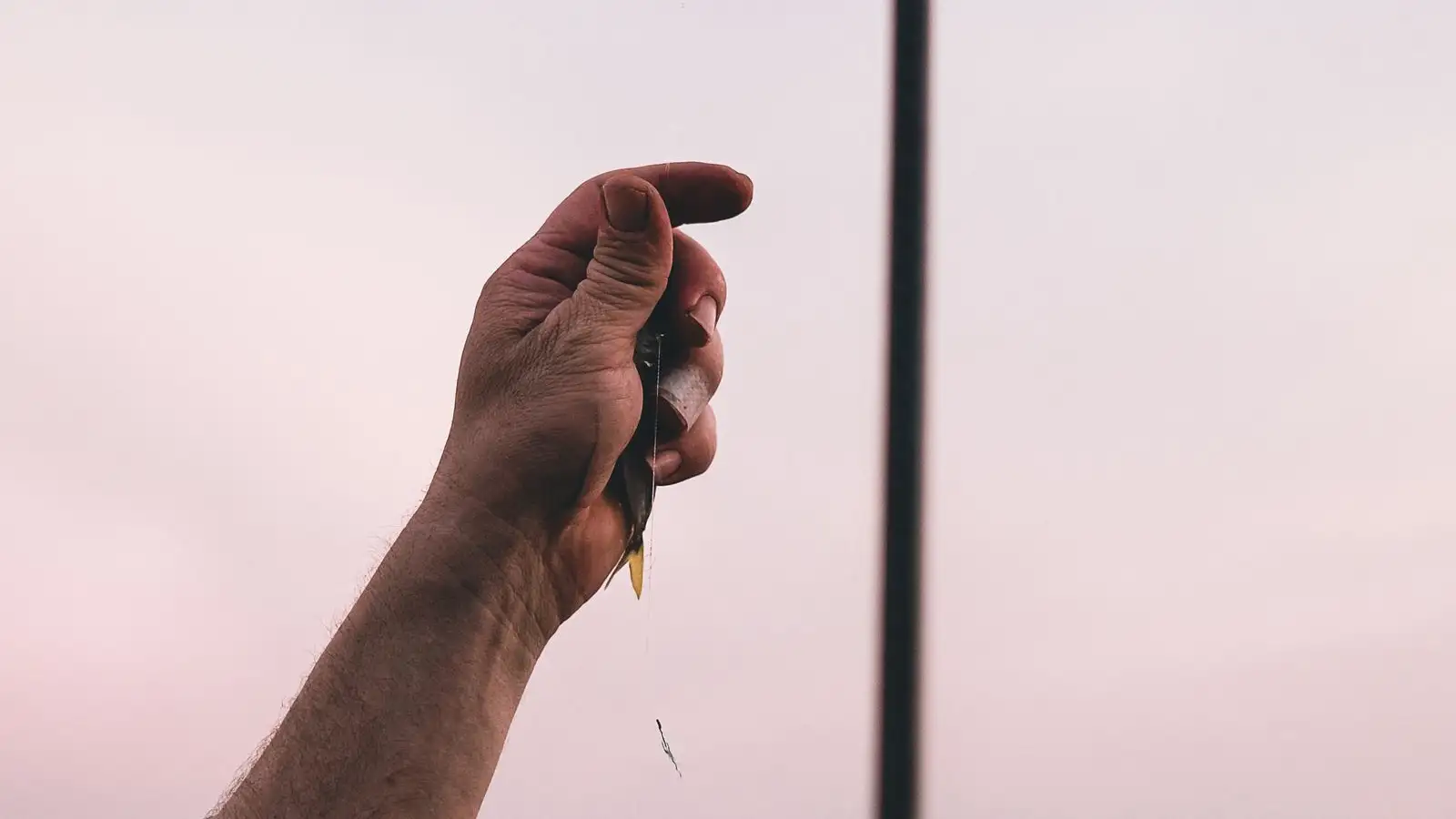
The night before a trip I end up in the garage with a rod in one hand and a headlamp cocked on my forehead, and that is where I want you standing next to me. Pull six or eight feet of line off the spool. Let it fall onto the concrete. Do not guide it, do not hold it straight, just let go and watch what it does for the next minute. That little pile on the floor is the whole diagnosis. If it lies there in soft waves that straighten when you pick it up, the line is fine and what you felt on the rod was nothing but cold weather and a spool that has been sitting since October. If it pulls itself into tight corkscrews, like a phone cord that has been in a pocket, you are not looking at a line that needs a stretch. You are looking at a line that has already decided what shape it wants to be.
Memory and twist are two different failures
The one that fools people most is not memory at all. Line twist gets mistaken for memory constantly, and stretching a twisted line does not fix it. It just shoves the twist somewhere else on the spool, where it will show up as a loop that jumps off the reel on the cast you least want it to.
Twist comes from the line being wound while the spool underneath it refuses to turn or turns wrong. A drag that slips while you crank, a fish fought against a locked-down drag, a spinning reel's line roller doing its job, a filler spool set the wrong way when you filled the reel. Here is how to tell them apart. Hold a slack loop of line up in front of your face and let it hang. If it wants to double over on itself and form a loop-the-loop, that is twist. If it holds a soft curl but does not spin on itself, that is memory. Two different problems, two different repairs.
Twist gets worked out by letting line out behind a boat at slow trolling speed with nothing tied on the end, or by walking it out across a lawn and reeling it back with the line pinched between your fingers so it goes on under tension. Then fix the source, or you will be back here next month. Check the drag and the roller. And when you fill a spinning spool, lay the filler spool flat on the floor, fill a little, then drop the rod tip and watch. If the line springs into loops, flip the filler spool over and start again. That check takes ten seconds and saves a whole spool.
A stretch that helps, and a stretch that hurts
Stretching does relax a coil. Pull with both hands wide apart, smooth pressure until you feel the line give, not until it is tight like piano wire. Never stretch across a knot; the knot and the points where you are gripping are where friction heat concentrates, and that is where line gets weakened. Wet it first if you can, or at least do not drag dry, dusty line through your palms.
The catch is that the effect is temporary. The line relaxes in your hands and then takes a new set as it sits and cools, which is why a stretched line feels wonderful Thursday and is coiled again by Saturday. And only the length you actually pulled through your hands improves. The line deep on the spool never gets stretched at all, which is why the front of the spool acts cured while a fish forty feet out still gets a coil you have to manage. If most of the memory lives in the first few yards, that is a repairable line. If it lives all the way down, you are treating the wrong part of the problem.
Warm water, and where the window closes
Nylon softens as it warms, so a few feet laid in a bucket of tap-warm water will go slack in a minute or two. That is the useful window, and it is warm rather than hot. Very hot water is worse than doing nothing. At near-boiling, nylon does not just soften, it deforms, and whatever shape it is holding when it cools is the shape it keeps. I have watched people dunk a spool in water off the stove to fix memory and end up with line that coils harder than it did before, because they baked the coil in.
Test the water on the inside of your wrist the way you would test a bottle for a kid. Comfortable, not steaming. And take the spool off the reel before you do it. You cannot warm a spool through the housing, and you cannot warm past the pressure-packed line underneath. Warmth helps the working length most, which is the part you can feel and test anyway.
Conditioners are a surface treatment
The dressings sold to slick up a line do real things. They cut friction, they quiet the line through the guides, they make a cast feel smoother. What they do not do is change the polymer set underneath. Memory lives in the way the line packed itself while it sat under tension on the spool, and a film on the outside does not reach that. So a conditioned line casts a little nicer and coils exactly the same. If a dressing is what makes a tired line fishable for one more weekend, that is a fair trade. Just know that you are masking the symptom, which means the clock is still running.
Cutting back the top shot, or stripping the whole spool
If the hang test says the line is basically sound and it is only the front stretch that has gone bad, you do not have to lose everything. On a spinning spool you can pull off the tired top section down to line that still passes the test, join fresh line to what is left with a well-tied join, and fill it back up. You keep the backing and the lower line that never saw sunlight or a backlash. The join has to be small and smooth, because a lump mid-spool will catch on the cast, and you want to run your fingers over it every few trips to make sure it is still tight.
The honest caveat: if the whole spool has been riding around in a hot truck bed or sitting in a garage window for two seasons, the lower line is just as tired even if it has never been fished. Line memory grows with heat and ultraviolet light, not with casting. Cutting back is a real middle path on a spool with honest history behind it. It is not a trick that resurrects a spool that has been baking for years.
The coil is not the thing that decides it
Run the line through your thumb and forefinger while you are looking at it. A nick feels like a grain of sand under the pad. A flat spot is a sudden thinning. Chalky means ultraviolet light has been chewing on the surface. Those matter more than the coil, and they almost always travel together with heavy memory because the same age and the same sun caused both.
So here is the ordering I use. A line with mild memory and a clean surface is a line I fish. A line with a mild coil and three nicks in the first twenty feet is a line I cut off, because the coil is an annoyance and the nick is a break waiting for the best fish of the season at the worst possible distance. And the most underrated test of all is comparison. If you remember this line hanging straighter last spring than it does now, you already have your answer. It aged the whole time, wet or dry, fished or not.
I still stretch line. I still drop a spool in a sink of warm water the night before a cold-morning trip. But the decision to fish a line or cut it off gets made in that first minute, standing over the pile on the garage floor. Nothing I do afterward changes it.