A spinning cast falls apart on a baitcaster because the two reels are loaded and released by opposite mechanics. A spinning reel hangs under the rod, so distance comes from a long, sweeping stroke that unloads the rod and lets line peel off a fixed spool in loose coils. A baitcaster sits on top of the rod, so distance comes from a much shorter stroke that loads the tip and pulls line off a revolving spool — and that spool keeps turning after the lure has already started to slow down. Throw a spinning stroke at a baitcaster and the lure climbs, the spool overruns, and the thumb arrives two beats late. It is a timing and geometry problem, and most of it lives in the rod hand.
The cast that keeps failing in exactly the same way
You are on the front deck with me at first light. There is a sycamore limb lying in the water maybe thirty feet off the bow, and I already pulled one fish off it with a spinning rod — a smooth, easy cast, the lure landing soft as a leaf. Now the baitcaster is in my hand. Reel on top. Levelwind clicking. Thumb resting on the spool, lure hanging about a foot below the tip.
I make the cast. And it is a fine-looking cast. Low elbow, wide sweep, that low-to-high arc my arm knows by heart. The lure leaves the tip climbing. Then the sound — that ripping hiss of line coming off the spool faster than the lure is taking it. The bait lands short and left. My thumb is nowhere near the spool, because on the rod I was just holding, the thumb has nothing to do.
So I pick it out. And then I do it again, because my arm is going to keep offering me the same stroke until I give it a different one.
Same arm, two machines
Here is what I had to slow down and actually watch myself do, because the difference is not in the aim.
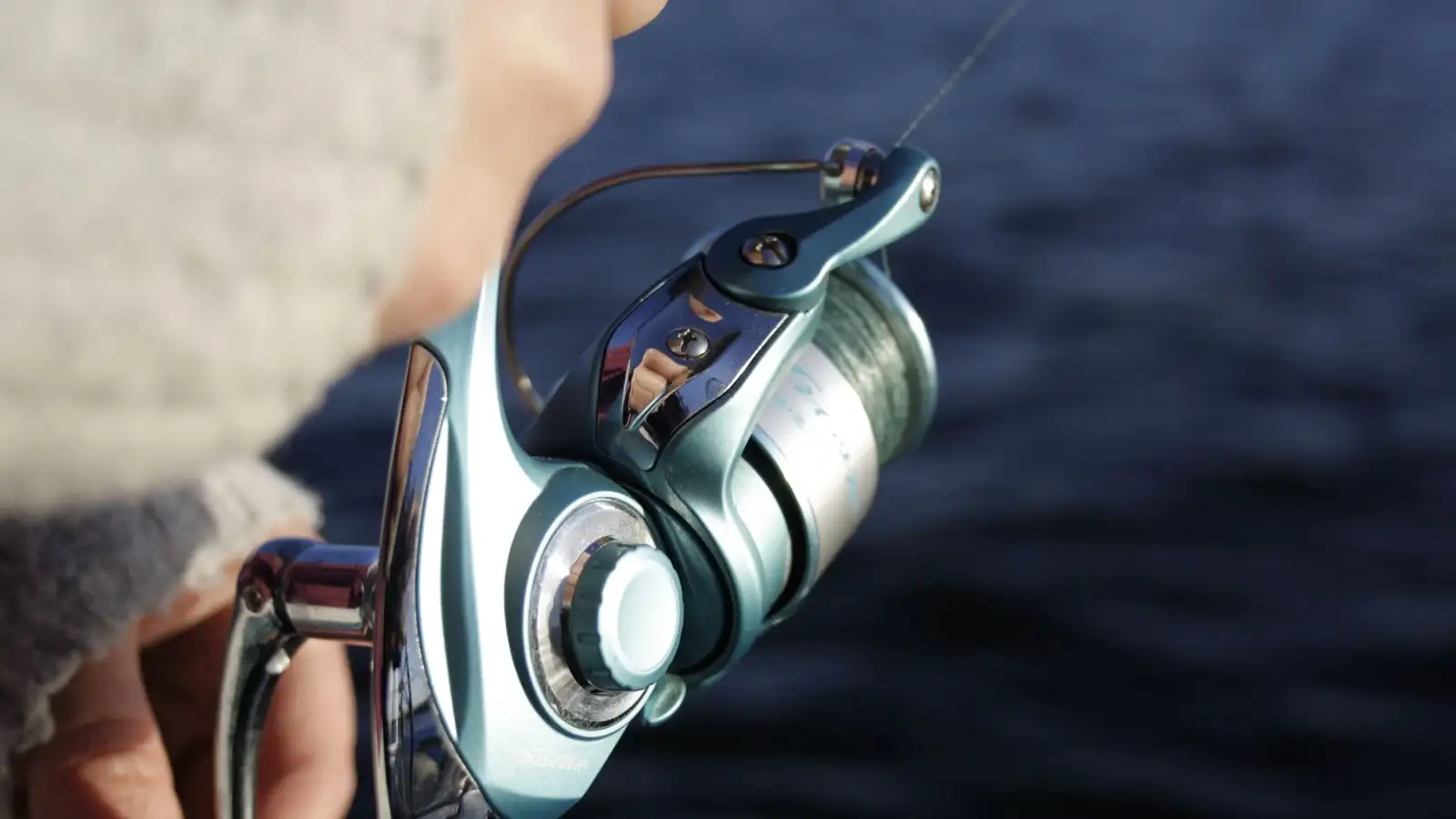
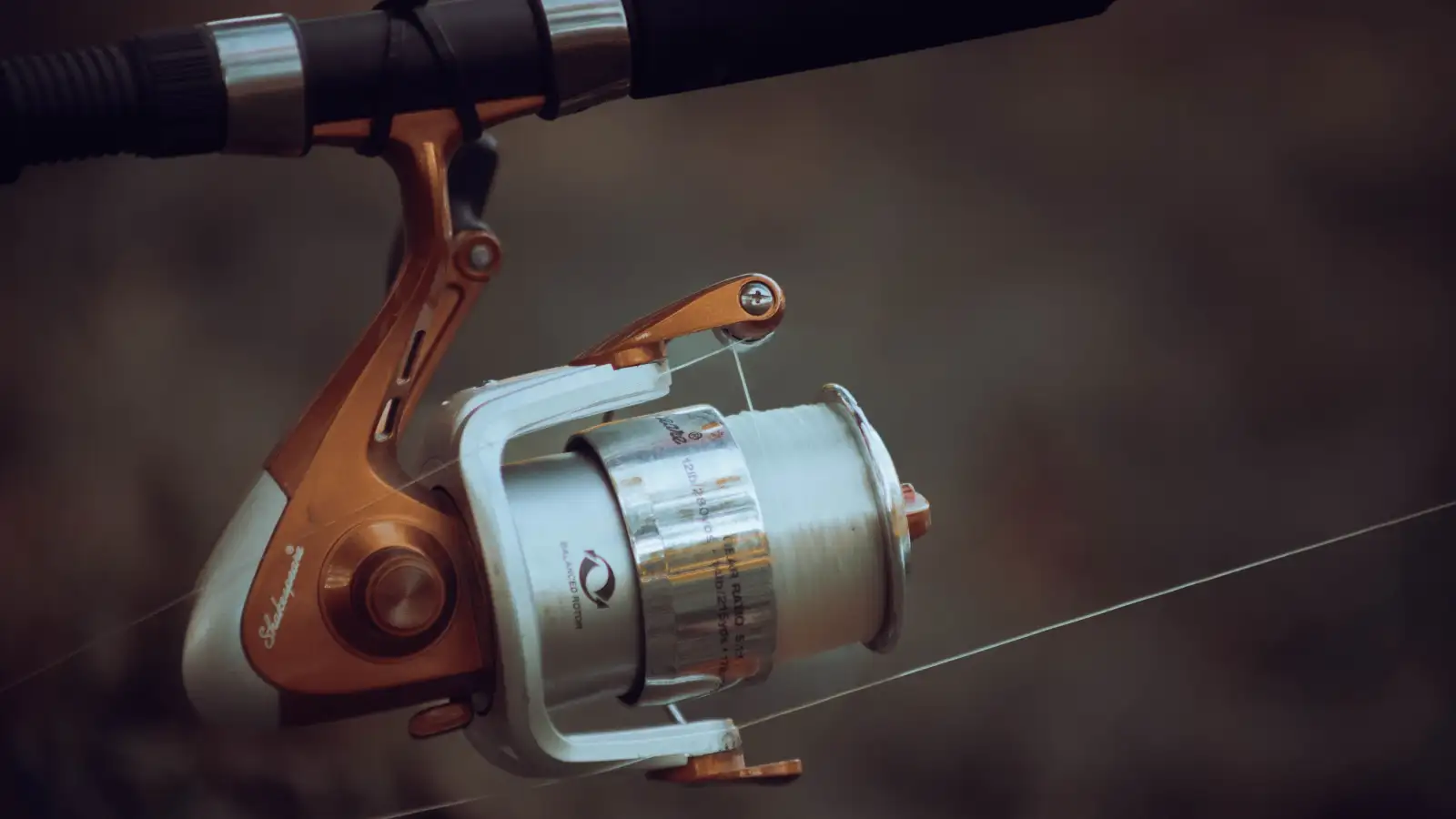
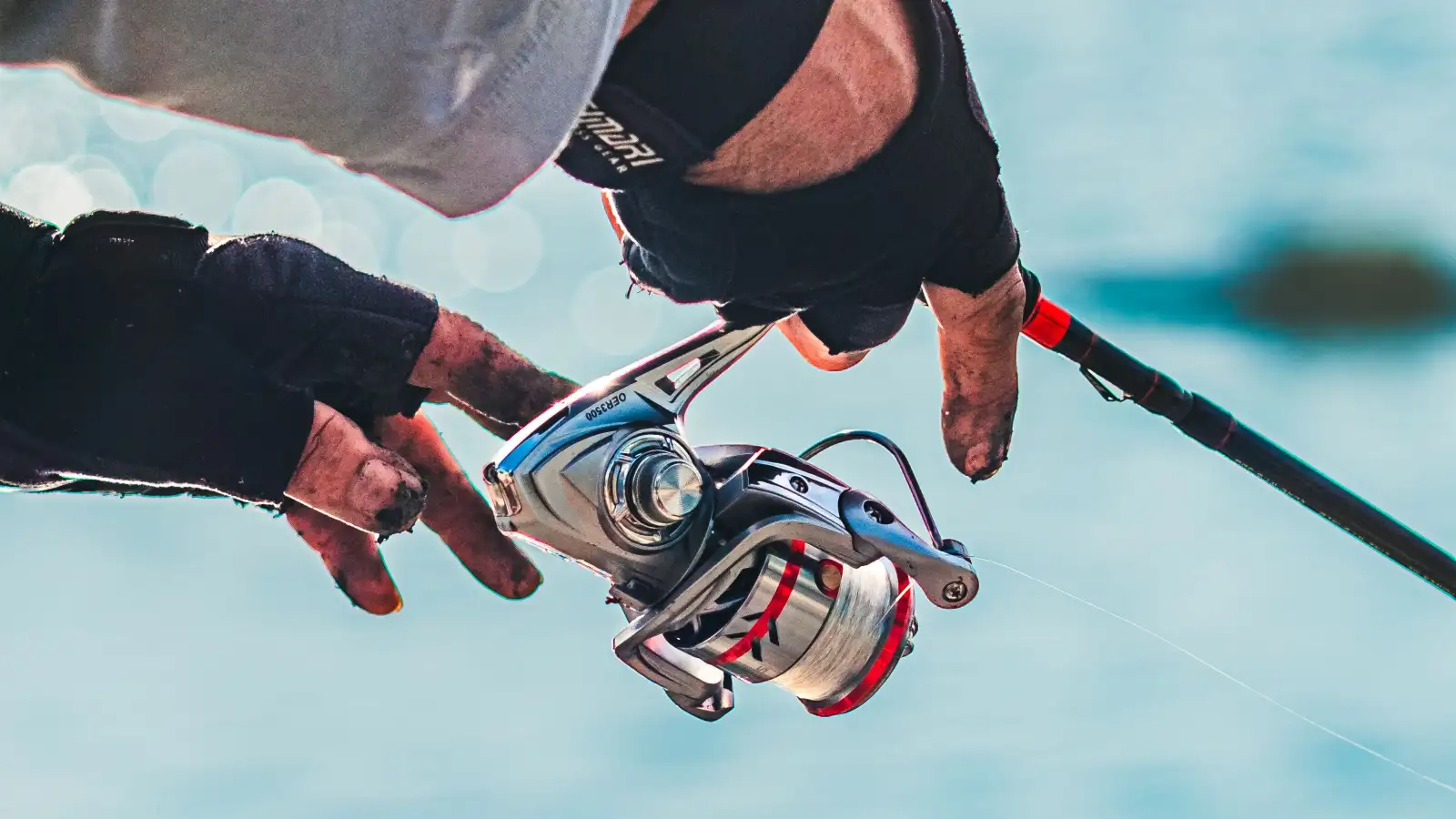
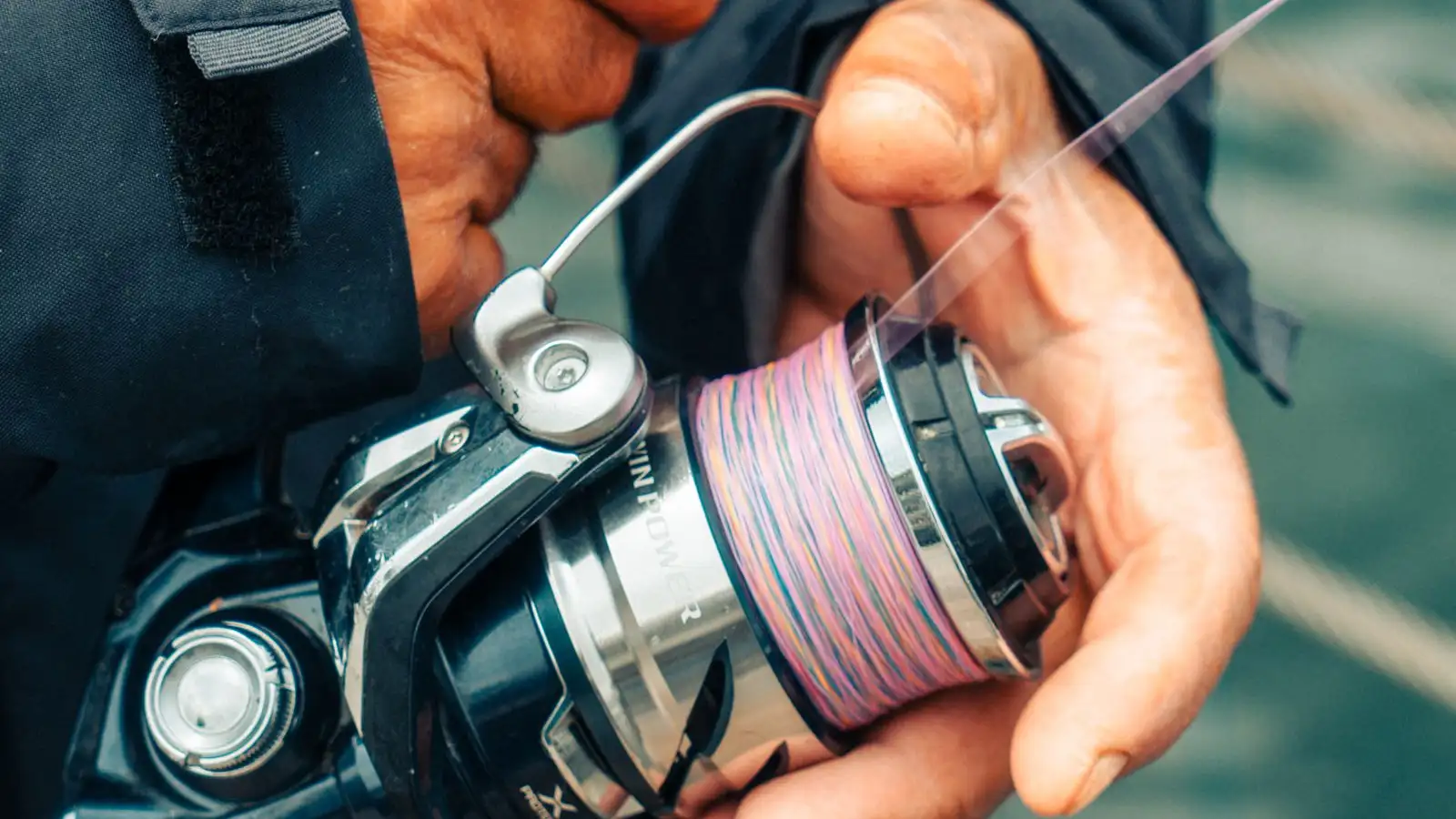
On the spinning rod, the reel hangs under the blank and the spool is fixed. Line leaves the lip of that spool in loose coils, one after another, with drag and hang time built in. That lets the cast be patient. My reel stem sits between my pinky and ring finger, the butt tucks under my forearm, and both hands work: low elbow, wide arc, the rod traveling from beside my knee up and across and out. The blank loads deep. Release happens as the rod comes up through its own curve and starts to unload, and the lure carries the last loop off the spool lip. My thumb is decorative. The line runs free.
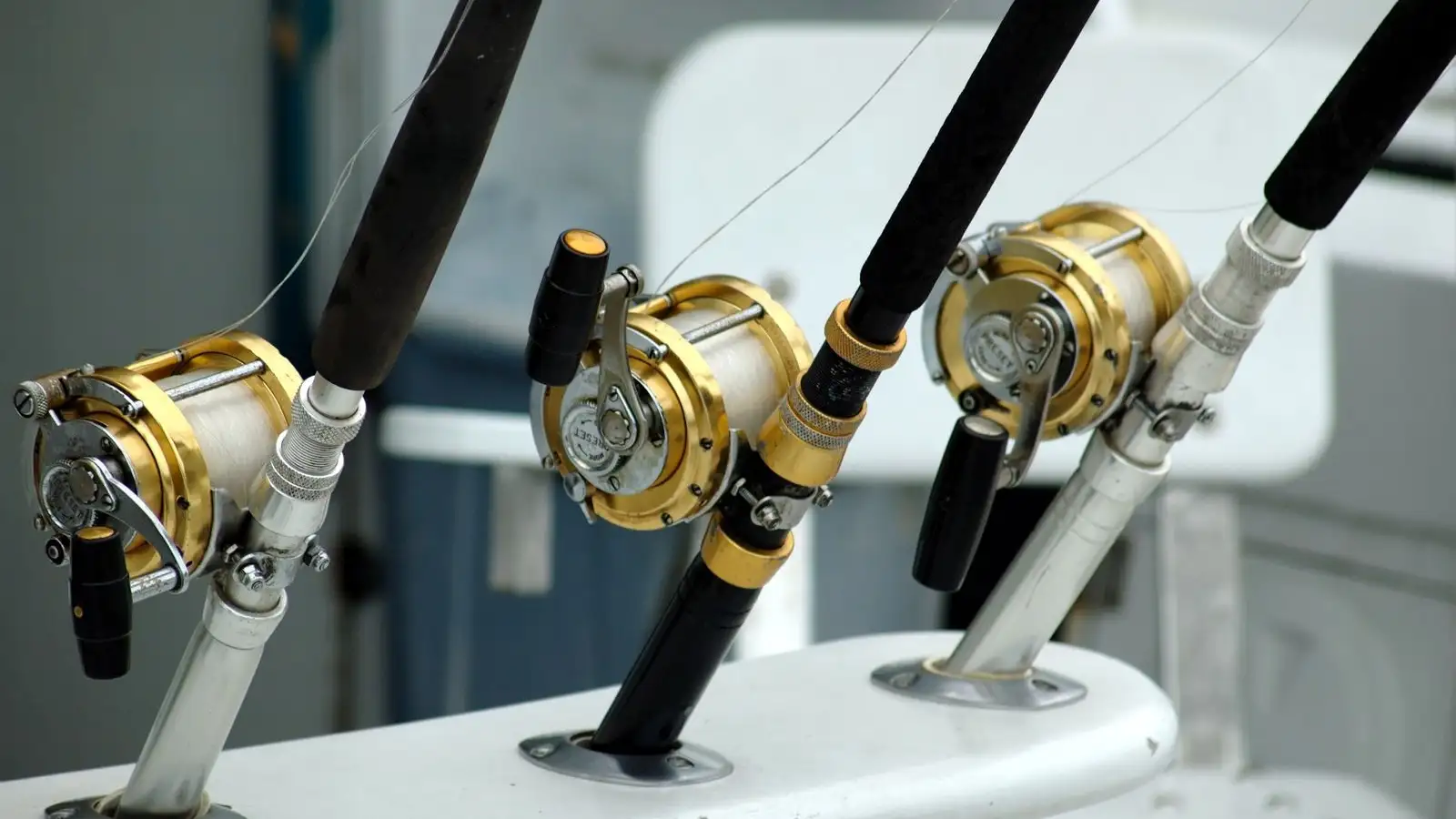
On the baitcaster the spool is under my thumb, and it revolves. My whole hand changes. The reel seat sits in the heel of my palm, palm over the side plate, thumb on top of the spool and riding the thumb bar. The stroke gets shorter and comes closer to my head — back over the shoulder near the ear, forward in a tighter plane — because a wide cross-body arc lifts the tip, and a lifted tip launches the lure on a climbing line. A climbing lure loses forward speed fast. The spool does not.
That is the first thing worth feeling: on the spinning rod you push coils off a lip. On the baitcaster the lure has to pull line off a spinning spool. Pulling is a different job, and it means the lure's weight and speed are the only things keeping up with the spool.
Where the load sits on the blank
Both casts load the rod. They just load different parts of it.
A spinning stroke loads the whole blank into a long, sweeping bend, and the power comes from the sweep. That is why it works with a lob, with a light lure, over your shoulder or under a branch. The rod does a lot of the work and the fixed spool is forgiving of a slightly early or late release. Be a beat late and you lose some distance. The line still comes off.
A baitcasting stroke loads the tip and leaves it there. The rod bends, then unloads straight at the target, and the lure leaves on a flatter line. There is less arc to hide mistakes in. Release a baitcaster at the top of a sweeping stroke and the rod is still unloading upward, so the lure goes up, and the spool — already spun up by the force of the cast — suddenly has nothing pulling line off it anymore. That is the overrun. Not the rod, not the reel's fault, not a bad tension setting. The lure just left at the wrong angle at the wrong moment.
Release, and then a second job
The release windows are not the same window.
Spinning: release as the rod unloads. After that, your hand is done. You watch the lure and you wait.
Baitcaster: release a touch earlier in the arc than your spinning habit wants, and then the cast continues in your thumb. The thumb comes down on the spool immediately — not to stop it, to feather it. Light contact, then pressure as the lure falls, so the spool slows with the lure rather than after it. The brakes on the reel, magnetic or centrifugal, are there to keep the spool from outrunning the lure in the first place; the thumb handles whatever is left. On the spinning rod, that entire skill set does not exist. Nothing on a fixed spool needs stopping.
So the sabotage is structural. Your spinning muscle memory does not just miss the thumb job — it does not know the thumb job is coming. You release and you relax, and by the time the sound registers, the spool has already won.
Why the spinning stroke specifically ruins a baitcaster
Three things go wrong at once, and they compound.
The sweeping arc raises the tip, so the lure leaves on a climbing trajectory instead of a flat one. Rising lures slow down quickly.
Because the lure is slowing, the spool — which spun up during the cast and keeps its momentum — starts paying out line faster than the lure is taking it. Set the brakes light and the overrun starts in the air. Set them heavy and you lose distance and learn nothing.
And the release happens late in the arc, so the thumb is a half-second behind where it needs to be. All three come from the same habit, and the habit is not a flaw. It is the correct motion — just for the other tool.
There is a version of this that hides from you. A heavy lure with the brakes cranked down will eat a sloppy spinning-style stroke and still cast. Then you tie on something lighter, back the brakes off to get your distance back, and the whole thing explodes mid-air. The bad habit never left. It was being covered up.
Rebuilding two motions, separately
What worked for me was refusing to let the two reels share a session.
I pick a target I can hit without trying: a spot on the lawn, a bucket lid, a bare patch on the bank, something twenty or twenty-five feet out. Short casts. Then I cast to it fifty times with one reel, and I do not switch. Switch mid-session and the second rod inherits whatever my arm just rehearsed. Both casts get worse; I have watched it happen.
With the baitcaster, the drill is deliberately small. Rod back close to my head, tip load, forward in a tight plane, release early, thumb down. I am not casting for distance. I am teaching my thumb that the cast is not finished at the release. Then I step the target back a few feet at a time and only add distance when the short cast stops making that sound.
With the spinning rod I do the opposite on purpose: rebuild the long, low sweep and the late release, so the two motions stay separate in my hands instead of blurring into one average stroke that does neither well.
It depends, and that matters
None of this is absolute. As lure weight climbs, a baitcaster tolerates more of a sweeping stroke — a heavy lure pulls line off the spool hard enough to keep the spool honest, and the tip load matters less. In strong wind you shorten everything anyway. And a light spinning outfit will out-cast a baitcaster all day with a lure that simply does not have the mass to spin a revolving spool.
What does not change is the structure. One reel releases the line and forgets it. The other releases the line and takes over. Your hands cannot run both patterns at once, and the reason a spinning cast falls apart on a baitcaster is not that you are doing it wrong. It is that you are doing it right — for the other reel.