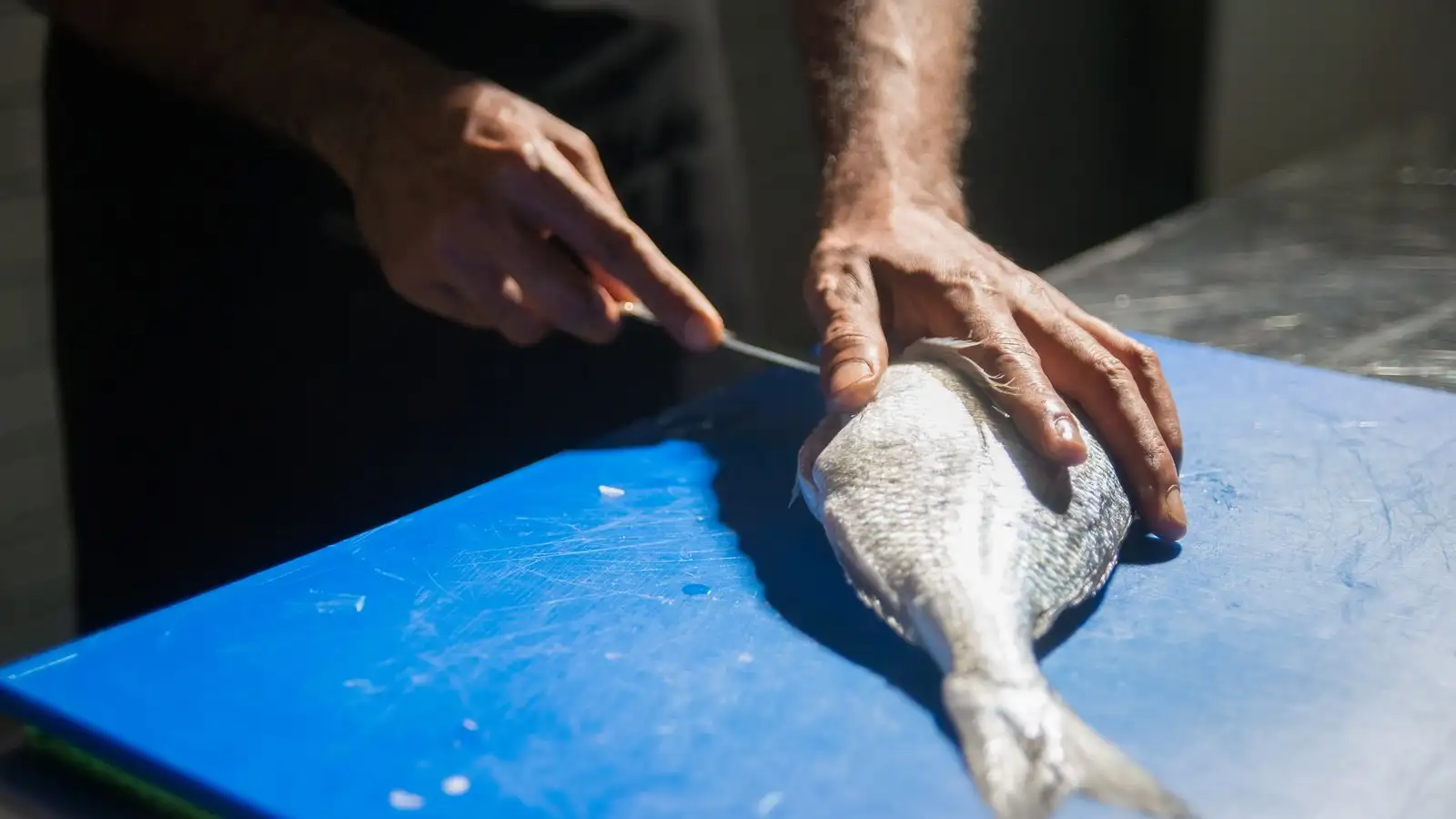
Get Clean Fillets and Remove Pin Bones from Any Fish
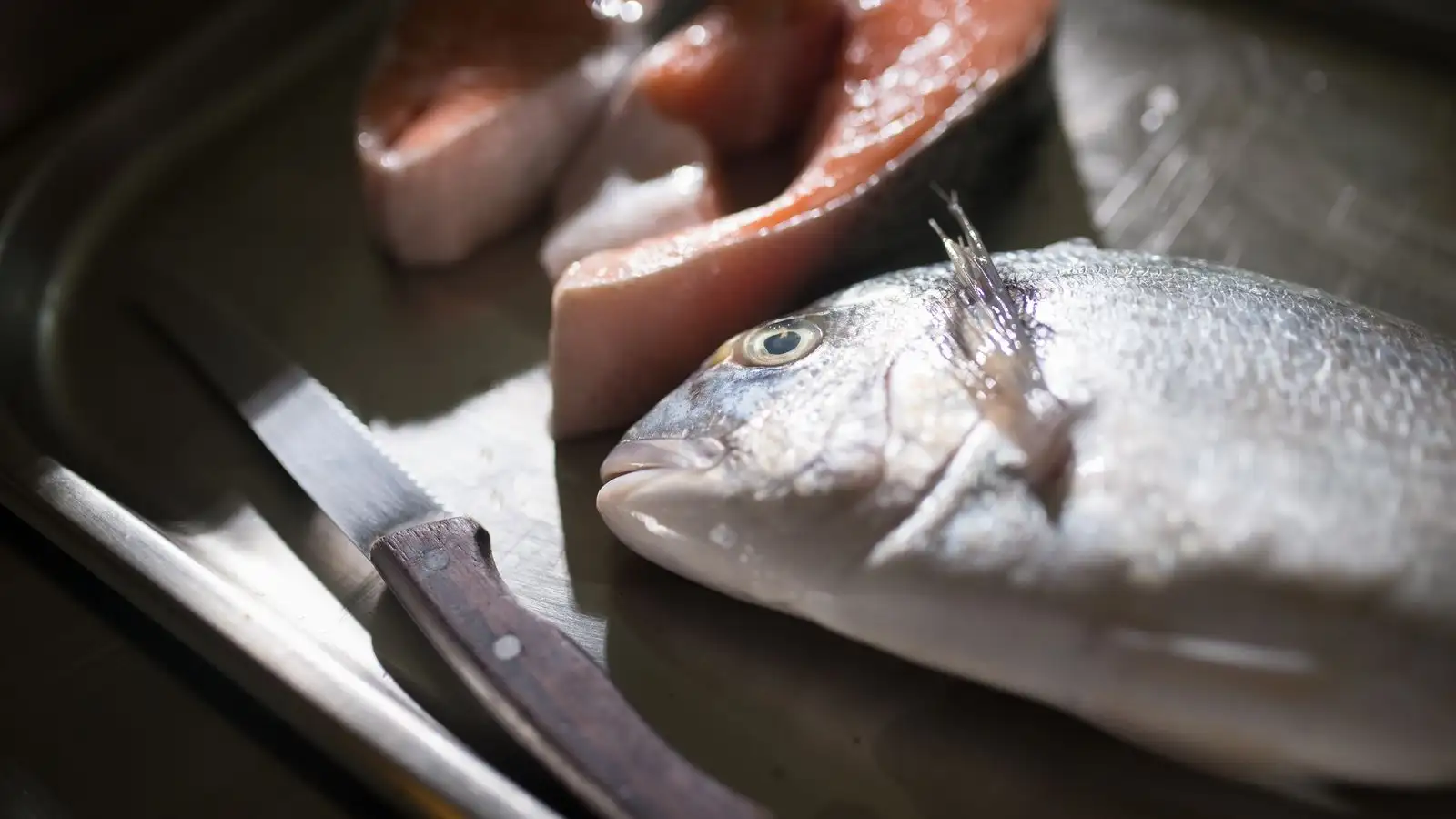
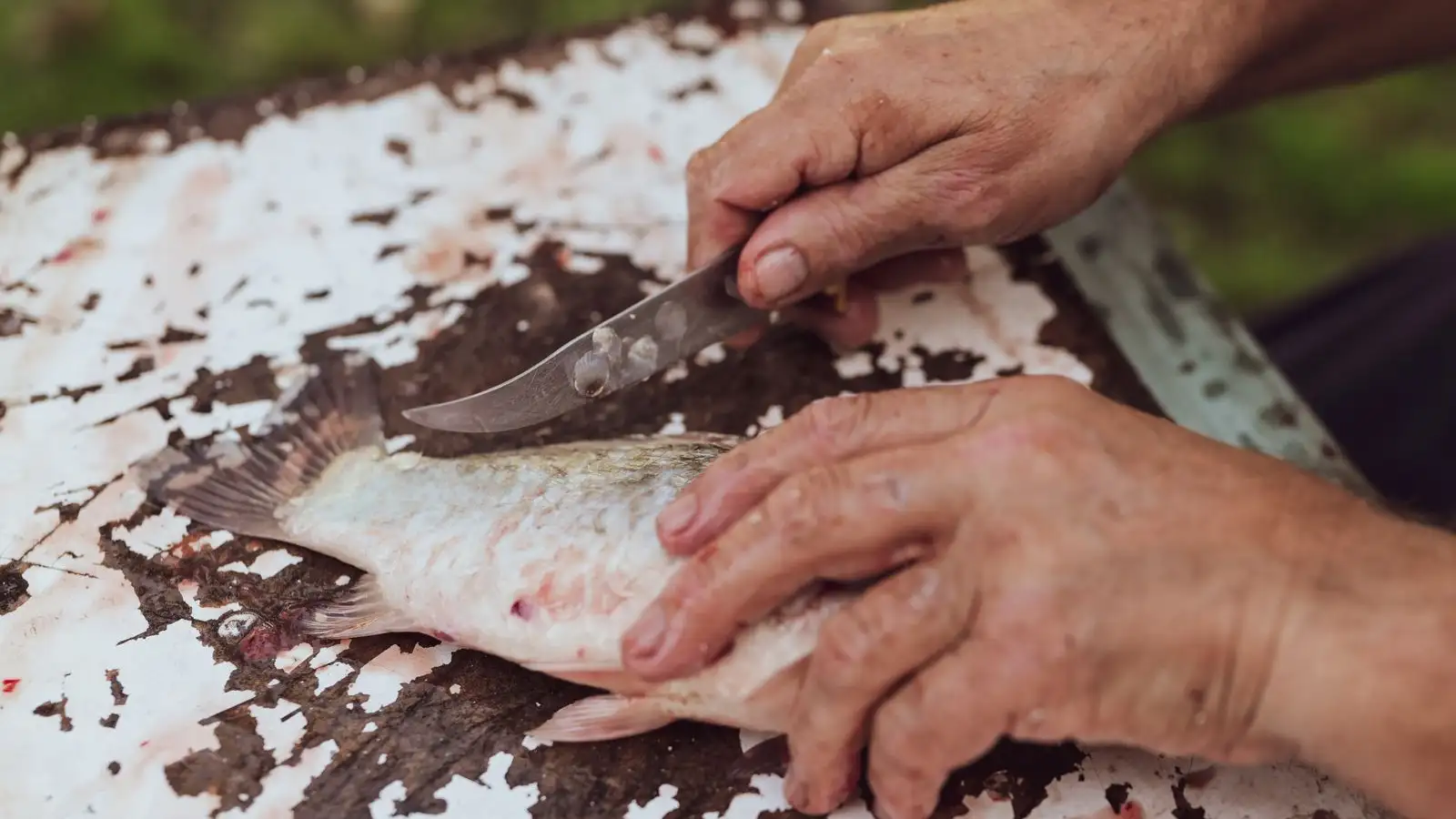
Follow the rib cage, take each fillet off whole, and pull pin bones clean. A practical guide to the geometry of round fish, flatfish, and skinning.
Regulations logic, catch-and-release ethics, and processing your catch from water to table.
Follow the rib cage, take each fillet off whole, and pull pin bones clean. A practical guide to the geometry of round fish, flatfish, and skinning.
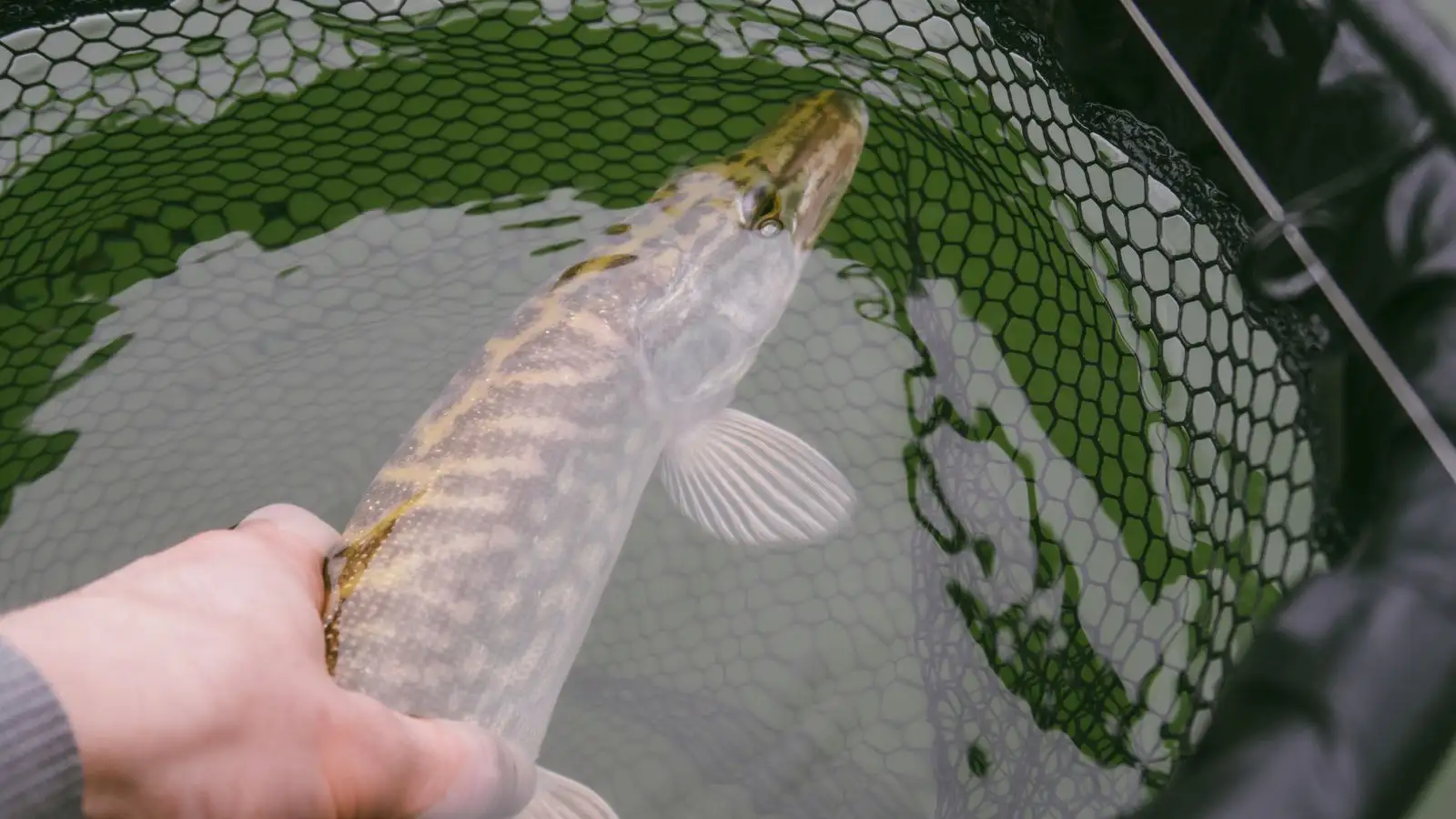
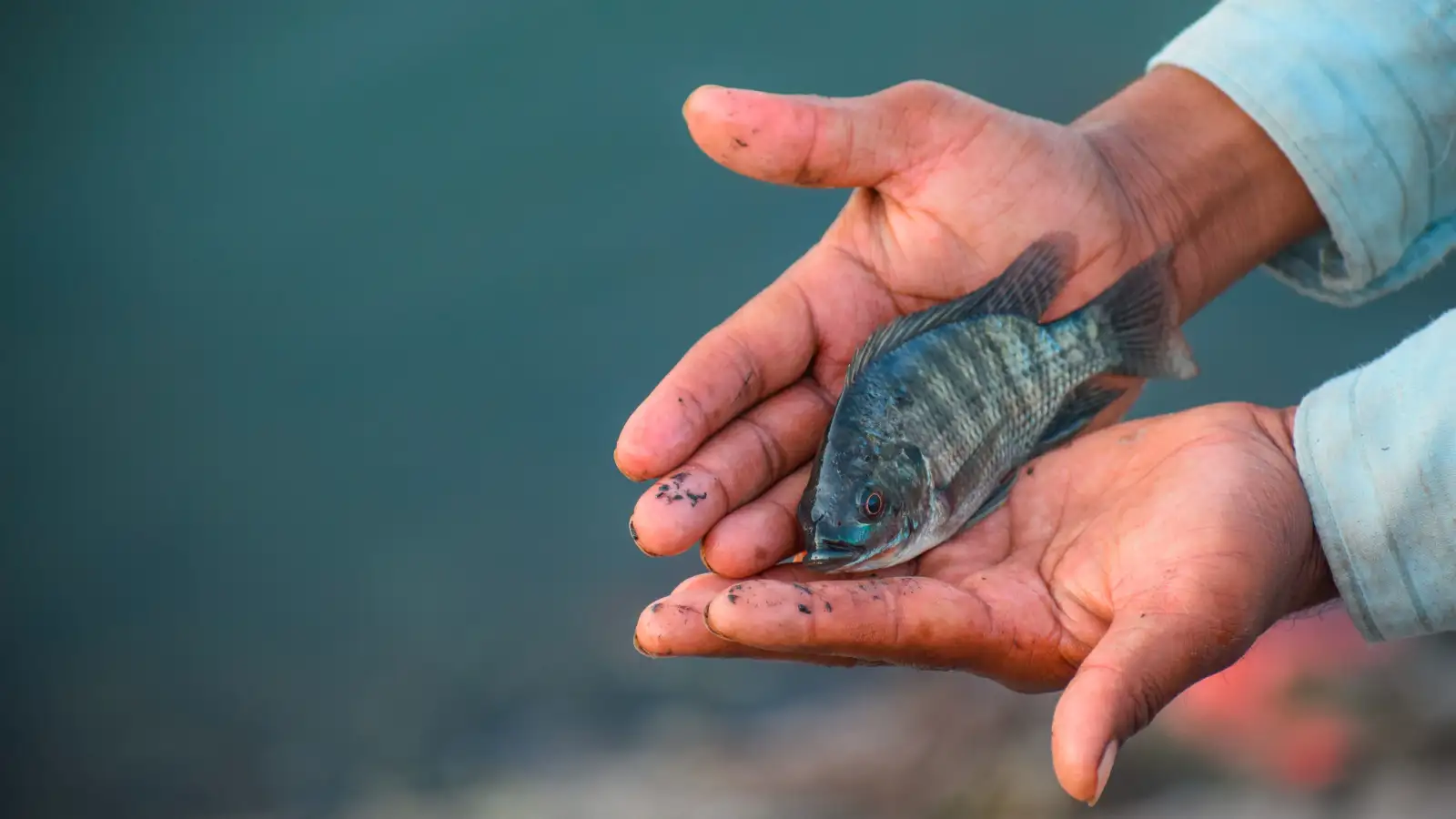
A jaw grip isn't the real problem. The slime layer is. What happens in the few seconds your hands and net touch a fish, and how to keep that coat intact.
Bleed your catch in the current, ice it fast, dress it before rigor, and cook it to 145 degrees. One continuous chain from wading boots to the plate.
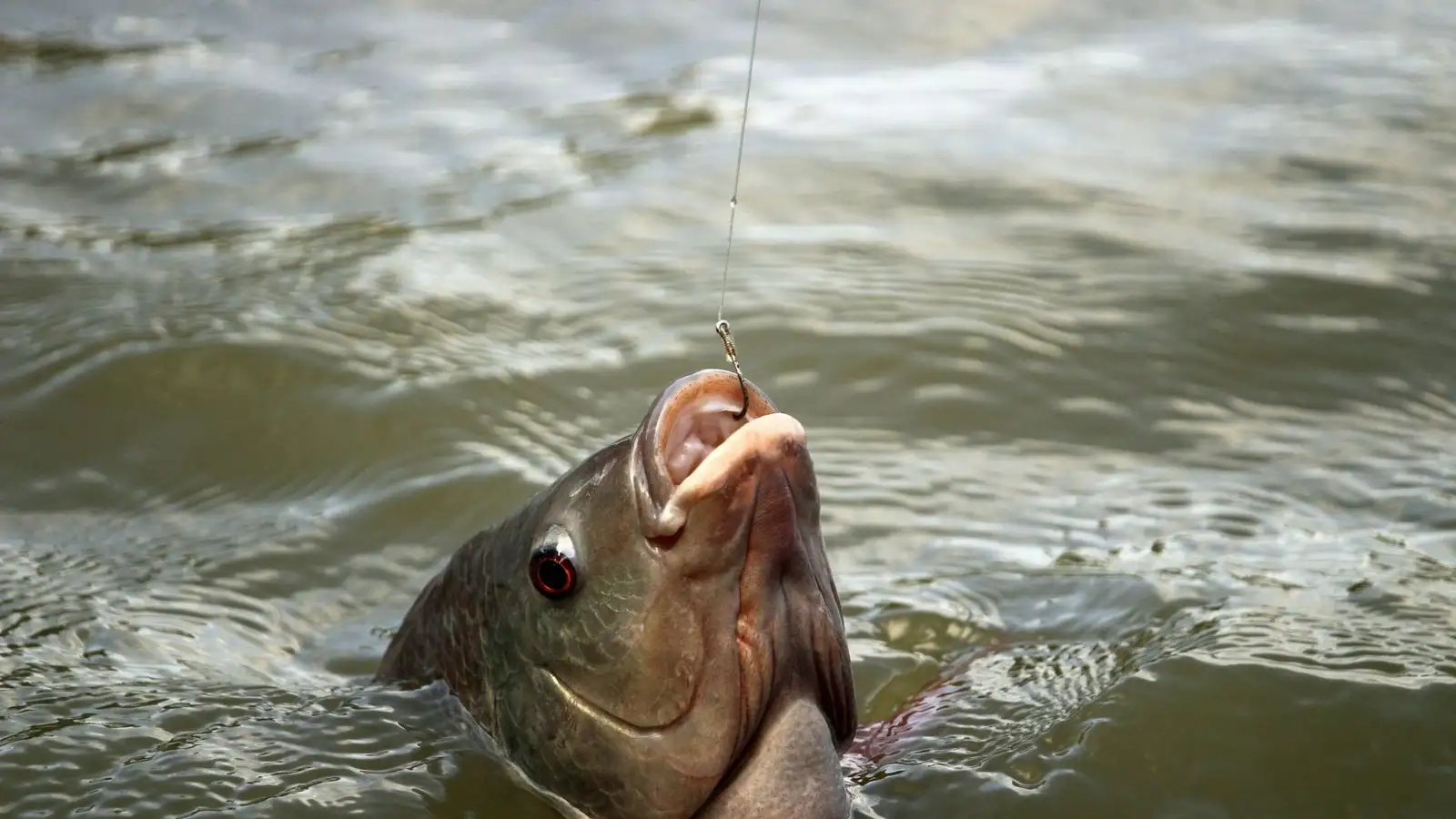
Fight duration, not net technique, decides whether a released fish can recover. Here is how to land fish faster with steady pressure and keep a release routine.
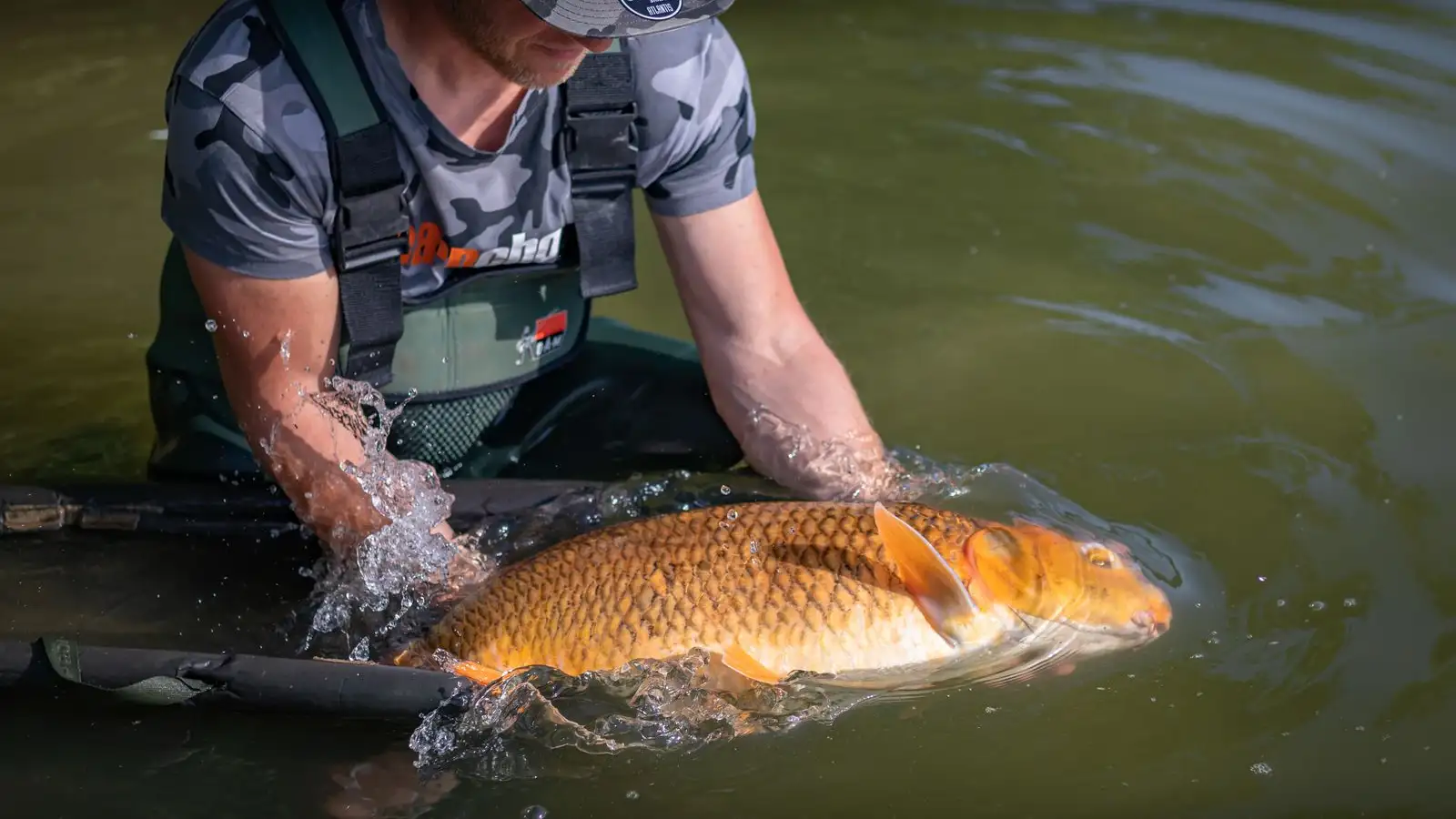
A fish that rolls over at release can still swim off. Here's how to read the minute after the hook is out, and what to do when it clearly isn't ready.
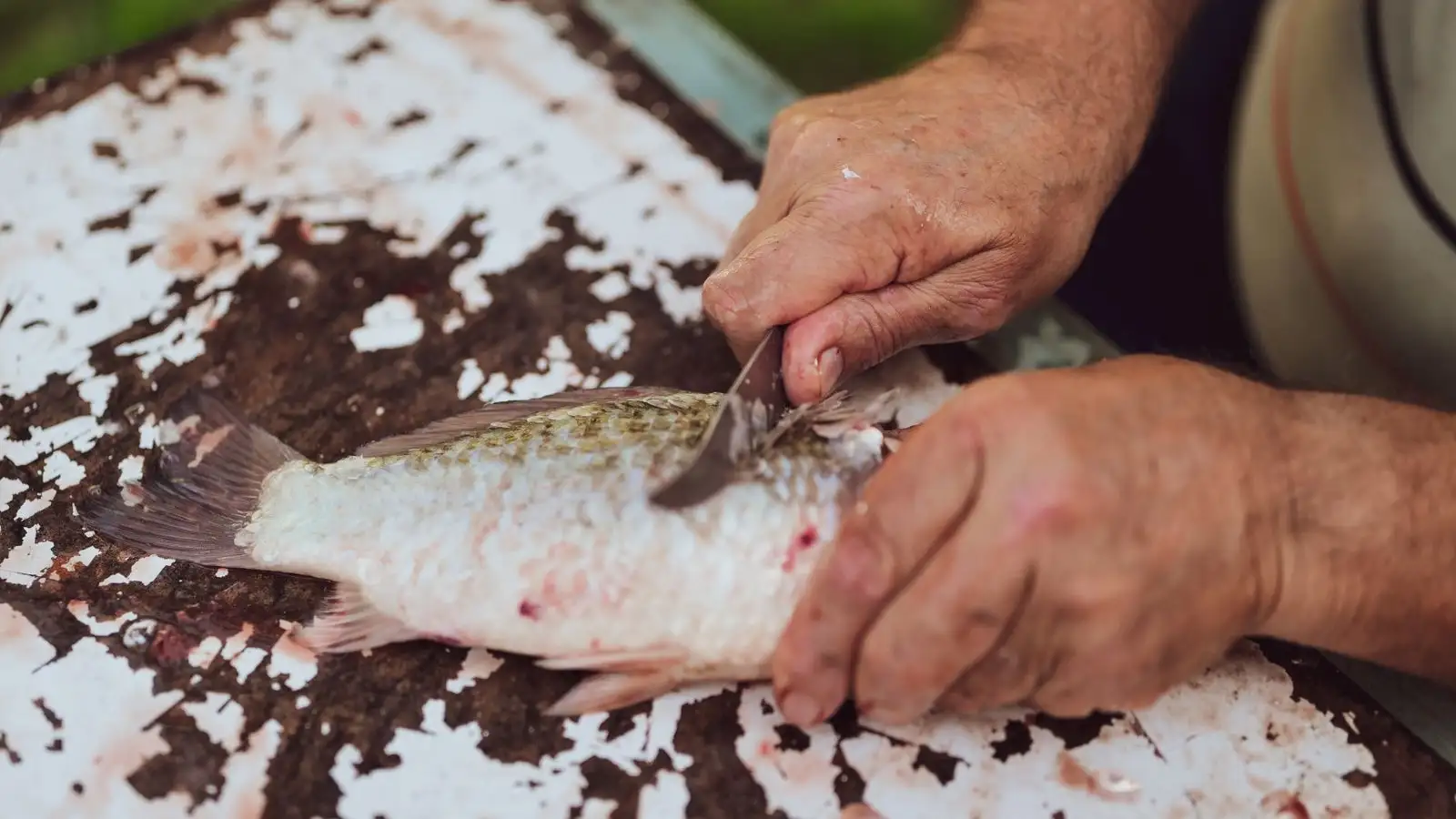
Scale round fish tail to head, skin flatfish instead of scraping, and pull catfish hide with pliers—plus gutting and rinsing so the flesh stays clean.
Bag limits and slot limits are shaped by the biological problem they were invented to solve. Read the reasoning behind the rule, not just the number on the sign.
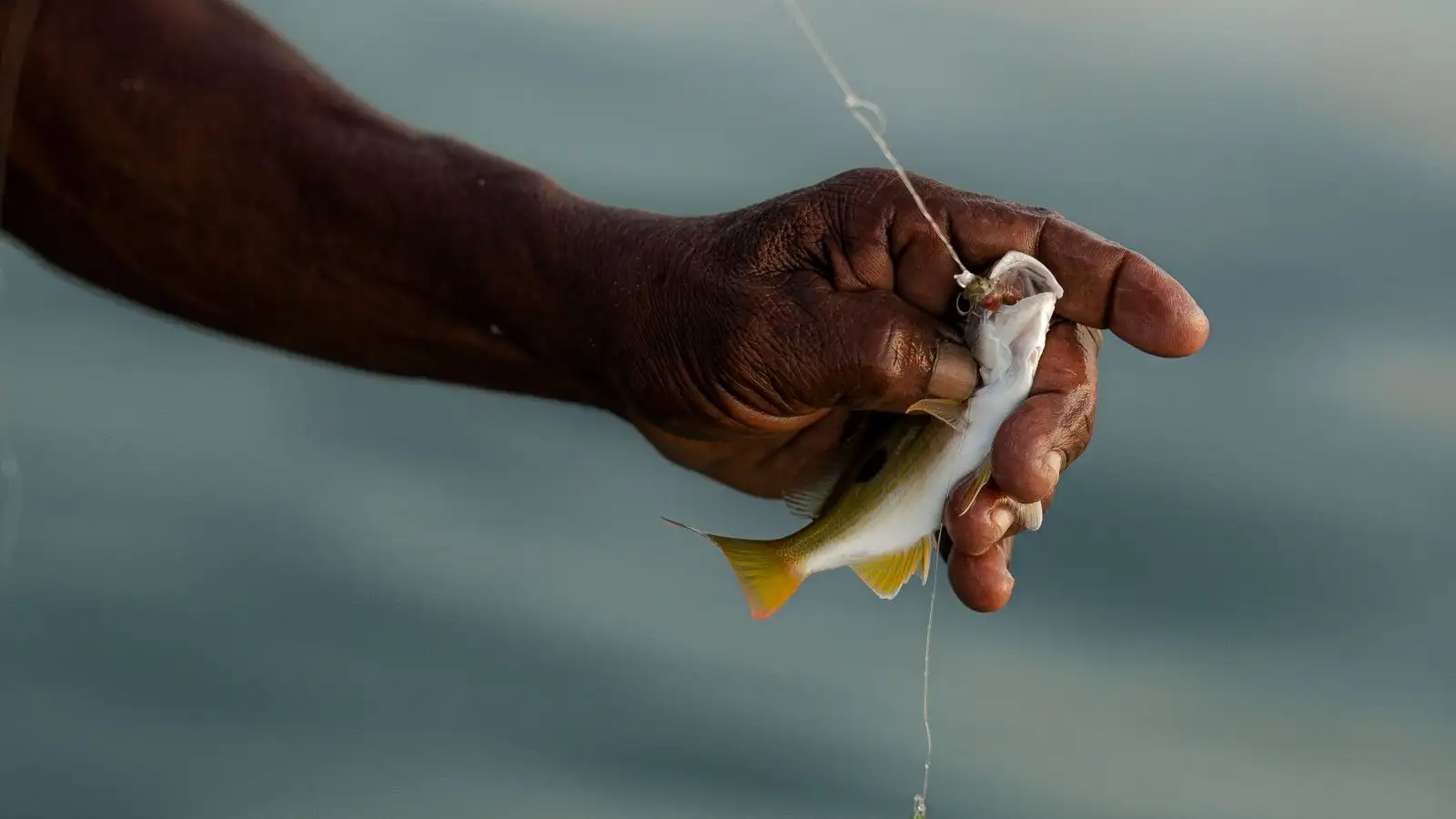
A deep-hooked fish usually does better when you cut the line close to the hook. Here's how I decide, and why a tidy extraction is often the worst outcome.
What happens to fish guts and carcasses after the cleaning table matters more than the knife work. Here is how to decide between deep water and the trash.
Fish handling is one continuous sequence from hookset to release. See how the fight, the landing, and the unhooking decide what revival can still fix.