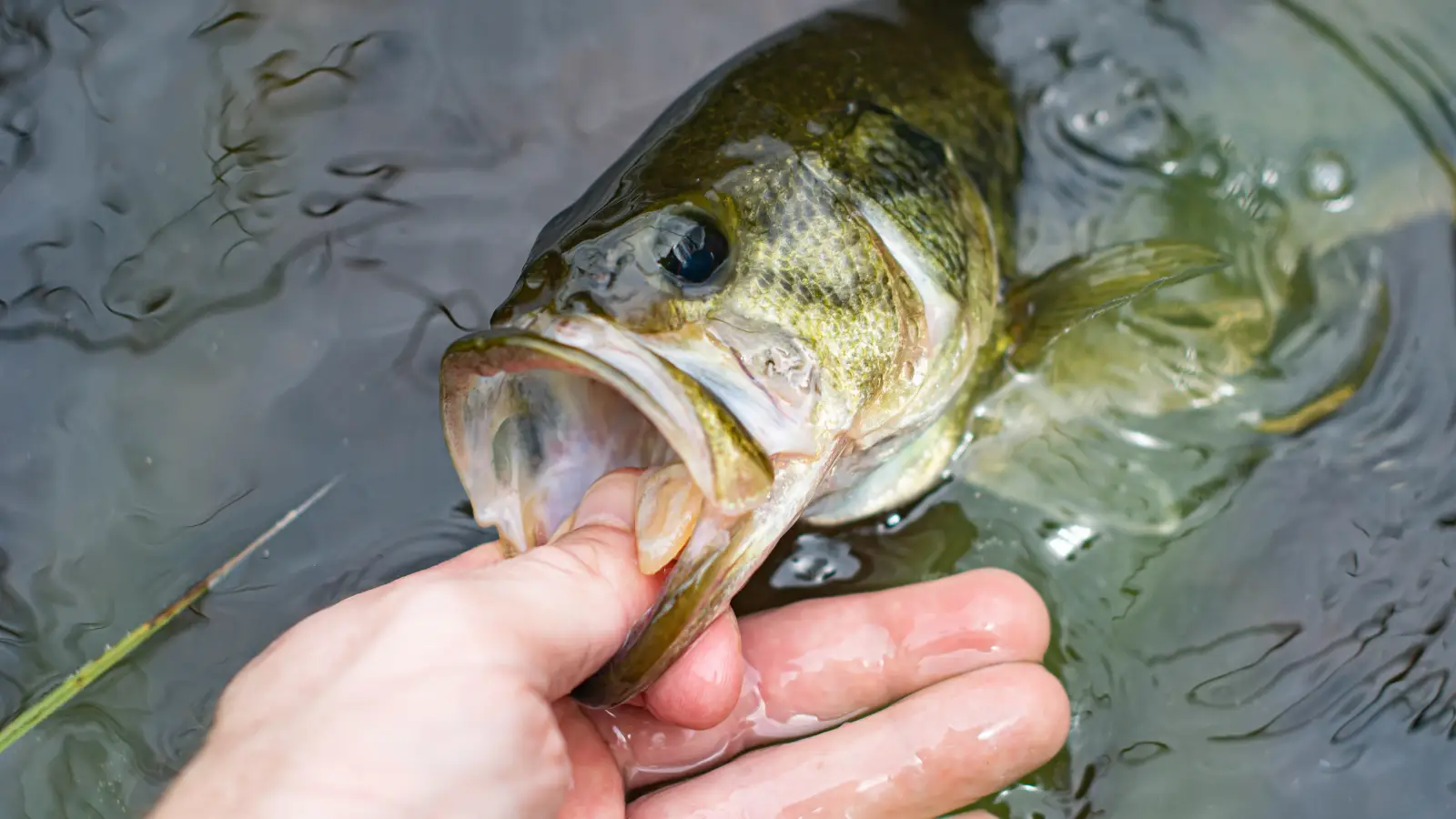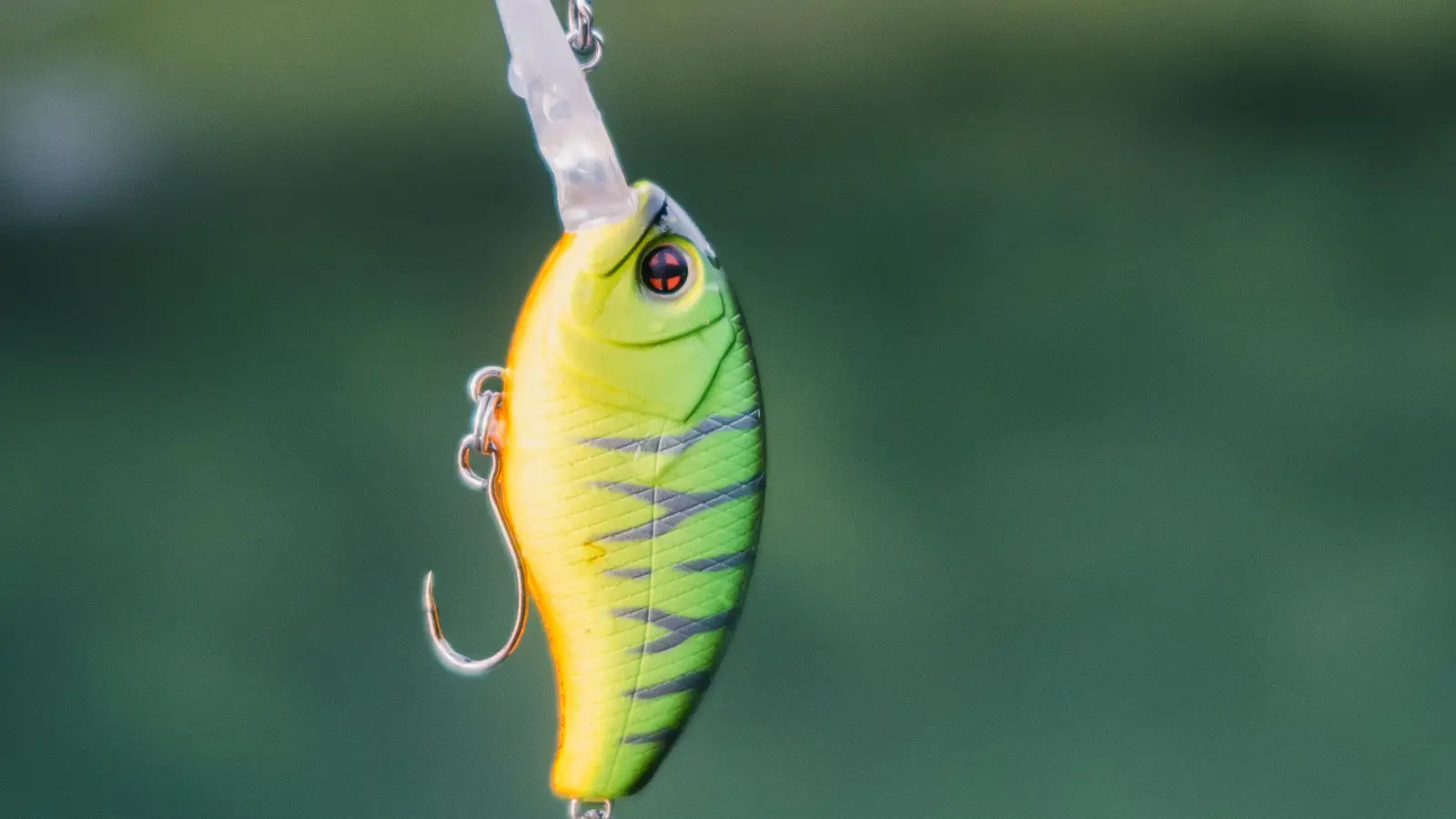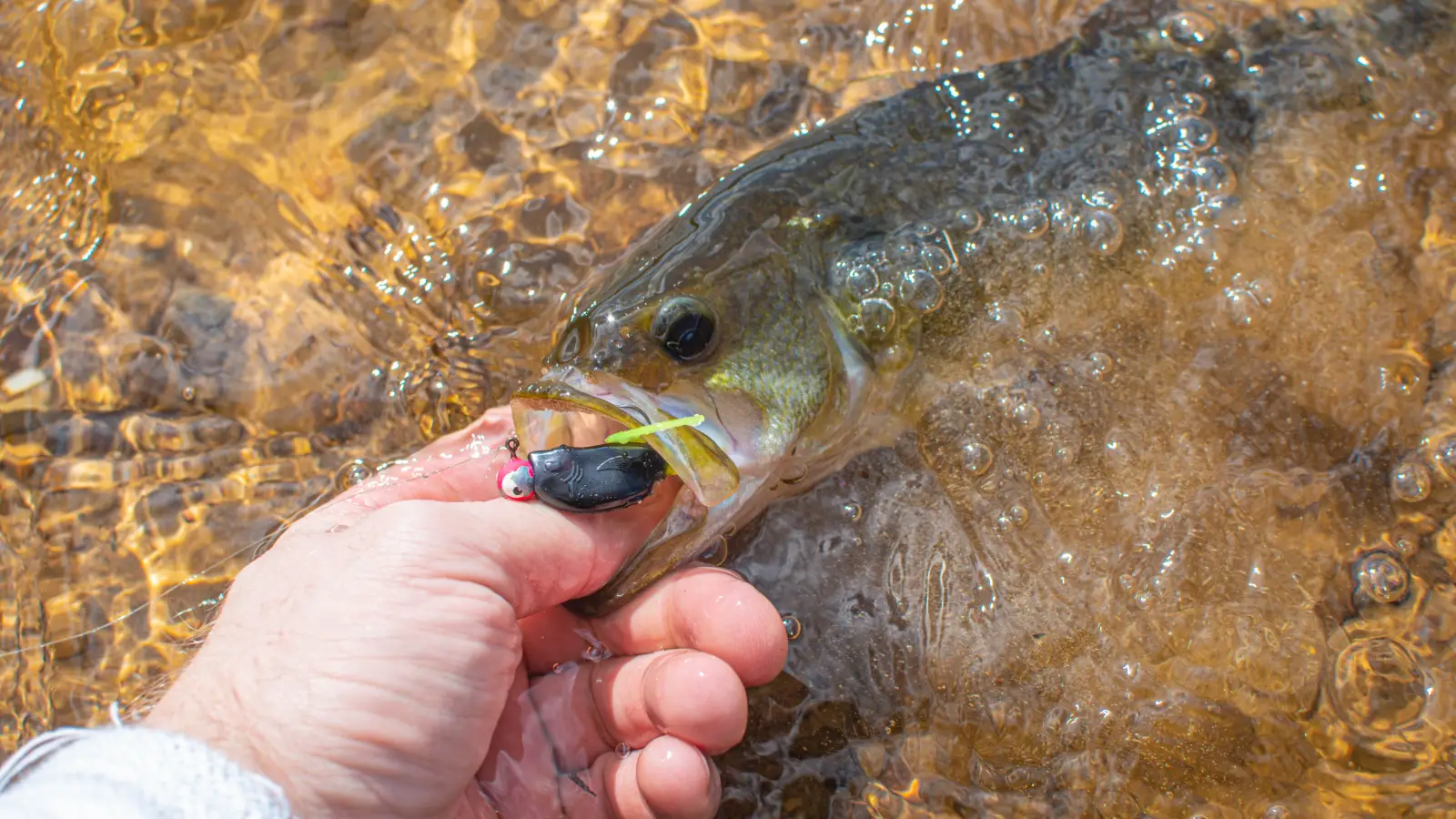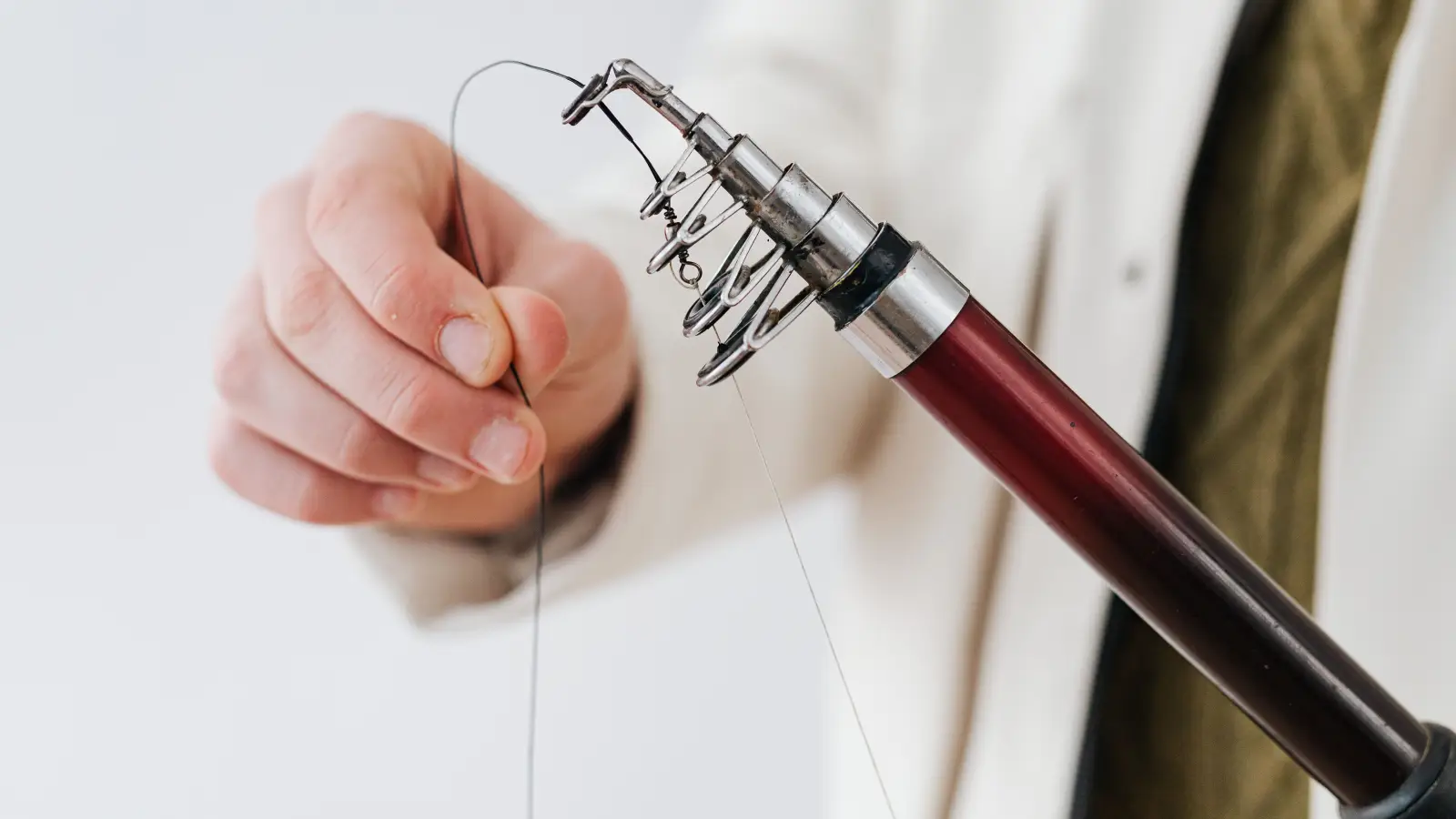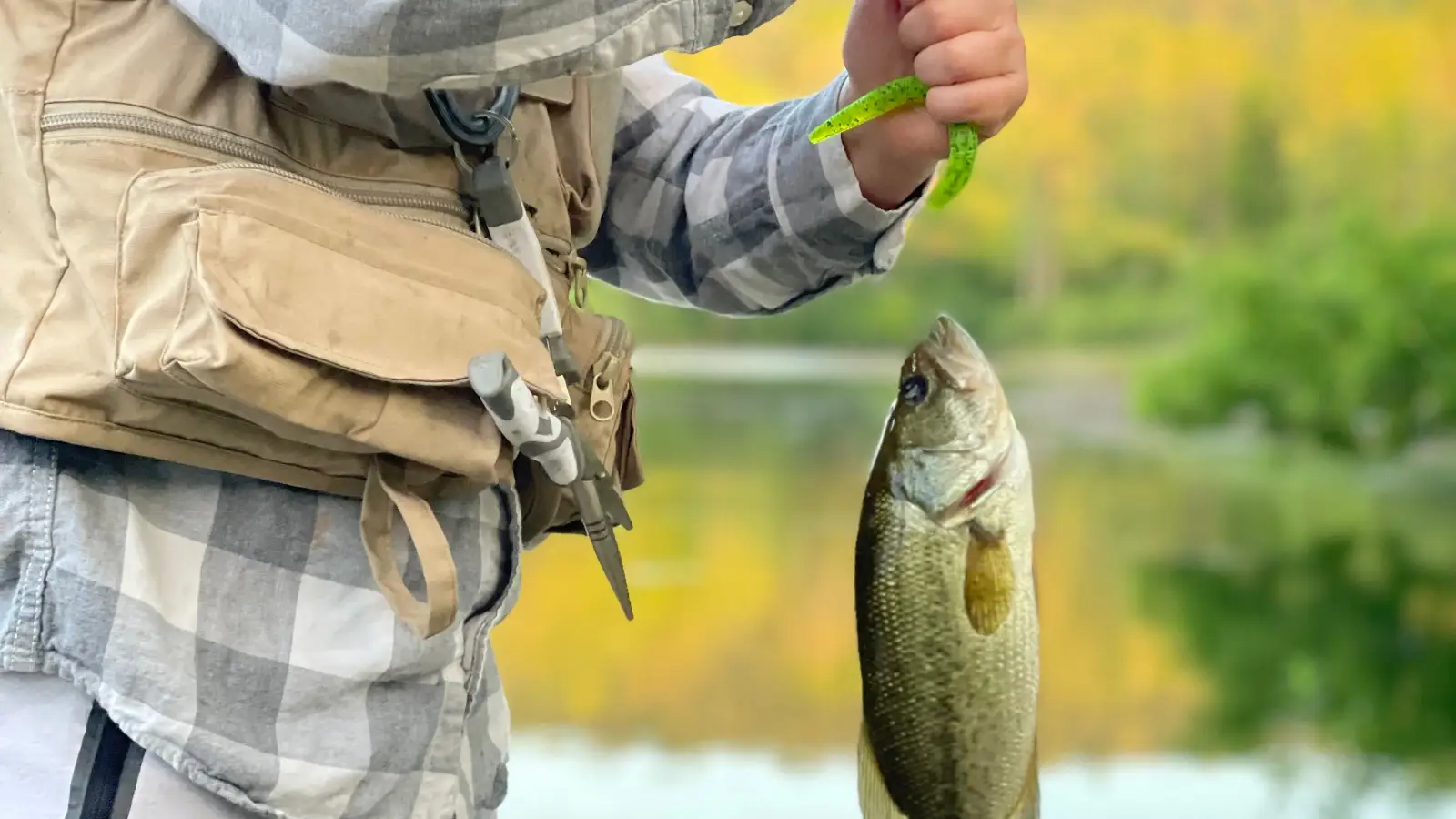
Most missed strikes on a Texas rig trace back to one thing: a bullet weight sliding free up the line. Peg that weight tight against the worm, and a couple of other small changes follow naturally—the hook point clears the plastic the instant a bass closes its mouth. The result is short strikes turning into solid hookups. Here is how to fix your rig, step by step.
What You Need to Peg Your Texas Rig Correctly
- Bullet weight (match it to water depth and cover thickness)
- Offset worm hook (3/0 to 5/0, depending on the soft plastic’s body diameter)
- Soft plastic bait—worm, creature, or craw
- Pegging material: rubber peg, bobber stop, or screw-in weight
- Pliers to check hook sharpness
A pegged weight stays put during the cast, the retrieve, and the strike. It eliminates the sliding gap that lets bass grab the bait without touching the hook. Rubber pegs are simple and reusable; a small bobber stop does the same job and lets you change peg tightness fast.
Re-Rigging the Texas Rig to Eliminate Short Strikes
1. Select the Right Weight and Peg It Securely
Choose the lightest bullet weight that still punches through the cover. In thick weeds, 1/4 oz or 3/8 oz gets it done; in sparse grass, 1/8 oz often works. Slide the weight onto the line, then thread on the peg. Push the peg so the weight does not slide under firm thumb pressure—zero movement is the goal. A tightly pegged weight forces the worm and hook to move as one unit. When a bass engulfs the bait, there is no lag while a sliding weight pushes the worm ahead of the hook point.
2. Thread the Worm Weedless with the Hook Point Buried
Insert the hook point into the nose of the bait about a quarter inch, then push it out the side half an inch further back. Slide the plastic up the shank until the hook eye sits inside the worm's head. Now bring the hook point around and bury it just under the skin along the worm’s back, leaving a thin layer of plastic covering it. This weedless position prevents snags, but the point must break free easily. Press the worm’s back with your thumb: the hook should depress the plastic without popping through until you hit it harder—exactly what a hookset delivers.
3. Check the Hook Gap for Clean Penetration
Look at the space between the hook point and the shank. That gap has to clear the compressed worm body and still sink deep into a bass’s jaw. If the gap looks small next to the bait's thickness, swap to a bigger hook or a slimmer plastic. A hook that cannot open a clear channel through the bait will leave you with a solid bite and an empty hand.
4. Set the Hook with Authority Once You Detect the Bite
A pegged weight sends bite signals straight through the line because nothing slides away from the rod tip. The typical feel is a sharp thump. Reel down fast to remove slack, then sweep the rod upward or sideways with force. The pegged weight makes the hook point rip through the plastic with the first ounce of pressure—provided the rod has load.
Rigging Errors That Lead to Missed Bass
Leaving the Weight Unpegged in Dense Cover
An unpegged bullet weight shoots up the line as soon as a bass inhales the bait. The weight moves separately, pushing the worm deeper while the hook stays buried. The bass feels hard metal against its lip and spits the whole rig before a hookset can arrive. Peg it, and that separation never starts.
Using a Weight That’s Too Heavy
A weight that sinks too fast blows through the strike zone, and a bass touching it feels resistance before its mouth closes. Switch to the lightest weight that still reaches the bottom, and peg it tight. The bait falls naturally, and the fish inhales without hesitation.
Burying the Hook Point Too Deep
Forcing the hook point through the plastic and out the other side, or burying it into thick plastic, locks the hook in place. It will not free itself on a normal hookset. Keep the point just under the surface skin, like a needle under a sheet of paper, so it pierces with minimal friction.
Not Matching Hook Size to the Bait
A hook too small leaves almost no gap. A hook too big tears the plastic or throws off the presentation. Match hook to body diameter: for a 6-inch worm, a 3/0 hook works; for bulkier creature baits, step to 4/0 or 5/0.
Pegging Methods: Which One Keeps the Lure Weedless?
All pegging methods stop the weight from sliding and preserve the weedless profile. The differences matter for durability and ease of adjustment.
- Rubber peg – Wedges inside the weight’s hole and holds it flush against the bait. Keeps the most streamlined weedless shape but the rubber can stretch over time.
- Bobber stop – A tiny bead-and-string stop that locks against the weight. Quick to adjust, holds well, and does not damage the line.
- Screw-in bullet weight – Threads onto the line and stays put. The coil inside can weaken under heavy pressure from a big fish, so check it often.
- Toothpick or matchstick – Old-school method. Breaks off inside the weight’s hole. It pegs cheaply but can fray the line and slips more easily than purpose-made pegs.
Texas Rig FAQ: Short Strikes and Hookup Ratios
Why do bass hit my Texas rig but I never hook them?
An unpegged weight is the top cause. The weight slides, the bass inhales only the bait, feels the metal, and spits. Peg the weight and set the hook point just under the plastic—most of those missed bites become hooked fish.
Does pegging the weight ruin the worm’s natural action?
It changes it, but bass in cover do not mind. A free weight pulls the nose down and can look less lively. A pegged rig glides as a unit, which triggers strikes. In open water with no cover, an unpegged weight may wobble more, but the hookup loss rarely justifies it.
What’s the best hook for a Texas rig?
An offset worm hook with a wide gap. EWG (Extra Wide Gap) models handle thick plastics better because they give more room between the point and shank. Brand is less important than getting the size right for your bait.
Can I leave the weight unpegged and still catch bass?
Yes, but you will miss more fish in weeds or wood. Unpegged weights work better in open water where bass can fully engulf the bait before feeling the weight. Pegging still raises hookup percentages across nearly all conditions.
From Missed Bites to Solid Hooksets
You now have a Texas rig that stays weedless and drives the hook home. A pegged weight, a correctly sized hook, and a carefully buried point mean that a bass that commits will not come off. Fish this rig around different cover densities next—denser vegetation calls for a tighter peg and sometimes a heavier weight—until you trust the feel of a solid bite and the timing of the hookset instinctively. When you want to refine things further, look into matching weight size to water depth and choosing between straight-shank and EWG hooks for specific soft plastics.