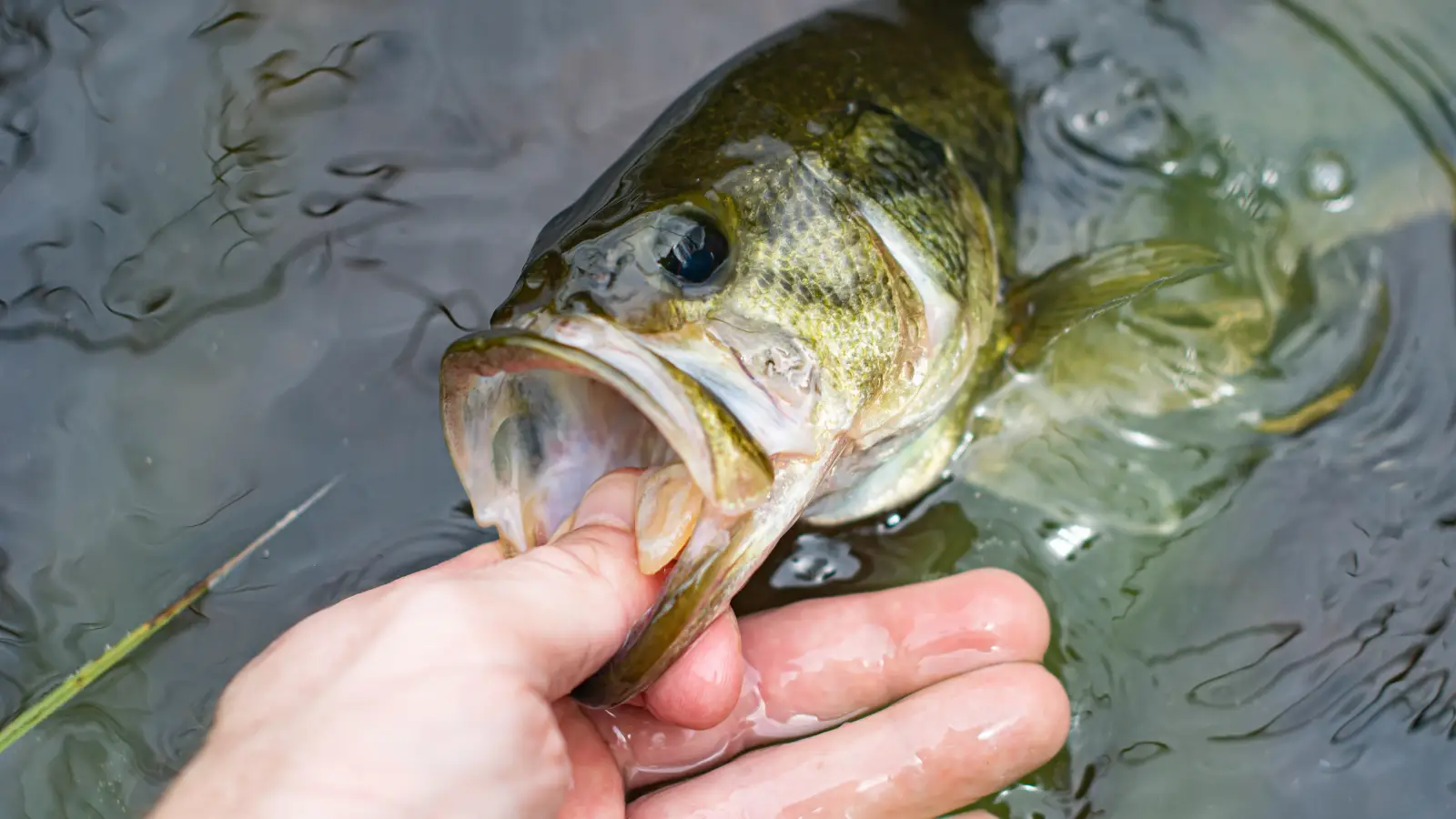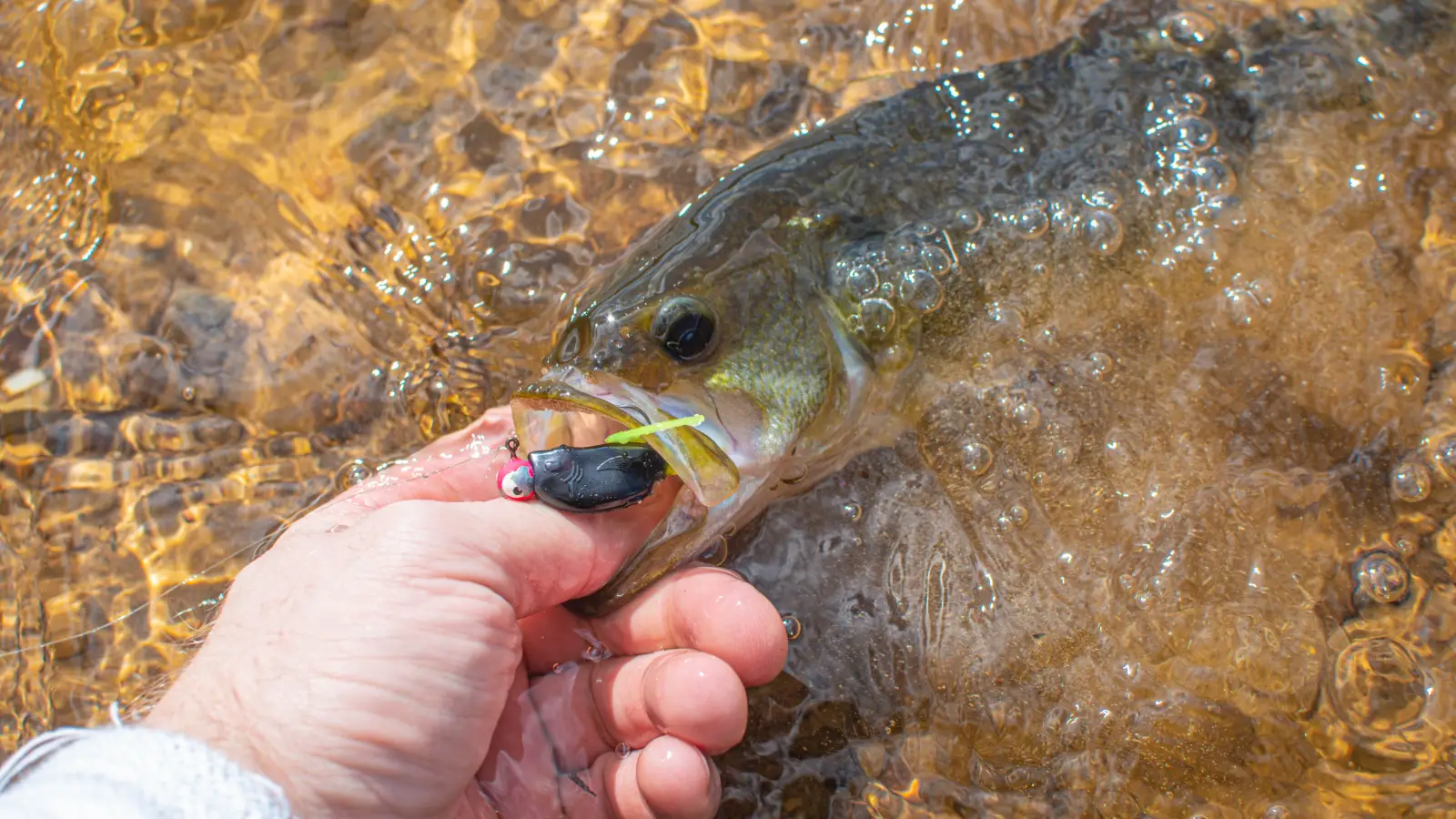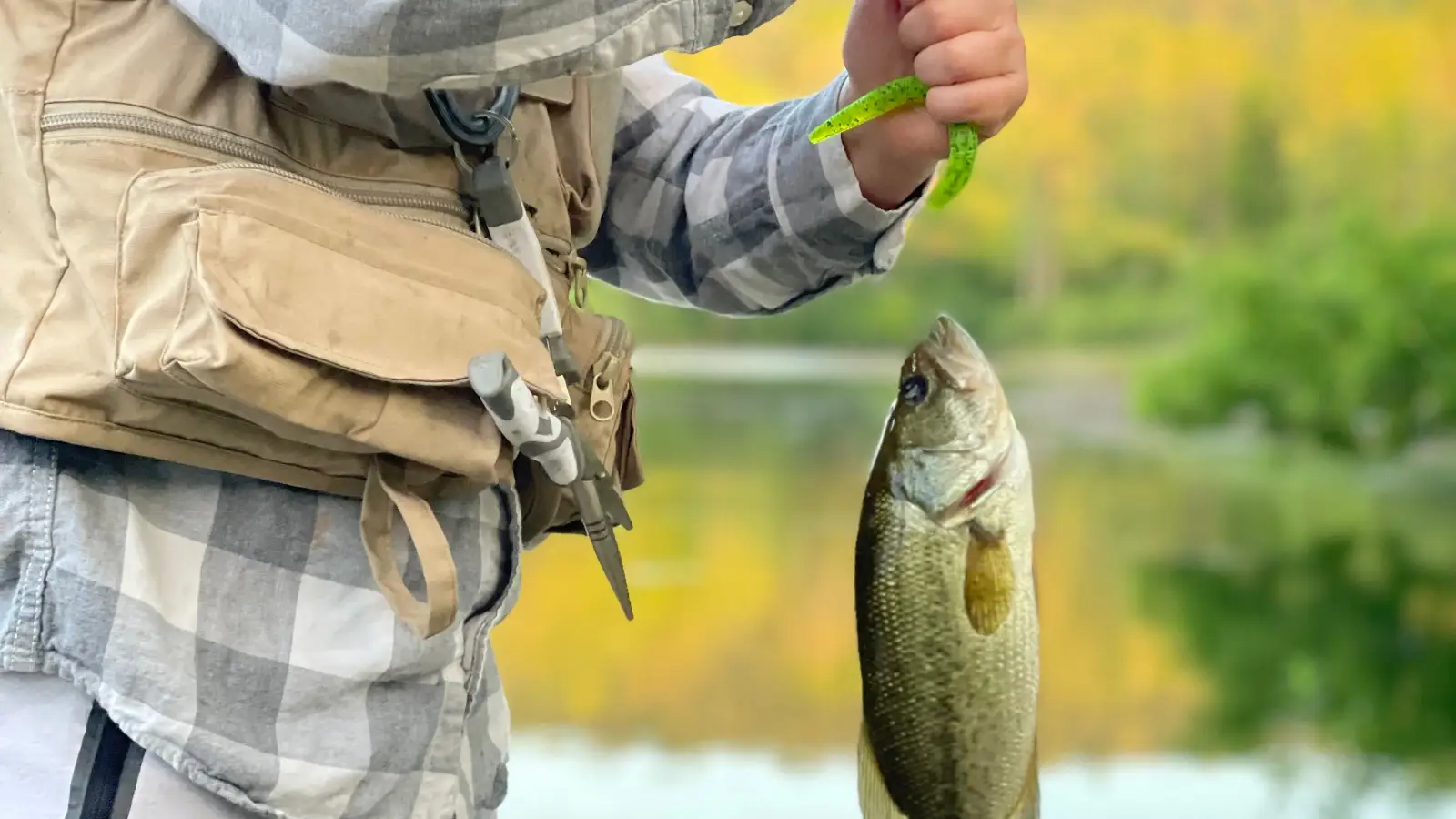
Bass don't pick spots by chance. The one clue that gives away their location is the sequence they use to sort environmental signals: water temperature, then current edges, then ambush structure. In that order. A bass runs this mental checklist every time it positions, because its biology forces it to. If an angler reads water with those same priorities—comfortable temperature first, energy-saving current second, attack cover third—the guesswork dissolves. The article lays out that hierarchy as a concrete system for finding fish, not as a list of fishing spots.
The Three Filters That Dictate Every Holding Position
A bass's behavior isn't random. It's constrained by three hard bounds that work in a strict order. Skipping one filter makes the next collapse.
Temperature is the gatekeeper. Because bass are ectothermic, every internal process—from enzyme function to muscle speed—clocks to water temperature. If the water falls too far outside the fish's tolerance window, it moves. No amount of perfect cover or current will keep a bass in a hostile thermal zone for long. Current seams are the energy budget. Once the temperature passes, the fish looks for a break from the current: a seam where it can hold position with minimal effort while food drifts by. Ambush structure is the final attack vector. Only with temperature and current satisfied does a bass pick the specific piece of cover, ledge, or weed edge that gives it the best ambush angle.
This hierarchy explains why a textbook laydown on a perfect point can sit empty while a seemingly dull bank ten yards away holds fish: the temperature or current filter removed it from contention before structure ever had a chance.
Why Temperature Sits at the Top
A bass's body temperature matches the water. Its metabolic rate, digestion speed, and burst-swim capacity all depend on staying within a preferred range—for largemouth, roughly 65°F to 80°F; smallmouth skew cooler. Outside that window, the fish either relocates or enters a lethargic state.
This filter is consistent even in extreme weather. On a scorching afternoon, a shaded pocket with a cold-spring seep can hold bass that a sun-baked flat thirty yards away cannot. In early spring before spawn, a shallow mud-bottom cove that warms a few degrees faster than the main lake will draw fish from far away. The clue isn't the cover itself; it's the temperature difference.
Doing this well means carrying a thermometer or using sonar with temperature readout and checking not just the surface but a few feet down. Look for sharp changes—three to five degrees over a short horizontal distance. These micro-thermoclines are the real boundaries. Once the thermal band is located, the angler knows bass are somewhere inside it. The next two filters fine-tune the exact spot.
How Current Seams Become the Bass's Superhighway
Current does more than move water. It concentrates disoriented prey, delivers oxygen, and provides a predictable flow axis the fish can face. But bass aren't built to fight heavy flow constantly. They seek the seam: the line where fast water meets slow, or where current deflecting off a point creates a downstream eddy.
In rivers, this is the familiar foam line trailing behind a boulder. In reservoirs, wind or water releases create seams along points, bridge pilings, or channel edges. Even lakes that seem still can have subtle flows from inlet creeks or thermal turnover that bass treat the same way.
Find the seam by reading surface indicators: debris lines, subtle changes in ripple texture, places where floating leaves collect. Then work the slow side of that line. A bass sitting there expends almost no energy—and can dart into the faster flow to grab a meal and return. A bait presented so that it tracks the seam at the fish's depth meets the bass exactly where its attention is already focused.
Ambush Structure: The Last Variable, Not the First
Once temperature and current align, the final filter is attack position. Bass are ambush predators. They want something to break their silhouette or funnel prey—a stump, a weed edge, a depth change, a dock piling.
Many anglers start right here, fishing cover without checking the first two filters. But structure alone is the stage; temperature and current decide whether the performance is even running. A laydown in dead water with no temperature edge might hold a single, inactive bass. Move that same tree to the edge of a current seam inside the thermal comfort zone, and it becomes a consistent producer.
Read structure with the bass's priorities: does the cover sit along the seam's slow side? Does it offer a quick escape to deeper water? The best ambush points are those where current pushes bait against the cover's face—a point bar where flow accelerates around the tip, a brush pile at the end of a wing dam, a channel bend that forms a back-eddy beside a fallen tree.
Applying the Filters: A Post-Storm Creek Mouth
Picture a warm summer day after a heavy thunderstorm. A creek mouth pours cool, turbid water into a lake. Approach the area. First, temperature: the inflow has dropped the surface temperature from 82°F to 75°F near the mouth, creating a sharp thermal break where it mixes with the main lake. That edge sets the first boundary—bass will be on the cooler side.
Second, find the current seam: the stained creek water flows out along the right bank, pushed by wind, and a visible foam line marks the edge where it meets clearer lake water. That seam runs a hundred yards down the shoreline. Bass will likely hold somewhere on that line, not scattered at random.
Third, scan for ambush structure along the seam: a submerged stump row sits twenty feet inside the stained water, directly in the path where current pushes baitfish against it. That's the target. Fish the upstream edge of the stumps with a spinnerbait, crossing the seam into slower water. The bass selected that spot because temperature was acceptable, current delivered food, and the wood gave them an attack lane. No one filter acted alone.
When the Order Breaks Down
Treating Temperature as an Afterthought
The most frequent mistake is fishing yesterday's pattern without rechecking temperature. A cold front can shift the preferred thermal zone by ten degrees overnight. A bass that was chasing over a shallow flat at dusk might be hugging the deepest nearby hole by dawn. Skipping the temperature check means casting to structure that is now too cold or too warm. The cost: hours on water that looks fine but holds no active fish.
Skipping Current to Jump Straight to Cover
Seeing a classic piece of structure often triggers an immediate cast. This bypasses the temperature and current filters. When that instinct takes over, the result is a hit-or-miss approach—fish are caught only where cover happened to align with the other two variables. Without the hierarchy, the pattern remains hidden and unrepeatable. The angler is fishing memory, not reading water the way a bass does.
Misreading the Seam's Width
Even those who locate a current seam often fish it too broadly. They cast into the strong flow or directly onto the structure, missing the narrow edge where the bass actually holds. A bass sits in the soft water inches from the current, not in the torrent. Presentation must place the bait in that transition zone, not in the general vicinity. When the edge is missed, the angler is close but ineffective.
Quick Reference: The Bass's Decision Ladder
| Filter Stage | What It Answers | Key Action |
|---|---|---|
| Temperature | "Am I comfortable?" | Use a probe or sonar to find sharp thermal breaks (3–5°F change). |
| Current Seam | "Can I eat without wasting energy?" | Identify visible foam/debris lines or subtle flow transitions. |
| Ambush Structure | "Where can I ambush most effectively?" | Find cover positioned along the seam's slow side with bait funneling past. |
FAQ
What water temperature do bass prefer?
Largemouth bass are most active between 65°F and 80°F. Smallmouth prefer slightly cooler water, about 60°F to 75°F. The more practical metric, however, is not the absolute number but the presence of sharp breaks—places where the temperature changes a few degrees over a short distance. Bass concentrate along those edges.
Do bass always hold on current seams?
In completely still water with no inflow, wind, or discharge, strong seams may be absent. In those conditions, bass rely more heavily on subtle temperature layers and isolated ambush structure. Even then, an angler should first check for any directional water movement—light wind can create seams strong enough to matter.
Can I find bass without any visible cover?
Yes. Bass will suspend in open water along a thermocline or on a current seam in featureless river channels. In those cases, the first two filters do the primary sorting. Cover may be no more than a slight depth change or a bottom irregularity.
How quickly do bass respond to temperature shifts?
Instantly. A bass detects temperature differences of less than a degree. If a thermal layer moves, the fish will reposition within minutes to stay inside its comfort band. This is why checking temperature as conditions change is not optional.
Is this hierarchy the same for all bass species?
The broad order holds for largemouth, smallmouth, and spotted bass, though smallmouth rely more heavily on current seams and rock structure and can tolerate cooler water. Adjust the temperature window accordingly; the sequence remains.
Begin With the Thermal Edge
The bass filters its world through a simple, repeatable sequence: comfort, food delivery, attack position. Every productive spot respects that order. The fastest way to sharpen water-reading is to treat temperature as the first check on any trip. Find the break; let current and structure reveal themselves next.