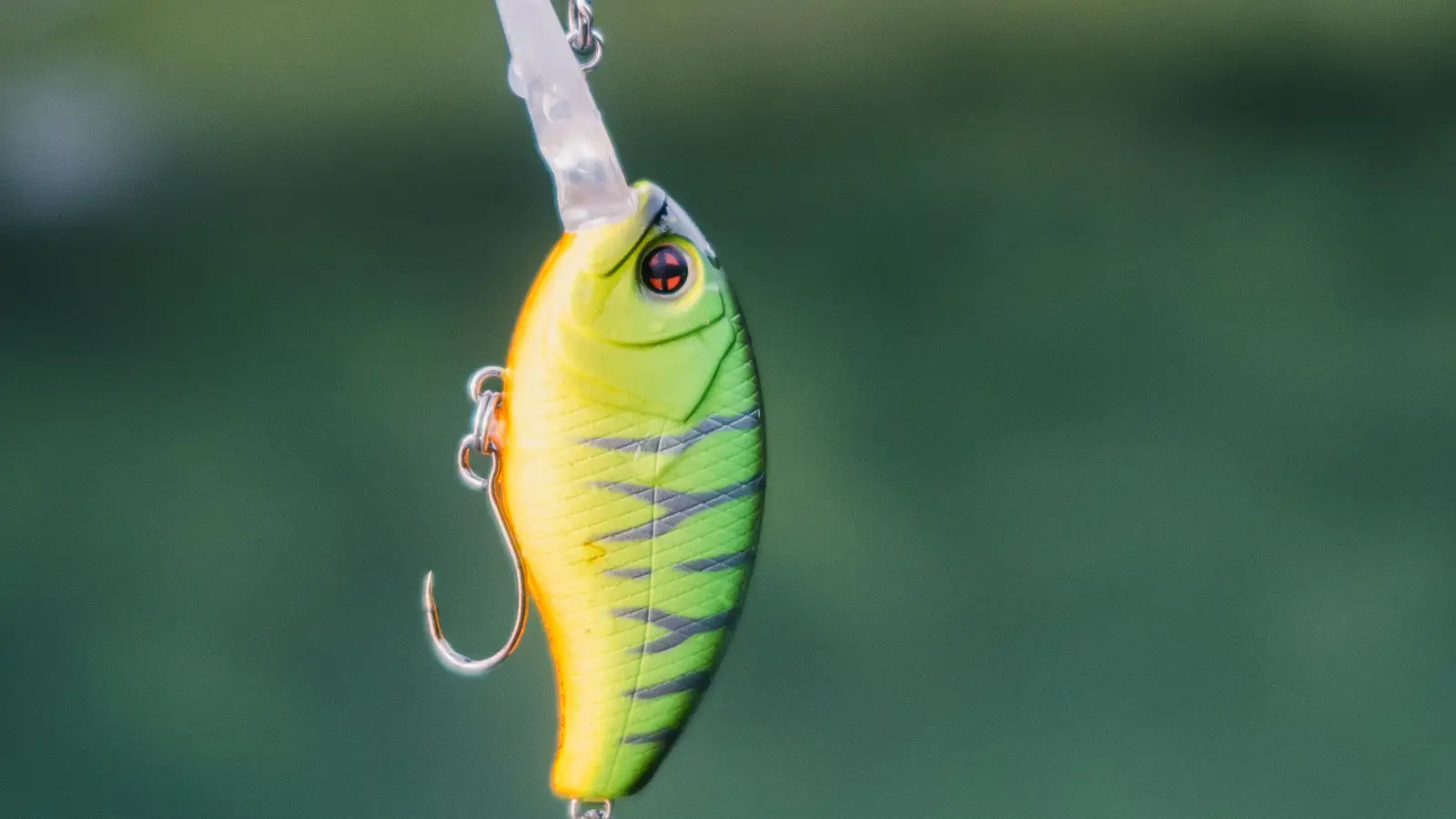
If an angler spends ten minutes choosing between watermelon red and green pumpkin but never checks the depth the bass are holding, that’s a problem. Lure color matters far less than depth and action when it comes to triggering strikes. A bait at the right depth with the right movement—a hard-thumping spinnerbait or a twitching jerkbait—will draw hits in the blandest colors. A perfectly colored bait in the wrong zone gets ignored. The real key is matching lure type to water clarity and bass activity level; color is just fine-tuning.
Position First, Action Second, Color Distant Third
Bass process prey in a strict order: first they locate it by depth and position, then they decide if its movement signals food, and only after that does color enter the picture. That’s why the right lure in the wrong place is useless.
Water clarity determines how far away a bass detects a lure. In muddy water, the lateral line dominates; in clear water, sight matters, but contrast and silhouette—not exact hue—are what a bass keys on.
Once a fish knows something is in its strike zone, the lure’s action—wobble, flash, speed, cadence—triggers either a reaction strike or a feeding response. A fast, erratic retrieve provokes a predatory reflex even from neutral bass. Color only matters when two lures have identical depth and action; at that point a high-contrast or natural shade might pick up a few extra bites.
Forget Color: Use This Clarity-Activity Matrix Instead
The solution is a two-input decision system: water clarity (clear, stained, muddy) and bass activity level (active, neutral, sluggish). These dictate which sensory triggers to rely on and how aggressively you present the bait.
Reading Water Clarity
- Clear water (4+ feet visibility): Bass hunt by sight. A realistic profile and subtle action matter most. Flashy colors can spook fish; translucent or natural patterns work, but action that mimics a fleeing baitfish matters more.
- Stained water (1–4 feet visibility): Sight and vibration both count. Lures with pronounced wobble, flash, or rattle create a strong silhouette and water disturbance.
- Muddy water (less than 1 foot visibility): Bass rely almost entirely on vibration and scent. Lures must push water hard—big blades, heavy thump—and linger in the strike zone long enough for the fish to home in.
Assessing Bass Activity Level
Activity shifts with time and weather. Active bass chase fast baits and crush reaction lures. Neutral bass want precise placement and an erratic, slower retrieve. Sluggish bass demand a painfully slow, bottom-hugging presentation that stays in their face.
Active bass signs: surface feeding, baitfish skipping, stable weather. Sluggish conditions: post-cold front, high sun in summer, glass-calm clear water. A simple gauge: if bass swirl at a topwater but don’t commit, they’re neutral. If nothing reacts, go bottom and slow.
The Clarity-Activity Lure Selection Matrix
| Water Condition & Activity | Lure Type & Action | Why It Works |
|---|---|---|
| Clear, active | Walking topwater, fast walk-the-dog | Surface commotion imitates fleeing shad; bass look up and attack |
| Clear, neutral | Suspending jerkbait with long pauses | Erratic twitch-and-float draws curious strikes |
| Clear, sluggish | Drop-shot rig, subtle shaking | Keeps a small profile in the strike zone without spooking |
| Stained, active | Spinnerbait, fast retrieve | Heavy vibration and flash cut through reduced visibility |
| Stained, neutral | Square-bill crankbait deflecting off cover | Banging into structure creates irregular action and noise |
| Stained, sluggish | Jig with craw trailer, slow drag with hops | Bottom contact and subtle movement; scent seals the deal |
| Muddy, active | Colorado-blade spinnerbait or buzzbait | Maximum thump and surface commotion draws bass from a distance |
| Muddy, neutral | Chatterbait steady retrieve | Constant blade vibration gives a strong lateral-line signal |
| Muddy, sluggish | Texas-rigged creature bait, dead-sticking | Large profile and minimal movement; bass hit on pure feel |
This matrix is built around action and depth, not color. Swap a chartreuse spinnerbait for white in stained, active water and you’ll still catch fish. Fish the wrong depth or the wrong action and color won’t rescue you.
When Color Actually Matters—But Don’t Count On It
Crystal-clear water under bright sun, or bass keying on a specific forage with a distinct hue, can make color a tiebreaker. For instance, in clear reservoirs where shad have a faint purple tint, a natural shad pattern might out-fish a bright clown pattern. But depth and action still rule. The color difference might turn one bite an hour into two, not zero into ten.
Real-World Test: The Matrix on Clear Water Then Stained Water
Early morning on a clear lake, bass are slashing shad on top. An angler grabs a bone walking bait and works it fast. The erratic side-to-side action provokes blowups. A buddy throws the same lure in a different color but hesitates on the retrieve; he gets fewer strikes. It’s not the color, it’s the pause that killed the action.
Later, the sun climbs and the fish slide deeper. The angler switches to a drop-shot rig with a green pumpkin worm, shaking it at the precise depth where the graph shows fish. A bass picks it up. Another fisherman trying to force a spinnerbait through the same zone gets nothing, even though his color matches the forage. The failure is presentation—depth and speed—not hue.
How Color Obsession Costs You Fish
Treating Color Like a Magic Bullet
The most common dead end: agonizing over green pumpkin vs. watermelon red while the lure runs 10 feet above the fish. Tackle shops love the color frenzy because it sells more baits. No color swap fixes a bait that’s out of the strike zone.
Skipping the Depth Adjustment When Fish Are Suspended
When bass suspend over deep water, they might be at 20 feet in 40 feet. Many anglers fish top to bottom without ever locking onto that specific depth. A crystal-bright lure at 20 feet is useless if it never stays there. The fix: use electronics to locate the thermocline or bait schools, then pick a lure that stays at that depth—like a spybait or a weighted swimbait—and only then fine-tune color.
Ignoring Activity Level and Forcing the Wrong Speed
Throwing a fast-moving buzzbait on a post-frontal bluebird day when bass are hunkered down and refusing to chase is like tossing into a dead zone. Slowing down and downsizing to a Ned rig or finesse jig would draw strikes even in a dull color. The failure isn’t color; it’s pace.
Lure Selection Cheat Sheet (Quick Reference)
| Stage | Goal | Key Action |
|---|---|---|
| 1. Assess clarity & activity | Determine which senses bass rely on | Check visibility; note whether fish are chasing, neutral, or buried |
| 2. Choose lure type | Match action to water and mood | Pick a presentation that delivers the right vibration/silhouette at the right depth |
| 3. Fine-tune color | Break ties only | Use translucent/natural in clear, opaque/bright in stained, dark in muddy—only after depth and action are nailed |
Questions Bass Color Believers Still Ask
Does lure color really not matter at all for bass?
Color matters, but only after depth and action are right. Think of it as a tiebreaker: when two lures are identical in presentation and still failing, a color switch can help. Most days, depth and action are what earn strikes in the first place.
What’s the one lure color I should always have?
A natural baitfish pattern like silver/black back or a green pumpkin soft plastic covers most clarity conditions because it offers contrast without being frightening. But don’t expect it to work if you’re fishing it wrong.
How can I quickly gauge bass activity level?
Watch for surface feeding, baitfish behavior, and recent weather. Active bass chase bait on top; sluggish bass show up on sonar but won’t move. Neutral fish might follow but not commit. Adjust speed first, not color.
Do bass see UV or glow colors at depth?
Bass can perceive some UV, but the effect is limited and vanishes in dirty water. Glow colors can help in ultra-low-light, muddy conditions by providing a silhouette, but again, vibration and action do the heavy lifting.
Think Less About Color, Catch More Bass
A simple system cures color obsession: read water clarity first, estimate activity level second, then pick a lure that puts punishing action in the strike zone. Color is the final tweak, not the foundation. Start with the matrix, and you’ll spend less time staring at a tackle tray and more time setting hooks.