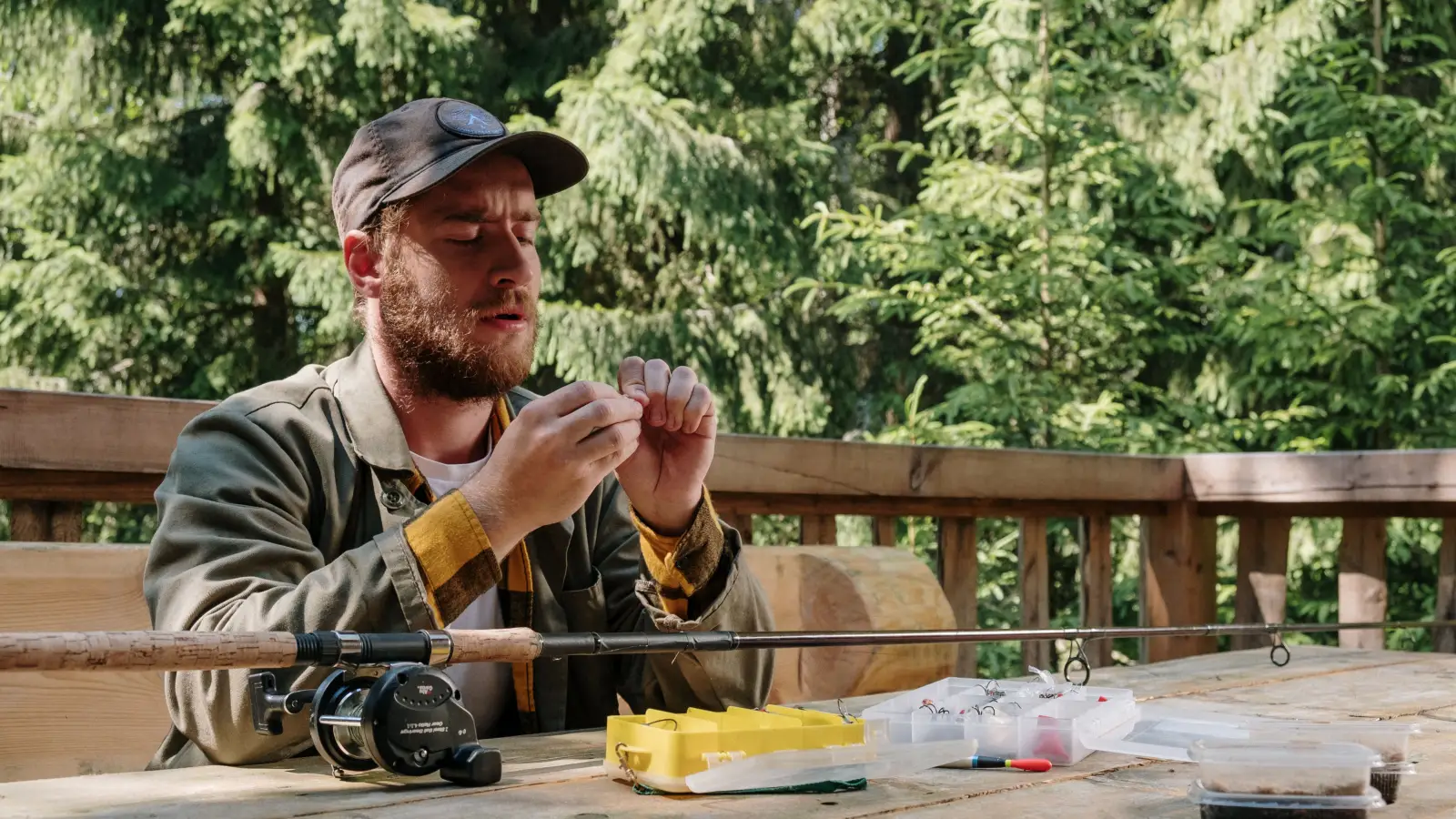
A guide doesn't waste time debating knots. When he picks up a client’s rod, he runs his finger over the connection, gives it a hard pull, and knows whether it’s safe. In a direct side-by-side comparison, the FG knot beats the double uni knot every time on the three checks that actually matter: a slim profile that slips through guides, breaking strength that holds near the line’s rating, and a re-tie time that keeps lures in the water instead of hanging in the boat. The double uni knot gets used because anglers know it; but on the water, that familiarity costs you fish.
The Only Tools You Need to Replicate a Guide’s Check
You don’t need a tackle shop worth of gear. The comparison runs on what you likely already own.
- A 7-foot medium-heavy spinning rod with a reel spooled in 30-pound braid
- 20-pound fluorocarbon leader material
- A digital scale that captures peak weight (luggage scales work fine)
- A stopwatch or the timer on your phone
- Sharp braid scissors or line clippers
- A solid anchor — a fence post, a door handle, or an eye bolt in a workbench
Three Checks a Guide Runs on Every Braid-to-Mono Connection
Run a Finger Over the Knot to Judge the Profile
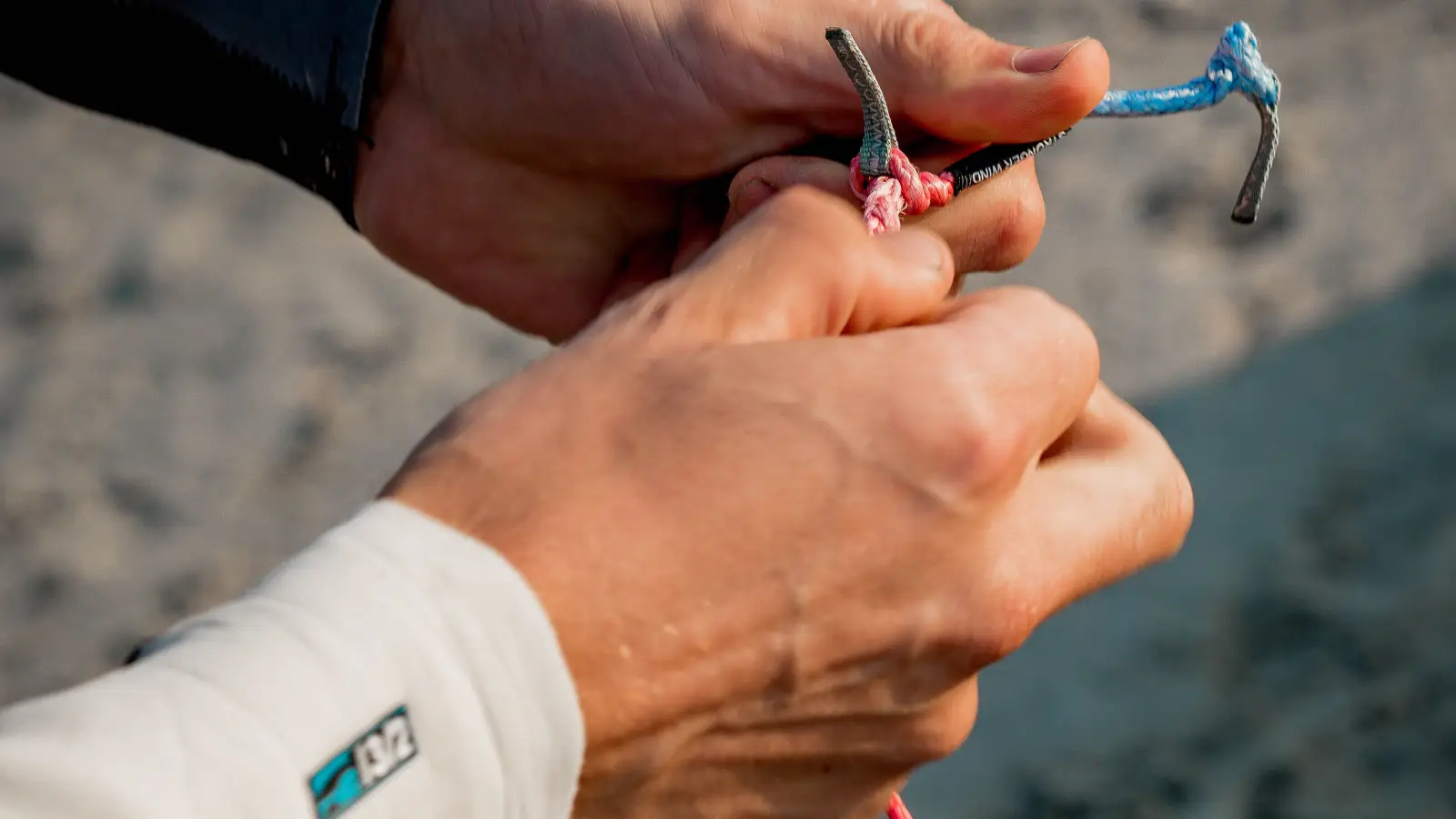
Tie one FG knot and one double uni knot, both joining 30-pound braid to 20-pound fluoro. Leave about three feet of leader on each piece.
Close your eyes and slide a thumb and index finger along each knot. The FG feels like a faint spiral — very close to the thickness of the main line. The double uni knot produces a distinct double-barrel lump that catches your fingertip. That lump is what bangs through the rod’s first guide on a cast and steals distance. A guide runs a tactile check first because if it feels bulky in your hand, it will feel even worse under load. The FG passes; the double uni fails.
Pull Each Knot to Breaking Point on a Scale
Anchor the leader to your solid point and attach the scale to the rod butt or reel seat. Lock the drag and pull in a straight, steady line until the connection separates. Do this three times per knot and note the average.
A correctly tied FG knot breaks inside the fluorocarbon leader, not at the knot, and usually holds above 18 pounds for 20-pound test. The double uni knot, even with five wraps on fluoro and eight on braid, snaps near 12 to 14 pounds. The breaking point is almost always the knot itself. That 30 percent difference isn’t a statistic — it’s the difference between landing a strong fish and watching it leave with your leader.
Time a Retying Drill Under a Stopwatch
Simulate the pressure of a hot bite. Cut off a frayed leader, start the stopwatch, and retie the same knot. Run the drill three times for each connection.
An angler who has practiced the FG knot can re-tie it in 90 seconds to two minutes, even on a rocking boat. The double uni forces you to tie two separate knots, tighten them separately, and draw them together — and that rarely finishes in under three minutes. Rushing it only burns the fluorocarbon or leaves uneven wraps that slip. A guide wants bait back in the water now, not later. The FG gets it there faster.
Mistakes That Will Fail a Guide’s Inspection Every Time
Tying the FG Wraps Dry
The FG works because braid wraps bite into the leader. Dry braid won’t cinch evenly; it frays and leaves weak spots. Wet the braid and leader before pulling the knot home. If the wraps look fluffy or uneven after seating, cut and start over. No exceptions.
Leaving a Gap Between the Double Uni Knots
The double uni’s weak spot is the space between the two barrel knots. If one knot tightens before the other, or a gap remains, the connection slips under load. Snug each uni slowly, then pull them together with steady, even pressure — not a hard jerk.
Leaving Long Tag Ends
Any tag end longer than 1/16 inch will catch a guide ring and potentially cut the knot. With the double uni you’ve got two tags doubling the trouble. A guide clips tags flush, then touches the fluorocarbon tag tip with a lighter to mushroom it slightly so it can’t pull back through.
Skipping the Pre-Cast Pull Test
No guide ties a knot and casts immediately. Every connection gets a hard pull — with hands wrapped in a towel if needed — before the lure flies. If it’s going to break, it should break at the boat. This step catches nicked leaders, incomplete wraps, and user error before they cost a fish.
Other Connections for Situations Where the FG Won’t Do
The FG knot wins most head-to-head comparisons, but it’s not the only knot worth knowing.
- Alberto knot (improved Albright): When cold fingers or heavy wind make FG wrapping impractical, the Alberto is a solid substitute. It ties faster, holds around 80 percent of line strength, and still slips through guides well enough. It’s the logical backup.
- Double uni for ultralight lines: With 6-pound braid to 4-pound fluoro, the bulk difference shrinks to nothing. The double uni becomes a reasonable choice because you’re not chasing maximum breaking strength. Just use a few extra wraps on the braid side.
- Hollow-core splice: In heavy offshore gear, splicing the mono inside hollow braid eliminates the knot entirely. This isn’t a spinning-rod solution; it belongs on big-game reels, but it’s worth knowing.
Practical Questions Anglers Ask After Testing Knots
Will the FG knot really add casting distance?
Yes. The slim profile cuts guide friction, especially the first guide from the reel. With light lures, you can gain 10 to 15 feet of extra distance compared to the double uni, simply because there’s no lump to hog momentum.
How many wraps does an FG knot need?
For braid up to 50-pound test, 20 to 22 wraps are standard. Below 18 wraps and the braid may slip; above 25 on light lines adds bulk without extra strength. The key is wrapping tightly and keeping each turn against the previous one.
Can you tie an FG knot in the dark or with numb fingers?
With enough repetition, yes — but most experienced anglers tie several leaders ahead of time and stow them on spools for loop-to-loop swaps. If you must tie fresh in low light, the Alberto knot is your quick, reliable fallback.
Why does a carefully tied FG knot still slip sometimes?
The most common reason is that the braid isn’t digging in deeply enough. Too many wraps can spread the pressure and cause slippage. Pull the braid tag until the coating cracks and the wraps turn translucent; that’s the visual cue of a locked FG. Without that change, the knot isn’t done.
What You Now Know That Most Anglers Don’t
You have the same three-check protocol a guide uses every day: profile, pull strength, and re-tying speed. The FG knot passed all three; the double uni passed none of them under real-world conditions. But a knot is only as good as the hands that tie it.
Before your next trip, sit down with your rod, your scale, and a stopwatch. Run the three checks on every leader you build. Once you can tie the FG knot in under two minutes and break the leader before the knot, you’ve built a connection that will survive a guide’s harshest look — and the fish that takes off with it.