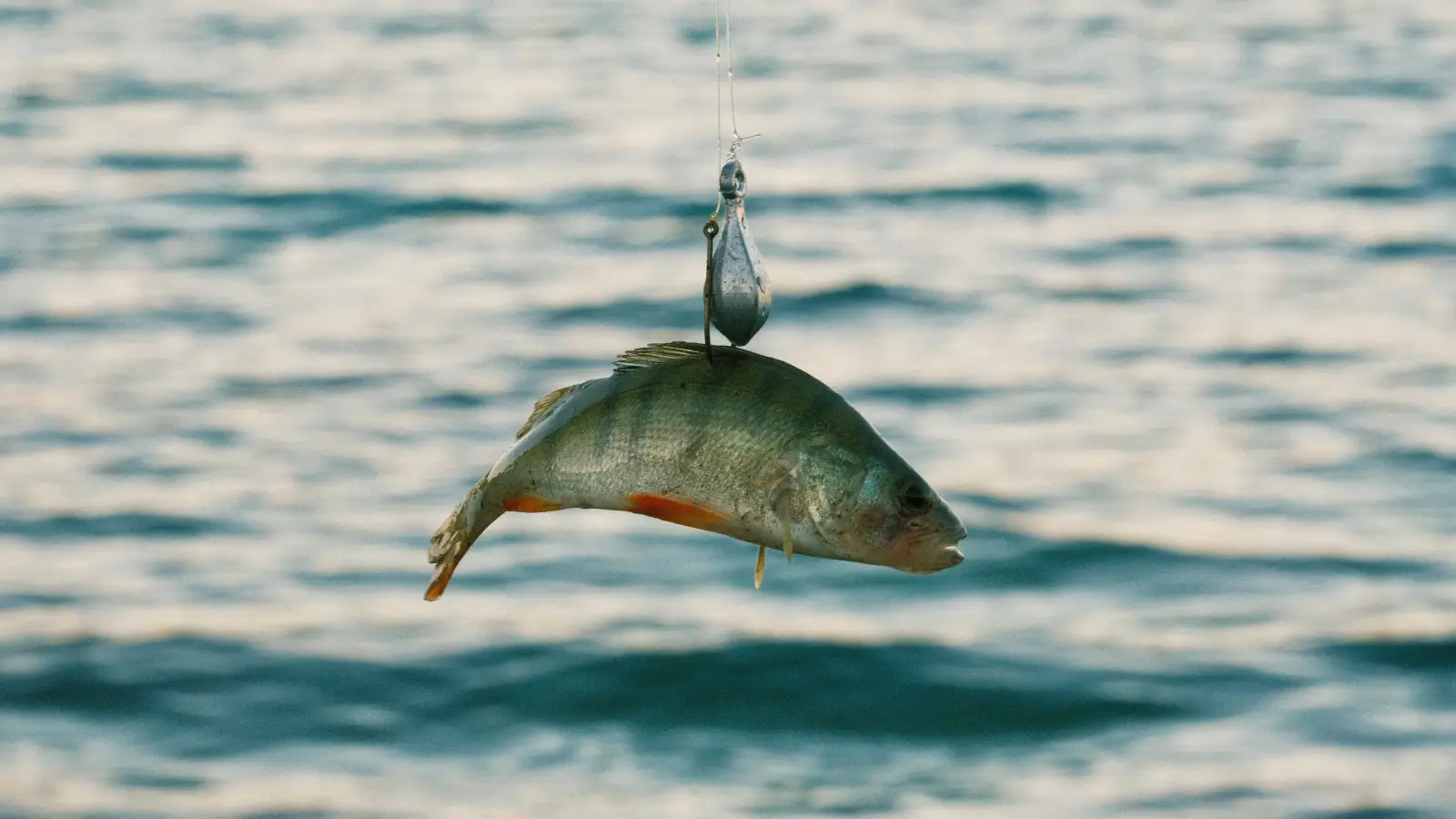
Most fish lost aren’t lost to bad casts. They’re lost because the rigging was wrong before the lure ever hit the water. Line too stout for the cover, a knot that never locked, a lead that choked the action—these five rigging mistakes bleed fish every trip. This on-the-water checklist diagnoses the problem fast and gives you the fix you can run right now, without changing your whole approach.
Which Symptom Fits Your Morning?
Before you start swapping gear, find your exact failure in the list below. Each one leads to a different root cause.
- Taps but no hookups. You feel a thump, swing, and come up empty.
- Fish shake free mid-fight. They’re on, then they’re off after a couple of headshakes.
- Zero bites in heavy cover. Fish are holding tight but nothing touches your bait.
Fixing Short Strikes: Line, Weight, and Knot Profile
Heavy Line Numbs the Bait’s Action
Spot it fast: Watch your bait in clear water. A thick line makes it move like a stick, not a minnow. Fish nip at the tail but won’t commit.
Fix right now: Drop down one line class or swap thick mono for thin braid with a fluoro leader. The bait regains its dart and glide.
What changes: Solid takes replace those half-hearted taps.
Weight Pieced Too Close to the Bait
Spot it fast: The bait’s nose sticks in place and the tail barely twitches. No side-to-side life at all.
Fix right now: Slide the weight up the line 12–18 inches. Use a Carolina rig or peg the weight well back so the bait swings free.
What changes: The bait walks and darts naturally; fish strike with confidence.
Bulky Knot Disrupting the Strike
Spot it fast: Bait spins or helicopters on the retrieve. Look at the knot—if it sticks out like a pea in front of the bait, fish shy away.
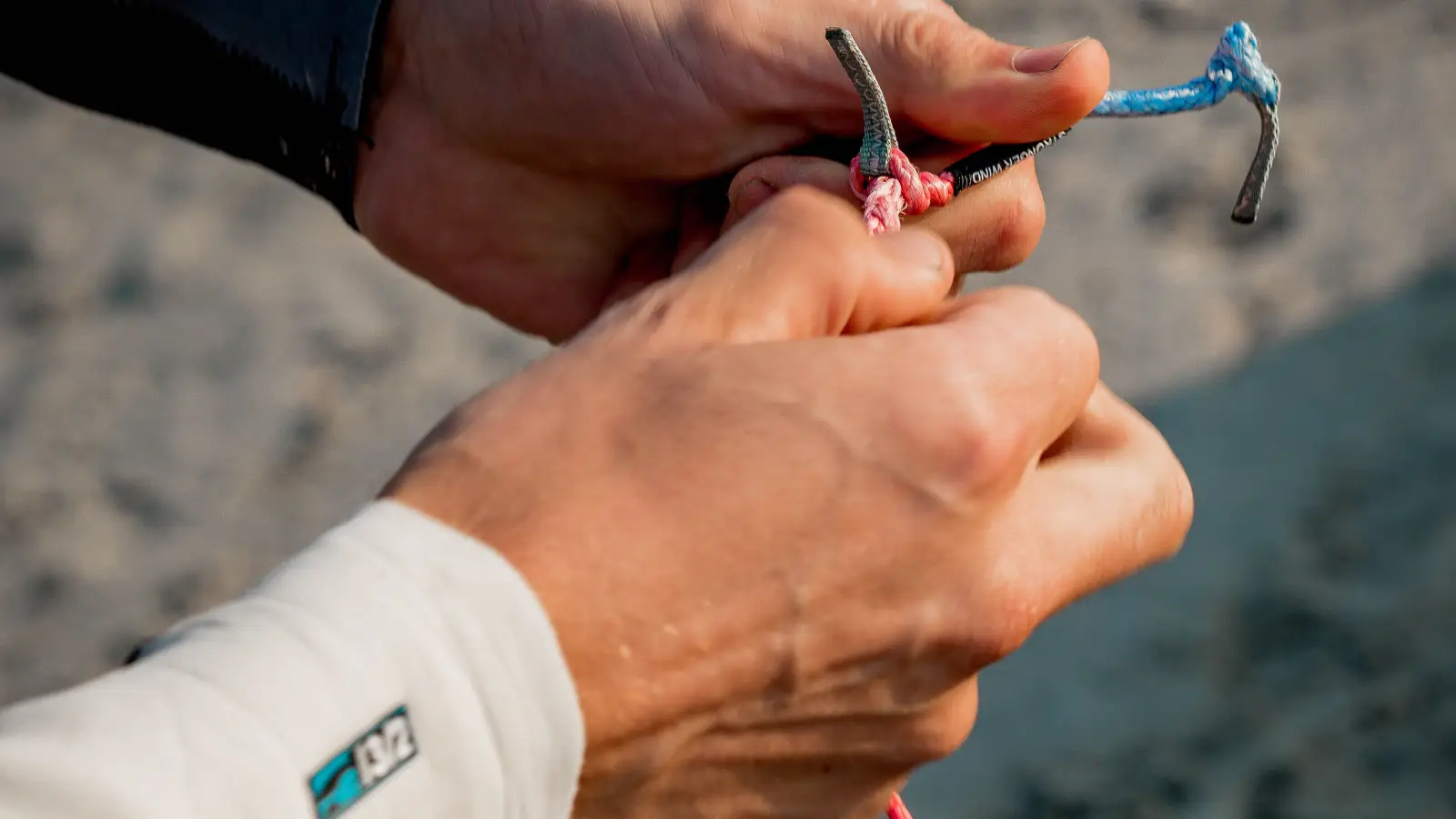
Fix right now: Retie with a Palomar or SD Jam knot. Trim the tag end flat. The bait should head forward clean.
What changes: Straight swimming profile, head-first bites.
Stopping Mid-Fight Losses: Knot Failure and Leader Wear
Knot Never Fully Seated
Spot it fast: Tag end stands away from the main line after a few casts. The knot slips when you give it a hard tug.
Fix right now: Wet the line, cinch slowly until it locks, then pull until it won’t budge. If it moves at all, cut it off and start over.
What changes: Knot holds full strength; fish can’t pop it open on a jump.
Leader Abraded by Cover or Teeth
Spot it fast: Run your fingernail along the leader near the hook and weight. Catch any rough, fuzzy spots—that outer layer is toast.
Fix right now: Cut back past the damage (6 inches minimum) and retie. Check again after any snag or landed fish.
What changes: No more sudden break-offs.
Hook Point Has Gone Dull
Spot it fast: Drag the point across a thumbnail. If it skates instead of biting, it won’t penetrate a fish’s jaw.
Fix right now: Touch up with a file or replace the hook. A fresh chemically sharpened point stays sticky through a dozen fish.
What changes: Every hookset buries and stays buried.
Getting Bites in Heavy Cover: Visibility, Noise, and Depth
Braid That Fish Can See
Spot it fast: In clear water, you can see the braid underwater. Fish track the bait but flare off at the last second.
Fix right now: Tie on a 2–4 foot fluorocarbon leader with a clean connection knot. Fluoro nearly disappears.
What changes: Bites pick up immediately—fish commit instead of spooking.
Weight That Announces Every Move
Spot it fast: You hear the weight clank against wood or rock on the retrieve. Fish that were holding tight bolt before the bait arrives.
Fix right now: Switch to a sliding sinker with a soft bead between weight and swivel to dampen sound. A free-rig with loose weight works too.
What changes: Silent entry, more fish sticking around to eat.
Bait Hanging Above the Strike Zone
Spot it fast: You cast to a laydown but the bait stays high. Fish won’t swim up through the column to hit.
Fix right now: Add a heavier weight or reposition it to let the bait sink faster. Let it fall on slack line before you start the retrieve.
What changes: Bait hits the depth window where fish are waiting.
The 5-Minute Rigging Restart That Solves Most Problems
When symptoms aren’t clear, run this reset before you overthink:
- Retie every knot with new line—wet it, seat it, pull until it locks.
- Inspect leader for abrasion; cut back and retie if it feels rough.
- Bump your weight at least 8 inches up the line from the bait.
This quick pass cleans up most short-strike, break-off, and action trouble in one shot. Do it early in the trip when the fish are telling you nothing. Skip it only if you’ve already pinned the cause, like a dull hook.
Pre-Trip Rigging Check: Kill Mistakes Before You Cast
- Pre-tie a few rigs with leaders built for the cover you’ll face (fluoro for clear water/rocks, mono for topwater).
- Run every leader between your fingers—any nick means cut it back.
- Yank-test each knot before the first cast; if it slips, it’s not right.
- Match line diameter to bait size and water clarity. No heavier than needed to get a natural sink.
- Seat knots until it’s automatic; a rushed knot is the first one to fail.
Quick Answers to Common Rigging Questions
What knot holds best with fluorocarbon?
The Palomar and San Diego Jam both work. Wet the line thoroughly and cinch slow—fluorocarbon generates heat and weakens if it’s dry when you pull tight.
Why does my line keep breaking at the knot?
The culprit is almost always a dry cinch or a knot that wasn’t fully seated. Even a small nick from a guide or a rough spot on the reel can start a break at the knot.
Does weight placement really matter that much?
It’s everything. A foot of leader between weight and bait gives the bait room to dance. Put the weight right on the nose and the bait can’t move.
How do I know if my leader is too short?
If you can see the braid-to-leader knot within a foot of the bait in clear water, it’s too short. Keep the leader at least the length of your rod tip—2 to 4 feet is standard.
Should I use braid or monofilament for topwater baits?
Monofilament floats and stretches, so it keeps the bait on the surface and absorbs shock. Braid sinks and often pulls a walking bait nose-down, ruining the action.
Still Dead? Here’s What to Gather Before Scrambling for Help
If you’ve checked every box and still aren’t connecting, write down these details before you hit the forums or a shop:
- Water clarity and actual depth
- Cover type you’re fishing (laydowns, grass, chunk rock)
- Bait and rig you’re throwing
- The exact failure: short strikes, break-offs, or no interest at all
With that information, someone who knows the water can offer a pinpoint fix. Often the missing piece is a local pattern—a longer leader, a silent entry, a different weight material—that turns a dead day around.