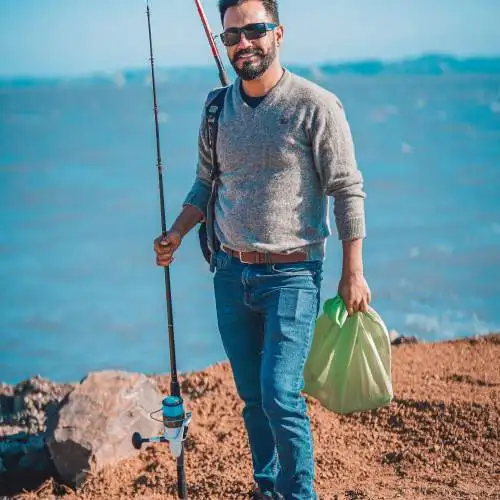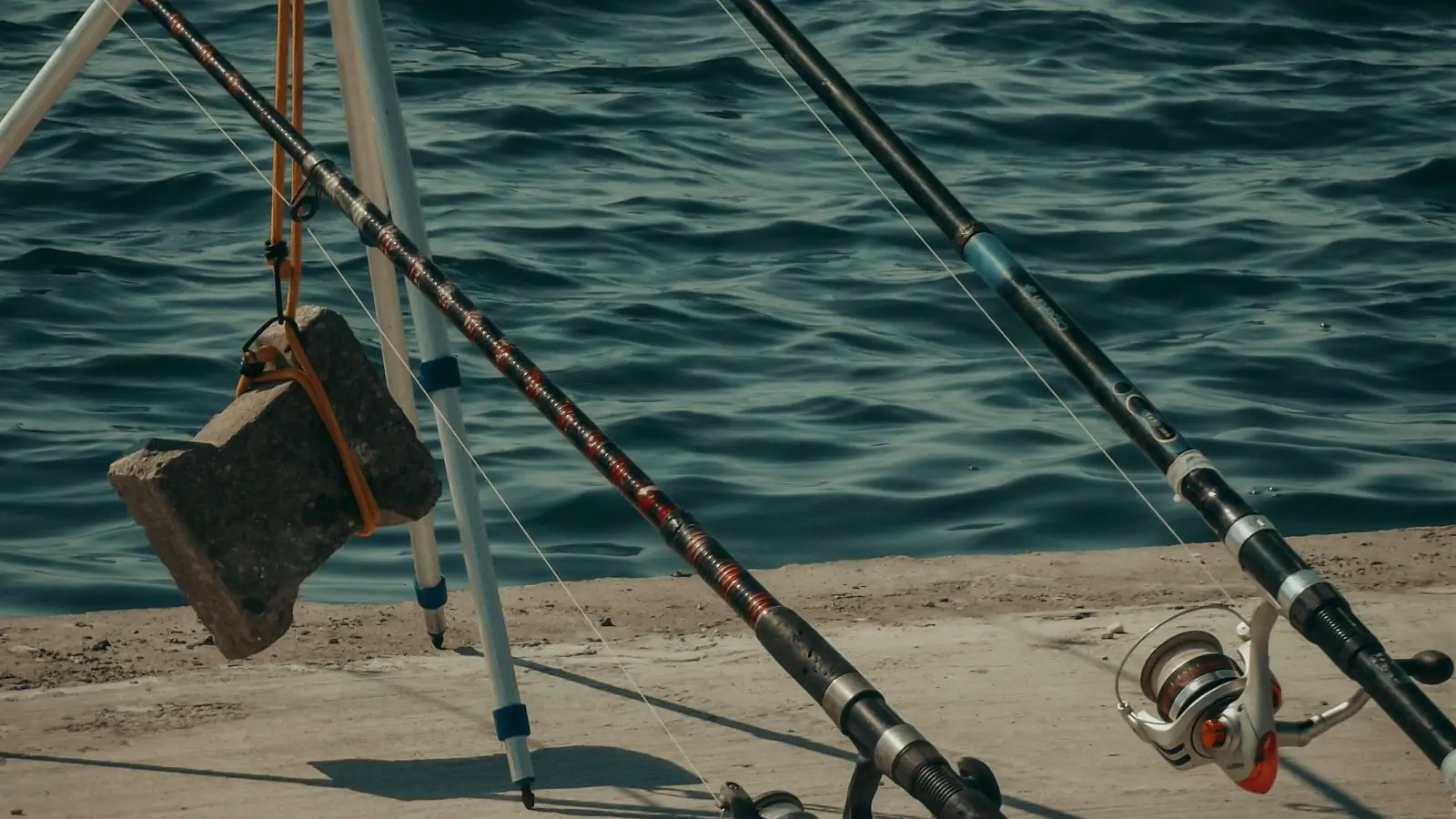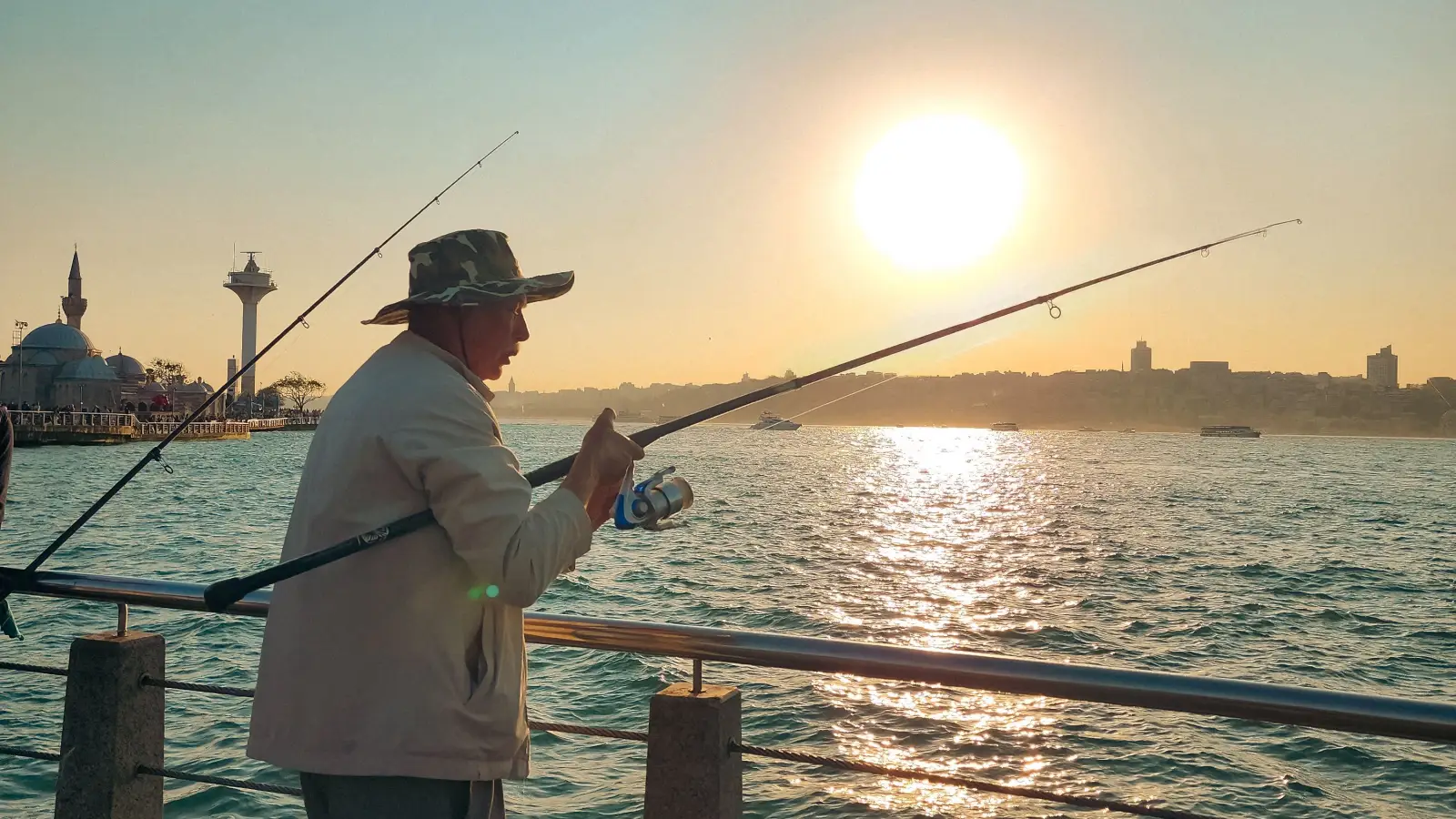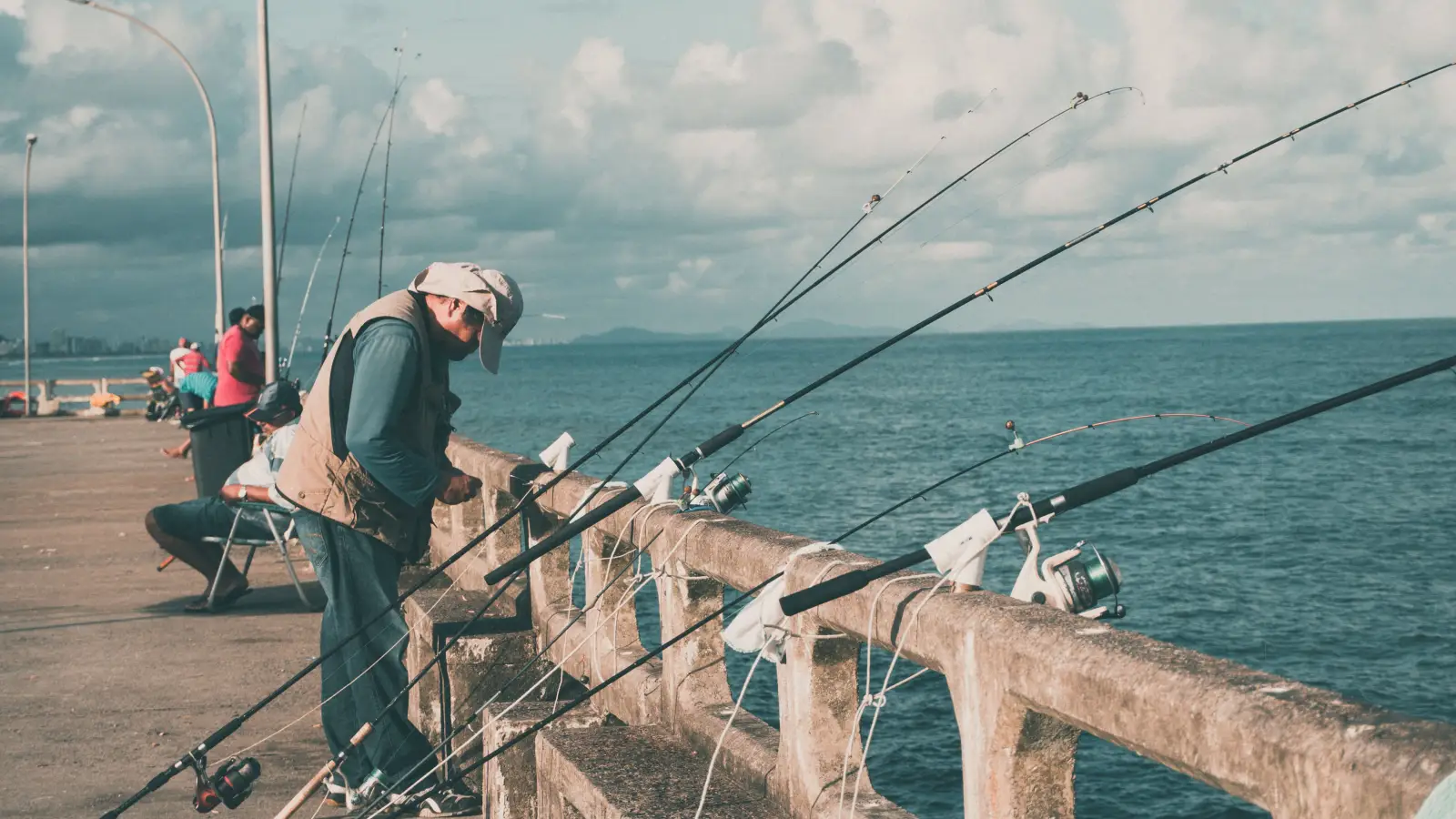
What you pull up from a pier in the United States depends on the time of year, the structure under your feet, and the habits of the fish swimming through. Common catches include Spanish mackerel, pompano, flounder, redfish, sheepshead, spotted seatrout, and the occasional king mackerel or cobia. But a list of names doesn’t put a fish on your hook. The real question is why a particular species shows up under a particular pier at a particular time—and how you can target it with the right bait and rig, not by luck, but by understanding the ecology that drives its behavior.
This guide is built around that connection. It links each pier-caught species’ physical traits, range, and seasonal habits directly to the setup that works best. By the time you finish, you will know how to read the water, the calendar, and the fish itself so that you choose a rig with purpose.
The Current, the Calendar, and the Mouth—Why Fish Show Up Where They Do
Three forces determine what is swimming under an American saltwater pier at any given moment: foraging strategy, seasonal migration, and structural attraction. Every species blends these factors in its own way, and that blend dictates your tackle.
First, a fish’s mouth and body shape reveal how it eats. A Spanish mackerel has a streamlined, torpedo-shaped body and a mouth full of sharp teeth built for slashing through baitfish near the surface. Pompano have a small, underslung mouth and a deep body, telling you they root around in the sand for crustaceans and mollusks. Flounder lie flat on the bottom with both eyes on one side, ambushing prey that drifts past. You do not need a biology degree to read these signals—just the recognition that the bait and rig you pick have to match the feeding mechanics of the fish you are after.
Second, water temperature and baitfish movements drive migration. Pompano push north along the Atlantic coast as the surf warms past 70°F in spring and head back south when it cools in fall. Spanish mackerel follow schools of glass minnows and menhaden, appearing off piers in hard-charging runs during spring and fall. When the water drops into the low 60s, flounder start staging near inlets and pier pilings to move offshore for winter. Ignore the calendar and you will be fishing for fish that simply are not there.
Third, the pier itself creates structure. Barnacle-encrusted pilings hold small crabs and shrimp, drawing sheepshead that pick at them with their human-like teeth. Shade lines and current breaks along the pier attract baitfish, which in turn attract predators. The same pier fished at high tide on a sunny July afternoon and at dusk on an outgoing tide in October will produce completely different species. The structure does not change, but the way fish use it does.
The Three-Part Match: From Fish Profile to Hookup
This framework breaks pier fishing down into three stages that stack on each other. Skip one and you are guessing. Run all three and you are fishing with a plan.
Stage 1: Pinpoint the Fish’s Feeding Profile
Start by identifying what you are likely to encounter based on physical traits—mouth position, body shape, and known diet. Surface-feeding predators like Spanish mackerel and bluefish have upturned or terminal mouths, streamlined bodies, and hunt by sight. Mid-water cruisers like redfish and spotted seatrout have slightly underslung mouths and often feed on shrimp and small baitfish around structure. Bottom-huggers like pompano, flounder, and sheepshead have mouths oriented downward and feed close to or in the substrate.
Why this stage comes first: the feeding profile dictates every gear choice that follows. A circle hook that works for a flounder’s wide gape will be too large and heavy for a pompano’s small, delicate mouth. A fast-moving spoon that triggers a mackerel strike will never get close enough for a sheepshead to notice.
What to actually do: before you rig up, take five minutes to look for clues. Are baitfish flipping at the surface? That signals mackerel or bluefish. Is there a slack current eddy behind a piling? That is likely holding sheepshead or mangrove snapper. Match your terminal tackle to the fish’s mouth size and feeding style. Surface predators need lures that move fast and erratic. Bottom feeders need bait presented tight to the sand with minimal resistance.
Done well, this stage gives you a bait selection that fits the fish—hook size, bait type, and presentation all aligned with how the fish naturally feeds.
Stage 2: Read the Calendar—Season, Tide, and Time
Once you know what is there, confirm when it is there. Fish follow temperature and food, not dates on a human calendar, but you can map predictable windows if you know the triggers. Pompano arrive when inshore water hits roughly 70°F in the spring and linger until it drops back through that mark in the fall. Flounder concentrate around pier pilings during outgoing tides in October as they stage for their offshore migration. Spanish mackerel blitz through when bait schools mass near the beach in May and again in September.
Why this stage comes second: the perfect rig in the wrong month is just an expensive piece of tackle sitting dry. Seasonal patterns narrow your target list so you are not trying to catch a fish that will not be around for another six weeks.
What to actually do: check local water temperature reports, pay attention to what bait you see, and log when you catch certain species. Patterns repeat. A falling tide in the hour before sunset often concentrates bait and predators near the end of a pier. An incoming tide in the morning pushes fish closer to the beach. Align your outing with the overlap of a species’ seasonal window and a favorable tide phase.
Done well, you arrive at the pier already knowing which species should be present and when the bite window is likely to open.
Stage 3: Select the Rig That Talks to That Fish
The final stage is where all the information becomes tangible. The rig you choose has to present the bait at the right depth, with the right movement, and with enough stealth or flash to match the situation. For a surface-oriented predator like Spanish mackerel, a fast-retrieve lure like a Gotcha plug or a ½-ounce silver spoon fished on 20-pound fluorocarbon leader works best. For pompano, a two-drop bottom rig with small #2 or #4 circle hooks baited with sand fleas or Fishbites and a 2- to 3-ounce pyramid sinker keeps the bait right in the strike zone while the fish are rooting through the sand. For flounder, a Carolina rig with a 1-ounce egg sinker, a 24-inch 15-pound fluorocarbon leader, and a 2/0 circle hook holding a live mud minnow or finger mullet lets the bait tumble naturally along the bottom near the pilings.
Why this stage comes last: the rig is the physical expression of everything you learned about the fish’s feeding profile and seasonal behavior. Pick the rig first, without the first two stages, and you are gambling.
What to actually do: once you have identified a target species through stages one and two, tie the rig that matches its feeding mechanics and typical depth. Pay attention to leader material and hook size. Use fluorocarbon for clear water and toothy fish; use mono for shock absorption when casting heavy weights. Adjust weight based on current—just enough to hold bottom, no more.
Done well, your bait behaves the way the fish expects its natural food to behave, and you spend your time feeling for bites instead of wondering why nothing is happening.
A Real Run Through the System: Fall Flounder from a Gulf Pier
It is mid-October on the Florida Panhandle. The water has dipped into the upper 60s after a series of cool nights. Flounder are starting to stage around pier pilings before moving offshore. Here is how the three stages stack up.
Feeding profile: flounder are ambush predators—flat, bottom-hugging fish that lie partially buried and strike upward at prey. Their mouths are large relative to their body and oriented upward when they are lying on the bottom. They eat small fish like mullet and mud minnows, as well as shrimp.
Seasonal read: the fall flounder run peaks when water temperatures slide through the 65–70°F range. Outgoing tides are best, especially the last two hours, because they sweep baitfish past the ambush points. Dusk adds a low-light advantage that makes flounder bolder.
Rig: a Carolina rig with a 1-ounce egg sinker, a 20-pound braided mainline, a 24-inch 15-pound fluorocarbon leader, and a 2/0 circle hook. Thread on a live mud minnow through the lips or a finger mullet through the back. Cast upcurrent of the pilings, let the bait drift naturally with the tide, and keep the rod tip low. The bite will feel like a slight extra weight or a tap; wait a beat, then reel down firmly.
Done right, this approach produces flounder that have been moving along the bottom exactly as the bait presented. Miss the seasonal window or use a rig that floats the bait off the bottom, and the flounder never sees it.
Where the System Breaks Down (and What It Costs You)
Even with a solid framework, common mistakes short-circuit the process. These are the ones that cost the most fish.
Forcing the Wrong Hook Past a Fish’s Mouth Anatomy
A pompano’s mouth is small, downward-facing, and built for sucking crustaceans from the sand. Tie on a 1/0 J-hook meant for redfish and you will pull the bait away before the pompano can close its mouth around it. The cost: hours of missed bites that feel like nibbles. The fix: scale the hook to the fish. For pompano and similar small-mouthed bottom feeders, a #2 or #4 circle hook is standard. For flounder, a 2/0 circle hook makes sense. Match the tool to the anatomy, not to whatever was left tied on from last weekend.
Fishing the Same Bait in July as in November
Baitfish populations shift seasonally. The glass minnows that Spanish mackerel hammer in May are scarce by midsummer, replaced by larger menhaden. A small Gotcha plug that worked in spring may get ignored in August because it does not match the profile of what the fish are eating. The fix: watch what the bait schools look like and adjust lure size and color accordingly. In summer, slightly larger spoons and plugs often outperform the tiny spring offerings. When pompano are feeding heavily on sand fleas during a spring run, artificials like Fishbites in orange or pink that mimic roe-carrying fleas will outfish generic shrimp imitations. If you are not adjusting bait selection with the seasonal forage, you are fishing last month’s pattern.
Treating All Bottom Fish as the Same
Pompano, flounder, and sheepshead all live near the bottom, but they feed completely differently. Pompano cruise in small schools above the sand, sucking up invertebrates. Flounder lie motionless and ambush. Sheepshead hang tight to pilings and crush barnacles with teeth that look almost human. Using the same Carolina rig with the same shrimp for all three ignores that sheepshead need a vertical presentation tight to the piling with a small, strong hook and a fiddler crab, while pompano need a tight-to-bottom sand-flea presentation drifted with the current. The cost: you watch sheepshead pick your bait clean without ever feeling a hookup. The fix: treat each species as its own problem and rig accordingly.
Pier Species Match-Up Table
| Species | Foraging Trait | Best Bait | Recommended Rig | Prime Season |
|---|---|---|---|---|
| Spanish Mackerel | Surface predator, fast strikes | Gotcha plug, silver spoon, live pilchard | Fast-retrieve lure on 20lb fluoro leader | Spring and fall, early morning |
| Pompano | Bottom forager, small underslung mouth | Sand fleas, Fishbites, small pieces of shrimp | Two-drop bottom rig, #2–#4 circle hooks, 2–3oz pyramid sinker | Spring and fall when water temp 68–75°F |
| Flounder | Bottom ambush predator | Live mud minnow, finger mullet, shrimp | Carolina rig, 1–2oz egg sinker, 2/0 circle hook, 15lb fluoro leader | Fall staging, outgoing tide near dusk |
| Redfish (Red Drum) | Mid-water cruiser, bottom feeder | Live shrimp, cut mullet, blue crab | Popping cork with live shrimp, or Carolina rig with cut bait | Year-round, best on rising tide near structure |
| Sheepshead | Piling picker, crushing mouth | Fiddler crabs, barnacles, shrimp pieces | Vertical jig or small hook on a split-shot rig, fished tight to pilings | Winter and early spring, slack current |
| Spotted Seatrout | Mid-water ambush, low light | Live shrimp, soft plastic jerkbaits | Popping cork rig, 1/4oz jighead with soft plastic | Spring and fall, dawn and dusk |
Common Pier Fishing Questions
What is the most reliable fish to catch from a pier if I am a beginner?
Pompano are often the steadiest bet because they show up in predictable runs and respond well to simple bottom rigs baited with sand fleas. Spanish mackerel also provide fast action when they are around and will strike fast-moving lures aggressively.
Do I need a different rod for pier fishing?
Most anglers do fine with a 7- to 8-foot medium-heavy spinning rod rated for 15–30 pound line. A longer rod helps keep the line away from pier pilings, and medium-heavy power handles the weight of sinkers and the occasional large fish. Dedicated pier rods are available but not required to start.
What tide is best for catching fish off a pier?
It depends on the species and pier layout, but moving water almost always outproduces slack tide. An outgoing tide sweeps baitfish out through inlets and past the pier end, often triggering feeding frenzies. An incoming tide pushes fish closer to the beach and can be excellent for species like pompano and redfish.
Can I catch fish worth keeping from a pier without a boat?
Absolutely. Many piers extend far enough over deep water to access species that boat anglers target, including king mackerel, cobia, and large redfish during migration. Pier fishermen regularly catch slot-sized flounder, pompano, and seatrout, and the pier structure itself aggregates fish in numbers that open-beach surf fishing cannot match.
When should I switch from natural bait to artificial lures?
Switch to artificials when fish are keyed in on fast-moving baitfish near the surface, when you want to cover water quickly to find fish, or when live bait is scarce. Spanish mackerel and bluefish often hit spoons and plugs better than bait because the flash triggers reaction strikes.
Start by Reading the Water, Not Just Casting Into It
Pier fishing is not about luck—it is about lining up the fish’s feeding profile, the season it is running, and the rig that delivers the right presentation. The stage that pays off fastest is stage one: identify what is feeding right now by watching for surface activity, bait behavior, and the species that match the current conditions. Once you know what you are likely to face, the rest of the system falls into place.