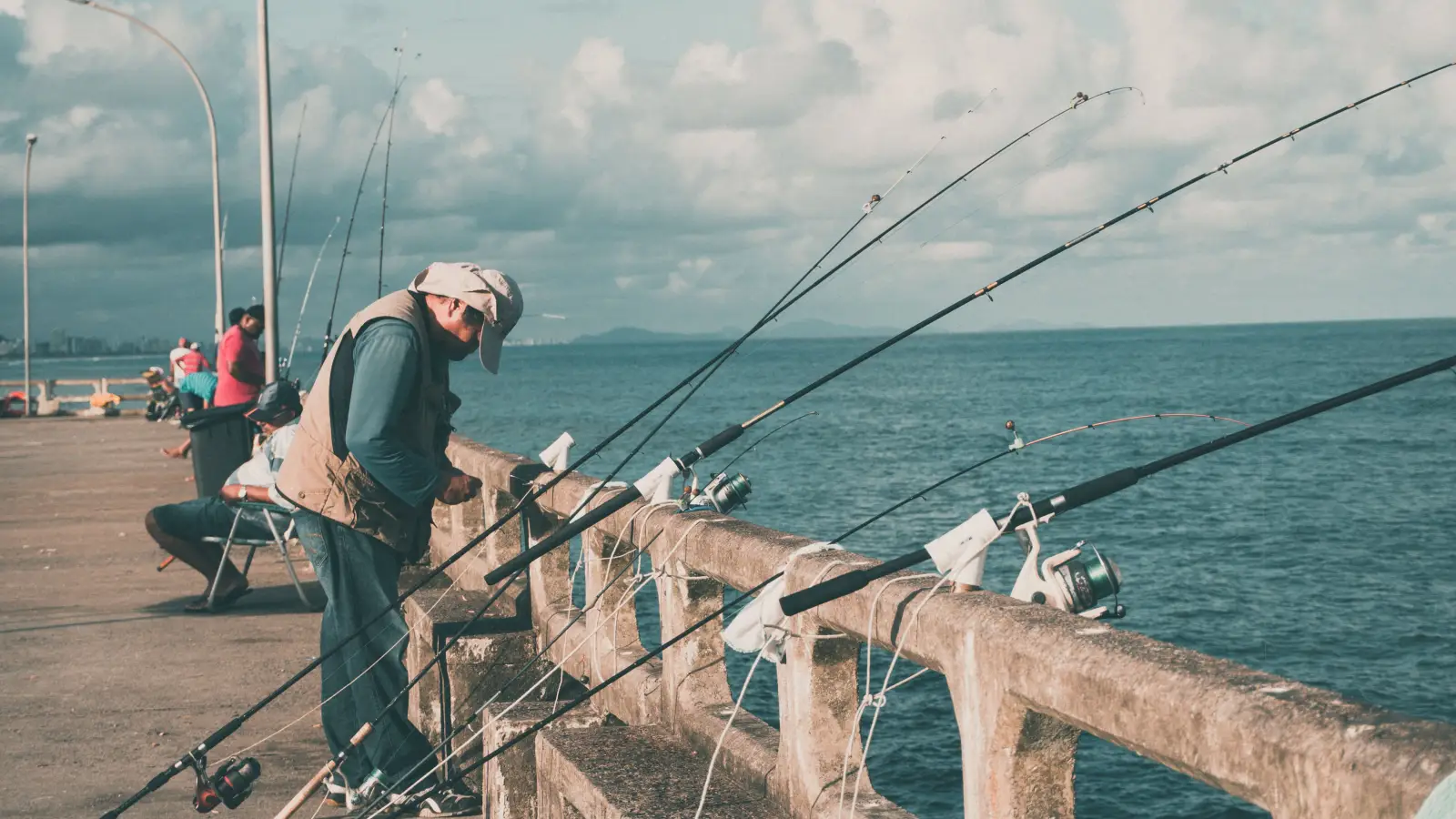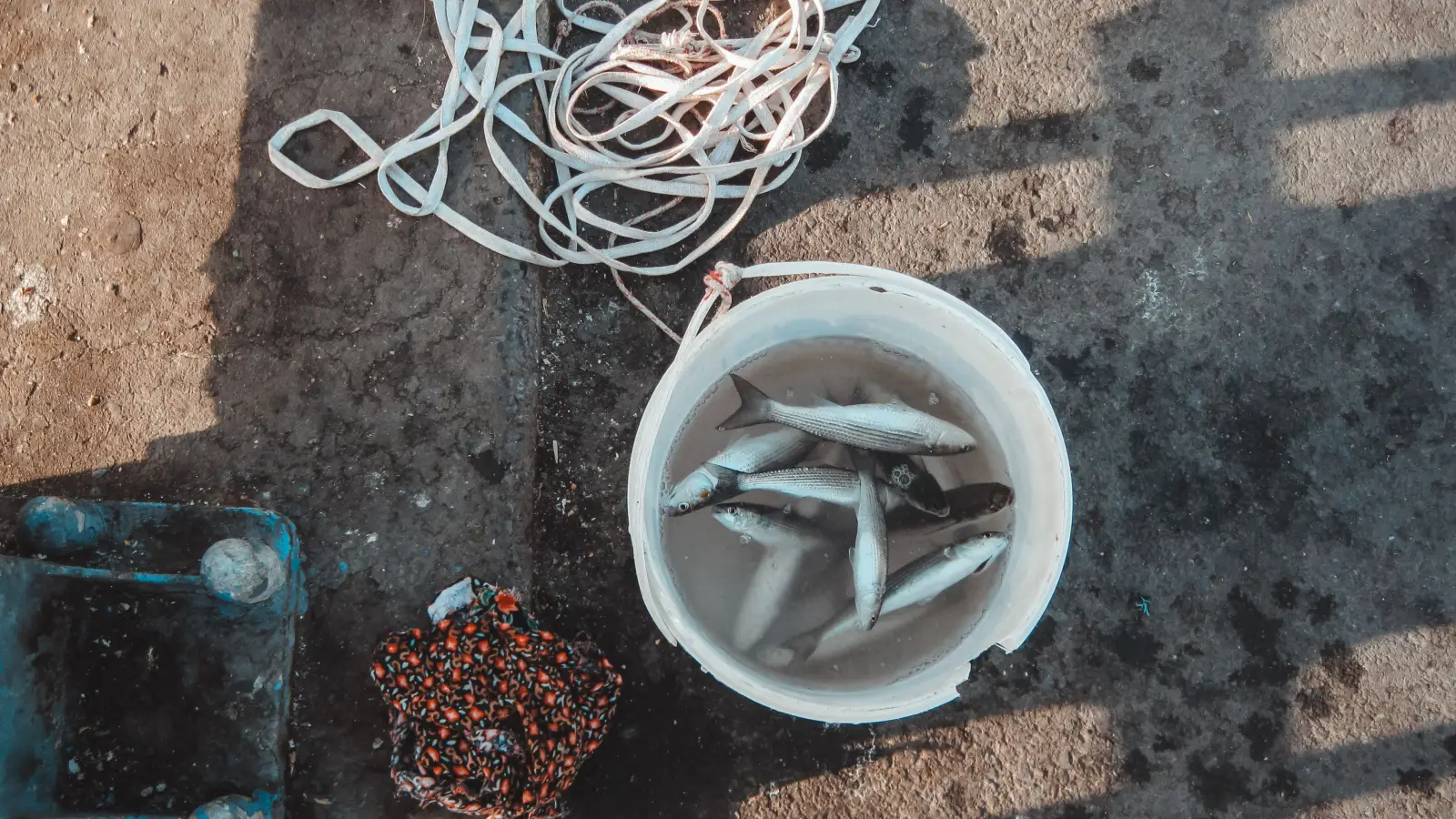
When a pier is crowded with bent rods and yours has been still for hours, the fix usually isn't a mystery bait—it's a bait chosen to match the water clarity and the species feeding in it. The hierarchy that produces bites when nothing else will is this: read the water first, identify the likely target second, and follow a strict rule for when cut bait has outlived its usefulness and live bait or an artificial needs to go on the hook.
Pier anglers often overthink bait selection, reaching for what worked last week or what the bait shop handed them. Those choices fail because they ignore the two variables that govern every bite: how far a fish can see and what it's eating right now. A high-scent cut bait might be the answer in tea-stained water where speckled trout hunt by smell, but in clear water a pompano can spot your leader from ten feet away and refuse a dead offering without a second look.
Where You Stand Right Now: Three Starting Points
The article follows a progression. Find the situation that matches your day and follow the path outlined.
You've been soaking cut bait all morning without a tap. Start at Step 1—water clarity is almost certainly the missing link, and you'll learn to read it in seconds.
You can see fish—sheepshead or pompano—swimming around the pilings but they won't commit. Skip to Step 2, where bait type and size become the deciding factors.
You're new to pier fishing and the bait shop sold you frozen squid, dead shrimp, and a handful of jigs. Work the entire hierarchy, beginning with a quick water assessment, to build a bait-selection system that holds up across conditions.
Step 1 – Judge the Water Before You Open the Tackle Box
The first decision is made before you reach into the bag. Walk to a spot where you can see straight down and decide how far a bait remains visible. This is not a measured number; it's a practical category: muddy (less than a foot), stained (1 to 3 feet), or clear (more than 3 feet). In muddy water, fish rely almost exclusively on scent and lateral line vibration. In clear water, they rely on sight. Stained water sits between, and that's where the bait hierarchy earns its keep.
Drop a white jighead or a piece of bait over the side on a hand line and note when it disappears. Then check the water's color—brown means runoff, greenish-brown suggests plankton, a faint tint with a visible bottom is gin-clear. Finally, glance at what's being caught around you. If pier regulars are pulling whiting on cut bait, scent is doing the work.
You're ready to move on when you can describe the water clarity in one word and name at least two species likely to be feeding in it based on what you observe.
Step 2 – Pick the Bait That Fits the Conditions, Not Just the Fish
With clarity established, bait selection becomes a matter of crossing water condition with target species. The matrix is simple, and the results are consistent.
Muddy water (less than 1 foot): Use cut bait or heavily scented dough baits. Fresh mullet, menhaden, or shrimp heads create an oil trail that draws fish from a distance. Red drum and black drum cruise murky water hunting by smell; they'll find a chunk of cut mullet on a fish-finder rig long before they notice a soft plastic. Live bait also works, but in visibility this low, cut bait's scent advantage usually beats movement.
Stained water (1–3 feet): Start with cut bait because it still throws scent, but be ready to switch. Species that feed by both sight and smell—flounder, speckled trout, mangrove snapper—are your targets. If cut bait produces nothing in 20 minutes and baitfish are flicking near the pilings, switch to a live shrimp under a popping cork or a slow-rolled soft plastic paddle tail. Flash and vibration often trigger strikes when scent alone won't.
Clear water (more than 3 feet): Lead with live bait or artificials. Cut bait is frequently ignored because fish can see the dead offering for what it is. A live shrimp or finger mullet hooked through the nose will outfish cut bait ten to one. Match artificials to the local bait—small white or natural soft plastics for pompano and whiting, larger jerk shads for Spanish mackerel and bluefish. In clear water, stealth matters: use the lightest fluorocarbon leader you can manage and present the bait as naturally as possible.
You're ready to move on when you can state which bait category fits today's water and you've had at least one bump or bite that confirms the choice, even if a fish hasn't been landed yet.
Step 3 – Apply the Cut Bait Switch Rule Without Exception
The most reliable piece of advice from pier regulars is this: if cut bait has been in the water for 20 minutes in visibility over 2 feet without a strike, put on live bait or an artificial. Don't give it another 15 minutes. The scent trail has traveled as far as it's going to, and anything that would have found it already has. This rule applies in stained water, in clear water, and especially when the tide is moving and fish are feeding.
In muddy water with less than a foot of visibility, stretch the window to 30–40 minutes. Scent takes longer to spread in dirtier water, and fish like catfish, black drum, and bull reds that hunt by smell may need extra time. But if you're on a pier over a hard bottom or a sandy flat and there's no nibble after half an hour, change spots—not just the bait.
The switch rule interacts directly with target species. Pompano in clear water will hit a live sand flea within minutes; if they don't, they aren't there or they've moved. Sheepshead near barnacle-encrusted pilings take a fiddler crab almost immediately when feeding. If cut shrimp has been ignored in clear water for more than 15 minutes, that spot is likely empty. Move ten feet, try a live offering, and the difference is noticeable.
You're ready to move on when you've applied the switch rule twice in a session—once during a slow bite and once when fish were visible but wouldn't strike—and both times you either got bit or confirmed the fish weren't active. That pattern recognition separates a bait-changer from a fish-catcher.
Step 4 – Adjust Presentation to Overcome Pier Pressures
Even the right bait fails if it behaves wrong once it's in the strike zone. Pier fish see dozens of offerings each hour; they become selective. A few adjustments based on movement and position in the water column turn near misses into hookups.
For cut bait: Use a fish-finder rig with just enough weight to hold bottom—2 to 3 ounces in current, 1 ounce on a calm day. The bait should lift and flutter naturally with the surge, not lie pinned. Replace cut bait every 10–15 minutes because the oils wash out. After 30 minutes, it's bare meat that won't pull fish from a distance.
For live bait: Hook shrimp through the horn (the hard point behind the head) so they stay alive and kicking. Finger mullet get hooked through the upper lip or just behind the dorsal fin, which keeps them upright and swimming. In stained water, use a popping cork with 2–3 feet of leader to create a noise signature. In clear water, drop the cork and fish the bait on a Carolina rig or free-line it for the most natural drift.
For artificials: Slow everything down. Most pier anglers retrieve too fast. A soft plastic on a jighead worked with a slow lift-and-drop cadence—letting it flutter back to the bottom—imitates a dying baitfish more effectively than a straight retrieve. In clear water, downsize: a 1/8-ounce jig and a 3-inch soft plastic often outfish a 1/4-ounce head and a 4-inch body, especially with pompano and whiting.
You're ready to move on when you can adjust weight, leader length, and retrieve speed based on conditions, and you've caught at least one fish on each bait type—cut, live, and artificial—under the water clarities you're fishing.
Signs You're Ready for the Next Stage
- Water clarity is reduced to a practical term and at least two likely species are identified.
- A bait category has been chosen that matches today's water, and a bump or bite confirms the choice.
- The 20-minute cut bait switch rule has been applied at least twice, with the approach adjusted based on the result.
- Presentation adjustments (weight, bait freshness, retrieve speed) are now automatic and matched to water clarity.
Details to Postpone Until the Bait Is Right
Tackle fine points pull attention away from what matters until the bait selection is sound. Set these aside until you're catching fish consistently with the hierarchy.
Leader material and strength. Fluorocarbon is quieter than monofilament, and 20-pound test works for most pier species. But a fish that won't bite a cut shrimp in clear water won't bite it on 10-pound fluoro either. Lock in the bait first, then test lighter leader. This becomes relevant when you get follows but no takes on artificials.
Exact tide timing. The bite shifts with the tide, but a properly chosen bait will draw strikes on a slack tide if fish are present. Learn to read the water first, then layer tide knowledge onto that foundation. The trigger: you can catch fish on moving tides but go dry on slack.
Rod holder angle and line slack. Some anglers fuss over the perfect angle before a bait is even wet. The practical goal is a rod tip low enough that a running fish doesn't feel immediate resistance. That matters only after the bait is correct. Adjust once you're getting bites.
Specialized rigs (chicken rig, high-low, knocker rig). A fish-finder rig with the right bait will outfish a perfectly tied high-low rig with the wrong bait every time. Master the bait first, then experiment with rigs to improve hookup ratios. The trigger is when you're missing strikes you know you should be hitting.
Common Questions Pier Anglers Ask
What is the best all-around bait to start with on a pier?
Fresh dead shrimp is the most versatile cut bait for beginners. It works in stained and muddy water, attracts species from whiting to redfish, and stays on the hook reasonably well. Pair it with live shrimp or finger mullet once you've assessed visibility.
How do I keep live bait alive on a pier?
Use a bucket with a battery-powered aerator. For shrimp, change the water every hour because they foul it quickly. For mullet and other finfish, keep a five-gallon bucket with aeration and avoid overcrowding; a dozen finger mullet in three gallons of water will last hours if the temperature stays stable.
When should I use artificial lures instead of live or cut bait?
Switch to artificials when the water is clear, you see fish feeding but refusing dead offerings, and you have a lure that matches the size and color of local baitfish. A 3-inch white paddle tail on a light jighead is a reliable starting point for pompano, speckled trout, and flounder.
Does water temperature change which bait I should use?
Water temperature affects how fish move, not which bait type to select. Cold water makes fish sluggish, so a slower presentation with cut bait or a barely moving live bait often outperforms fast artificials. In warm water, active artificials and lively live bait become more effective. The hierarchy still applies; temperature determines how you work the bait.
Can I mix cut bait and live bait on the same rig?
It is possible, but the results rarely improve. Cut bait's scent attracts fish, but a live bait struggling nearby can spook selective fish in clear water. In muddy water, a strip of cut bait on one hook and a live shrimp on another of a high-low rig can cover both scent and movement, but a single, well-presented bait is usually cleaner.
What Success Looks Like and the First Action
Reaching the point where you look at the water, make an immediate bait choice, and know exactly when to switch is the difference between standing and catching. For the most common starting point—cut bait soaking with no results—the first action is to stop re-rigging, look over the rail, determine water clarity, and either switch to live bait in clear water or move fifty feet down the pier to a spot where the scent trail has a better chance.