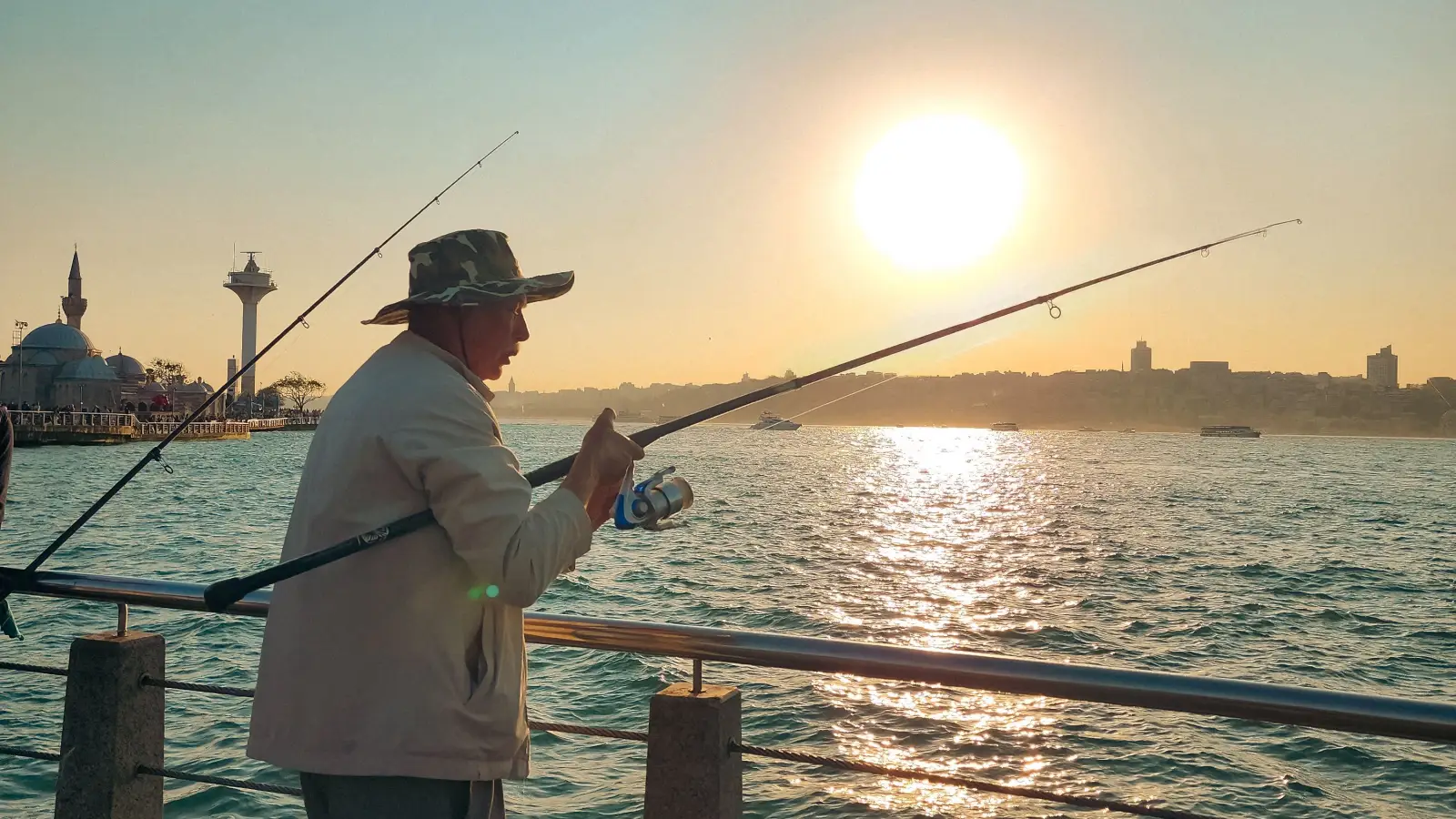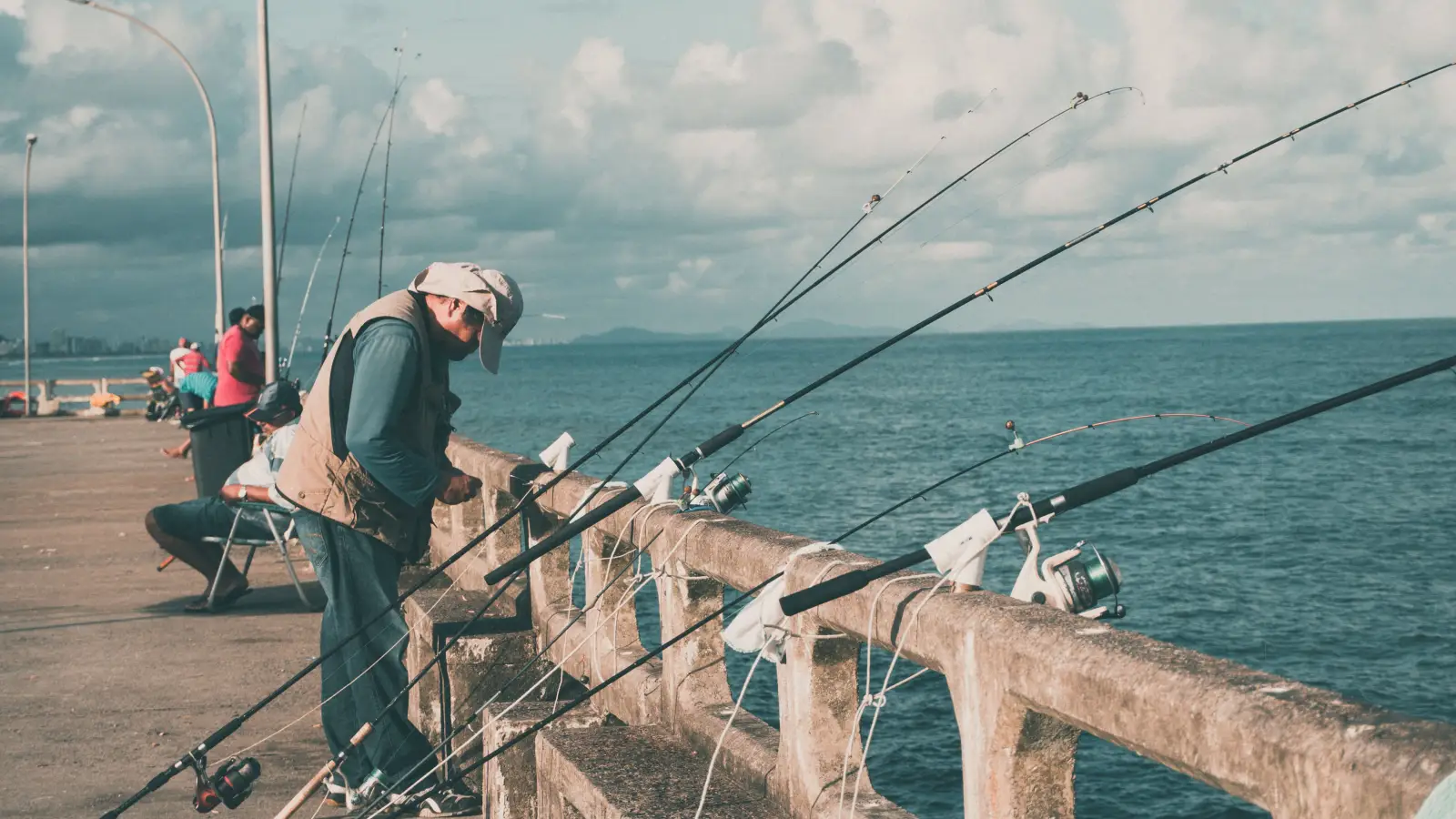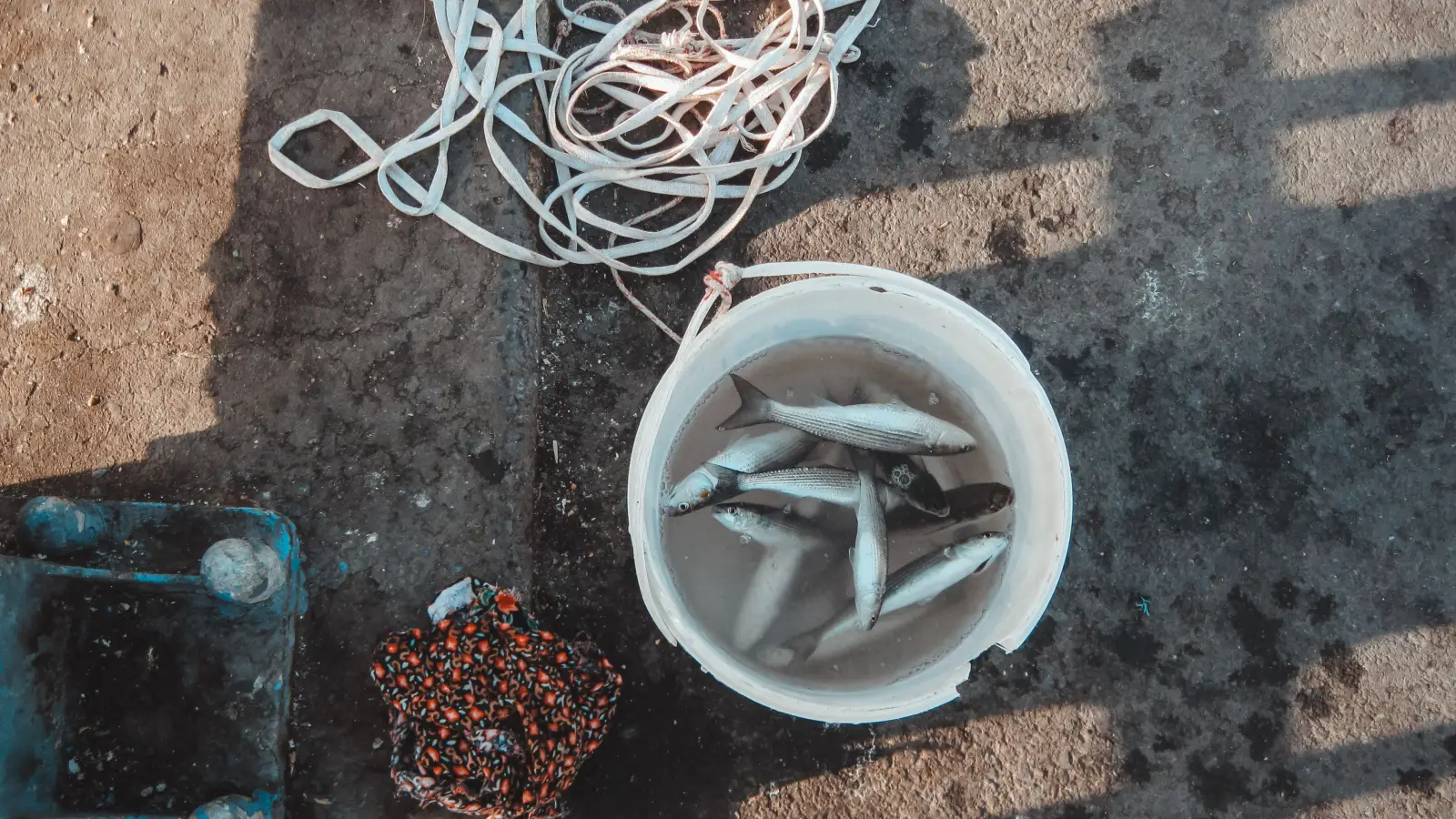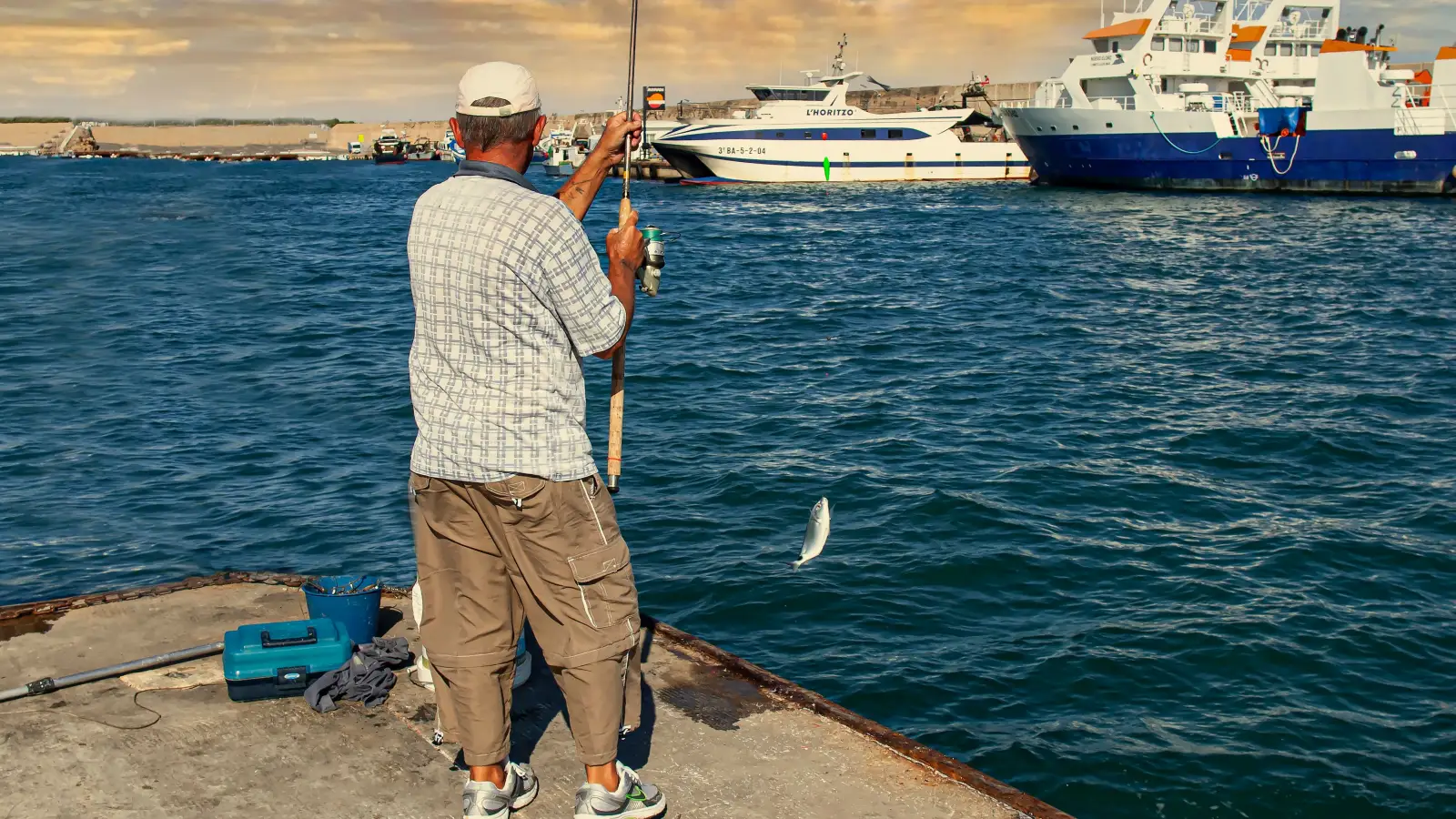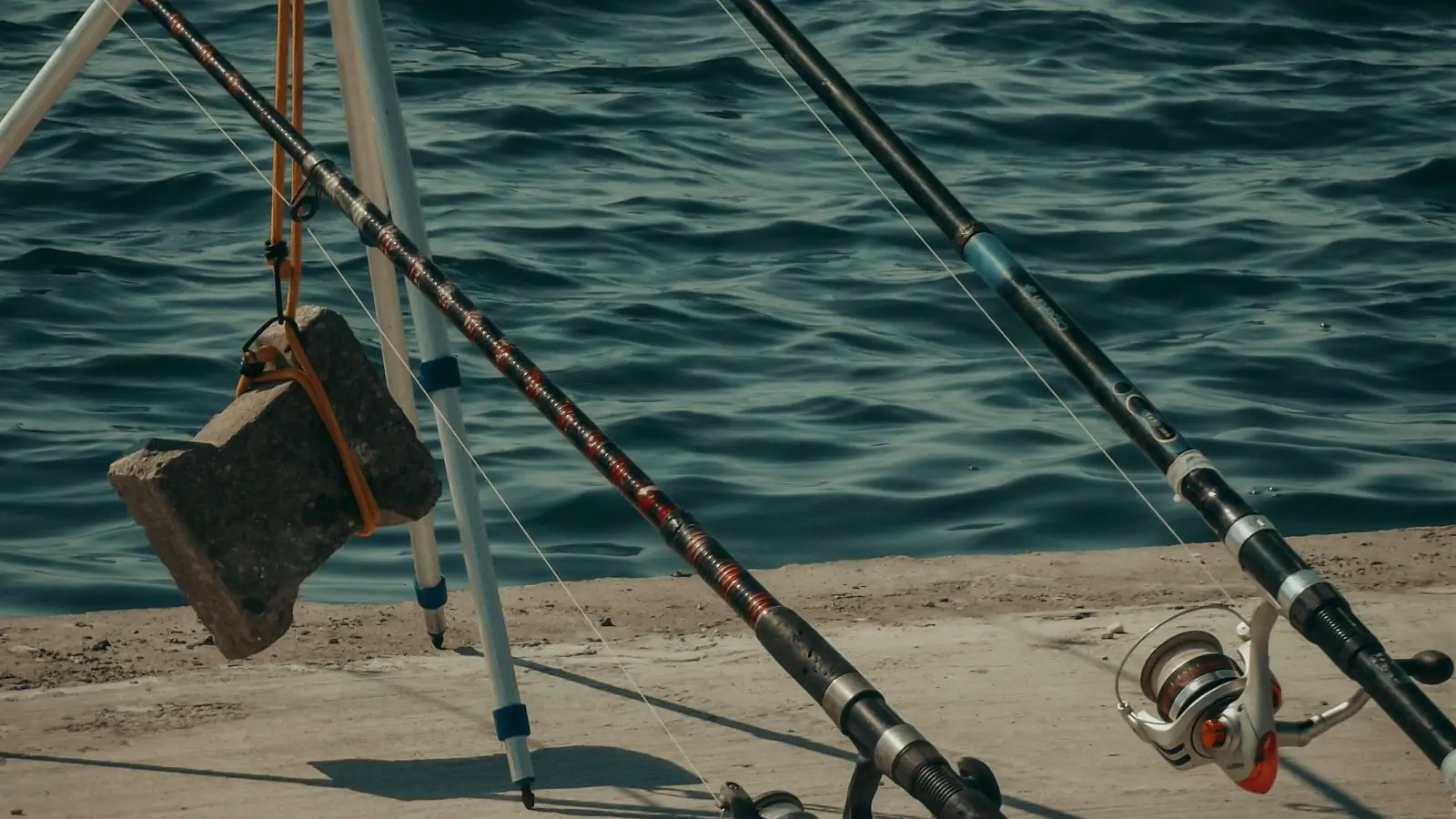
Pier fishing isn't a version of surf fishing with a roof. It's a separate game defined by height, snags, and current. The gear that works here earns its place because it solves these three problems, not because it's new. A medium-heavy spinning rod between 7 and 9 feet, loaded with 20- to 30-pound braid, and a small set of purpose-built bottom rigs—fish finders, dropper loops, knocker rigs—are the tools veteran pier anglers trust. Unlike shore fishing, where you're at water level, or boat fishing, where you can reposition, a pier locks you in place above the water and forces every decision through the filter of lifting a fish, avoiding submerged concrete, and placing a bait that moves with the tide instead of tumbling in it.
This guide strips pier fishing down to its constraints. It doesn't list every rig ever tied. It gives you a decision framework: how to read the height of the deck, the bottom snags below, and the tide's direction, then choose the few setups that actually produce. After reading, you'll know which rig surfaces for sheepshead at slack tide, which one hunts mackerel on a fast flow, and which one keeps your bait out of the barnacles while still in front of the fish.
How the Height of the Deck Forces Specific Rod and Line Choices
Standing 10 to 30 feet above the water changes the physics of fighting a fish. A rod that feels perfect on a flat beach becomes a liability when you have to lift a 5-pound fish vertically, often over a railing. Veterans use medium-heavy spinning rods in the 7- to 9-foot range. Shorter rods give better leverage for the upward lift; longer rods help keep the line clear of crusty pilings during the fight. The action needs to be fast enough to drive a hook but with enough give to absorb head shakes when the fish is dangling below you—too stiff, and you'll pull hooks; too soft, and you'll never lift anything of size.
Line choice is not a preference argument. Braided line in 20- to 30-pound test is what experienced pier anglers reach for. It has near-zero stretch, so you feel a crab bite when the current is screaming, and it cuts the wind far better than monofilament on an exposed platform. A 4000- to 6000-size spinning reel holds enough 30-pound braid to handle a strong mackerel run and provides the drag capacity to stop a red drum from wrapping a piling. If you're still using mono as a main line on a pier, you're fishing with one sense dulled.
Contrast this with surf fishing, where rods push past 10 feet to launch over breakers and you're often parked in a sand spike watching the rod tip. The pier angler is holding the rod, feeling the bite through the braid, and planning the lift. A drop net or pier gaff is not optional for fish over about 3 pounds—veterans will not risk hoisting a keeper on the line alone. The height defines a system, not a rod selection in isolation.
What Hides Below: Pilings, Rubble, and How They Dictate Rig Design
A pier's bottom is rarely flat sand. It's an engineered structure with concrete legs, sunken debris, and rocks placed to build a food chain. That complexity draws the fish. It also eats rigs. A surf angler can drag a weight along a clean bottom. A pier angler who tries that will retie all day.
The solution is always the same: keep the weight on or near the bottom and the bait above it, or suspend the entire presentation. The fish finder rig does this with a sliding egg sinker on the main line above a barrel swivel. A fish can mouth the bait and move off without lifting the weight. The leader trails behind, holding the bait just up in the current where it won't snag. The dropper loop rig addresses pilings differently: multiple loops in a vertical leader present baits at several depths, so you're fishing all the water around a piling simultaneously. Neither rig is complicated; both survive structure better than anything that bounces directly on it.
Boat anglers can drop straight down and adjust position. Pier anglers cast out and let the current take the bait toward the snags. That horizontal pull is the difference between fishing near structure and feeding it. The rig must be designed to ride the current but to give the fish a natural take without letting the line get sliced by barnacles. Weight shape matters—pyramid sinkers dig into sand and hold; bank sinkers slip between rocks and are less likely to wedge. Choose wrong, and you lose the rig.
Tidal Current as the Silent Decision Maker
Current isn't an inconvenience on a pier. It's the variable that decides whether your bait looks like food or looks like debris. As the tide swings from slack to a hard flow, weight becomes the most important thing you can change in 30 seconds. Veterans carry pyramid and bank sinkers from 1 to 5 ounces and swap them without a second thought. The rule is harsh: use only enough weight to hold where you want the bait; one ounce too much and you kill the natural movement that triggers a strike.
Sometimes the right call is to drift. A Carolina rig with just enough weight to tick the bottom as it swings down-current finds fish that have moved off the pilings into the sand near the pier. For suspended baits, a slip float rig—a bobber that slides to a preset depth—rides the tide and puts a live shrimp or finger mullet at the level where pelagic fish are feeding. The current pushes the float, and you walk along the rail following it. This rig turns the pier's height into a scanning advantage; you can sight-cast to schools moving in from your elevated position.
Boats can anchor and control drift angle. Shore fishing is mostly about reading the water from a fixed low angle. The pier angler sees current seams form around the pilings and can change weight and rig style in real time. Mastering that adjustment—reading the current and reacting without overcomplicating the rig—is the skill that separates someone who gets bites from someone who is just soaking bait.
Four Rigs That Every Pier Angler Should Keep Pre-Tied
Pier fishing doesn't reward a bag full of novelty rigs. The setups that get used the most are simple, durable, and matched to the structure. These four cover the vast majority of pier situations on U.S. coasts.
Fish Finder Rig for Bottom Work
A sliding egg sinker (2–5 ounces depending on current) on the main line, a bead, a barrel swivel, and an 18- to 24-inch fluorocarbon leader to a 2/0–5/0 circle hook. Cut mullet, shrimp, or crab fished just off the bottom. The line slides through the sinker, so a fish feels almost no weight and you get time to reel into the circle hook. This rig handles red drum, black drum, flounder, and small sharks without needing constant attention.
Dropper Loop Rig for the Piling Zone
A bank sinker at the bottom of a 30-inch leader, with two dropper loops spaced up the line, each holding a small J-hook (size 2 to 1/0). Baited with shrimp or squid strips, it puts bait at multiple depths around pilings. It's the most efficient way to find sheepshead, croaker, and spot when they're holding tight to structure and feeding at different levels. Keep the line taut and wait for a sharp tap, then lift with a short, firm hookset.
Knocker Rig for Vertical Jigging and Live Bait
An egg sinker rests directly above the hook or a very short leader, bringing the bait down fast and keeping it close to the weight. Purpose-built for dropping live finger mullet beside a piling for tarpon, big snook, or reds. Also used with a jig vertically for Spanish mackerel when they're hugging the shade. The bait stays in the strike zone, and the fast-action rod drives the hook before the fish can bury into the snag. This is a precision tool, not a set-it-and-forget-it rig.
Slip Float Rig for Shallow Cruisers
A float stop, bead, slip float, small weight, and a light-wire hook. Set the depth to match the water column where baitfish are moving. Live shrimp or pilchards drift naturally with the current. From a pier's height, you can watch the float and wait for the sudden disappearance that means a mackerel or bluefish has taken it. In clear water, switch to a fluorocarbon leader—fish looking up can be line-shy. This rig covers water that bottom rigs can't reach and turns the elevated deck into a spotting platform.
Terminal Tackle That Survives Concrete and Current
Terminal tackle is where pier rigs fail. The environment is abrasive, and the time wasted retying in the wind costs you fishing time. Veterans pick durable components and treat everything as consumable.
Hooks: Circle hooks from 2/0 to 5/0 for bait fishing; they set in the corner of the mouth and reduce deep-hooking. J-hooks in sizes 1 to 2/0 for panfish on dropper rigs. Only chemically sharpened, corrosion-resistant hooks belong in a saltwater pier box—anything else dulls after a few snags and you'll lose fish on the lift.
Weights: Pyramid sinkers for sand bottom—they hold with their flats and don't roll. Bank sinkers for rocky or pilings-bottom—they slip between structure instead of wedging. Egg sinkers for sliding rigs. Carry at least ½ oz to 4 oz in each shape. A pier angler with one weight size is guessing.
Leaders: Fluorocarbon, 20–40 lb test depending on target. It resists barnacle cuts far better than mono and is less visible. Always tie the leader slightly lighter than your main braid line so that the break happens at the leader, not somewhere in your spool. That's the cheap way to save 100 yards of line.
Swivels and snaps: Barrel swivels rated 50 lb or more, black finish. Snaps can speed rig changes, but they add a failure point. Many pier veterans bypass snaps entirely and tie direct to the swivel.
Rig Choice Follows the Fish, and the Fish Follow the Tide
No pier target is random. Each species shows up at a specific tidal stage and water level, and the rig must intercept it there. This is the framework applied: height, bottom, current, and species behavior.
Sheepshead around pilings: Slack or slow tide, when barnacle-munching is easiest. A dropper loop rig with a tiny hook and a piece of fiddler crab or shrimp dropped straight down beside a piling. A subtle lift when the tap comes—too much pressure and they spit the bait instantly.
Spanish mackerel on moving water: Fast incoming tides push bait against the pier. A slip float rig with a live shrimp or a Gotcha plug ripped through the strike zone covers the top half of the water column. The pier's height lets you see the school before you cast.
Red drum on the rising tide: As water pushes over sandbars, drum move into the guts near the pier. A fish finder rig with a chunk of fresh mullet set on the bottom and held by a heavy pyramid sinker. Don't work the bait—just let the scent carry.
Flounder at tide change: When current slows and the water clears a bit, flounder lie at the base of pilings. A Carolina rig with a live finger mullet or a jighead and soft plastic crawled slowly across the bottom accounts for more flounder than any other method. Wait for the second tap before setting.
Each pairing of rig to fish is a direct answer to the pier's fixed-platform constraints. The height, the bottom snags, and the tidal conveyor belt aren't problems—they're your data set.
Key Takeaways
- Pier fishing is built on three constraints: elevation above the water, submerged structure, and tidal current; gear and rigs must solve these, not ignore them.
- A med-heavy 7–9 ft spinning rod and 20–30 lb braid are the base; a 4000–6000 reel supplies the drag and line capacity.
- A drop net is mandatory for landing anything over a few pounds—don't trust the line to hoist a fish.
- The fish finder rig gets bait just off the bottom with near-zero resistance to the fish; it's the workhorse for drum, flounder, and small sharks.
- A dropper loop rig fishes multiple depths around pilings; it's the most efficient tool for sheepshead and panfish.
- Weight is adjusted before anything else when the tide changes; pyramid for sand, bank for rocks, egg for sliding—carry a range.
- Leaders are fluorocarbon, 20–40 lb, and act as a sacrificial link so snags don't cost you the main line.
- Rigs are matched to species and tide phase, not to whatever the angler next to you is doing.
The Shortcut Is Reading the Water Before the Rig
Pier fishing rewards those who stop trying to out-tackle the environment and start reading it. The height of the deck, the snags below, and the current's direction are a language. When you realize a piling is both a sheepshead magnet and a rig-destroyer, you choose the dropper loop, the light weight, and the precise drop. That's not gear obsession; it's pattern recognition.
The one action that will shorten your learning curve more than any gear purchase: on your next trip, rig a fish finder with a circle hook and a fresh shrimp. Cast up-current of the pilings, settle the weight, and focus entirely on how the current bows your braid and what a bite feels like when it's tight. Then, at slack, switch to a dropper rig beside a piling. Those two deliberate moves, repeated over a few tide cycles, will teach you more about pier fishing than any article ever will.