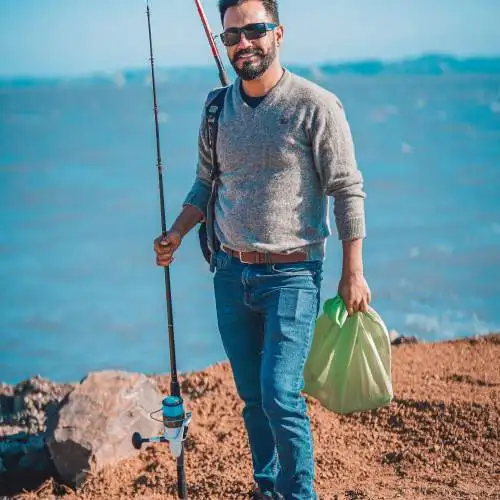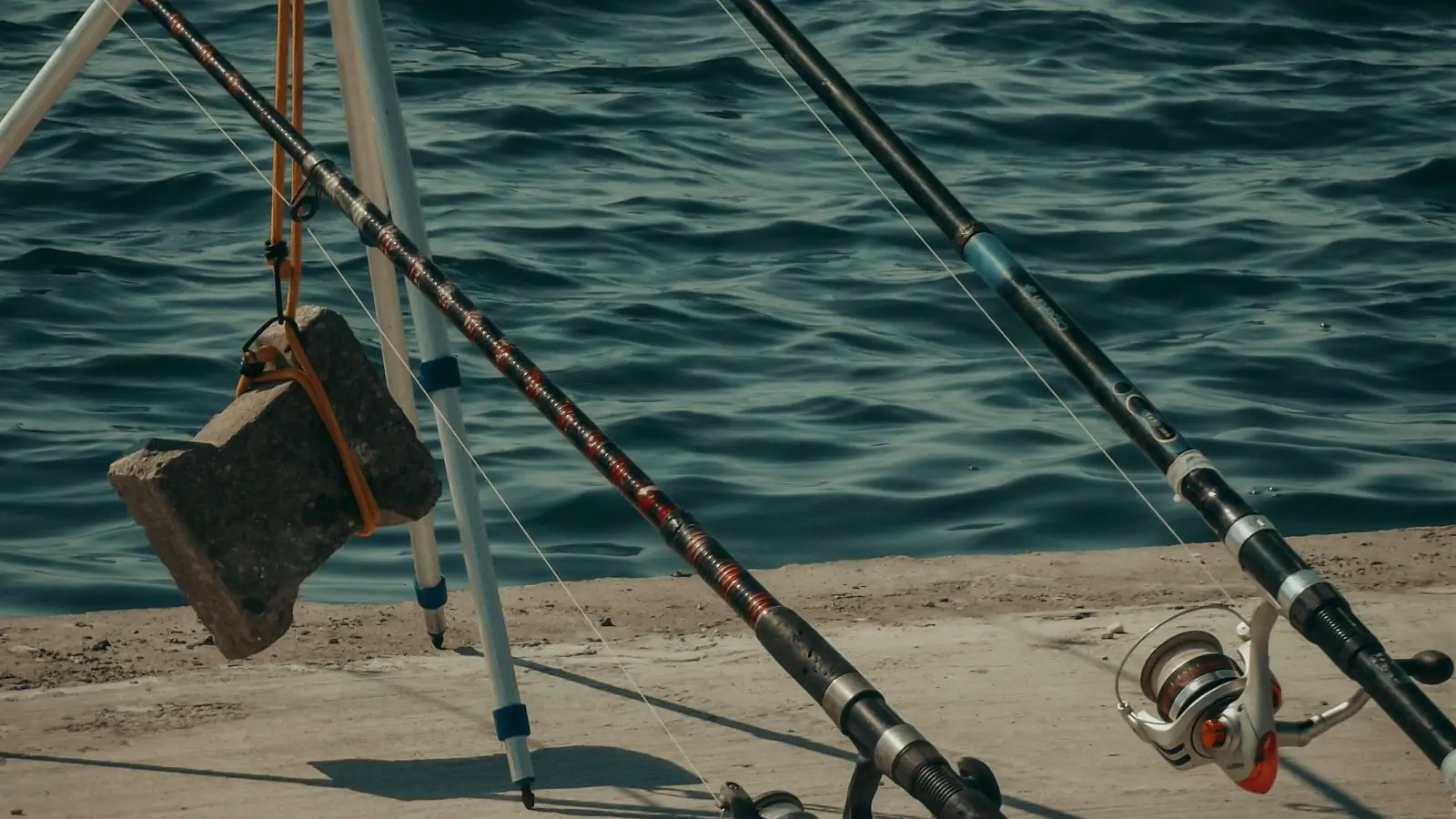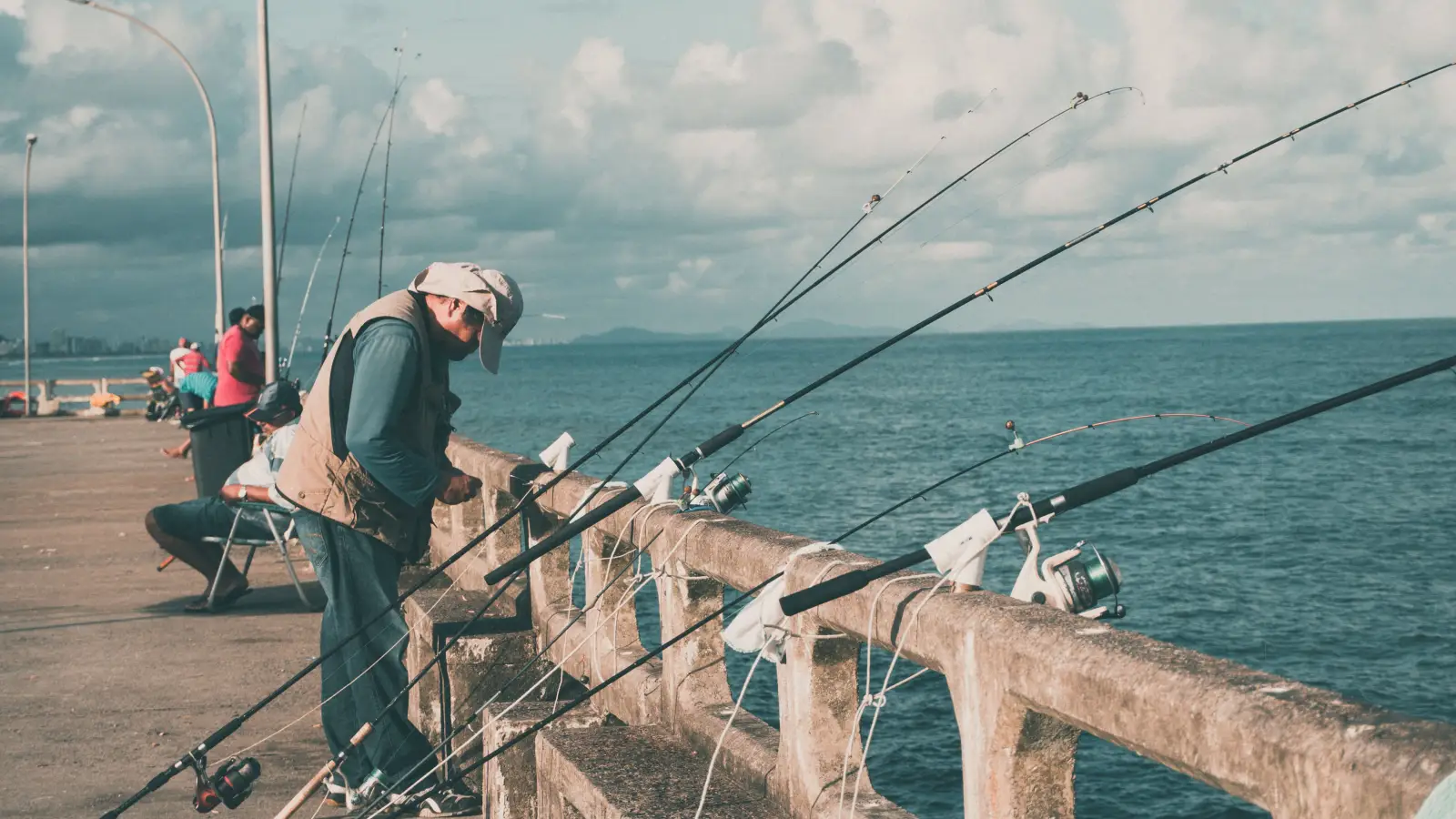
The seven pier fishing mistakes that fray tempers and turn a day of fishing into a hazard boil down to thoughtless space use, ignoring the people around you, and letting pride steer the conversation when things go wrong. In a tight line of anglers, these aren't just rudeness—they're the short fuse between a muttered complaint and a hook in someone's arm. This article walks you through a loop that values every person on the rail and keeps the shared space safe, not because it's polite, but because it prevents real injury.
Every angler on a crowded pier is part of a temporary community that rises and falls on mutual awareness. When someone blocks the walkway with a cooler or casts over your line without a word, the emotional reaction isn't just annoyance—it's a spike of adrenaline that can turn a patient regular into an unintentional hazard. A shove born from that anger, or a reactive jerk of a rod, can end with a hook traveling twenty feet in the wrong direction. This piece isn't about memorizing a list of don'ts. It's about treating pier etiquette as a shared safety net, where looking out for each other is the only way everyone walks off the pier with their skin intact.
Why a Cross Word on the Pier Can End in the Emergency Room
On a busy pier, tension doesn't just hurt feelings—it physically changes the space. Four forces combine to make anger an active safety risk. Crowded rails put anglers within casting distance of each other's faces; a sudden movement in frustration can swing a rod tip through someone's peripheral vision. Loose gear—tackle boxes, buckets, a forgotten fillet knife—turns a minor shove into a trip and fall. Fishing is emotionally high-stakes; a lost trophy or half an hour of untangling can leave a person primed for a reaction they'll regret. The hook itself is an unguided missile: the moment attention shifts from fishing to confrontation, someone's backcast is forgotten, and skin is the first thing it finds.
The Shared Rail Cycle: Keeping a Pier Safe Step by Step
Pier fishing mistakes that annoy and endanger don't appear out of nowhere. They travel through a predictable sequence, and stopping them early keeps everyone out of harm's way. This cycle names the stages so you can interrupt the pattern before it turns dangerous.
See the Space Before You Touch Your Gear
This first stage is about honoring the physical world already in place. Walking onto a pier, the wind, the water, and the people who arrived hours before you have already created a delicate system of lines and movement. Ignoring that system is the single fastest way to spark a conflict.
Why it belongs at the very beginning: Most arguments and the accidents that follow start with a preventable invasion—a tackle box blocking the path, a rod holder planted where someone is trying to land a fish, a cast that was never going to clear the neighbor's line. In a tight space, that kind of carelessness feels like a personal disregard, and the resentment it breeds triggers risky behavior faster than most anglers realize.
What engaging this stage looks like: Before you unbuckle a single strap, walk the section of rail you're considering. Feel the wind direction and watch where existing lines are drifting. Aim for a spot that leaves at least a rod-length of clearance on each side for your casting arc. Tuck all gear—including that extra bucket—behind the rail or tight against it, never in the walking lane. If the only available gap feels like a squeeze, honor the space by waiting or finding another location.
What real success looks like: You open your kit, set up, and begin casting while the people around you continue fishing without having to adjust. No lines cross, no one sidesteps your equipment, and the rhythm of the rail feels unchanged. You have become a welcome part of the community simply by paying attention.
Listen to the Mood of the Rail Before It Yells at You
Once your line is in the water, your awareness shifts to the people beside you. Pier fishing is a social activity whether you speak a word or not—the tension in someone's shoulders, the clipped tone of a remark, the way a rod tip twitches in frustration all send signals. This stage is about picking up those signals early enough to offer a small kindness and drain the pressure before it explodes.
Why it comes after you've settled in: Even a perfectly chosen spot won't protect you from the stress carried by others on the rail. The angler three spots down who's been fighting the same knot for twenty minutes isn't your fault, but if your line drifts near his, his fuse is already burning. Tuning in lets you see the emotional landscape and adjust before you become the target.
What to do practically: Every few minutes, glance down the rail and read the body language. Is someone shaking their head repeatedly? Has a normally steady angler gone stiff or silent? A simple, low-key "Still chasing them?" in a neutral voice can be an invitation to vent and reset. If a cast goes wide, call it immediately: "That one got away from me—let me reel in and check your line." That quick acknowledgment, delivered before the other person has to react, drains tension faster than any defense later. If someone is struggling with a tangle and you have a spare leader or clippers, offer them. Small acts of practical generosity redefine you from a stranger to an ally.
What real success looks like: The rail hums along quietly. Irritations surface and dissolve in the space of a few words. A bystander might never know a problem almost happened because the people involved cared enough to catch it in the whisper stage.
Diffuse a Confrontation Before It Finds Skin
This is the moment when someone is directly angry at you—shouting about a crossed line, accusing you of cutting them off. Every instinct says to defend yourself, to explain how it wasn't your fault, to match their volume. This stage is about choosing a different, harder response: holding the community together.
Why this stage is the critical pivot: On a pier, a yelling match isn't just noise; it's the immediate prelude to a physical accident. A defensive shove, a reactive rod swing, a hooked face—these happen in seconds. One person's unwillingness to de-escalate can injure multiple people and ruin a fishing spot's reputation for seasons.
How to respond when the heat is on: Lower your voice, not raise it. Start with a short, direct acknowledgment: "You're right, that was too close. I'm sorry." You're apologizing for the result, not admitting malice, and that small step pulls the other person's anger down a notch. If they keep shouting, don't climb to meet them. Say, "Let's sort this out so we can both get back to fishing." Propose a concrete fix—moving your spot, cutting a tangle and retying, taking a five-minute break. If the person still won't disengage, calmly pack your gear and relocate. A fish isn't worth a trip to the hospital, and your own safety matters to everyone who watches.
What real success looks like: Two people who were seconds from a bad outcome end up nodding across the rail, maybe even trading tips later. You've protected not just your own skin, but the safety of every nearby angler and the spirit of the spot.
A Single Morning That Almost Broke the Cycle
Picture a packed Saturday on a Gulf Coast pier under a bright sun. A young angler arrives, brimming with excitement and a new rod. He steps onto the planks and misses Stage 1 entirely—sets his tackle box right in the walking path, wedges into a gap so small he's nearly touching elbows with his neighbor, and flings a heavy sinker into the wind without a glance. The cast slices across three lines. An older regular who's been methodically working the same water for hours jerks his rod up, snarls everything, and hooks a stanchion. He yells; the newcomer yells back, his face reddening. A small crowd turns to watch.
But a third angler, someone who's been quietly practicing Stage 2, had noticed the regular's simmering frustration after a lost fish twenty minutes earlier. He steps toward the newcomer, not with a lecture, but with a calm offer: "I think his lines are still looped around that piling. Let me help you reel in and we'll get this sorted." No blame, no sides. The newcomer, seeing a way out, nods. The regular, no longer feeling challenged, lowers his rod. In two minutes, the tangle is cut loose and both lines are back in the water. That small act of de-escalation saved someone from a hook wound, a fall, or worse, and it kept the whole rail's morning intact.
Where the Cycle Gets Skipped and Safety Pays the Price
Two sidesteps show up again and again, and the cost is measured in stitches and scarred reputations.
Walking onto the pier and setting up blind. When an angler never takes those first five minutes to absorb the space—the wind, the lines, the foot traffic—the result is a tangle or a tripping hazard inside the first few casts. That one careless setup then plants the seed for every conflict that follows. The price: a hook wound on a bystander who had nothing to do with the argument, or a fall that ends a fishing season.
Choosing pride over peace when tempers rise. The belief that backing down is weakness pushes too many anglers to escalate instead of diffuse. On a packed rail, that choice turns a verbal exchange into a physical one almost instantly. One shove, one stumble into a bucket, one wild rod swing, and a hook lands where it shouldn't. The injury isn't just physical; the pier community fractures. People leave, fewer return, and a good fishing spot becomes known for the wrong reasons.
The Shared Rail Cycle at a Glance
| Stage | Goal | Key Action |
|---|---|---|
| See the Space | Prevent physical conflicts before they start | Scan wind, lines, and walkway; leave clear paths |
| Listen to the Mood | Sense rising tension and defuse it early | Watch body language; acknowledge near-misses immediately |
| Diffuse the Confrontation | Stop arguments from turning physical | Use a calm voice; offer a fix, not a defense |
FAQ
What should I do if someone keeps casting over my line no matter how I reposition?
Start with the assumption they're not doing it on purpose. A calm "Hey, our lines keep crossing—mind if I slide over a bit?" almost always works. If it doesn't stop, quietly reel in and find another spot. Arguing only raises the risk of injury for everyone nearby.
How can I apologize without feeling like I'm admitting fault?
Apologize for the impact, not the intention. "I'm sorry that happened" or "That was too close, my timing was off" recognizes the effect and cools things down without a blame debate.
Is it ever okay to involve a pier attendant or staff in a dispute?
Yes. If someone is behaving aggressively or unsafely—swinging a rod without checking, making threats—that's a danger to everyone on the pier. Walk calmly to the office or bait shop and let the attendant know. You're protecting the community, not tattling.
What's the single most dangerous mistake beginners make on a pier?
Setting up without looking at the world around them. A blocked walkway or a poorly placed rod can cause a trip, a tangle, or a hook injury within minutes. Spending five minutes observing before you unpack is the cheapest, most effective safety move you'll ever make.
Your Next Step on the Pier
The Shared Rail Cycle turns a chaotic row of strangers into a group that watches out for one another. The stage every angler can start with today, before a single cast, is seeing the space: pause, look, and choose your place with care for the people already there. That one habit stops more pier accidents than any rule ever could.