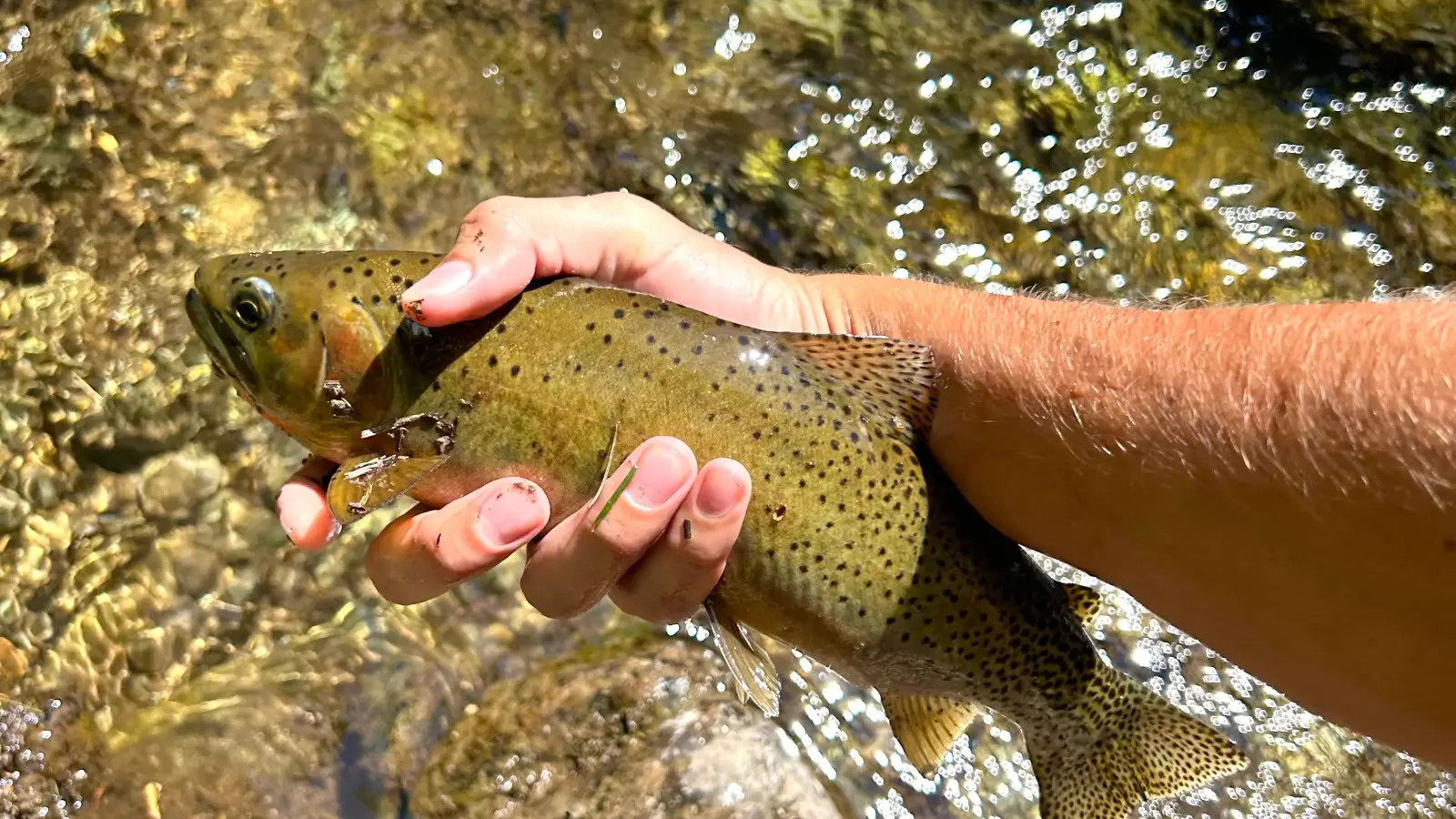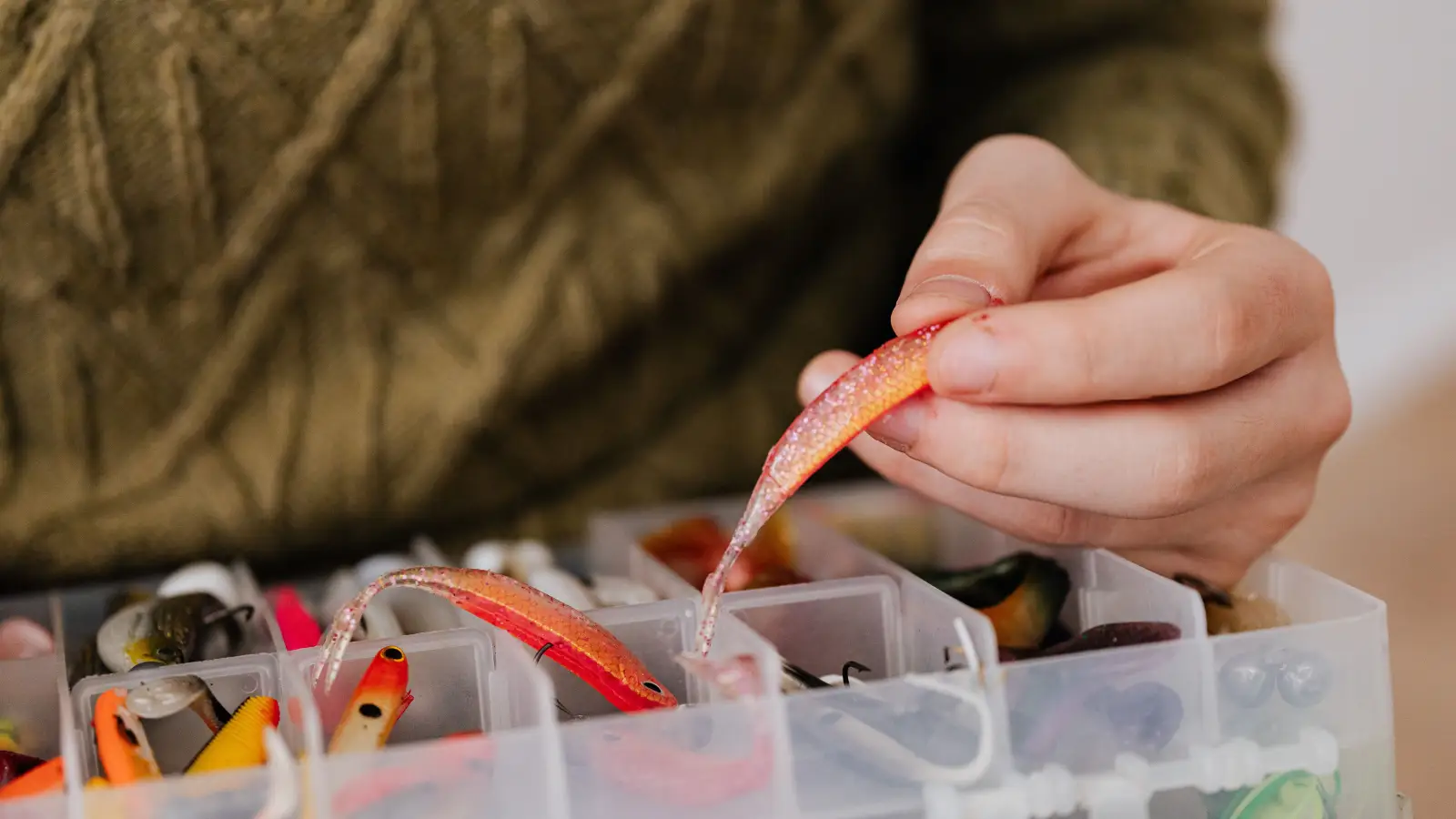
Trout feed in three distinct modes: opportunistic, selective, and aggressive. Match your lure type, size, and retrieve to the mode a trout is using right now, and you’ll get strikes. Ignore the mode, and you’ll waste casts. This guide puts the decision tree in your hands—read the water, pick the presentation, and fish the fish’s world.
Most anglers choose lures by season or by what caught fish last time. That’s fishing memory, not trout behavior. A trout’s feeding decision runs on immediate cues, not a calendar. Every preference falls into one of three behavioral buckets. Each bucket demands a different lure profile, a different retrieve, and a different size range. Stop guessing and start matching the mode.
Where You Stand on the Water: Three Common Starts
Every session begins in one of three scenarios. Pick yours. Your route through the article will follow the progression, but your initial focus lands where the problem lives.
- Low, clear water, no visible surface activity. Fish are scattered and wary. Opportunistic mode dominates. You’ll need small, subtle lures and a slow, erratic retrieve that invites inspection without spooking the fish. Your route: grasp the opportunistic decision-making logic, then lock in the right presentation.
- A hatch is underway and trout are rising steadily. Selective mode. Fish are locked onto a specific insect. Avoid generic lure choices. Your route: skip straight to the selective-mode section and learn to match size, profile, and drift exactly.
- Stained water, heavy cloud cover, or baitfish busting the surface. Aggressive mode is on. Trout are chasing. Your route: start with aggressive-mode lures and retrieves, then watch for the switch when the action fades.
Reading Trout Behavior: Identify the Feeding Mode
Open the tackle box only after you’ve identified the program running in the trout’s brain. The clues sit above the water.
Opportunistic Mode: Cautious Inspection
When food is present but not abundant, trout inspect every morsel. They’ll move toward a lure but often turn away if the cost-benefit isn’t right. This is low-water midsummer, early spring before hatches, or heavily pounded water. Clues: clear conditions, scattered insects, fish holding near cover, occasional subtle swirls. If a trout follows your lure then refuses, you’re watching opportunistic behavior.
Selective Mode: The Hyper-Focused Specialist
A dense emergence flips the switch. Trout ignore everything that doesn’t match the exact prey item. Clues: rhythmic rises, heavy insect activity on the surface, tails and dorsals breaking the film. Water clarity matters less here—the food signal overrides caution.
Aggressive Mode: The Chase Response
When abundant prey and poor escape routes make pursuit cheap, trout stop evaluating and start chasing. Low light, wind pushing bait, rising water—these all trigger it. Clues: slashing attacks, boils, baitfish scattering. Trout commit fast and hit hard.
Ready to move on? You assign any stretch of water to one of these three modes without hesitation.
Lure Categories That Fit Each Trout Decision
Each mode asks a single question: “Is this food?” “Is this the specific food?” or “Can I catch it?” Your lure must answer that question directly.
For Opportunistic Feeders
Small, natural-profile lures. Think size 0–1 inline spinners (Mepps Aglia, Panther Martin), 1/16 to 1/8 oz marabou jigs, tiny soft plastic grubs, or unweighted woolly buggers in olive or black. Keep the length under 2 inches. A metallic flash works because it mimics a baitfish turn, but the overall package must look like an easy meal.
For Selective Feeders
Imitation is everything. Fly patterns lead here, but spin anglers succeed with micro soft plastics that match the hatch’s profile. A size 18–22 blue-winged olive dry fly, a micro caddis pupa, or a 1.5-inch realistic nymph. Color, silhouette, and even the way the lure sits in the film decide the strike. Generic “something small” gets ignored.
For Aggressive Feeders
Loud, fast, and bigger than you’d think. Jerkbaits (Rapala X-Rap), 3-inch paddletail swimbaits, size 3–5 inline spinners, or a Clouser minnow stripped fast. Bright colors and rattles trigger a reaction, not a feeding inspection. Lures from 2.5 to 5 inches all work.
Ready to move on? You reach for a lure category—not just a favorite bait—based on the feeding mode.
The Right Retrieve and Size for Each Mode
A lure in the water is half the answer. Speed and size finish the conversation.
Opportunistic Retrieve
Slow, with frequent pauses. Twitch, twitch, pause—the pattern of an easy, injured target. Keep lures 1–2 inches. Bigger profiles get refused because the trout won’t invest the energy.
Selective Retrieve
Dead-drift or subtle twitches. The lure must move exactly like the natural. Dry flies need no drag; nymphs need a sinking drift with an occasional emergence twitch. Size must be exact—a millimeter off means refusal when trout are locked in.
Aggressive Retrieve
Fast and erratic. Burn a swimbait, rip a jerkbait in sharp sideways dashes, strip a streamer in long, violent pulls. The goal is a chase reflex, not a careful look. Lure size scales up to 2.5–5 inches.
Ready to move on? You adjust retrieve and size on the water as the mode dictates, not from a memorized script.
Switching Modes Mid-Stream Without Losing Your Edge
Feeding modes don’t hold all day. A morning aggressive bite can shut off by 10 a.m. when the sun hits. A midday hatch can lock fish into selective mode without warning. The angler who reads the switch and re-rigs wins.
Trigger signs: rising surface activity signals a shift to selective; insects on the water pull trout out of opportunistic mode; dropping light flips them into aggressive; baitfish pushing shallow triggers a chase. When you see the change, reassign the mode and restart the lure-selection process. Don’t fish what worked an hour ago.
Ready to move on? You detect a mode shift and change presentations in minutes, not hours.
Readiness Recap: The Signals You’ve Internalized
- You look at water, light, and insect activity and assign a feeding mode instantly.
- You know the lure category for each mode—small and subtle for opportunistic, exact imitation for selective, loud and fast for aggressive.
- You dial in retrieve speed and lure size by mode: slow and small, dead-drift and precise, erratic and large.
- When conditions change, you recognize the shift and re-rig. You don’t fish memories.
What to Ignore for Now
Some worries are legitimate, but they don’t belong in your head until you’ve mastered the mode framework. Push them aside.
- Exact color matching. It’s critical only in selective mode. Opportunistic and aggressive trout respond to profile and movement first. Don’t obsess over shade until a heavy hatch demands it.
- Line visibility. Fluorocarbon matters when you’re presenting to selective trout in clear water. In stained water or aggressive mode, a trout committed to a chase doesn’t inspect your line. Tie direct and fish.
- Scent and attractants. They help trigger a strike in opportunistic mode or in murky aggressive conditions, but they aren’t a substitute for a correct retrieve. Add scent after you’ve dialed the presentation.
- Ultra-light tackle. Necessary for tiny selective lures, but a liability in aggressive mode where hard strikes and runs break fish off. Match the rod to the mode, not to a fairy wand ideal.
Accelerate Your Decision-Making on the Water
Cut the learning curve without skipping the fundamentals.
- Polarized glasses are non-negotiable. They show you whether trout are holding, chasing, or sipping. Without that visual data, you’re guessing at the mode.
- Pre-sort a small box by mode. Keep three sections: “opportunistic” (small spinners, grubs), “selective” (fly patterns, micro soft plastics), “aggressive” (jerkbaits, large spinners, swimbaits). Identify the mode, open one section, and start fishing.
Common Questions About Trout Feeding Modes and Lures
How do I tell if trout are feeding opportunistically?
Look for clear water, scattered insect activity, and no surface rises. Trout hold near cover and move short distances to inspect drifting bits. A fish that follows your lure but turns away is the classic sign of opportunistic inspection.
Do I always need to match the hatch exactly?
No. Exact imitation matters only in selective mode. When trout are in aggressive or opportunistic modes, general size, profile, and movement trigger the response—not perfect pattern duplication.
Can I fish one lure all day and still catch trout?
Almost never. As light, temperature, and insect activity change, the feeding mode shifts. A lure that killed during an aggressive dawn window will be ignored when fish lock onto a midday hatch. Carry at least one option for each mode.
What’s the best retrieve for aggressive trout?
Fast and erratic. Rip a jerkbait sideways, burn a swimbait just under the surface, or strip a streamer in hard, violent pulls. The trigger is the chase, not a careful inspection.
How does water clarity change feeding mode?
Clear water pushes trout into opportunistic or selective modes because they can inspect food carefully. Stained water reduces visibility and often shifts trout into aggressive mode—they must commit fast or miss the meal. A sudden mudline can turn a cautious bite into a reckless one in minutes.
Where Mastery Takes You
You walk up to any trout water, read the light, the surface, and the fish’s movements, and your first cast lands with a lure that answers the question the trout is asking. No second-guessing. The first action for the most common start—low, clear water with no rises—is to spend three minutes observing before that first cast. Identify opportunistic mode, tie on a small, natural-profile lure, and fish it slow. At that moment, you’re thinking like a trout, not an angler.