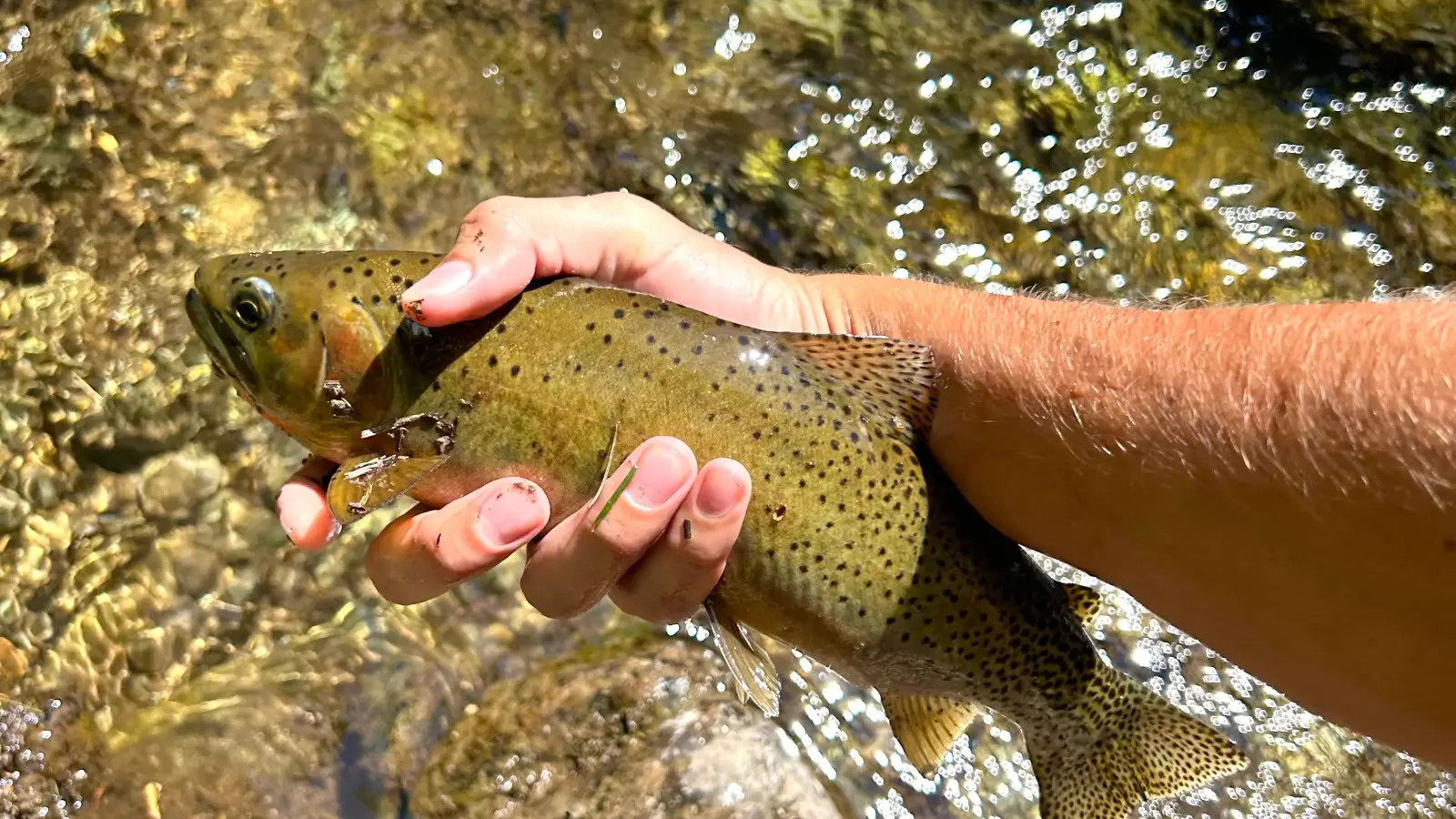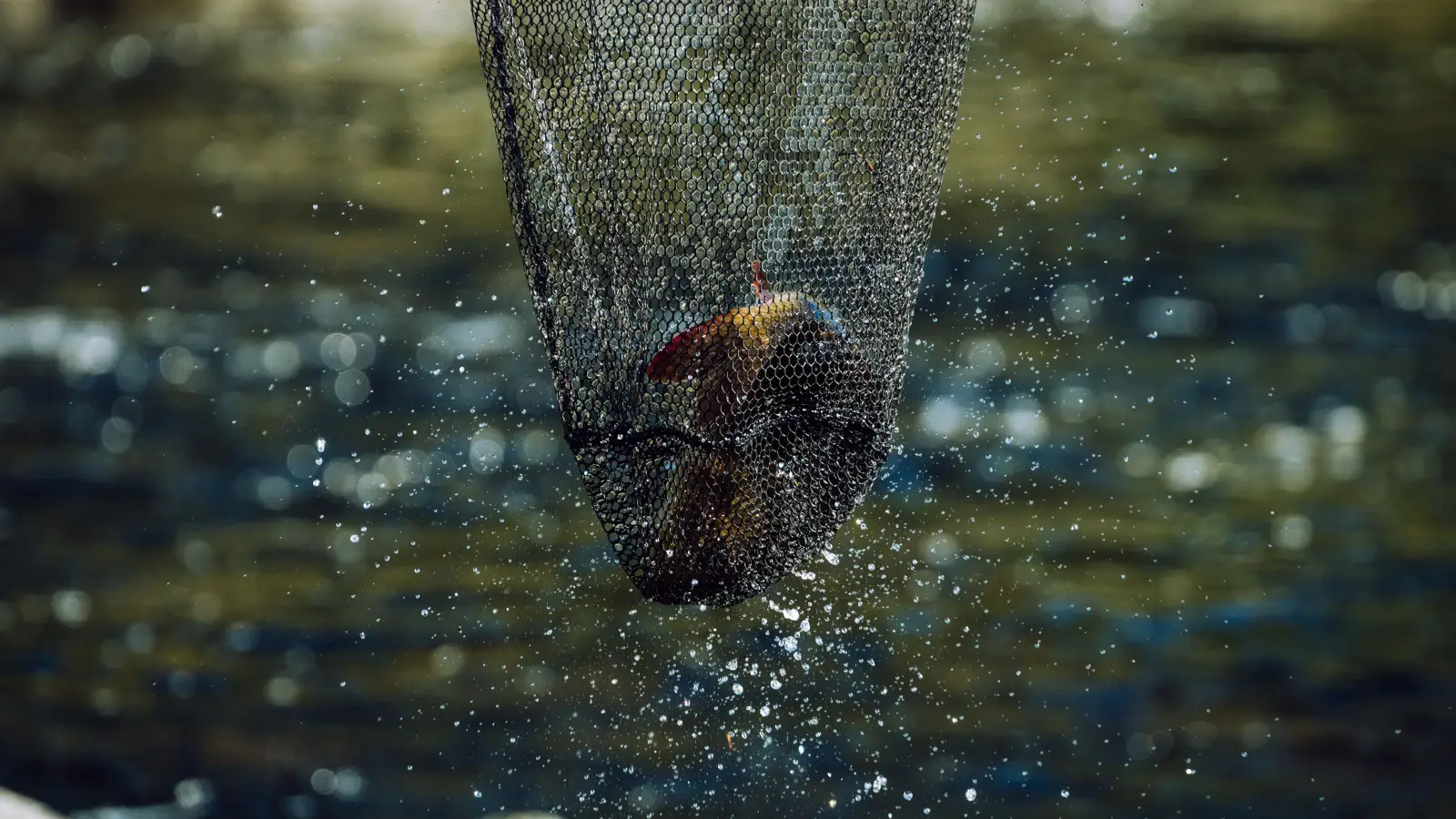
Trout fishing succeeds or fails on a single decision: matching the method to the water, not adding more gear. Anglers who switch between spinning, fly, and bait as water type changes catch more fish. That switch costs nothing.
Most anglers pick one method and force it on every pool, riffle, and run. A fly-fishing purist wastes time in fast shallow water where spinners would produce. A bait angler sits idle over a streamer run while trout chase baitfish. This guide lays out exactly when and why to switch methods across three distinct trout water types: fast riffles, streamer runs, and deep pools. It is not about buying a new rod. It is about reading water and matching tactics accordingly.
Water Type Drives Trout Position and Feeding
Three water types define most trout rivers, and each dictates how trout hold and feed. Fast riffles produce reaction bites. Streamer runs hold ambush predators. Deep pools yield cautious, selective fish. The effective angler treats these as separate problems requiring separate solutions, not variations of the same approach.
Spinning gear rules riffles because lures cover wide, chaotic water and provoke strikes from fish with no time to inspect. Fly fishing dominates streamer runs because the drift and swing of a streamer or nymph matches the natural presentation trout expect there. Bait wins in deep pools where scent and a slow, bottom-hugging drift overcome the fish’s wariness. Ignore these matchups and you work harder for fewer fish.
Fast Riffles: Spin or Go Home
Fast, broken water forces trout into aggressive, snap-judgment feeding. A method that covers water quickly and triggers reaction strikes is essential. Spinning gear does both with minimal friction.
Use a 6–7 foot light-action spinning rod with 4–8 lb test. Tie on an inline spinner like a Mepps or Panther Martin, or a small spoon like a Kastmaster. Cast slightly upstream to each current break behind rocks and at seam edges. Retrieve fast enough to keep the blade spinning and the lure darting irregularly across the current. The fish will hit on impulse, not inspection.
Why spinning wins: Flash and vibration stimulate strikes. The retrieve speed keeps the lure behaving naturally against fast water. You can probe a 50-yard riffle in minutes and show the lure to many trout. Fly gear struggles to get a drag-free drift here; bait washes out of the zone too quickly.
What it looks like when done right: Every cast lands within a foot of structure. You vary retrieve speed and depth until strikes happen consistently. You are catching fish while others flounder with drifting presentations that never reach the target.
Exception: Low, clear water with a hatch emerging can make a dry fly viable. But under most conditions, spinning is the highest-percentage choice. The real switch to make here is from stubbornly sticking with fly or bait to picking up a spinner.
Streamer Runs: Where Fly Fishing Is the Answer
Moderate-depth, steady-current runs with wood, rocks, or undercuts are ambush lanes. Trout hold facing upstream, waiting for food to sweep into the strike zone. A fly rod gives control over speed and depth no other method matches.
Rig a 5- or 6-weight fly rod with a sinking leader or split shot. Select a streamer—Woolly Bugger, Clouser Minnow, or a sculpin pattern. Cast quartering upstream, let the fly swing across the current, then strip back with short twitches. Vary the retrieve to imitate injured prey. Alternately, dead-drift a nymph under an indicator through the softer seams. Focus on the head of the run, current seams, and any structure.
Why fly fishing wins: A swung streamer mimics a baitfish crossing the current erratically, triggering violent strikes. Long, fine leaders let you present without disturbing the moderate clarity of typical runs. Spinning lures splash and track unnaturally; bait drifts too slowly to provoke the ambush response.
What it looks like when done right: The streamer tracks the current speed, sometimes pausing, sometimes accelerating as you twitch. Strikes are firm and immediate. You hook fish that refused a spinner minutes earlier.
Exception: High, stained water can flip the script. A large, vibrating spinnerbait or crankbait on spinning gear may connect better when visibility is low and trout rely more on lateral-line sensing. But for clear to slightly tinted flows, the fly rod is the superior tool.
Deep Pools: Bait Earns Its Place
Slow, deep water makes trout deliberate. They scrutinize every morsel. Scent and a bottom-drifting bait often produce when no other approach works.
Rig a slip-sinker with a 1/8–1/4 oz egg sinker, small swivel, 2–3 foot fluorocarbon leader, and a size 8–10 octopus hook. Bait with a worm segment, salmon egg, or dough bait. Cast upstream and let the current carry the rig into the pool. Keep a semi-taut line and watch for subtle twitches or stops. Use a sensitive rod tip—light graphite or fiberglass—to separate bottom contact from a bite.
Why bait wins: Scent draws fish in slow water where lures lose visual appeal. The slow drift keeps the offering in the strike zone for extended periods. Spinning lures often hang up or look unnatural; fly nymphs can drift at the wrong depth.
What it looks like when done right: You are in constant contact with the bottom but rarely snag. You distinguish a trout’s soft take from a rock, and hook sets are solid because you let the fish commit before tightening.
Exception: Active fish feeding mid-column or on emerging insects at the surface may call for a dry fly or a jig under a float. Recognize rising fish or suspended activity and switch accordingly.
One Morning, Three Methods
A freestone stream in early summer: an angler starts at the head of a long, shallow riffle. The current is fast, the surface choppy. She clips on a size 1 silver spinner and casts to every pocket behind rocks. Two rainbows come to hand quickly.
She moves downstream to a deeper run with a steady walking-speed flow and a sunken log along the bank. Water clarity is good. She stows the spinning rod, rigs a 5-weight fly rod with a black Woolly Bugger, and casts upstream. The fly swings past the log. A sharp thump—a 16-inch brown.
Later, the sun rises and the fish push into a dark, four-foot pool at a bend. She switches again, to a slip-sinker with a worm, casts upstream, and lets it drift deep. After a short wait, the line twitches sideways. Another brown, heavier and more deliberate.
Three water types, three methods, no new gear. Each switch was a calculated response to the structure and behavior in front of her.
Common Breakdowns in the Framework
Knowing the water-to-method match is only part of the equation. Execution and habits often interfere.
Refusing to Switch Methods Across Water Types
An angler who exclusively fly fishes will nymph a fast riffle until frustration sets in. The issue is not casting ability—it’s mismatch. In that water, a spinner simply finds more fish faster. The practical solution: carry a compact spinning setup when wading, or at least recognize when fly gear is the wrong tool and move on instead of forcing it.
Misclassifying a Streamer Run
A run with moderate depth and steady current can look like a pool to an untrained eye. Bait on the bottom sits while trout actively chase baitfish in the water column. That misdiagnosis costs the whole window of peak aggression, typically dawn and dusk. Learn to distinguish runs by surface flow—not only depth—and match the method.
Static Thinking Despite Changing Conditions
Water temperature, clarity, and time of day alter trout behavior even within the same water type. Cold, early-season flows often demand a slower bait presentation even in a run. Summer evenings may see a dry fly outproduce bait on a pool. The framework is a starting point, not a rigid rule. Adjust based on what the fish are doing, not what the chart says.
Method-Water Matchup at a Glance
| Water Type | Best Method | Why | Key Action |
|---|---|---|---|
| Fast riffles | Spinning gear | Covers water fast, triggers reaction strikes | Cast accurately behind cover, retrieve fast |
| Streamer runs | Fly fishing (streamers/nymphs) | Natural drift and swing match ambush feeding | Swing or strip streamers near structure |
| Deep pools | Bait fishing | Scent and slow presentation for selective fish | Drift bait along bottom, detect subtle takes |
FAQ
Can I catch trout in deep pools with spinning gear?
Yes. A small jig or drop-shot can take fish, but when trout are sluggish, bait’s scent and slower drift give it a significant edge. Spinning is not useless, but bait is often more effective.
Which method should a beginner learn first?
Spinning gear requires less finesse. Learn to cast lures and read water, then add fly and bait skills. Starting with the highest-percentage method for riffles builds confidence and catch numbers.
Do I need separate rods for each method?
Not really. One medium-light spin rod handles both spinning lures and bait rigs. A fly rod is needed for fly fishing. Many anglers carry one of each when wading; switching between them is the core of this approach.
How do I identify water types quickly on unfamiliar water?
Watch surface speed and texture. Fast, choppy, broken = riffle. Smooth, steady flow with moderate depth = streamer run. Very slow, deep, often darker = pool. Also note fish activity: splashing or chasing minnows signals a run.
Does this method-switching approach work in stillwater?
Yes, with adjustment. Lakes have zones based on depth and cover, not current. Switch between spinning for shallow active fish, fly for mid-depth cruisers, and bait for bottom-hugging trout. The principle is identical: match method to fish location and mood.
What to Do Next
Read the water type in front of you. If it’s fast and broken, pick up a spinner. If it’s a smooth, steady run, tie on a streamer. If it’s deep and slow, rig a bait on the bottom. The method-switching mindset is that simple. Practice it today by walking a stretch of river, identifying each zone, and deliberately changing your approach. The fish will confirm—or reject—your choice quickly. Adjust and repeat.