Shore anglers waste time tying rigs that don’t match what’s under the water. Three bottom rigs and two float rigs cover the conditions you’ll actually face from the bank. The choice comes down to bottom type, the species present, and the bait you have. This article sorts the Carolina rig, drop-shot rig, and fish finder rig against the slip bobber and fixed float, with a decision method based on substrate, current, and presentation.
The Carolina Rig Covers More Shore Conditions Than Any Other Single Setup
The Carolina rig belongs in every shore box because its sliding egg sinker keeps a bait near bottom without immediately telegraphing resistance to a fish. A bead protects the knot, a barrel swivel stops the weight, and an 18- to 36-inch fluorocarbon leader trails behind. That configuration works across sand, mud, gravel, and light rock—places where a fixed weight would dig or hang. Catfish, carp, redfish, and bass all take cut bait, nightcrawlers, or soft plastics on this rig, and the tight-line sensitivity remains high enough to detect most bites.
Side-by-Side Rig Comparison for Shore Fishing
| Rig | Best Bottom | Top Bait Types | Sensitivity | Casting Distance | Setup Time |
|---|---|---|---|---|---|
| Carolina | Sand, mud, gravel | Cut bait, worms, soft plastics | High (with tight line) | Good | Low |
| Drop-shot | Rock, shell, timber | Soft plastics, live minnows | Very high | Moderate | Low |
| Fish finder | Sand, mud, current | Cut bait, live baitfish | Low (until run) | Excellent | Very low |
| Slip bobber | Any depth, calm or current | Live bait, jigs, worms | High (visual) | Moderate | Medium |
| Fixed float | Shallow, still water | Worms, crickets, dough bait | High (visual) | Low | Very low |
Carolina Rig: The Workhorse That Handles Most Bottom Types
The sliding egg sinker on a Carolina rig lets a fish mouth the bait and move before feeling weight. That delay matters with cautious biters. The swivel and bead stop the sinker above the leader, keeping the bait near bottom while the angler works it with a slow lift-and-drop.
It works best on sandy beach fronts, muddy lake bottoms, and gravel bars. The rounded sinker slides over soft substrate instead of burying. Casting distance is adequate for most shore situations, and a tight line delivers reasonable bite detection.
The downsides are real. Light biters can spit the bait before the rod tip moves, and around sharp rock or heavy wood the sliding sinker can wedge into a crevice. In strong current, the rig washes unless the weight is increased significantly—and a heavy sinker gives fish something solid to feel, which defeats the design.
Drop-Shot Rig: For Rock Structure Where Fish Hold at a Specific Depth
The drop-shot rig places a hook above a weight fixed at the line end. That puts a soft plastic or live minnow at an exact height off the bottom, exactly where fish face current near riprap or bridge pilings. The weight stays in contact with structure, and any peck transmits through the taut line immediately.
Shore anglers targeting smallmouth, walleye, or crappie around rock banks use it because the bait hovers while the weight takes the snag. When the weight does hang, tying the sinker on lighter line lets it break away, saving the rest of the rig. Casting range is shorter than other bottom rigs because the weight hangs below the bait, but that trade-off is worth the precision.
The rig fails in open current-swept sand. A dragging drop-shot picks up debris and loses the bait’s position. It’s also a single-hook presentation, so covering water takes time.
Fish Finder Rig: When Bait Must Sit Still and a Fish Must Feel Nothing
The fish finder rig threads the main line through a sliding sleeve or barrel, then to a swivel and leader. The fish can carry the bait without resistance, which makes it the first choice for channel cats, blue cats, sturgeon, and redfish on cut or live bait. The rig casts farther than any other bottom option because the sinker loads the rod cleanly, and the leader streams behind without tangling.
On open sandy beaches, a pyramid or sputnik sinker anchors the rig while a cut mullet head sits flat, and the fish picks it up and swims. The rod tip shows a tap, then a steady pull.
The trade-off is sensitivity. Until the fish moves, nothing happens. That means the angler must watch the rod tip or use a baitrunner reel. In rocky or timbered areas, the sliding sinker can slide into a crack while a fish holds still, creating a false snag. This rig is not for subtle biters.
Slip Bobber: Depth Control When Fish Suspend Out of Reach
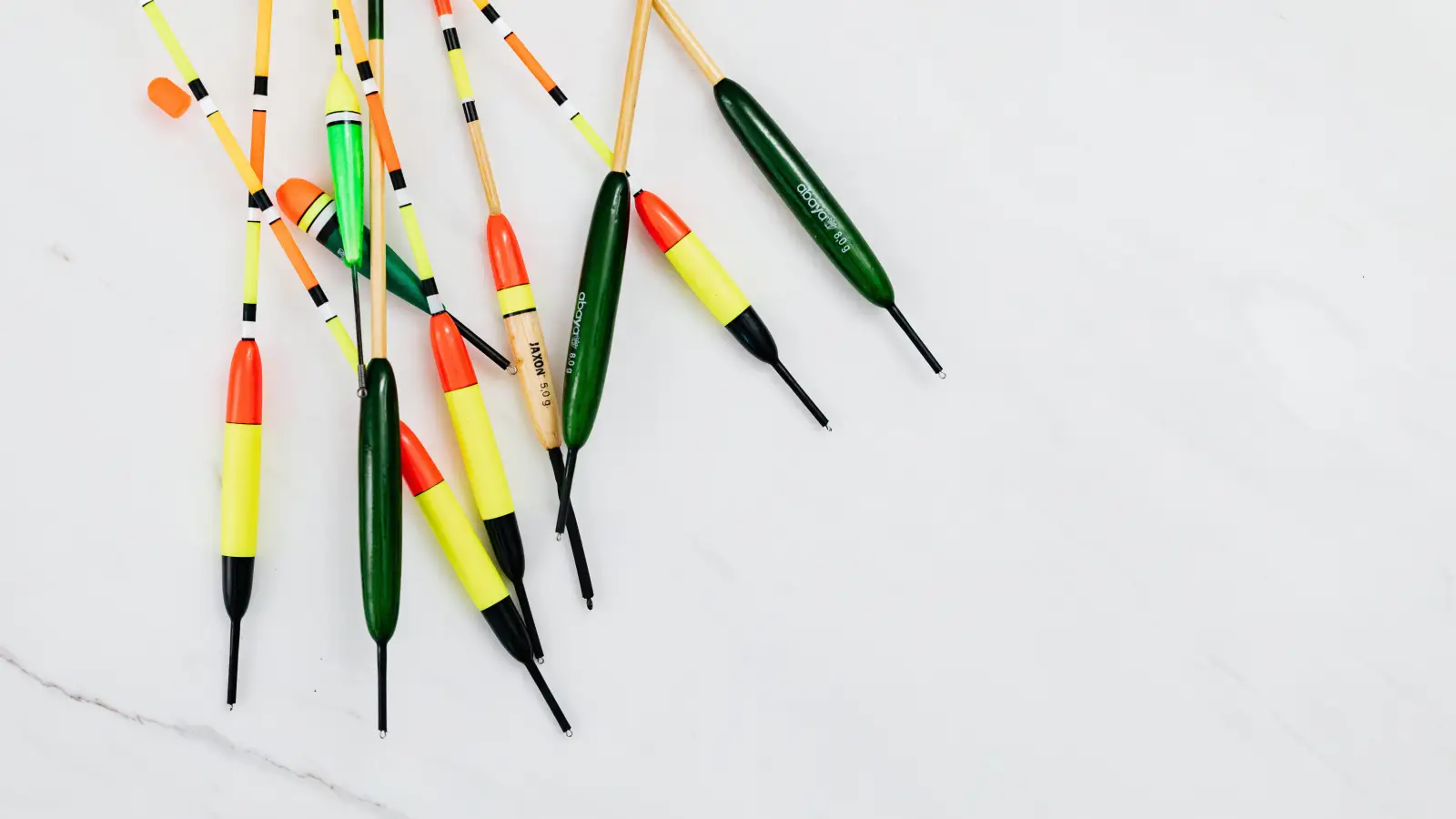
A slip bobber rig uses a bobber stop, bead, and hollow float that slides on the line until it hits the stop. That lets a shore angler fish any depth from a fixed spot. Crappie, trout, and walleye holding off a deep flat or in a current seam take live minnows or jigs under a slip bobber better than any bottom rig.
Casting is manageable because the stop and float slide down to the bait, so the rig compacts in the air. Once in the water, the bait sinks to the set depth, and the current drifts the float while the bait trails behind. This keeps the presentation natural in moving water.
Problems arise when the bobber stop slips on a long cast—tighten it carefully with braid or fluoro. In weedy spots, the sliding float hangs vegetation. At night, adjusting the tiny stop requires a headlamp and patience.
Fixed Float: Simple Suspension When the Water Is Shallow and Still
A fixed float clips or pegs to the line at a predetermined depth. For bluegill, shellcracker, and stocked trout in water under six feet, it suspends crickets, worms, or dough bait just off the bottom. The float dips when a fish takes, and the visual strike is instant.
Shore fishing small ponds and slow backwaters suits this rig best. Casting distance suffers because the bait and float separate in the air, often tangling. Wind pushes a light fixed float off station, and changing depth means repositioning the peg every time. That lack of adjustability limits it to places where depth is consistent and distance isn’t needed.
Head-to-Head on the Criteria That Decide Shore Rigs: Bottom, Current, Bait
Bottom snag resistance. The drop-shot works best in rock—the weight hangs below the bait, keeping the offering above snags. The Carolina rig handles sand, mud, and light rock with few problems. The fish finder is a poor choice in any structure because the sliding sinker finds cracks. Both float rigs eliminate bottom contact entirely, which is an advantage in weeds and timber.
Current handling. The fish finder rig holds in heavy current because a large pyramid or sputnik sinker anchors the bait while line slides freely. The Carolina rig can hold with enough weight but sacrifices its finesse. The drop-shot washes out in sweeping flow. Slip bobbers handle current well when weighted correctly; fixed floats skate and drift out of position too easily.
Bait naturalness. The fish finder is best for cut or live bait that must sit motionless with zero tension. The Carolina rig is close, though the sliding sinker’s rattle on gravel can alert fish. The drop-shot offers control, not a dead-drift. The slip bobber keeps bait at depth with minimal resistance; the fixed float works for shallow presentations but telegraphs any downward pull quickly.
Which Rig Matches Your Shore Fishing Situation
- Sand or mud bottom with cut bait for catfish, drum, or redfish: Use the fish finder rig. Set the rod in a sand spike and watch the tip.
- Rock riprap or bridge pilings with soft plastics for smallmouth, walleye, or spotted bass: Tie a drop-shot with a finesse worm, keeping the weight straight below the bait.
- Gravel bars or gentle points with nightcrawlers or cut shad for mixed species: Carolina rig with a 24-inch leader gives enough coverage and sensitivity.
- Deep flats or current seams with live minnows for suspended crappie or trout: Slip bobber rig set to the fish’s holding depth, letting current present the bait.
- Shallow pond or quiet creek with crickets or dough for panfish or stocked trout: Peg a fixed float two feet above a hook.
Frequently Asked Questions About Shore Rigs
Which bottom rig casts the farthest from shore?
The fish finder rig typically out-casts Carolina and drop-shot rigs. The heavy sinker loads the rod fully, and the leader trails cleanly without tangling.
Can I use a slip bobber in heavy current?
Yes, with enough weight below the float to keep bait down and a bobber stop that won’t slip. A float with a low center of gravity holds better than a tall, thin model.
What size sinker for a Carolina rig from shore?
Start with 1/2 to 3/4 ounce in calm water; move to 1 ounce or more when wind or current pushes the line. The goal is enough weight to hold bottom without dragging.
Why do drop-shot sinkers snag so often?
The weight sits directly on bottom at the line end, contacting rocks and crevices. Tying the sinker with lighter line creates a break-away point.
One Rig for the Shore Box, and the Knowledge to Pick the Rest
Learn to tie the Carolina rig first because it handles the widest range of shore conditions with acceptable results. Use it to read the water—bottom feel, depth, current—then switch accordingly. When the bottom is clean and bait must drift naturally, go to the fish finder. If structure holds fish at a known depth, the drop-shot delivers. And when fish suspend, the slip bobber solves a problem that no bottom rig can touch.