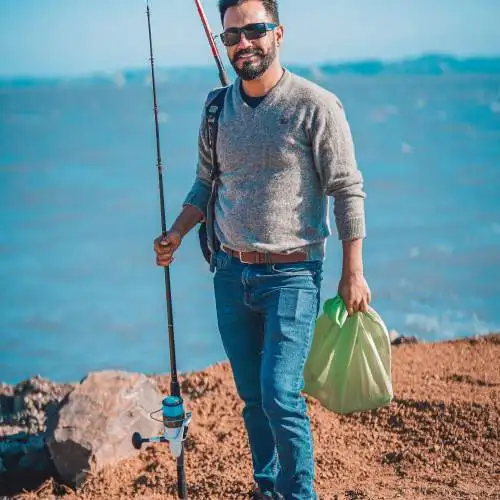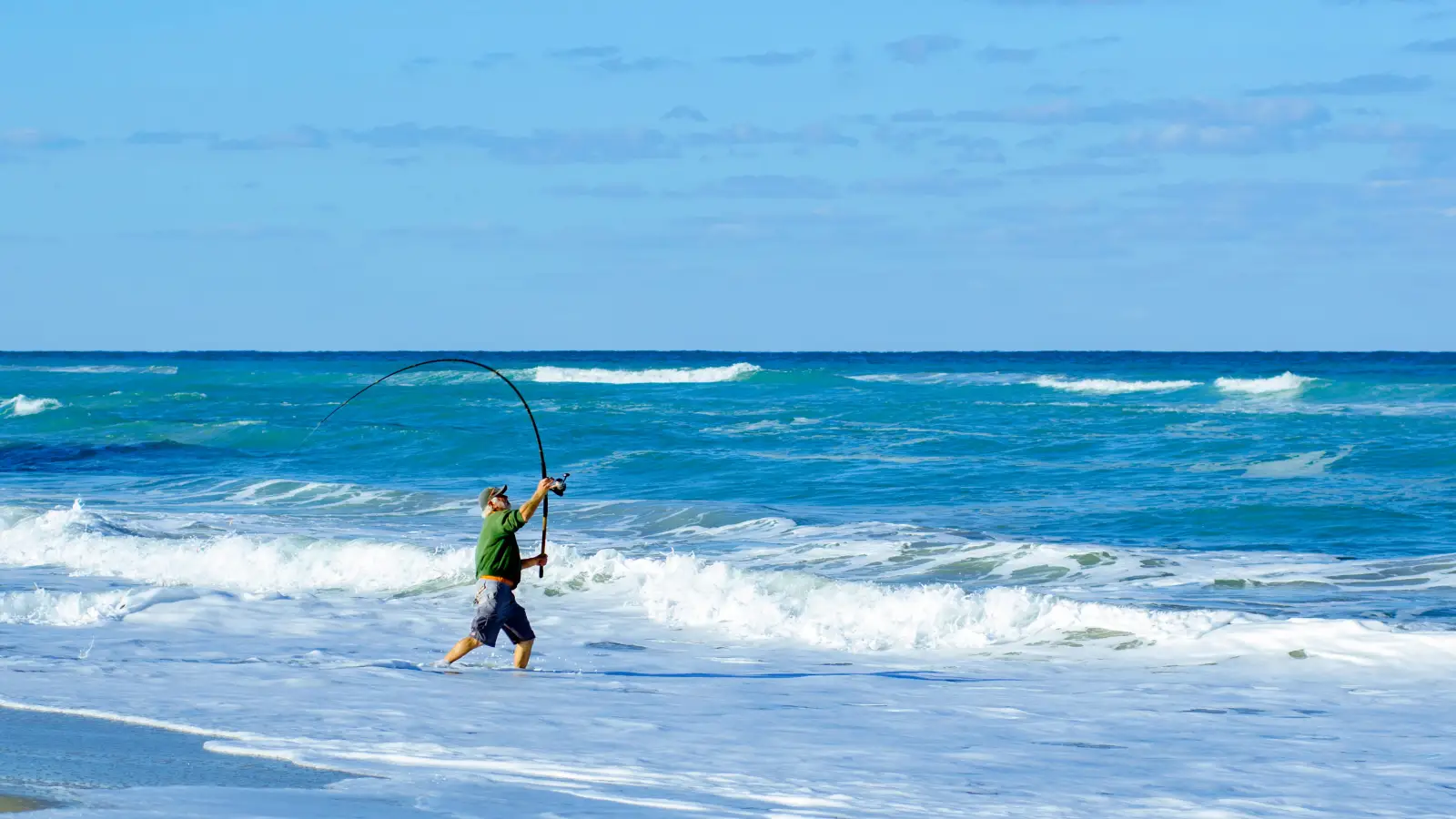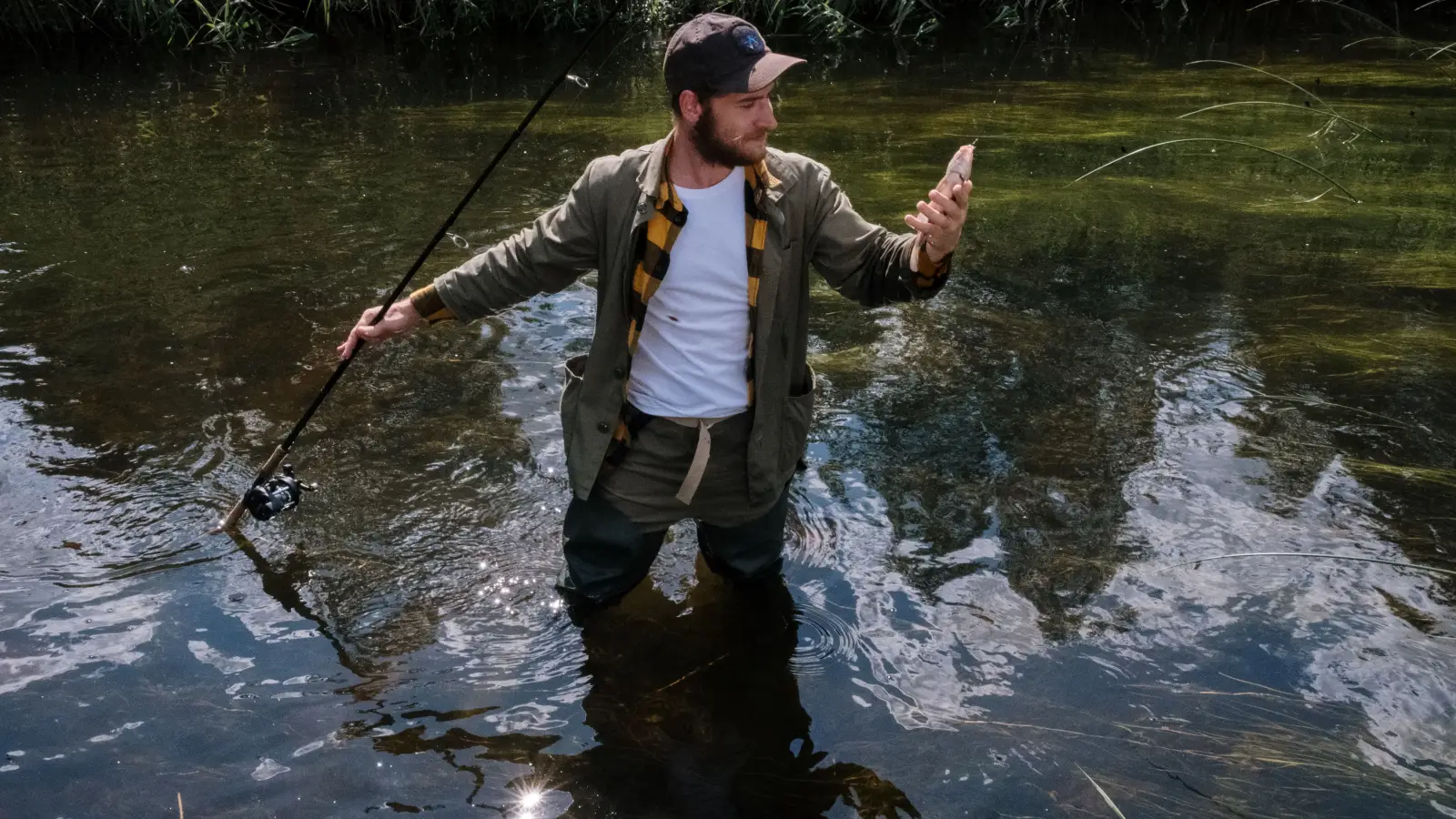
Few things kill a day of shore fishing faster than watching your bait sit there, motionless, while the water looks empty. The fix is usually under your control: switch to three live bait rigs that put an active offering at the right depth—free-lining a natural drift in the shallows, a slip-sinker rig for bottom feeders, and a float that searches the entire water column—and keep that bait lively in a simple aerated bucket. All it takes is a basic spinning outfit, a handful of terminal tackle, and live bait that matches what’s swimming in your water.
What You’ll Need to Make This Work
A valid state fishing license is a must. Beyond that, the gear list is short and simple:
- Rod and reel: A 6’ to 7’ medium or medium-light spinning combo covers most shore conditions.
- Line: 6–10 lb test for panfish; bump up to 12–17 lb for catfish and striped bass.
- Hooks: Size 6 to 2 Aberdeen for worms and crickets; 1/0 to 3/0 circle or octopus hooks for larger baits like shiners, shrimp, or cut bait.
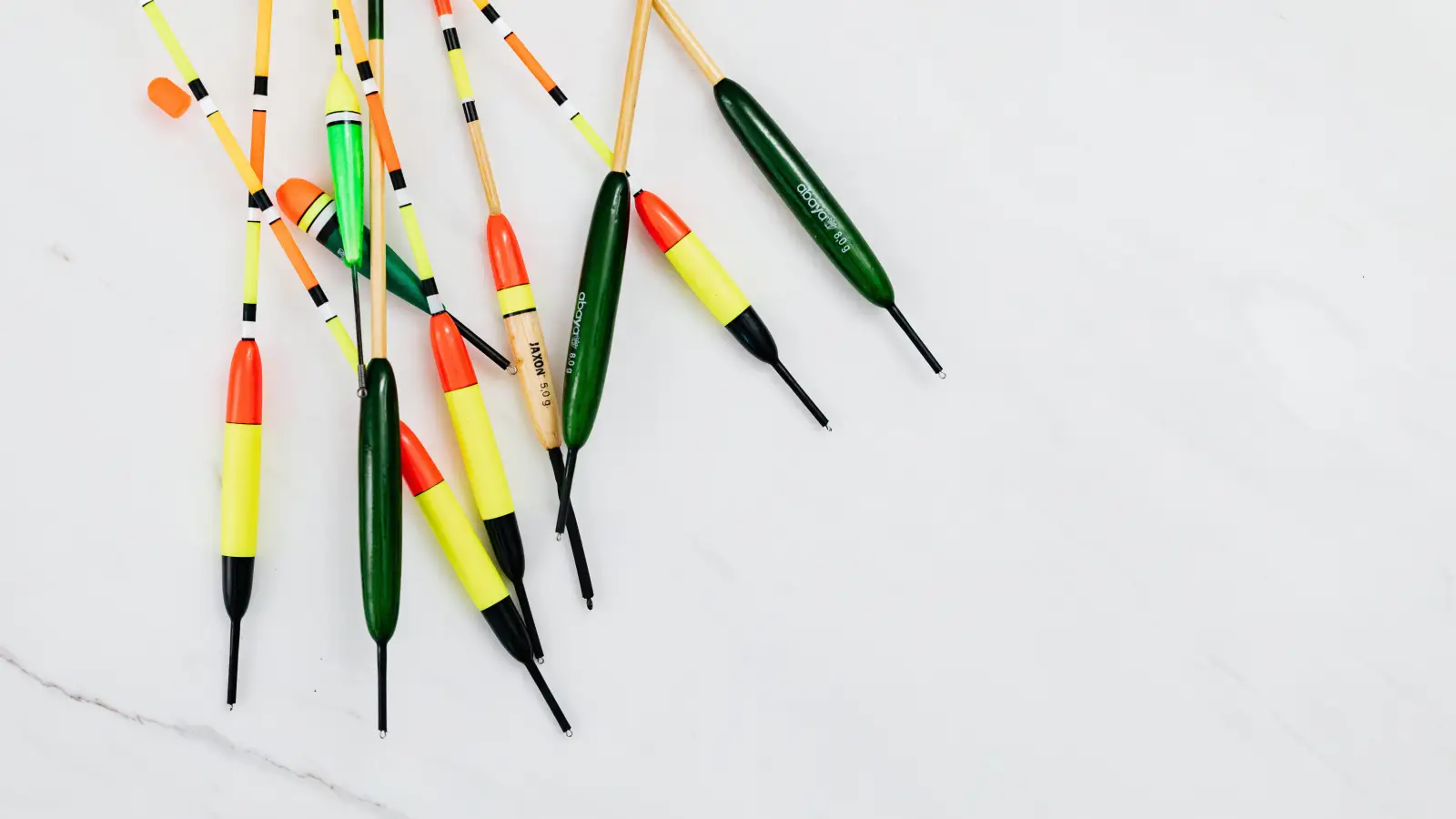
- Weights and floats: Split shot, egg sinkers (1/4–1 oz), and a couple of slip or fixed bobbers.
- Bait bucket and aeration: A 5-gallon insulated bucket and a battery-powered aerator keep water cool and oxygenated.
- Live bait: Nightcrawlers, red worms, crickets for panfish; shiners, shad, or cut bait for catfish; live eels, spot, or bunker for striped bass. Match the bait to local forage.
A basic improved clinch or Palomar knot is all you need to tie strong, reliable rigs.
Step 1: Keep Bait Lively in a Shore Bucket Without a Boat
A listless minnow floating sideways is the fastest way to get ignored. The key is cool, oxygenated water.
Fill the bucket with water from the lake, river, or bay you’re fishing—that avoids temperature shock. Run a battery aerator the whole time; even an inexpensive one makes a noticeable difference. In summer heat, drop a frozen water bottle into the bucket now and then to hold the temperature below 70°F. Overcrowding depletes oxygen fast, so for a 5-gallon bucket, stick to two dozen medium minnows or about a dozen larger baitfish. Replace a third of the water every hour, especially if you see any bait starting to struggle. Keep the bucket in the shade—under a seat, beneath a towel, anywhere direct sunlight can’t reach.
Step 2: Free-Line a Worm or Cricket for Panfish in the Shallows
This is the simplest presentation and often the most productive when bluegill, crappie, or sunfish are holding in 2–6 feet of water near docks, weed edges, or overhanging branches.
Tie a size 6 or 4 Aberdeen hook directly to your main line—no weight, no swivel. Thread a worm onto the hook, letting the ends hang free to wiggle, or hook a cricket through the collar. Cast gently parallel to the shore or toward visible cover, and let the bait sink on a slack line. Without added weight, it drifts with the current exactly like a living insect or worm that fell in. Watch the line where it enters the water; a sudden twitch or side movement signals a bite. Set the hook with a slow sweep, not a hard jerk, so you don’t pull it out of a small mouth.
If the bait gets no interest in five minutes, walk 10 yards down the bank and try again. Panfish often bunch up, so covering water pays.
Step 3: Send a Slip-Sinker Rig to the Bottom for Catfish and Stripers
When fish are hugging the bottom—channel cats on a warm evening or striped bass patrolling a trough—a slip-sinker rig puts a lively bait right in their path.
Slide an egg sinker (1/2 to 1 ounce, depending on current) onto your main line, then tie a barrel swivel below it to stop the sinker. From the swivel, attach a 12–18-inch leader of slightly lighter line (10–15 lb) and tie on a 1/0 to 3/0 circle hook. This way, a fish can pick up the bait and move off without immediately feeling the weight. Hook a whole shiner, a chunk of cut shad, or a live spot through the lips or above the anal fin so it swims naturally.
Cast beyond where you think the fish are holding, let the sinker hit bottom, then slowly reel until the line is tight. Place the rod in a sand spike with the bail open or clicker on—when a catfish or striper takes the bait, it will run and load the rod. Circle hooks almost always hook the fish in the corner of the mouth, so there’s no need to swing hard; just reel steadily and lift.
Step 4: Fish a Live Bait Under a Slip Float to Find Suspended Fish
When fish aren’t on the bottom and you can’t reach them with a free-lined bait, a slip float lets you explore every depth from the surface to just above the bottom.
Choose a slip bobber that slides up and down the line, and set a bobber stop at your target depth. Tie a hook 18–24 inches below the float, often with a small split shot placed halfway between float and hook to keep the bait down. Hook a shiner or small baitfish lightly through the back just behind the dorsal fin. Cast out and let the bait swim under the float. Every few casts, move the bobber stop deeper by a foot or two until you find the layer where fish are feeding.
This presentation shines for crappie suspended over submerged brush and for striped bass chasing bait schools near creek mouths. Watch for the float to dip, wobble, or slide away—stripers can pull the whole cork under in a split second.
Pitfalls That Leave Your Bait Unnoticed
Letting Bait Die in Warm, Still Water
A bucket sitting in the sun without aeration will kill minnows in under an hour. Run the bubbler constantly, and when air temperature climbs above 85°F, add a frozen water bottle and change water more often. Dead bait rarely draws the same aggressive strikes.
Using Hooks Too Large for Small Bait
A size 1/0 hook loaded with a tiny worm kills the presentation. For crickets and small worms, stick to size 6–4 hooks. The bait needs to move freely, not be pinned down by heavy metal.
Fishing a Float Rig at a Fixed Depth Without Testing
Tying a fixed bobber at 3 feet when fish are holding at 8 feet guarantees your bait swims above the strike zone. A slip float rig solves this; adjust the depth in small increments until you get bites. Light changes throughout the day can shift where fish hold, so keep tweaking.
Setting the Hook Too Early With Circle Hooks
When you’re using circle hooks on a bottom rig for catfish or stripers, the biggest mistake is yanking at the first tap. Let the fish run, count to two, then apply steady pressure. A hard strike pulls the bait right out of its mouth.
Quick Answers to Live Bait Shore Fishing Questions
How long should I wait before changing bait?
If your bait hasn’t drawn a strike in 10–15 minutes, change it out for something livelier or switch to a different presentation. Worms can get waterlogged; minnows tire out. A fresh, active bait often triggers a bite when a dull one won’t.
Can I use dead bait from shore?
Dead cut bait works well for catfish and sometimes stripers, but it’s a different approach. The live bait presentations here lean on natural movement that triggers reaction strikes. Dead bait can attract scent-oriented fish, but you lose the motion advantage.
What’s the best live bait for striped bass from shore?
Live eels, spot, bunker, or mullet in the 4–7 inch range are top choices along the East Coast. In freshwater reservoirs, threadfin shad or gizzard shad are excellent. Match the local forage, and present it on a slip-sinker or float rig depending on depth.
How do I keep minnows alive all day without electricity?
Insulation is your best friend. A thick-walled cooler keeps water cool longer than a standard plastic bucket. Without a battery aerator, use a hand aerator or pour water back and forth between two containers every 20 minutes to add oxygen. Still, a battery bubbler costs under $15 and removes the hassle entirely.
Putting It Together: Your Next Move from the Bank
You now have three reliable live bait rigs—free-line for shallow panfish, slip-sinker for bottom-hugging catfish and stripers, and a slip float to search the whole water column—plus a straightforward way to keep bait lively from the moment you arrive. Start with the free-line in the first hour of light, shift to the slip float as the sun climbs and fish suspend, then switch to the bottom rig in the evening when bigger predators cruise near drop-offs. Replace tired bait often, and note which depth gives you the first bite; that tells you which presentation to trust for the rest of the day.