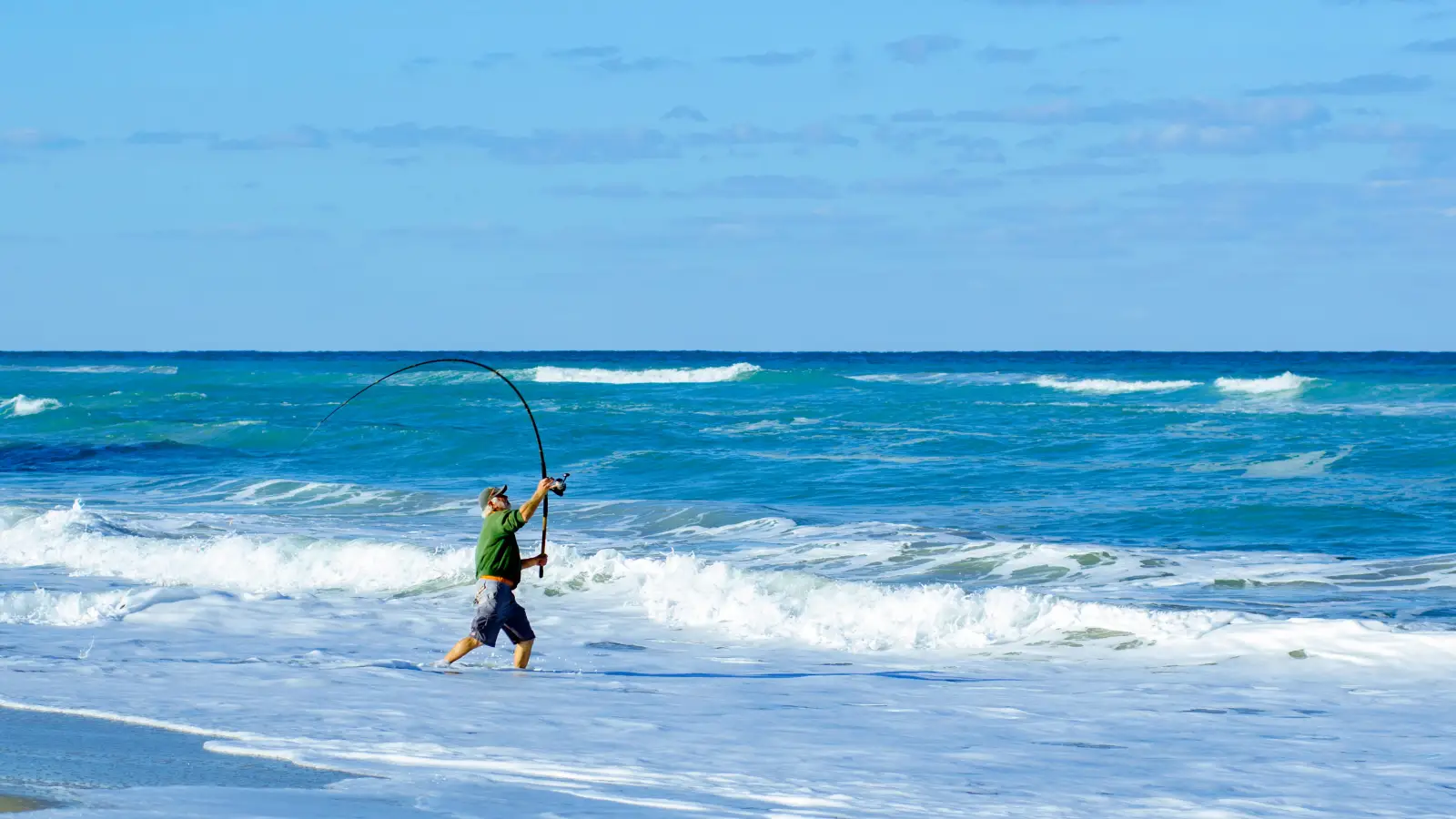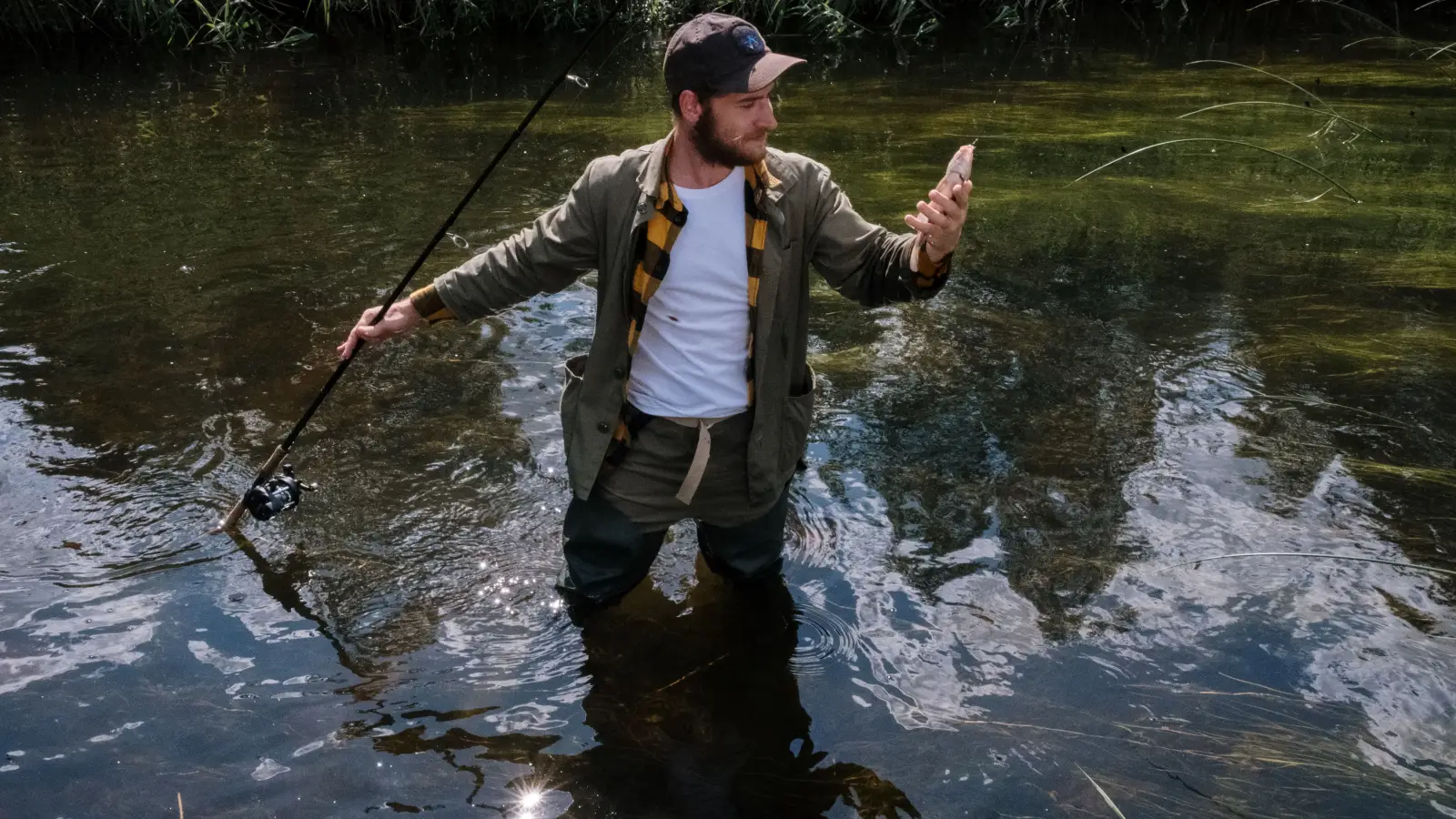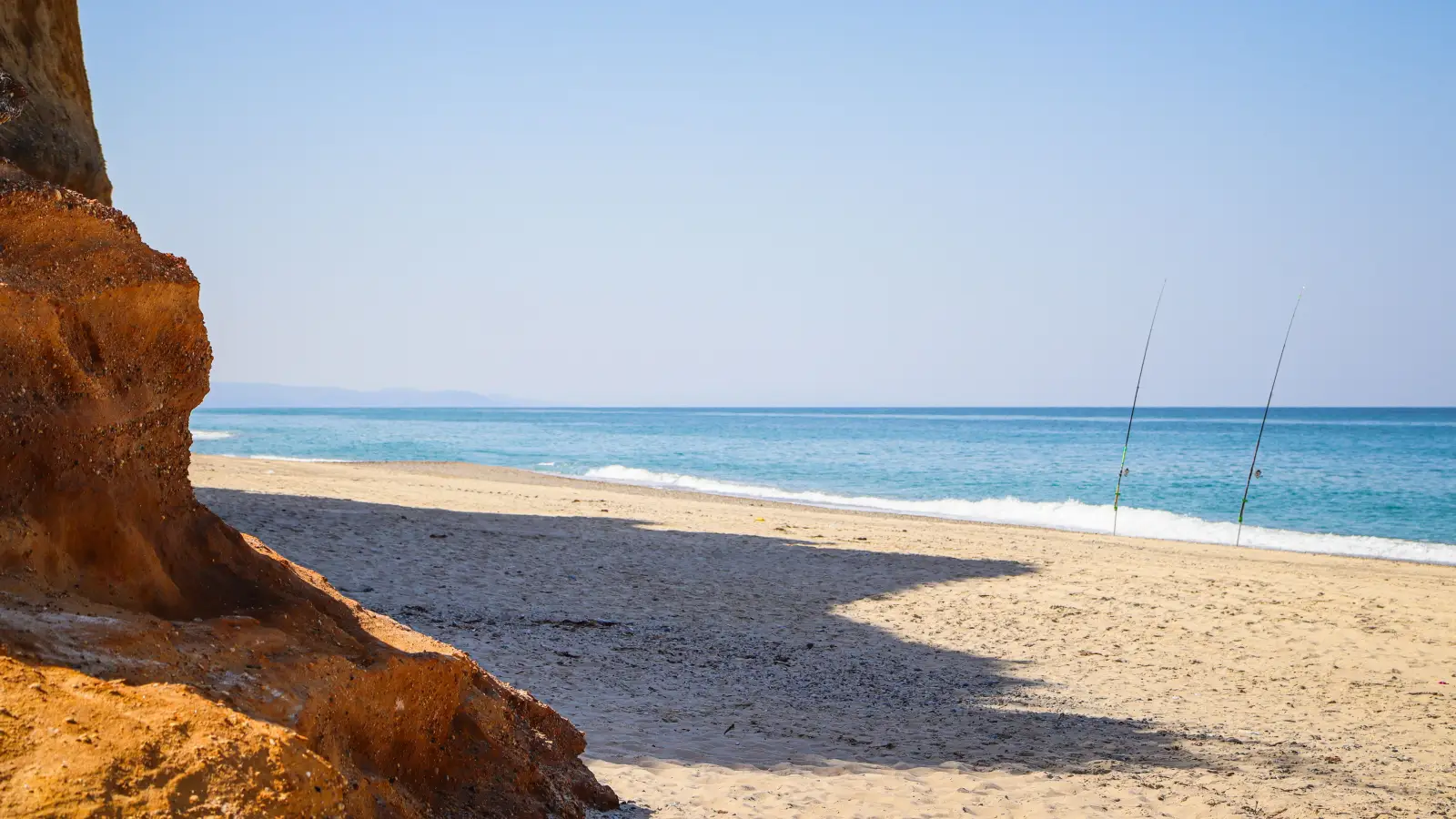
Picking a shore rod for rocky jetties or sandy beaches comes down to one thing: the shoreline dictates the tool. A surf rod that throws six ounces past the breakers on a sandy beach gets clumsy and risky on a barnacle-covered jetty. Use the decision matrix below to match rod power, action, and length to where you actually fish—open surf, rocky jetty, or a weedy pond bank. After working through the checklist, you'll have a setup that casts efficiently, sets hooks without delay, and survives the terrain.
Shore Rod Matching Checklist
- 1. Classify your shoreline environment (surf beach, rocky jetty, or vegetated pond bank)
- 2. Determine the minimum rod power needed to handle the fish and cover
- 3. Choose a rod action that balances casting distance and hook-setting speed
- 4. Select a rod length suited to your casting clearance and control needs
- 5. Match a reel that fits the rod and line class without overweighing the setup
Matching Rod Specs to Your Shoreline, Step by Step
Classify Your Shoreline Environment
Figuring out your shoreline takes a minute. Look at the bottom and the cover. Sandy surf means wading and heaving sinkers past breaking waves. A jetty means climbing slick rocks and dropping lures into crevices. A vegetated pond bank means standing on grass, casting weightless soft plastics next to pads. Nail this category—everything else flows from it.
| Shoreline Type | Typical Cover & Obstacles | Casting Needs |
|---|---|---|
| Open Surf (Sandy Beach) | Sand, waves, current, no hard structure | Long distance, heavy payloads |
| Rocky Jetty | Barnacles, rocks, crevices, fast drop-offs | Accuracy, quick hooksets, fish-lifting power |
| Vegetated Pond Bank | Weeds, lily pads, brush | Finesse, lightness, bite detection |
Common mistake: Thinking all shorelines let you get away with the same rod. A trout rod that shines in the surf will break when a jetty bluefish dives under a ledge.
Determine the Minimum Rod Power You Need
Rod power is backbone—medium, medium-heavy, heavy. Match it to the worst cover and the biggest fish you might hook, not your average day.
- Open surf: Medium-heavy to heavy. You're throwing 2–6 ounces of lead and need to steer fish through current and waves.
- Rocky jetty: Medium-heavy to heavy, extra-heavy for big stripers. The rod has to stop a fish before it finds rock.
- Vegetated pond bank: Medium-light to medium. You're tossing 1/16–1/4 ounce baits. No winching required.
How long it takes: Check your typical species and lure weight—two minutes.
Common mistake: Underestimating power on a jetty. A medium rod can't yank a 10-pound fish from barnacles before the line shreds.
Choose the Best Rod Action for Your Conditions
Action is where the rod bends. Fast action bends near the tip; moderate bends deeper. This controls how fast you set the hook and how far you throw.
- Open surf: Moderate or moderate-fast. The deeper flex loads for distance and absorbs wave shock to protect light leaders.
- Rocky jetty: Fast or extra-fast. Hook penetration must be instant. No lag, or the fish hits structure.
- Vegetated pond bank: Fast covers most plastics; moderate for small crankbaits to keep trebles pinned.
Common mistake: Using a moderate rod on a jetty. By the time it loads, the fish has already pulled you into the rocks.
Select a Rod Length That Balances Casting and Control
Length gives you distance or maneuverability—you can't have both in one rod.
- Open surf: 9–12 feet. Gets line over waves and keeps it high. Past 11 feet, the rod gets heavy fast.
- Rocky jetty: 7–8 feet. Short enough for tight casts into rock gaps, long enough to pull fish away without slapping the water.
- Vegetated pond bank: 6–7 feet. Fits under overhanging trees and lands light baits softly.
Common mistake: Carrying a 10-foot surf rod onto a crowded jetty. It tangles other anglers, kills accuracy, and makes landing fish near rocks clumsy.
Match a Reel That Complements Your Rod
A heavy reel on a light rod kills feel. Match reel size to the rod's line rating and capacity.
- Open surf: 4000–6000 spinning reel with 20–30 lb braid. A 5000 size handles most surf work.
- Rocky jetty: 2500–4000 reel balances the shorter rod, holds 15–20 lb braid, and doesn't wear your arm out.
- Vegetated pond bank: 1000–2500 reel with 8–15 lb braid or 4–10 lb fluorocarbon for a light responsive setup.
Common mistake: Putting a 4000 reel on a light pond rod. It feels like a broomstick and masks panfish bites.
Quick Spot Check Before You Fish
Before you step onto the shore, confirm these five points:
- Rod power is strong enough for the hardest structure you expect to pull fish from
- Action matches the speed needed for hooksets in your environment
- Length gives you clearance over obstacles while staying manageable
- Reel size balances the rod and holds the line class you'll use
- The entire combo feels comfortable in hand for repeated casting
Common Questions About Shore Rod Selection
Can I use a surf rod on a rocky jetty?
No, not well. A surf rod is too long and its moderate action lets fish beat you to structure. Accurate casting among rocks gets dicey, and a tip snap on barnacles is likely.
What's the best all-around shore rod if I fish multiple environments?
A 7'6" medium-heavy fast action spinning rod splits the difference. It's short enough for jetties, strong enough for moderate surf, and won't overkill pond bass. The tradeoff: it won't cast as far as a true surf stick and can feel stiff with ultralight baits.
Do I really need a different rod for freshwater ponds?
Yes. A 6- to 7-foot medium-light rod makes throwing small lures enjoyable and lets you feel panfish bites. A surf rod overrides all that subtlety.
How much should I spend on a shore rod?
$80–150 gets a solid rod with the right blank and guides. More money buys lighter components, but the real performance comes from correct power, action, and length for your shoreline.
Get the Right Rod on the Water
You now have a rod and reel pairing that won't fight the terrain. Next time you fish a new spot, classify the shoreline, run through the checklist, and rig up. To speed the process, write your ideal surf rod specs on a piece of tape inside your tackle box—you'll make the right call before you leave the house.