The single check that matters before anything gets glued or taped is where the line leaves the reel and where it first meets the rod. A spinning reel hangs below the blank and throws line off a fixed spool in wide loops that have to be gathered and funneled back down to the rod; a baitcasting reel sits on top and feeds line off a revolving spool low and close, almost straight into the first guide. Every other decision on a rod follows from that one difference in line path: reel seat orientation, grip shape, the size of the first guide, the spacing of the rest, and how the blank is meant to load on a cast. Which is why a rod laid out for one reel type always feels wrong with the other, even when the reel screws on and the line threads clean.
The way I start is with the bare blank. No seat, no grips, no guides. I put my off hand under it where the foregrip will eventually go, push the tip into a piece of carpet, and watch where it bends. That bend is the first honest thing the blank tells me, and it doesn't care what I plan to hang on it.
Then I sight down the blank from butt to tip, rolling it a few degrees at a time until the wobble stops. That's the flat side. When I tape guides on, I want that side facing the load, so the rod pushes back instead of twisting in my hand under a hard hookset.
Only after that do I start thinking about the reel, because the reel is the thing that decides which way "down" actually is.
The reel sets the line path before you ever cast
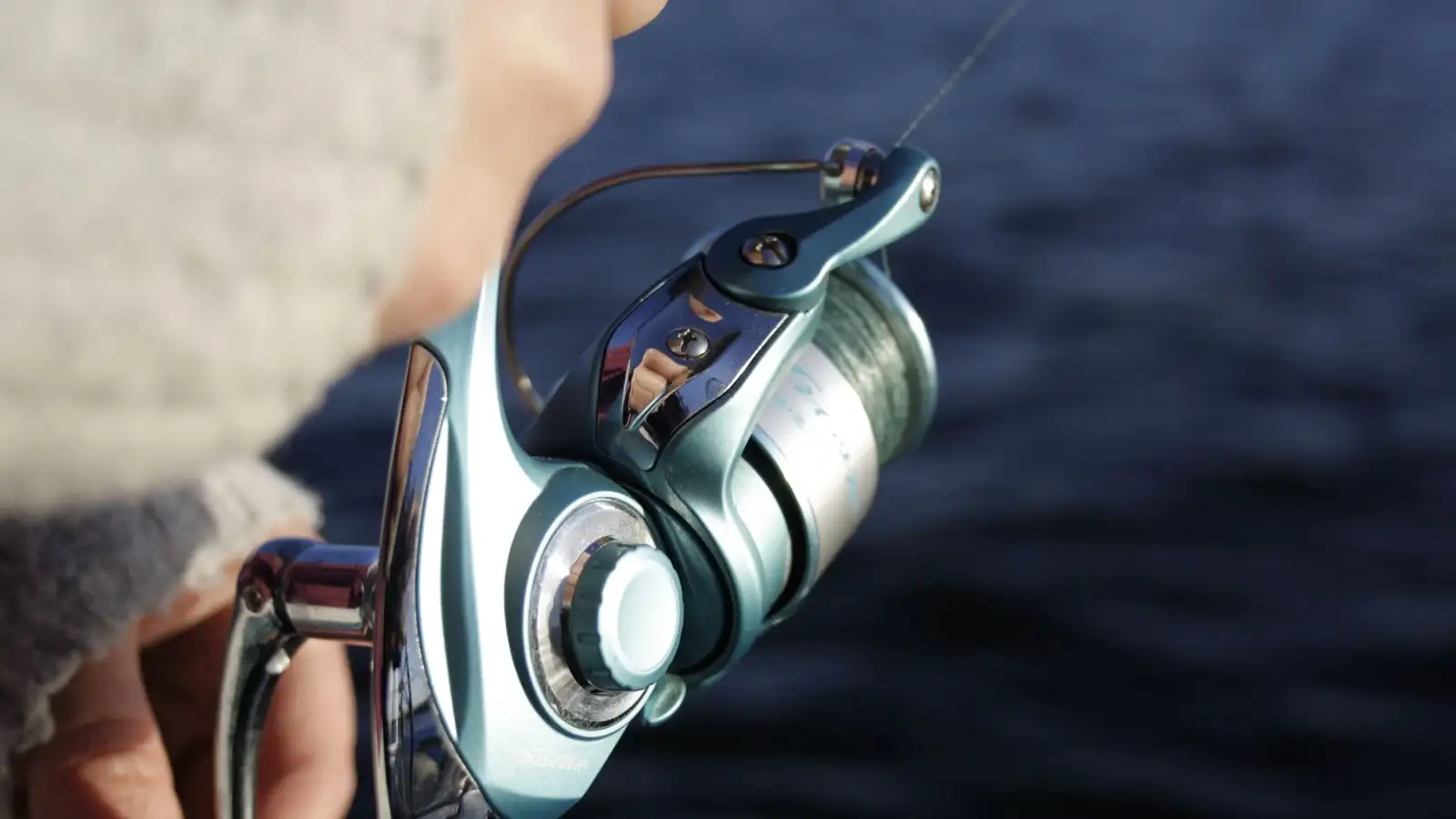
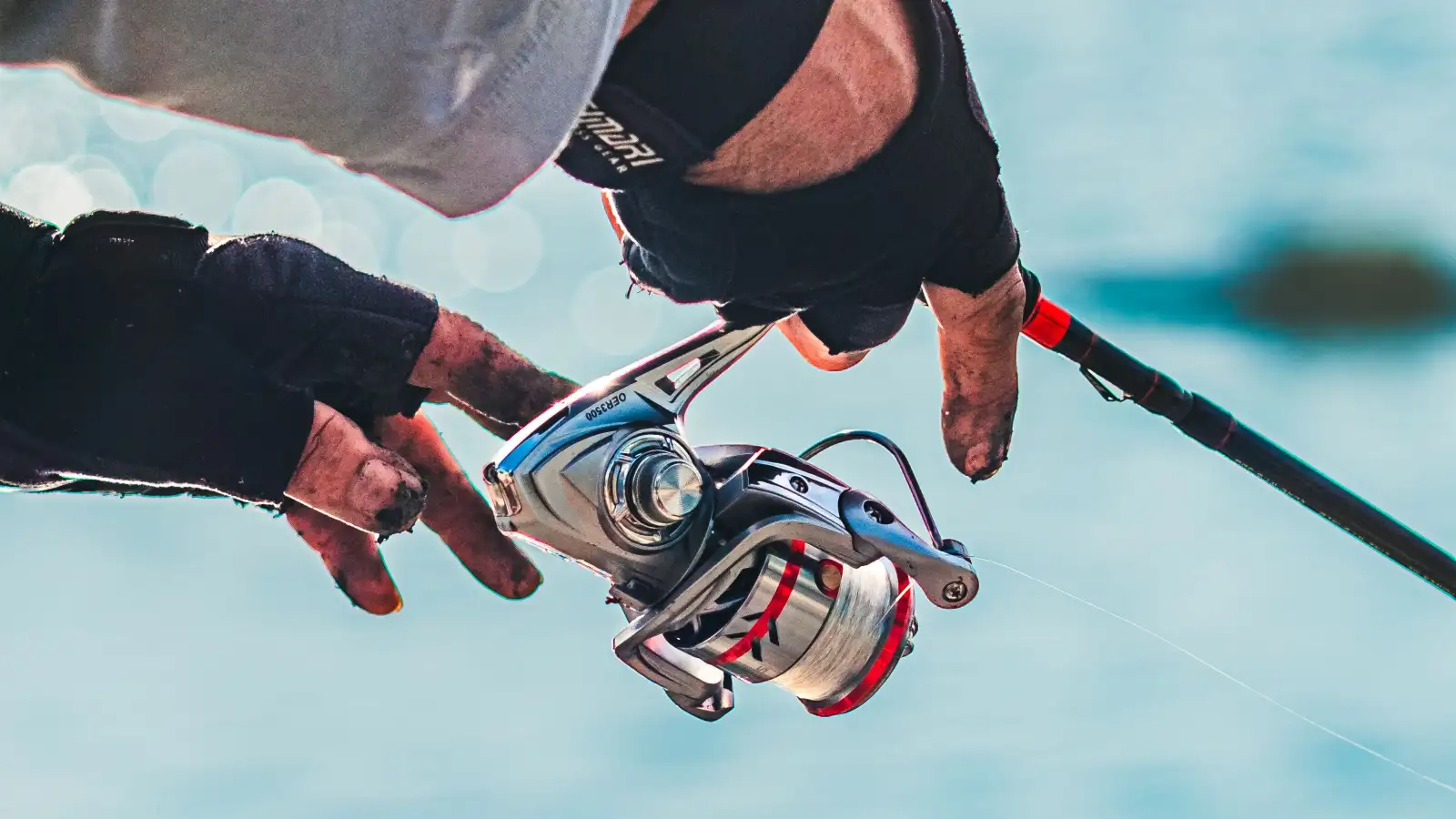
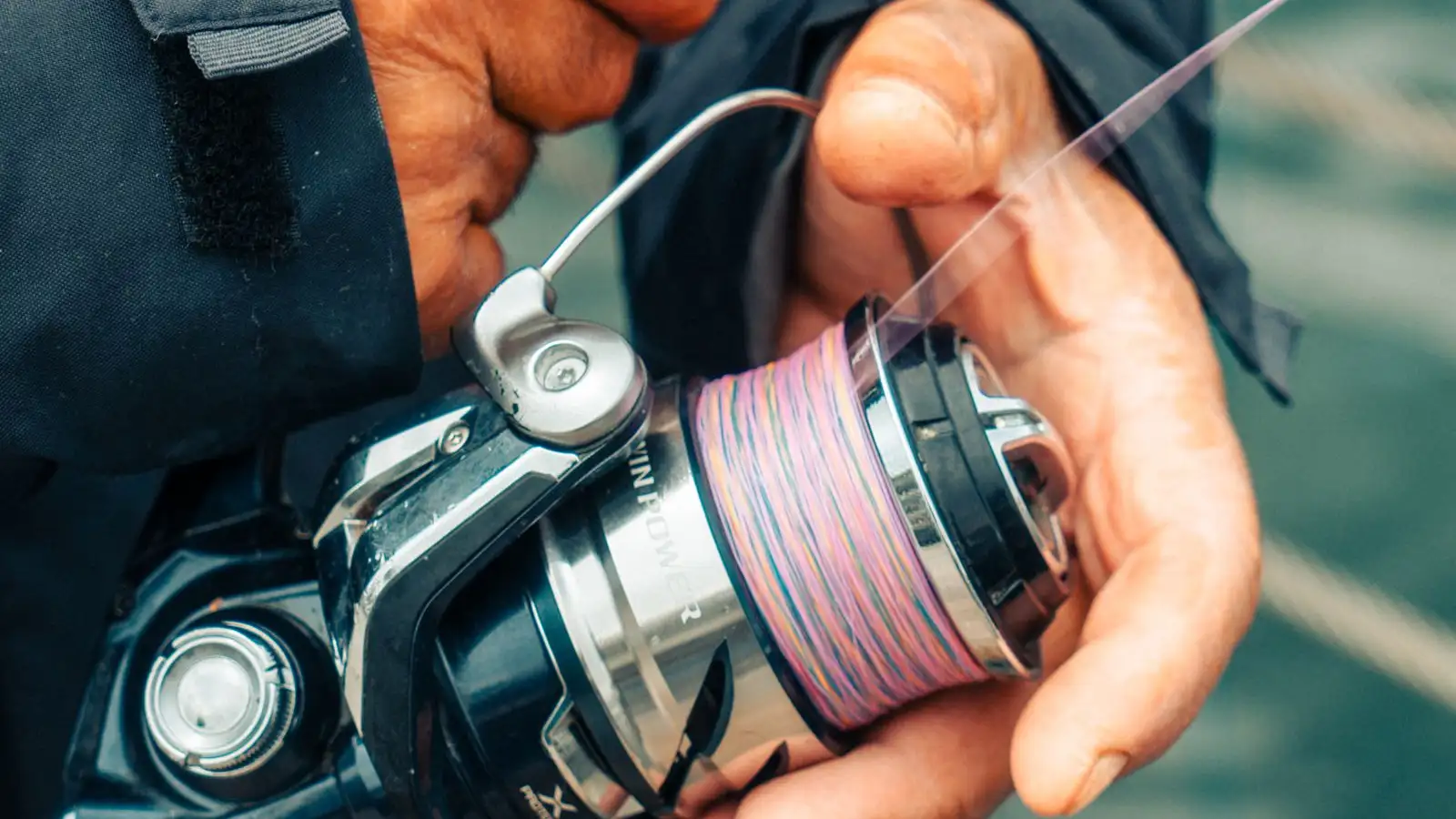
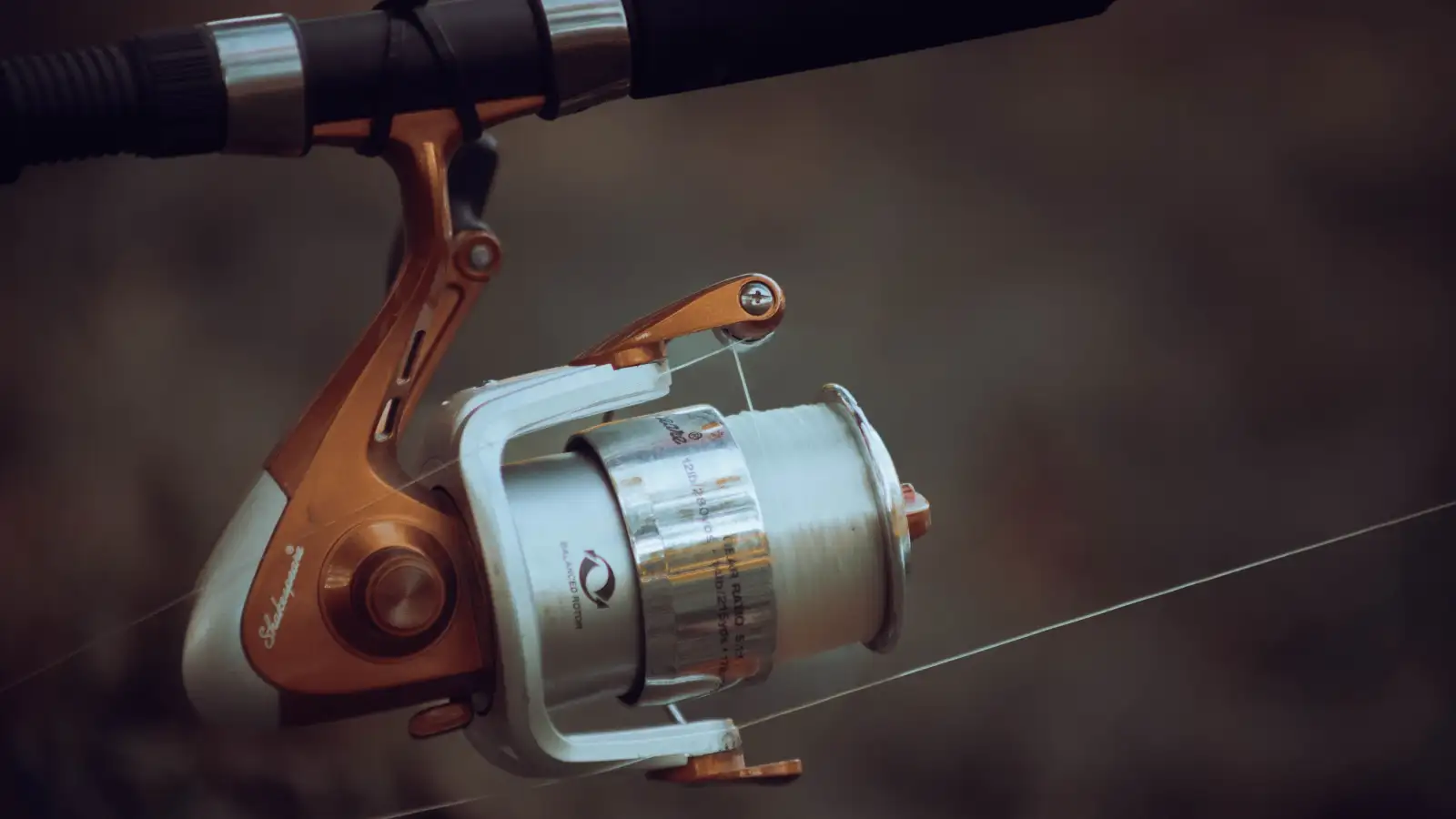
On a spinning rod the reel hangs under the blank. The spool is fixed, the line peels off the lip in loops, and those loops are wide, much wider than the rod is thick. They also start below the rod, so the line has to climb up and then drop back to the rod to reach the first guide. That is the reason the first guide on a spinning rod is so large. It's less a guide than a funnel. It sits out there with a wide mouth and catches the loop before it can slap the blank, and sized right, the loop passes through without ever touching the ring on most casts.
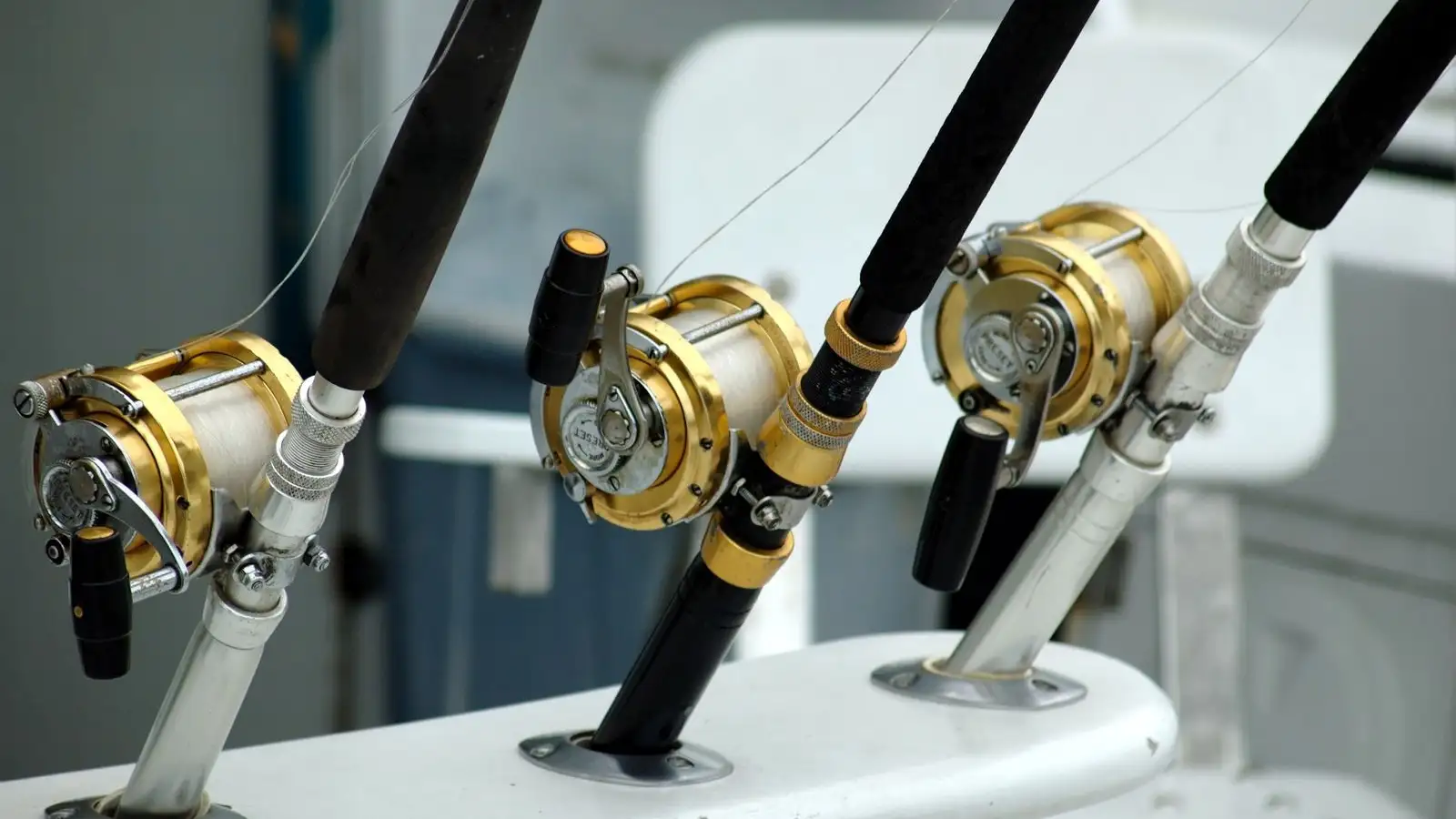
On a baitcasting rod the reel sits on top. The line leaves the spool under your thumb, comes off the levelwind low and near the blank, and runs almost flat to the first guide. Nothing to catch. Nothing to funnel. So the guides start small and the frames sit low. Put a spinning reel on that rod and the loops have nowhere to go. They slap the blank, choke against a first guide that was never meant to catch anything, and the cast dies inside the first few yards. Put a baitcaster on a spinning rod and you get the opposite problem: a big, high-framed first guide hanging out in space, line running under a blank it wasn't meant to run under, and a rod that wants to roll over in your hand because the weight sits on the wrong side.
The grip and seat are a fulcrum, not a handle
A baitcasting rod almost always has a trigger below the seat. It looks like a detail. It isn't. Your finger or thumb hooks that trigger and the rod pivots there. It's the point the whole blank levers against when you load it on a cast and again when you fight a fish. Move your hand off the trigger and the rod immediately feels longer and slower, because you just moved the fulcrum.
A spinning rod has no trigger because the reel stem is already doing that job. Your hand wraps the seat and the stem passes between your fingers, so the rod pivots off the top of your hand instead of a trigger below it. Different pivot, different feel, and this is the part people miss: a different amount of blank behind your hand versus in front of it. The same nominal length can fish like a much shorter rod on a baitcaster and a much longer one on a spinning reel, purely because of where your hand sits and what it's pulling against.
The seat itself has to match too. A spinning seat is cut so the reel foot drops in from below. A casting seat takes the foot from above, with hoods shaped for a reel that has a levelwind and a palm plate. You can shim a reel into a seat it wasn't made for, and it will hold. It will also sit slightly off-center, which means the line doesn't come off the spool square to the guides, and you've just built a rod that casts to one side. I've done it. Once.
Power is how much. Action is where.
Power is the easy one: light, medium, medium-heavy, heavy. It measures how much lure weight and how much fight pressure the blank can take before it either loads too deep or refuses to bend at all. It shows up on the rod as a lure range, and that range is not a suggestion. Overload the blank and you'll feel it go soft on the cast. The tip stops recovering between strokes, distance drops, and accuracy goes with it. Underload it and the blank never loads at all, so you're casting with the tip alone and getting nothing for the effort.
Action is separate, and it's about where the bend happens. A fast action bends mostly in the top third. A moderate action spreads the bend down into the middle. Neither is better. They do different work.
Now put the reel back in. A fast-action blank on a spinning rod feels crisp, because the wide first guide lets line escape without dragging, so the tip does the casting and the butt does the hooksetting. That same fast-action blank on a baitcaster, with line constrained low and close and a thumb riding the spool, feels stiffer and more tip-forward, because nothing is absorbing the cast but the top of the rod and your thumb. That's why the same power and action rating can feel like two different rods depending on which reel sits on it. The rating didn't change. The load path did.
What I check before I commit
I run through it in order, because the order matters.
Set the reel in the seat but don't tighten the hoods yet. Look at the seat from behind. Is the spool centered over the blank, or off to one side? Off-center means the line breaks left or right at the first guide, and no amount of guide tweaking fully fixes it.
Tighten down and run line through the guides. Hold the rod out and sight down it from the butt. The line should pass through the center of every guide without touching the sides. If it's clipping the top of the first guide on a spinning rod, that guide is too small. If it's clipping the bottom on a baitcaster, that guide sits too low or too close.
Load the rod. Bend it against something soft, a couch cushion or a fat pillow, and have someone hold the line. Watch where the bend starts and whether the line stays centered in the rings as the tip curves down. A rod that's laid out right keeps the line in the middle of the ring even at full bend. A mismatched one pulls the line to an edge the moment it loads.
Balance it. A spinning reel hanging under the blank kicks the balance point forward. A baitcaster sitting on top pulls it back. Set the reel on, hold the rod where you'd actually fish it, and see whether the tip wants to fall or the butt wants to lift. If it's fighting you at rest, it'll fight you all day.
Then the lure. Find the printed range, pick something near the middle of it, and make a few casts. Not for distance. For feel. You're listening for the blank to load and unload cleanly, to spring back and be ready before the next cast. If it feels like you're muscling it, you're outside the range, and the fix is a different lure weight, not a different reel.
The thing nobody tells you
All of this comes down to one idea. A rod is not a stick with guides on it. It's a lever with a line path, and the reel decides where that path starts. Change the reel type and you change the starting point, which changes the first guide, the spacing, the seat, the grip, the pivot, and then the way the whole blank loads. That's why "will this reel fit this rod" is the wrong question. It will fit. It just won't work the way it was built to work.
If you're pairing a rod and a reel you already own, check the line path first. Everything else you can live with. A seat that's slightly off-center, a grip that isn't perfect, a balance point an ounce off—those are annoyances, and you'll forget about them in an hour. Line that leaves the spool and immediately hits a guide it wasn't designed for is a casting problem, and casting is what you do more than anything else out there.