To catch fish where current hits structure, cast upstream of the cover so the lure drifts along the seam between fast water and the slack pocket. The seam — the line where two speeds of water meet — is the feeding lane. Place the lure a few feet above that transition, on the fast-water side, and let the current carry it along the natural drift path of disoriented bait.
Structure without current is just a stationary object that provides shade. Current turns that same rock, laydown, or bridge piling into a feeding station, pushing drifting insects and baitfish past waiting predators. This article breaks down how to map the invisible water flow across visible cover so you can pinpoint the single drift path a lure must travel to look like an easy meal. There’s no guesswork — it’s about reading what the water is already doing and matching your presentation to it.
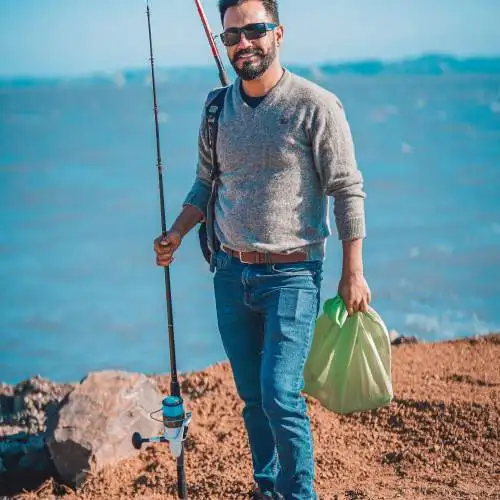
What You’ll Need: Polarized Lenses, a Rod, and Water-Current Awareness
Before approaching any structure, make sure you have the gear that lets you see and deliver the drift path.
- Polarized sunglasses — they cut surface glare, making it possible to see the seam, the submerged outline of the cover, and sometimes the fish themselves.
- A medium- or medium-heavy spinning or baitcasting rod — sensitive enough to detect bottom composition changes, but with enough backbone to turn a fish away from the snag.
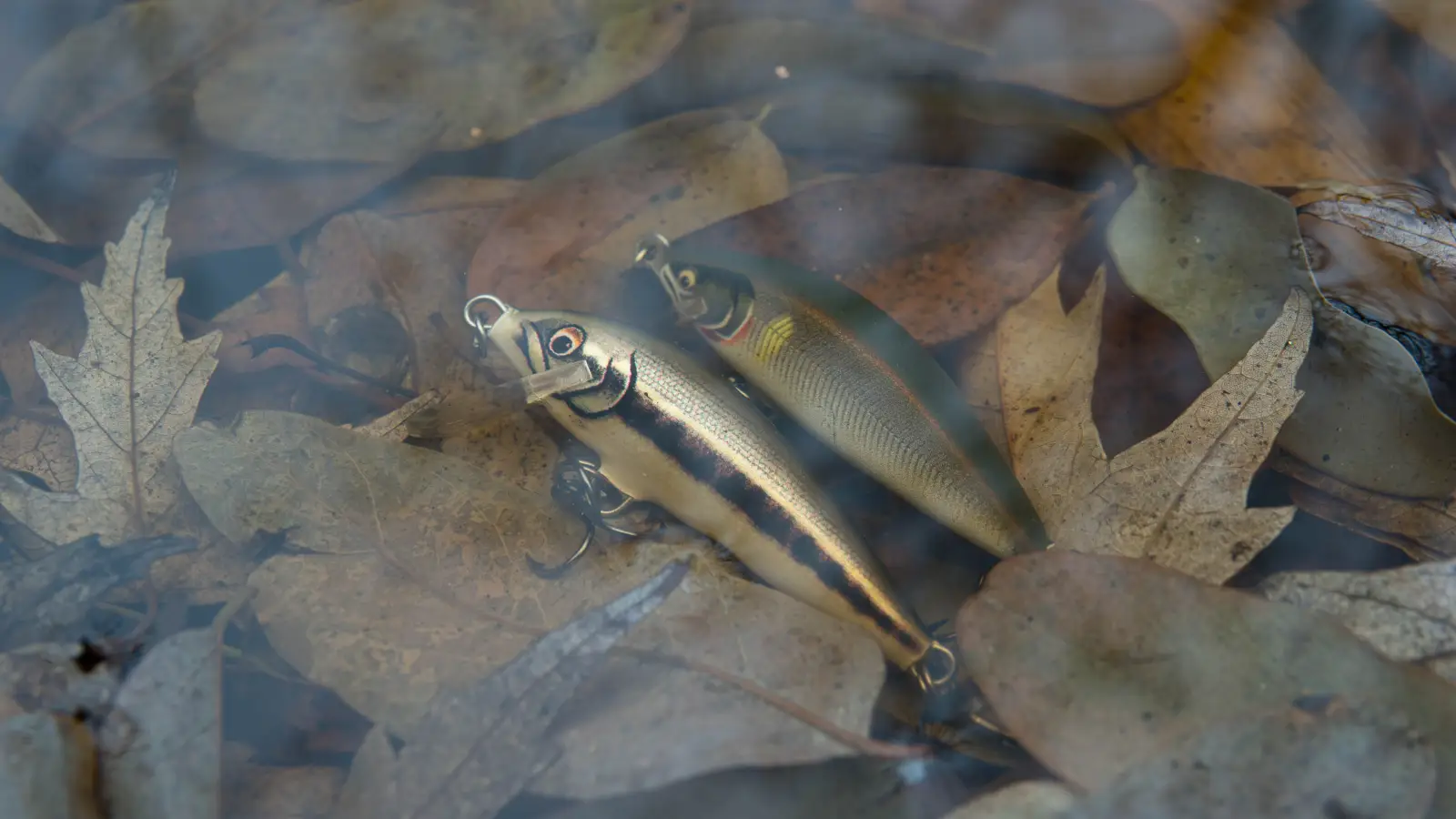
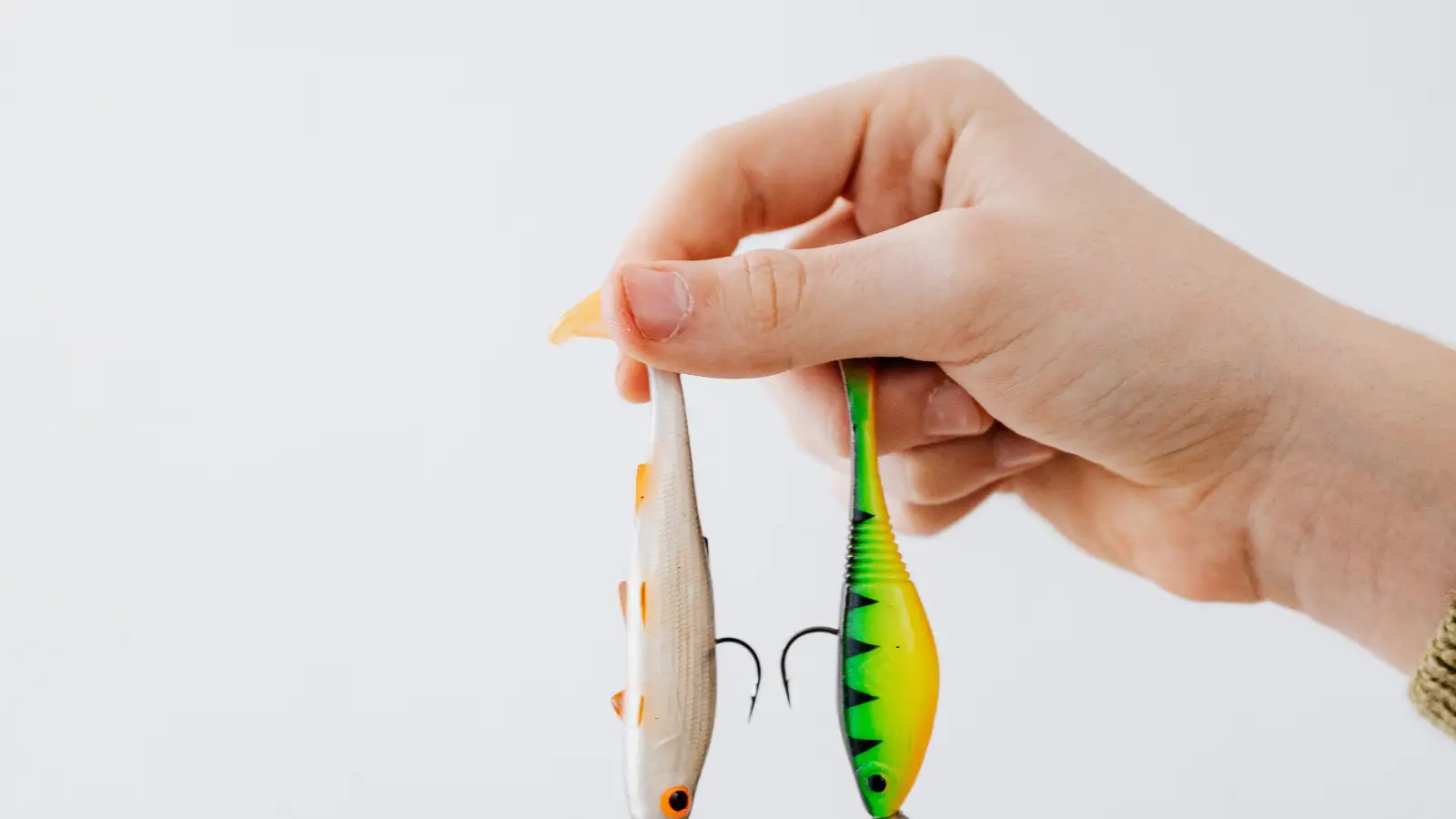
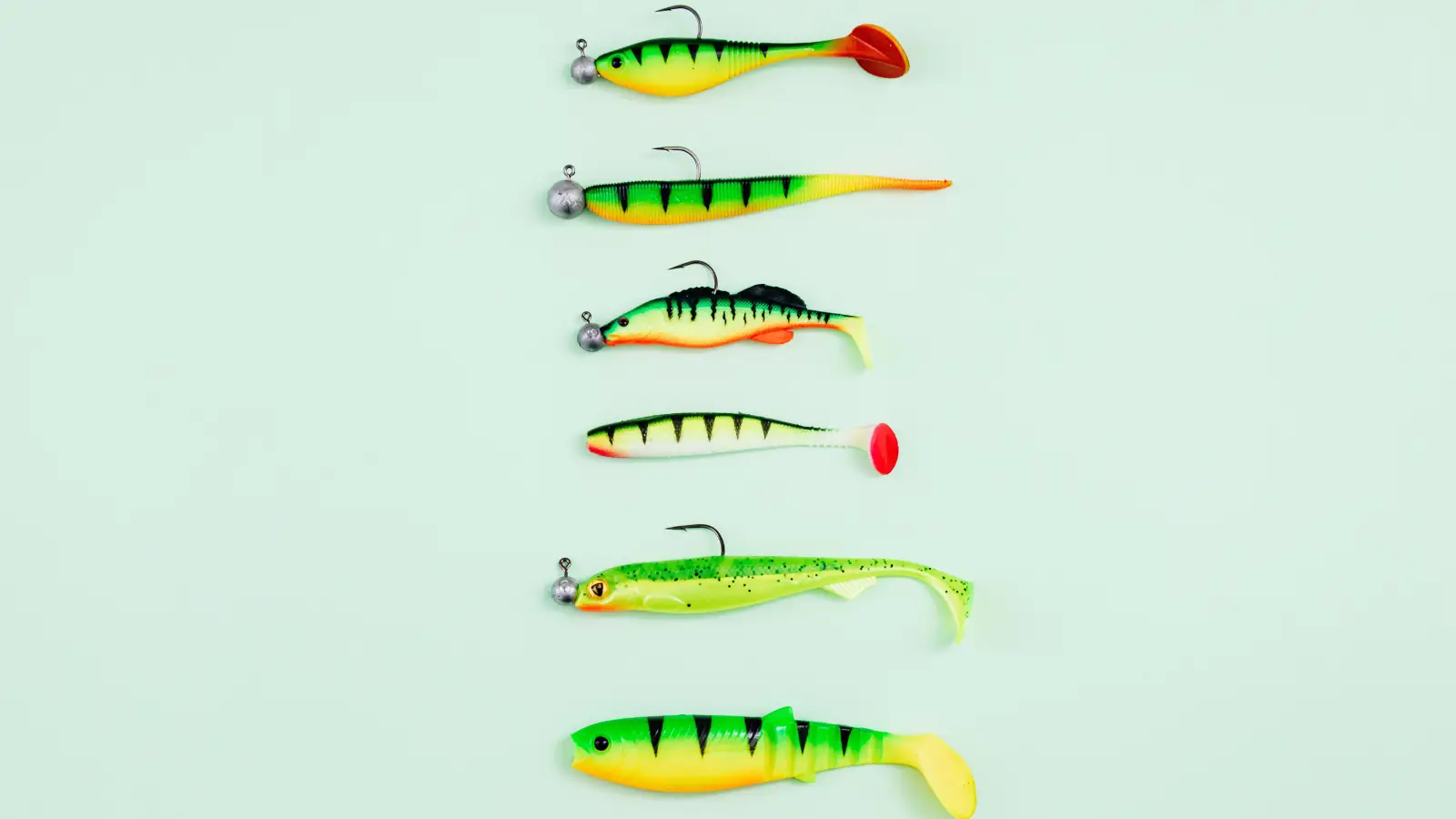
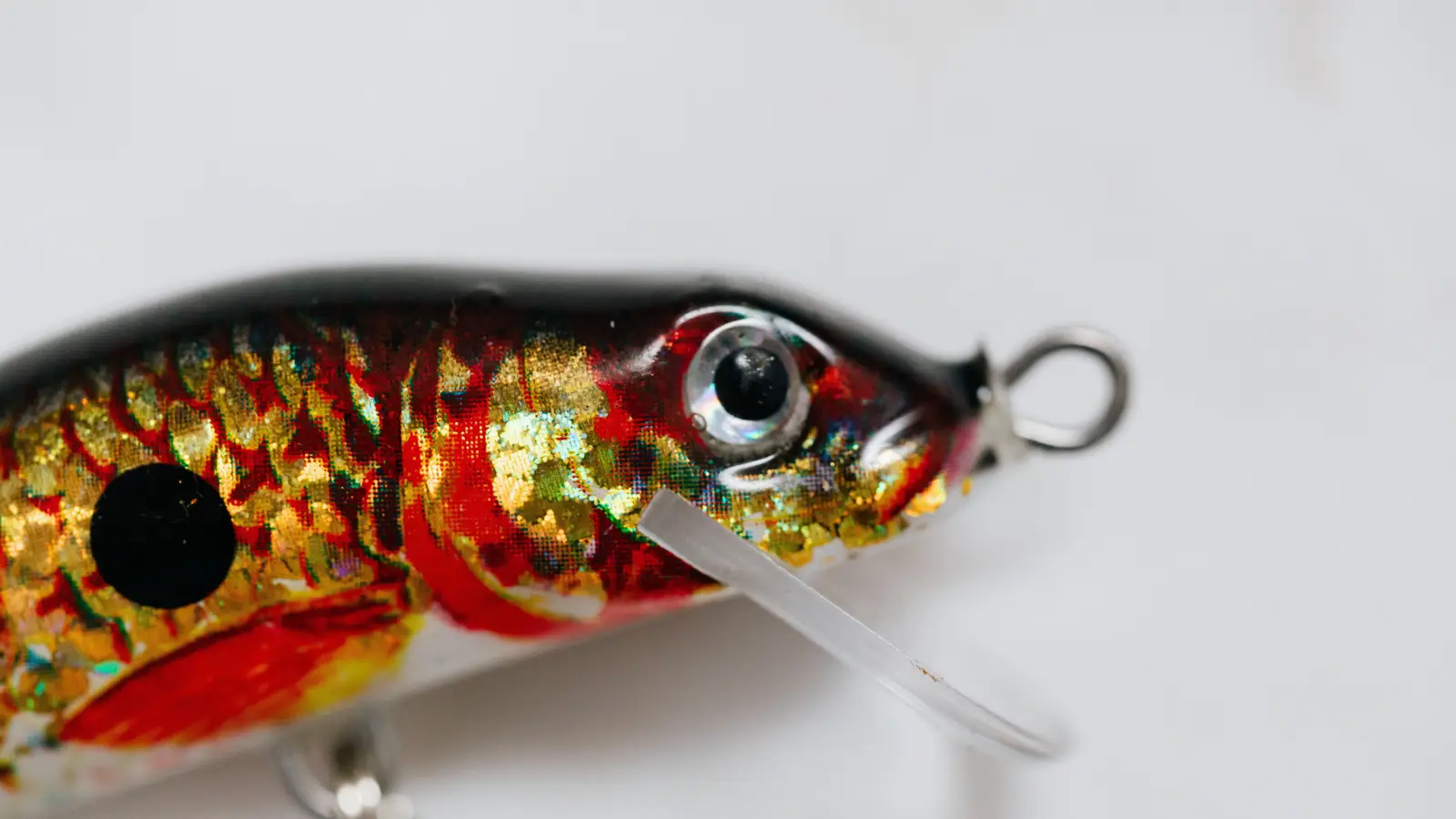
- Lures that imitate the local forage — soft plastic jerkbaits, swimbaits on light jigheads, or weedless rigs that drift naturally without excessive action.
- Wading gear or a boat — you need a casting angle that won’t drag the lure out of the seam the moment it hits the water.
- Basic current-reading skills — the ability to look at a stretch of river and identify the thalweg (deepest, fastest thread) and the slower margins. If that’s new, this article builds on that foundation.
Step 1: Identify the Visible Structure and Its Submerged Shape
Look at the structure first — a boulder, fallen tree, bridge abutment, dock piling. Note what’s above the surface, then search for clues about what extends underwater. The submerged portion is where the current first makes contact; that contact creates the pressure wave on the upstream side and the eddy on the downstream side.
Indicators include a V-shaped wake, a slick spot, a foam line piling up on one side, or a submerged shadow visible through polarized lenses. Don’t assume the widest part of a log is the only part altering flow — branches sweep under the surface and produce multiple smaller seams. Map these with your eyes before ever picking up the rod.
Step 2: Read the Current’s Speed and Direction Around the Structure
Move your focus to the water. A uniform-looking surface can hide complex subsurface flows, so use a floating indicator — a leaf, a twig, or a piece of floating line — tossed a few yards upstream. Track how it moves past the structure. Does it accelerate on the outside of a bend? Deflect sharply around the object? Train your eye on the fastest thread of water, the one that carries the most food.
Watch where that fast thread meets the cover. That intersection creates a distinct boundary: water near the object slows or reverses, while faster water keeps moving downstream. The line between them is the seam. Also note vertical current. A bridge piling forces water downward, creating a pressure zone that affects lure depth. Knowing that helps choose lure weight and when to start the retrieve.
Step 3: Map the Seam: Where Fast and Slow Water Meet at the Cover
The seam is three-dimensional. It may appear as a finger of slow water curling off a rock, a bubble trail trailing from a log, or a subtle color change in stained water. Trace it from the upstream face of the structure to where it finally dissipates downstream. A productive seam has two parts: the impact zone where bait gets slammed against the cover, and the downstream corridor where stunned bait drifts into the eddy.
Use polarized glasses to follow the seam’s path. Note how it shifts with changes in current speed — a rising river pushes the seam farther from the cover. If the structure is fully submerged, the seam may only show as a faint ripple or a foam line on the surface. Mark that line in your mind; it is the track your lure will follow.
Step 4: Trace the Natural Drift Path a Prey Item Would Follow
Imagine a minnow caught in the main current approaching the structure. The current pushes it against the upstream face or sweeps it along the boundary. It cannot swim cross-current fast enough to escape; it tumbles along the seam, occasionally getting kicked into the slow eddy. Your lure must replicate that helpless trajectory.
Draw a mental line starting a few feet upstream of the structure, running along the seam, and curving slightly downstream into the slack pocket. That is the drift path. The best cast places the lure on the fast-water side of the seam, just upstream, so the current carries it naturally along that line. Cast too far into the slack water and the lure stalls. Cast too far into the fast water and it never enters the feeding zone.
Step 5: Position Your Cast to Deliver the Lure Onto That Path
Now position yourself — either wading or anchoring the boat — so the cast lands exactly on the starting point of the path without dragging the lure off-track immediately. For a right-handed caster working a left-curving seam, wade slightly downstream on the same side. The cast should be quiet; a heavy splash spooks fish holding close to cover.
Land the lure about three to five feet above where the seam begins, in the faster water. That gives the current time to pull the lure into the drift. Use a sidearm or roll cast to keep the trajectory low and avoid overhead movement that alerts fish. After the cast, don’t engage the reel right away. Let the line go slack for a moment to let the lure settle. Then as the current tightens the line, start a slow, even retrieve or simply maintain light tension.
Step 6: Retrieve the Lure Along the Path, Not Across It
Once the lure is in the seam, the goal is to keep it there. Retrieve just fast enough to maintain tension and keep the bait oriented naturally. A soft plastic swimbait on a light jighead glides along without spinning. If the lure starts to swing out of the path, adjust rod tip angle to steer it back or pause briefly and let the current realign it.
Strikes often come at the moment the lure crosses from fast water into the slow pocket — that’s when a predator has the best ambush. Set the hook sideways to pull the fish away from the cover, not straight up. Keep the rod loaded and stay ready; the bite is often a subtle tick rather than a hard thump.
When the Structure Changes: Adapting to Rock, Wood, and Man-Made Cover
Different structures create different seam shapes, but the process of mapping the drift path remains the same. Here are three specific adaptations.
Boulders and Rock Piles
A large boulder creates a V-shaped current break. The fastest water hits the rock, splits, and curls downstream. The seams run along the inside edges of each split current. Cast upstream of the rock so the lure drifts along the inside seam into the pocket. Avoid casting directly into the pocket — the entry splash often clears fish out.
Fallen Trees and Laydowns
A submerged tree is a network of multiple seams. Water flows through gaps between branches, creating small, tight drift paths. Focus on the main trunk seam first: the line where the current presses against the largest mass. Then check the outside edges of the canopy where current sweeps past limb tips. The most consistent strike usually happens on the downstream side of the trunk, right where the bubble trail begins to widen.
Bridge Pilings and Man-Made Structures
A concrete piling forces water down and around, producing a distinct boil line on the upstream side and a large eddy behind it. The seam is often visible as a boil line on the surface. Cast past the piling and bring the lure back along that line, or cast upstream and let the current wash the lure tight against the structure. Fish often hold in the pressure wave right against the piling, waiting to dart out and grab something that stalls there.
Misreading the Water: Mistakes That Cost Strikes
Relying on the Eye Instead of a Leaf Test
A surface that looks flat can hide a subsurface tongue of current that pushes a lure out of position. Use a floating indicator — a leaf, twig, or piece of line — to verify the actual path the water takes past the structure. Visual guesswork misses the subtle shifts that make or break a drift.
Casting Directly at the Structure and Reeling Immediately
A lure that lands on the cover and is instantly reeled back never spends time in the seam. It may draw a reaction strike from a territorial fish, but it won’t consistently tempt actively feeding fish. The lure must drift along the path, and that requires a deliberate pause after the cast.
Ignoring Current Speed Changes With Depth
Water slows near the bottom. A wide surface seam can narrow to a thin slot against the structure at depth. If the lure doesn’t sink enough to reach that narrow zone, bottom-hugging fish never see it. Add weight or let the lure fall longer before starting the retrieve.
Retrieving Too Quickly After the Cast
Impatience pulls the lure out of the seam before it can settle into the natural drift. Wait two to three seconds after splashdown, feeling for the current to take control, before engaging the reel. That pause is when many strikes occur.
Common Questions About Casting Lures to Structure in Current
Can I fish a current seam without any visible structure?
Yes, but then the seam comes from depth transitions or channel edges instead of a solid object. The technique — drifting a lure along a speed boundary — still works. Without structure, the drift path is less defined, and fish are more spread out; precision matters even more.
What’s the best lure for drifting along a structure seam?
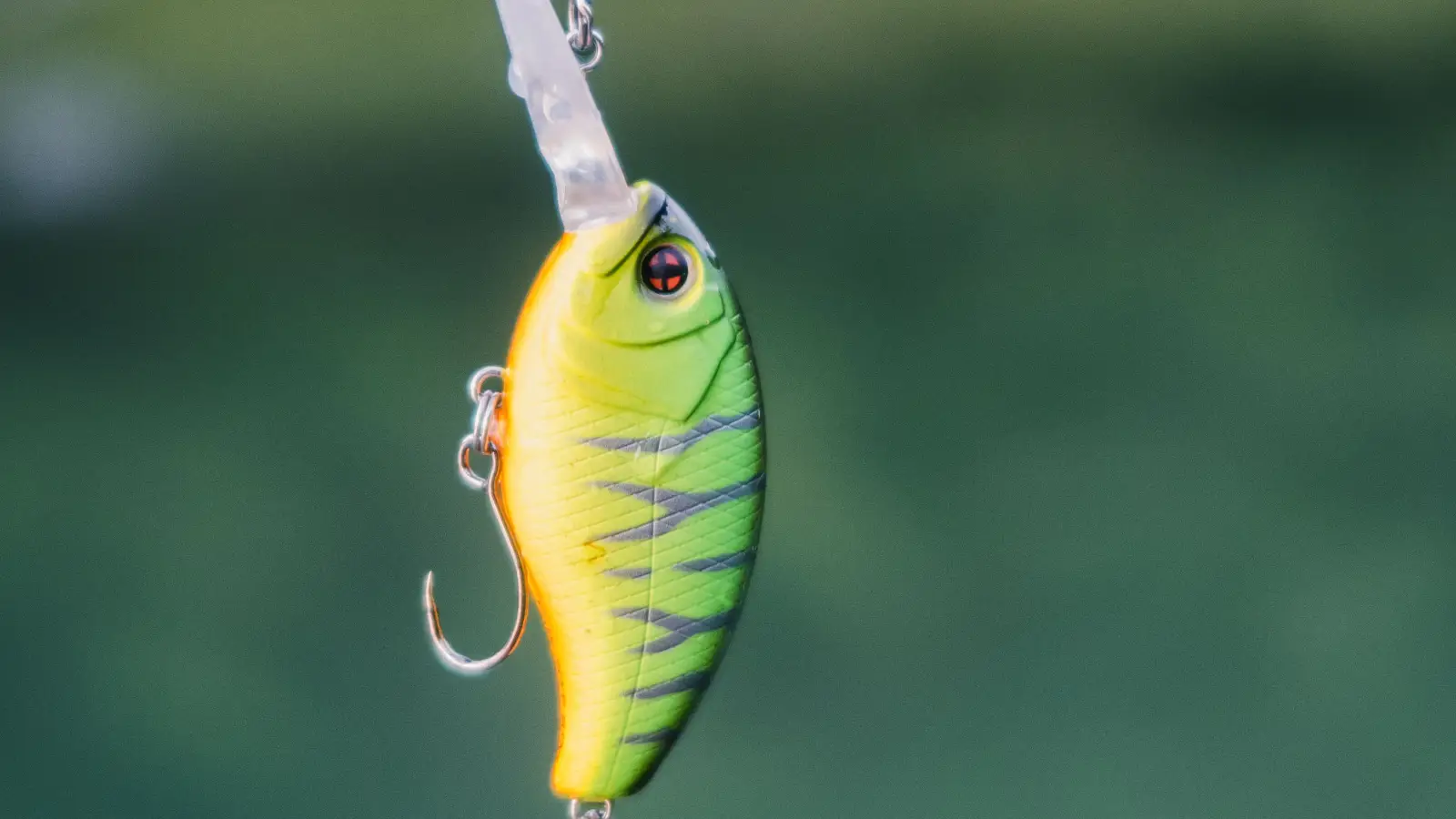
A soft plastic swimbait on a light jighead or an unweighted soft jerkbait excels because it mimics a baitfish being swept along. Hard jerkbaits and crankbaits work but need a slower retrieve to stay in the seam. Avoid lures with heavy vibration; they tend to cross-current too aggressively.
Should I cast upstream or downstream to a structure?
Upstream is more effective: the lure drifts with the current and enters the path naturally. Downstream casting can work in tight spots but requires a careful cast-and-pause retrieve to drag the lure against the current and into the seam — it’s easier to pull the lure out of position and creates more unnatural movement.
How do I know if I’m actually in the seam?
Watch the line where it enters the water. If it swings side to side or goes slack abruptly, the lure is crossing the seam rather than riding it. A clean drift along the seam shows a steady, diagonal downstream travel with a tight but not bowing line.
What do I do when the current slacks off or the river is low?
In low current, the seam is less pronounced. Fish orient more to overhead cover than the food conveyor. Downsize the lure, slow down, and keep the drift path short — often right against the cover. The approach shifts from drifting along a seam to a stealthy ambush presentation.
Now You Have a Repeatable Method
The next time you’re on the water, find a piece of structure, toss a leaf upstream, and trace the seam with your eyes. Then cast a small soft plastic along that exact track. Compare the result to days when you simply threw at the structure — the difference is the power of mapping water flow. To take this further, study how tidal currents reshape seams around oyster bars and dock pilings in coastal estuaries, or learn to read wind-generated surface currents over points in still-water impoundments.