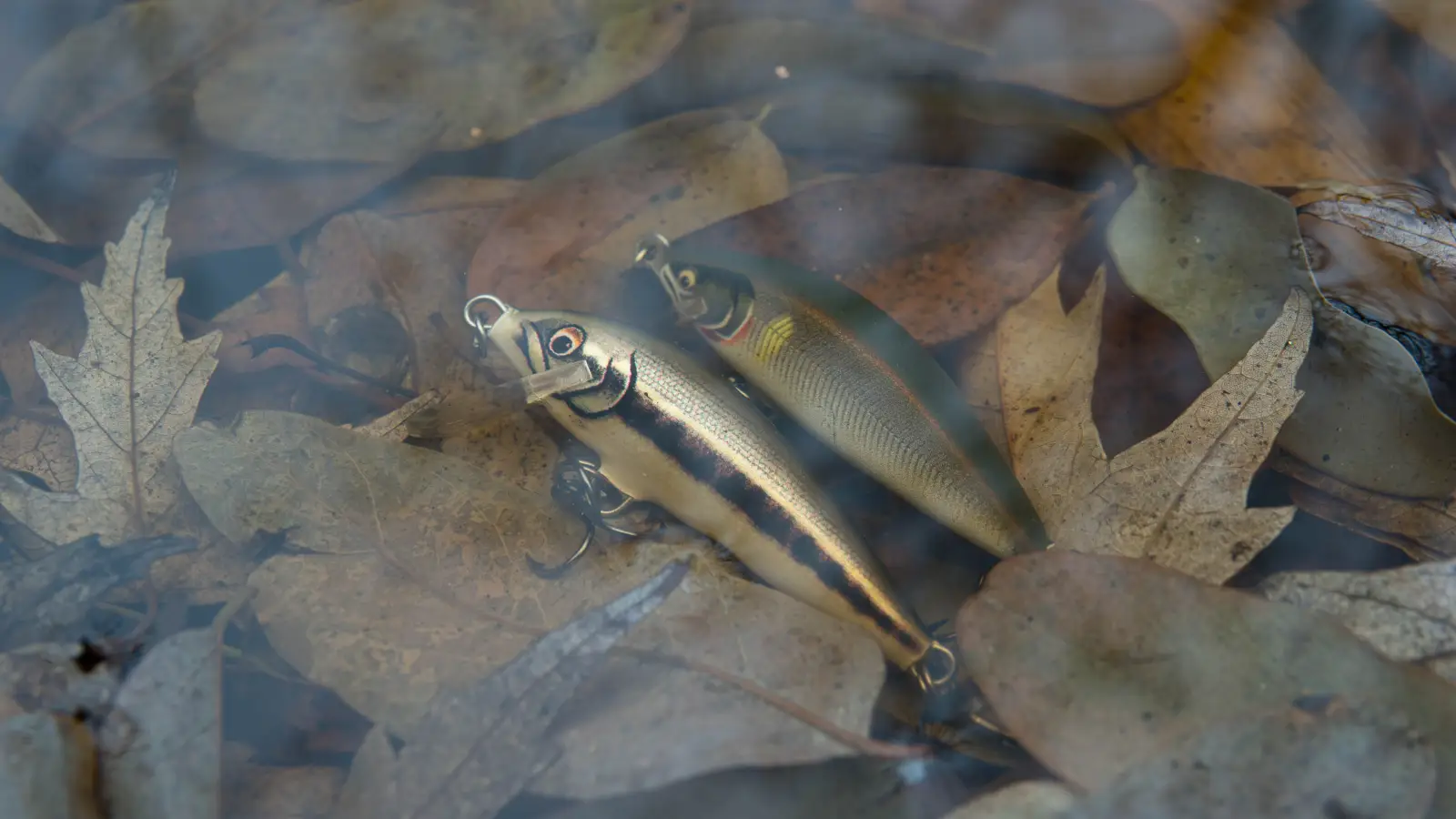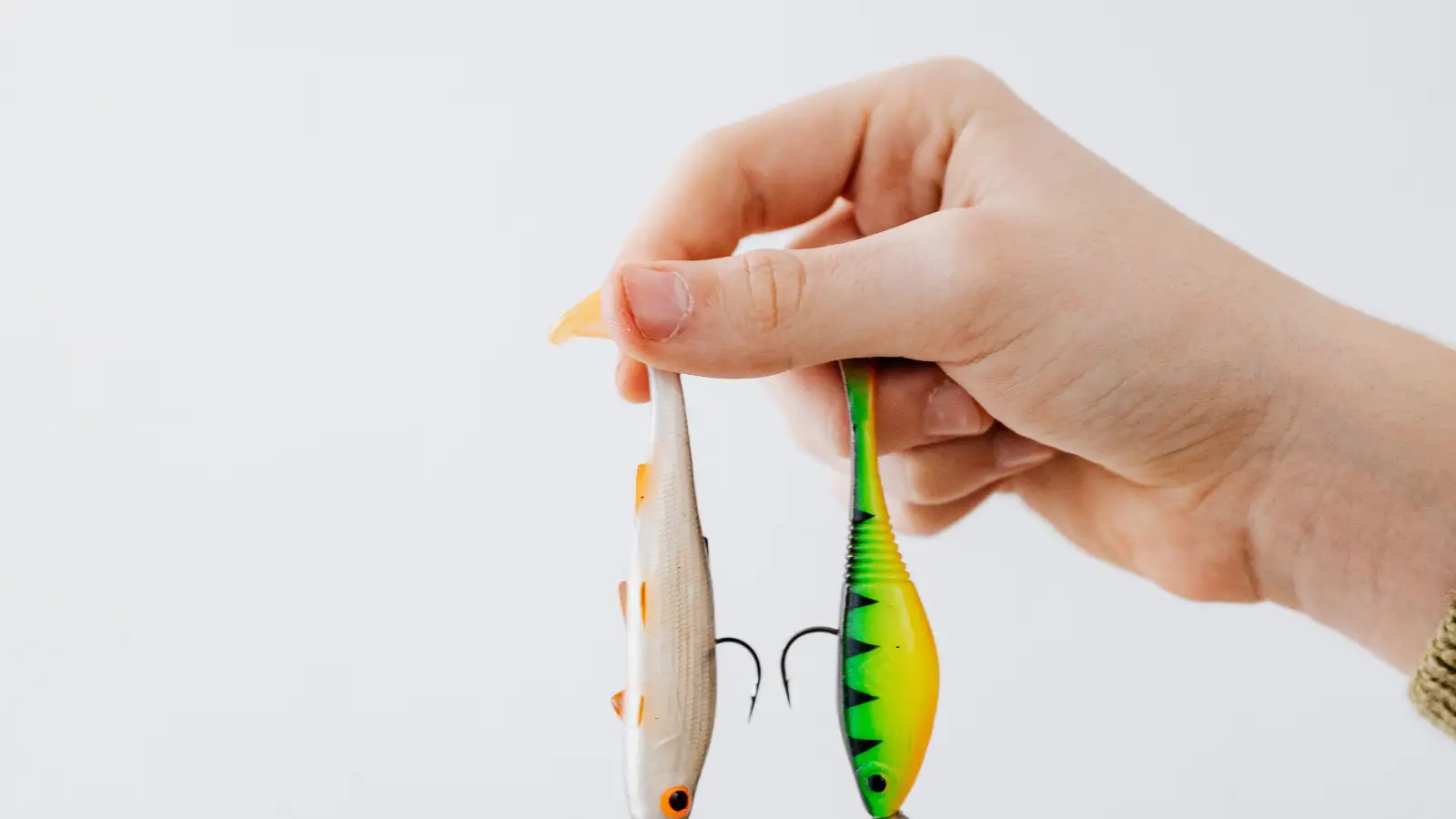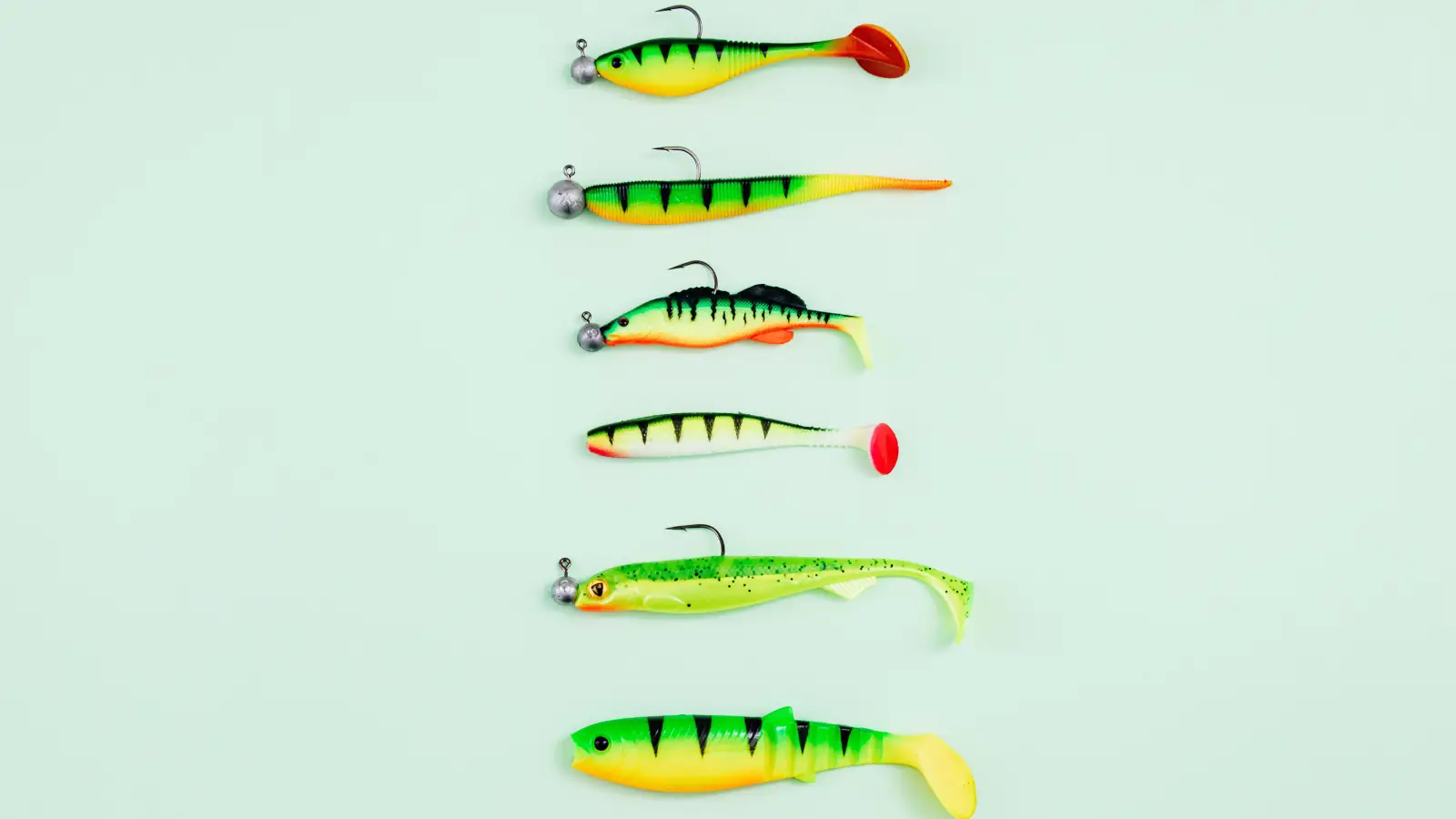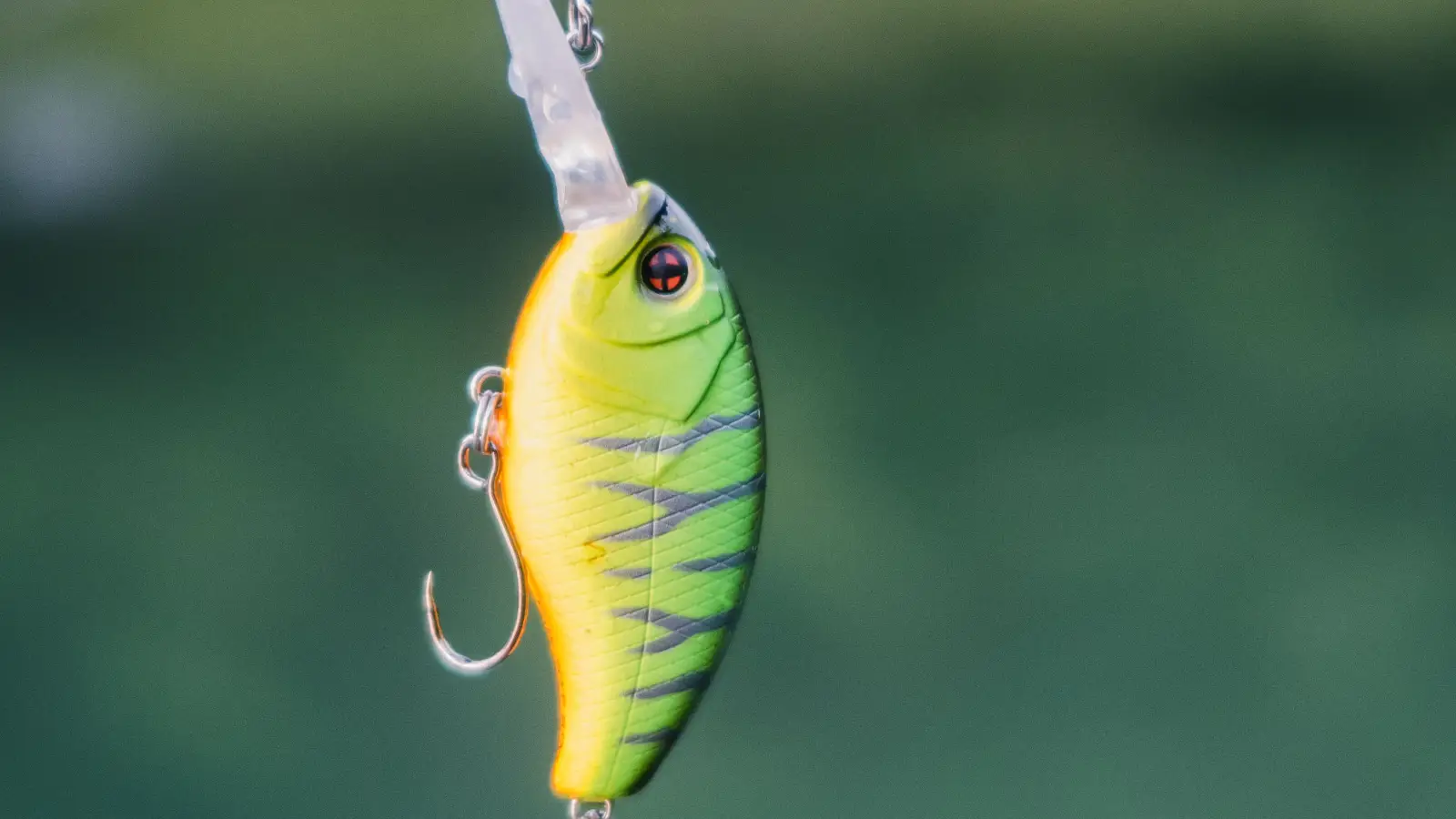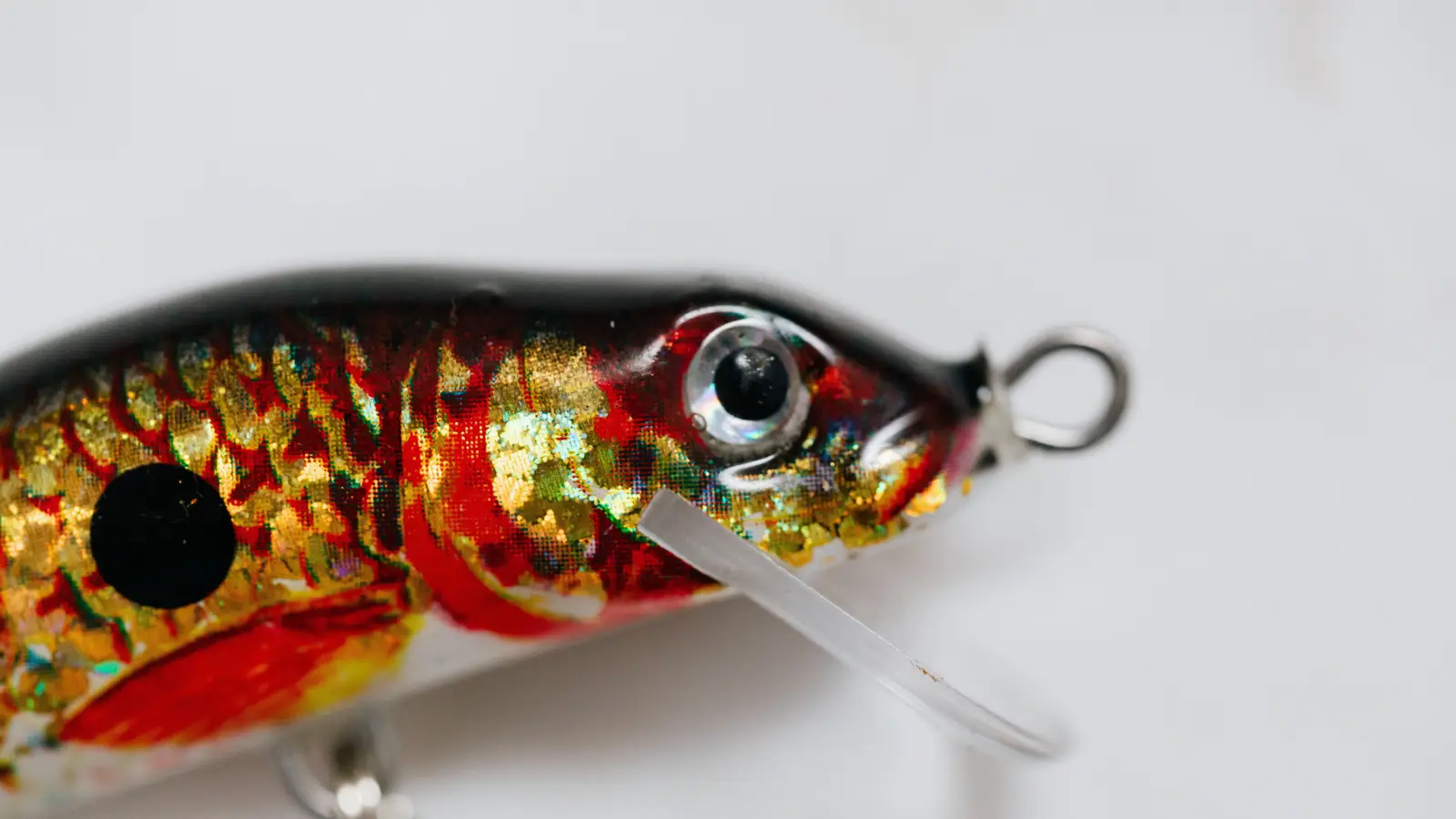
A bad knot doesn’t just break. It slowly kills lure action, turning a soft jerkbait into a lifeless stick, a crankbait into a swimming pencil, a spinnerbait into silent metal. The fix is direct: choose a loop knot when the lure needs free movement, a fixed knot when it needs tight control. Here is exactly how to rig soft jerkbaits, crankbaits, and spinnerbaits so the knot works for the action and depth you need.
Monofilament, Fluorocarbon, and the Non-Slip Loop: What You’ll Need Before Retying
You need line appropriate for the job—8- to 20-pound monofilament or fluorocarbon, matched to lure weight and cover. Braid can work but its slippery nature demands extra wraps in any loop knot.
Fine-nose pliers help seat knots and trim tag ends. No specialty tool is required, though a loop-knot tying tool speeds up consistent loop sizing if you retie often.
Know these three knots cold:
- Non-Slip Loop Knot — the standard for creating a durable, free-swinging loop on any lure. Strong and adjustable.
- Improved Clinch Knot — a dependable fixed knot for spinnerbait arms and some crankbait split rings.
- Palomar Knot — the strongest fixed knot, ideal for deep crankbaits where zero slack is the requirement.
Once these are second nature, the rest is a decision, not a complicated skill.
Step-by-Step Rigging Protocols: Loop vs Fixed for Each Lure Type
1. Soft Jerkbait: Tie a Non-Slip Loop Knot for Unrestricted Darting Action
Use a Non-Slip Loop Knot on every soft jerkbait, no exceptions. A fixed knot chokes the nose eye and kills the side-to-side glide that triggers strikes.
Tie it with a 1/4- to 1/2-inch loop. Double the overhand knot on fluorocarbon to prevent slipping. Cinch slowly, wet.
The loop lets the bait pivot independently, creating erratic darting and a dying minnow wobble on the pause. It covers the middle water column and can be snapped near the surface.
A loop over 3/4 inch can foul on the hook or cause the bait to spin. Keep it compact.
2. Deep-Diving Crankbait: Use a Fixed Palomar Knot for Tight, Consistent Wobble
For crankbaits that dig to 12 feet or deeper, a fixed knot transmits every bottom contact and keeps the wobble true. A loop knot here slacks the connection, dulls feedback, and commonly throws the bait out of tune.
Tie a Palomar directly to the split ring or line tie. Double the line through the eye, overhand knot, pass the lure through the loop, pull tight. Seat it with pliers.
The direct connection stabilizes the bill angle. On deep structure, that feel is non-negotiable.
If you use a snap on a deep diver, it must sit tight against the tie point. Any pivot degrades the action.
3. Shallow Squarebill Crankbait: Switch to a Rapala Loop Knot for Erratic Deflection
Squarebills worked in 1-6 feet around wood and rock gain from a small loop that lets the bait kick out violently on contact. A fixed knot keeps the deflection tight, often sliding off cover without triggering a strike.
Tie a Rapala Loop Knot or a small Non-Slip Loop with a 1/4-inch finished loop. The Rapala knot’s tag points forward, reducing snags.
The loop gives lateral freedom. Hit a stump and the bait darts sideways—that’s the action that draws reaction strikes.
If the bait already has a split ring and generates enough pivot, tie a fixed knot directly to the ring to avoid an oversized loop.
4. Spinnerbait: Fixed Clinch on the Wire Arm for Direct Blade Vibration
Spinnerbaits depend on blade thump transmitted through a rigid connection. Tie an Improved Clinch or Palomar directly to the wire eye or arm. Zero slack.
Blade speed and vibration are critical in stained water. Any give in the knot muddles that signal and delays hooksets.
Inspect the knot after every fish. Thin wire arms can cut line under load. File rough spots or replace the bait.
5. When to Tie a Loop Knot on a Spinnerbait Swivel for Added Flash
There is one narrow case for a loop knot on a spinnerbait: slow-rolling a Colorado-bladed bait through clear, cold water where an irregular flash turns followers into eaters.
Attach a small barrel swivel to the bait’s eye with a split ring, then tie a short Non-Slip Loop Knot to the swivel—under 1/2 inch. The swivel prevents twist, and the loop adds a subtle flutter.
This rig tangles more and dampens the direct thump that makes spinnerbaits effective. It’s a finesse presentation for tough windows, not a go-to rig.
Common Mistakes That Kill Lure Action Slowly
Tying a Jerkbait Directly with a Clinch Knot
A fixed knot on a soft jerkbait shuts down the glide. The bait slides through the water like a twig. Solution: use a loop knot every time.
Making the Loop Too Large on a Spinnerbait
A loop over half an inch on a spinnerbait causes the bait to flop, reduces blade thump, and fouls the hook on casts. Solution: trim loops to 1/4 inch and check after snags.
Using a Loop Knot on a Deep Crankbait That Needs Tight Vibration
Deep divers need hydrostatic stability and a fixed connection to hold the bill angle. A loop knot lets the bait roll and blow out. Solution: fixed knot or a flush-fitting snap.
Failing to Lubricate the Knot and Degrading the Line
Dry cinching generates heat that weakens fluoro and mono at the knot. The damage accumulates with every cast until the knot fails or the action dies. Solution: wet every knot before you pull it tight.
Loop Knot Variations: Non-Slip vs Rapala
When a loop is the right call, the knot you choose changes the loop’s behavior.
- Non-Slip Loop Knot — stronger, adjustable, works with all line types. The tag points back toward the bait, which can snag weeds.
- Rapala Loop Knot — tag points forward away from the bait, a cleaner profile in grass. Slightly tighter loop, preferred for twitchbaits.
- Homer Rhode Loop Knot — creates a large, clean loop for live bait or oversized pike/muskie jerkbaits. Overbuilt for standard freshwater lures.
Use the Non-Slip for day-in, day-out fishing. Switch to the Rapala in vegetation where the tag end matters.
FAQ
Can I use a snap swivel instead of a loop knot on a jerkbait?
A snap swivel adds weight and bulk, often tipping the bait nose-down and killing the sideways dart. A loop knot gives a lighter, more natural pivot. Save snaps for crankbaits where fast lure changes outweigh action purity.
Why does my crankbait spin out of control after I switched to a loop knot?
An oversized loop or a loop on a deep diver introduces slack that lets the bill lose its bite. The bait rolls instead of wobbling. Shorten the loop to barely 1/4 inch or go back to a fixed knot.
Does braided line require a different knot for loop action?
Yes. Braid’s slick coating can pull a standard Non-Slip Loop closed under load. Use an extra turn in the overhand knot or a dedicated braid loop like the Triple Surgeon’s Loop.
How do I keep a loop knot from slipping on fluorocarbon?
Double the initial overhand knot in a Non-Slip Loop, seat the knot gradually, and wet it liberally. Fluorocarbon’s stiffness demands a little extra care for the wraps to bite.
When is a fixed knot always the better choice?
Any lure that must transmit exact bottom contact—deep crankbaits, heavy jigs, Texas rigs—needs a fixed knot. The direct connection translates structure into instant feel that a loop knot would insulate.
Your Lure’s Action Is Only as Good as the Knot Behind It
You now know exactly when to use a loop knot and when to tie fixed for soft jerkbaits, crankbaits, and spinnerbaits. That hidden action killer is gone. Retye based on the protocol that matches your water column and cover, then test the action at the boat before you launch a long cast. You will see the difference before the bait ever touches the water.