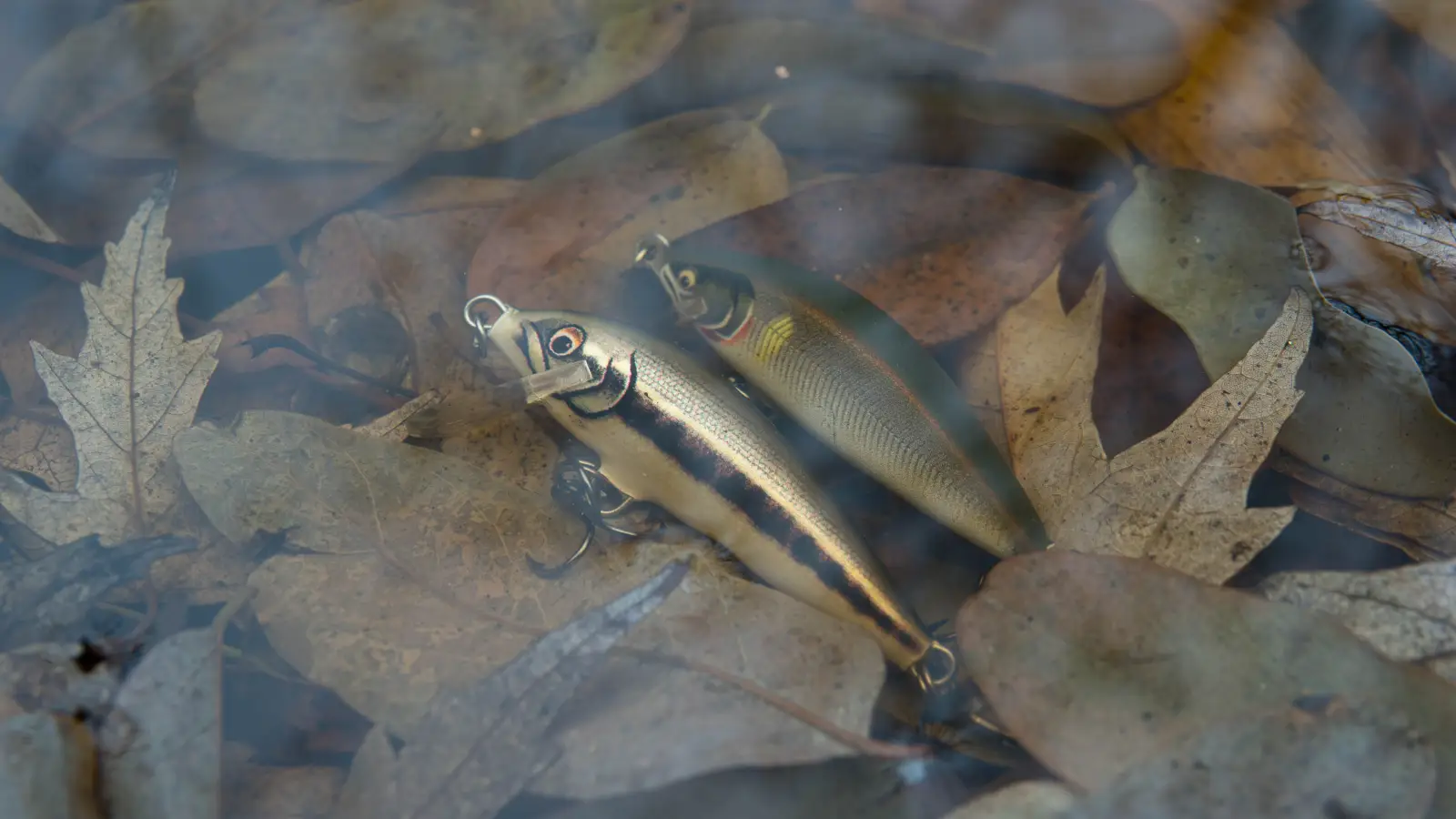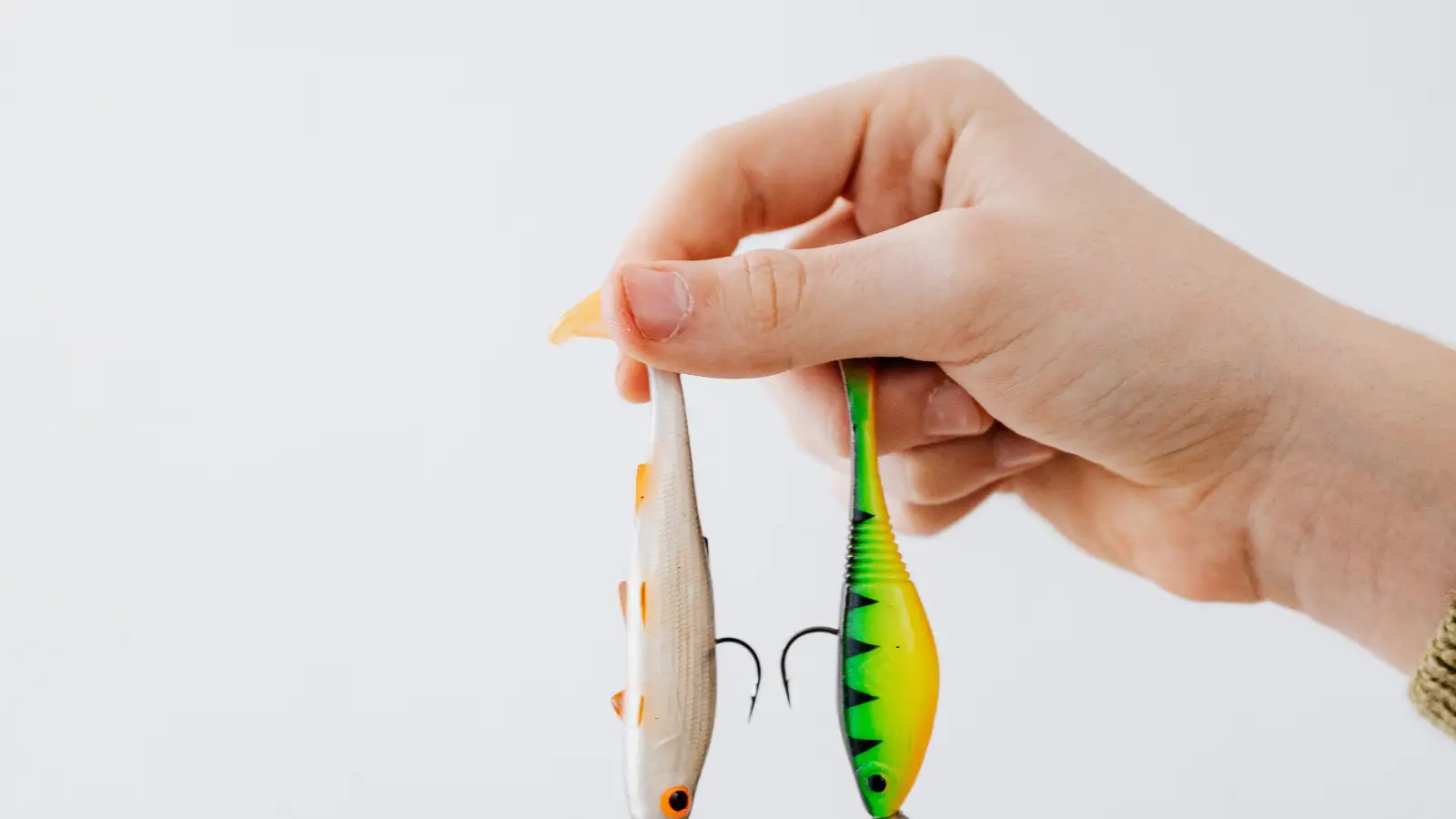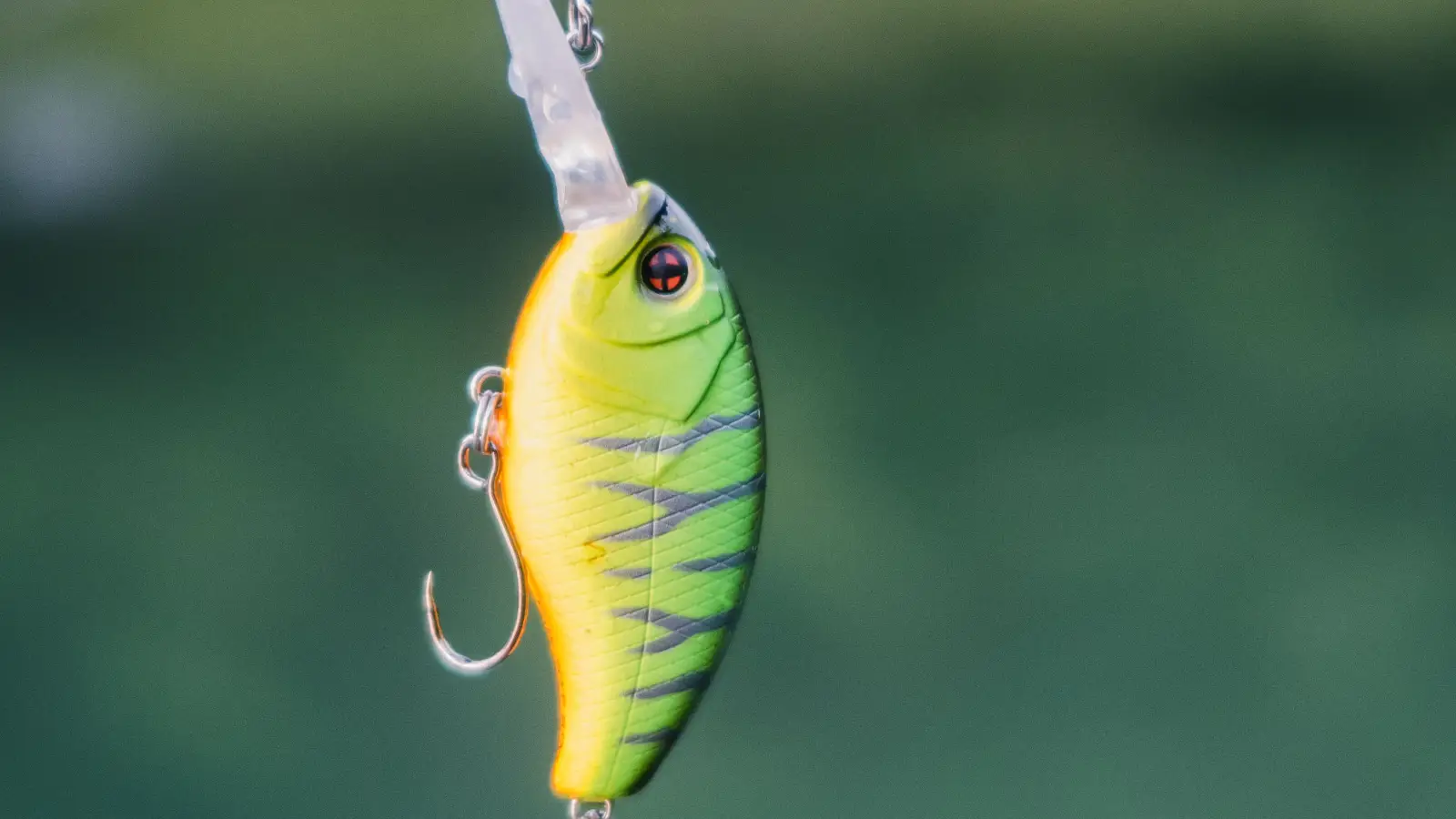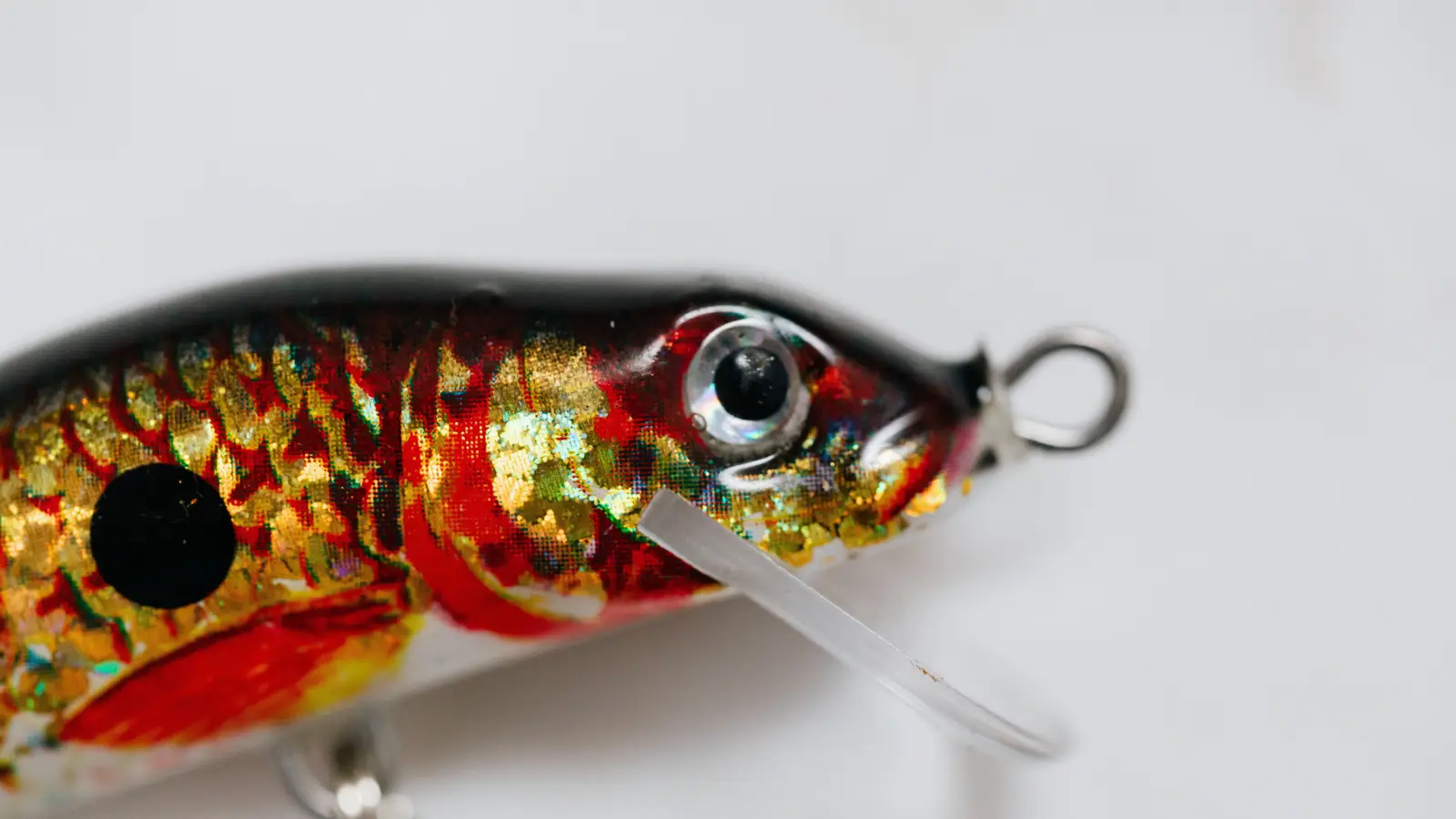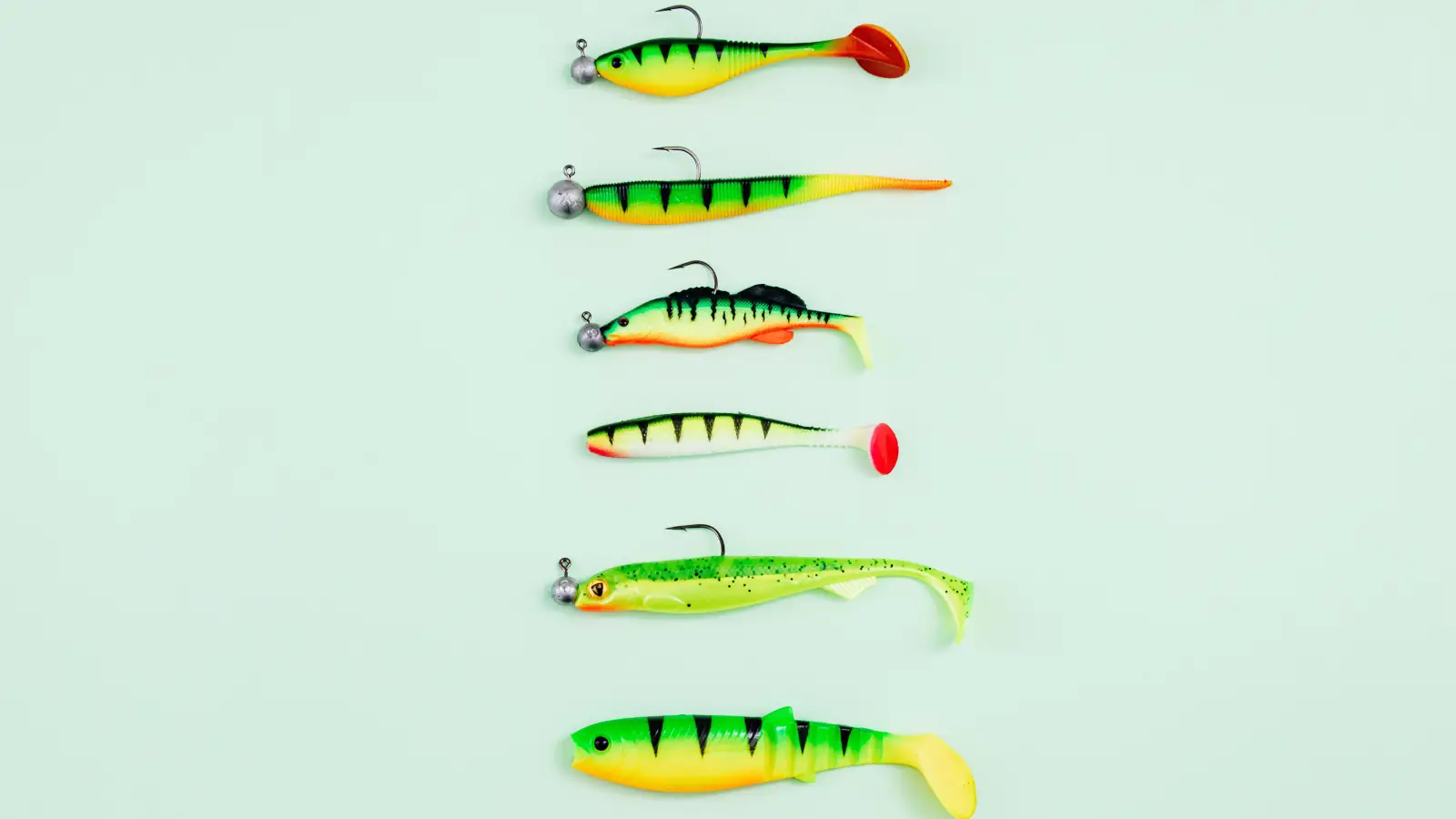
The bait-or-lure question is a reading test. If an angler can’t tell whether the fish are in hunting mode or just drifting through a buffet line, every cast is a guess. A lure mimics the panicked escape of prey—it works when the fish is already wired to chase. Bait, with its scent and inert drift, wins when the fish is grazing lazily. The skill is seeing which mode rules the water, then picking the tool that matches.
When to Throw Bait, When to Throw a Lure: Quick Reference Table
| Situation | Winner | Why |
|---|---|---|
| Surface erupting with feeding activity | Lure | Chase mode engaged; fast-moving lures provoke reaction strikes. |
| Fish lazily picking the bottom or suspended | Bait | Graze mood; natural scent and slow presentation seal the deal. |
| Water below 50°F (10°C) | Bait | Metabolism is sluggish—fish won’t chase; a stationary, scented offering gets the bite. |
| You need to cover a lot of water to find fish | Lure | Efficiency; casting and retrieving covers water quickly while bait sits idle. |
| Follows but no commitment | Lure (change speed/action) | Indifference signals a predatory instinct is waning; a sudden trigger can flip the switch. |
| Heavily pressured urban lake | Natural-looking bait or finesse lure | Educated fish; subtle presentation wins over flash. |
You Mainly Need a Reaction Bite — When Chase Instinct Rules
When bass corral shad against a point or stripers blast through pods of bait on top, the water isn’t calm—it’s a fight. A fish in chase mode uses its lateral line and vision as rangefinders. A lure that flashes, thumps, or darts sideways can pull a strike from several feet away because the fish is already locked into an attack sequence. Crankbaits, topwater plugs, and spinnerbaits own this space. The payoff is a day built on explosive strikes and the ability to quickly work a school. What’s given up is subtlety: that lure must roughly match the size and silhouette of the local forage. Miss by a significant margin, and even a fired-up fish may refuse it. But when the chase instinct is truly on, a good enough approximation usually gets eaten.
You Mainly Need to Imitate Natural Forage — When Fish Are in a Grazing Mood
Post-front drop in water temperature, a clear midday sky, or fish suspended without moving—these are grazing conditions. Fish aren’t hunting; they’re sampling. Scent, taste, and a vulnerable-looking presentation become the primary triggers. A live nightcrawler on a slip sinker, a minnow under a float, or a piece of cut bait sitting on the bottom requires zero effort from the fish. You can set it and wait. The cost: active search stops. You cover a fraction of the water a lure would, and the pace can feel glacial. But forcing a fast-moving lure through this mood often results in spooked fish or total indifference—because the fish simply won’t burn the calories to chase.
You Mainly Need to Cover Water Quickly — Lure Efficiency Overrides Everything
There are days when the right call isn’t about matching a mood; it’s about locating the fish at all. On a sprawling reservoir or a featureless flat, a search lure—a lipless crankbait, a spinnerbait—lets an angler probe different depths and contours in minutes. Bait, by design, inhabits one spot until something bumps into it. The winner in this scenario is any lure that can be cast and retrieved a hundred times without degrading. That efficiency hands you a mental map: where they’re holding, at what depth, in what kind of cover. Once the pattern clicks, you can decide to stay with lures or slow down with bait. The trade-off is that you’ll miss the individual, smell-driven bites that bait would have coaxed out of the exact same spot.
You Mainly Need to Finesse a Bite — Pressured Fish and Lockjaw Situations
A heavily pressured lake on a sunny weekend is the kind of place where bass have an advanced degree in lure recognition. In clear, flat water, they’ll often ignore anything that doesn’t drift and wobble exactly right. Here the bait/lure divide collapses. A live minnow on a light Carolina rig can outfish everything when the fish are in a low-grade graze. Yet a tiny Ned rig or a suspending jerkbait, worked with long pauses, occasionally flips a predatory switch. The real danger is stubbornness—spending three hours trying to finesse a bite from one group when a move of 200 yards might put you on fish that are willing to chase.
Where the Bait-or-Lure Debate Doesn’t Matter
- In Muddy Water: When visibility shrinks to a few inches, a rattling crankbait and a cut bait are both throwing a signal into the murk—one with sound, one with scent. Hookup rates end up similar. Pick the one that’s less hassle.
- Slow-Rolling the Bottom: A live nightcrawler dragged on a Carolina rig and a plastic worm crawled the same way both imitate a bottom creature. The fish can’t read labels; strike ratios barely differ.
- Matching Specific Forage: When threadfin shad are the whole menu, a live shad and a realistic swim bait share the same profile and tail kick. The trigger is shape and motion, not whether the bait has a heartbeat.
Anglers burn more brainpower debating bait versus lure in these spots than fish ever burn rejecting one over the other. Stop overthinking and fish what’s already tied on.
Non-Negotiable Limits: When You Have No Choice
- Bait-only situations: Some trout streams carry artificial-only restrictions—meaning bait is legal, but that’s not the point. Species like channel catfish and carp live by scent; lures are background noise to them. In water below 40°F, even the slowest retrieve makes a lure look like a seizure to a near-dormant bass. A still, scented bait is the only thing that registers.
- Lure-only situations: Tournament rules often ban live bait outright. Saltwater trolling for tuna or wahoo at speed would tear a strip bait apart; plugs or skirted lures survive. In heavy current, a bait rig gets swept out of the strike zone in seconds while a jig or spoon can hold depth. And in gator country, a live bait on a hook becomes an alligator dinner bell—many anglers switch to artificials purely to cut that risk.
Common Questions About Reading Fish and Choosing Bait vs. Lures
Can I use scented lures to split the difference?
Scent can help a lure perform in graze mode, but it never replicates the taste, texture, and amino-acid signal of real bait. Add scent to a soft plastic when fish are tentative and short-striking. In full chase mode, it’s dead weight; the strike comes from the reaction, not the smell.
How do I tell if fish are in chase mode or graze mode without seeing them?
Surface clues are the easiest: swirls, flips, baitfish showering out of the water. Sonar will show suspended marks holding steady (graze) versus streaks or arcs moving up fast (chase). Water temperature is a reliable proxy: above 65°F, predatory fish chase more; below 55°F, they graze more. In that middle band, trust the visual cues first.
Which is easier for a beginner?
Bait catches fish across a broader range of moods, no question. A worm under a bobber will produce while a newcomer learns to read water. Lures demand you manage speed, depth, and cadence—but they accelerate the learning curve because you get instant feedback from a reaction strike or a refusal.
Should I switch back and forth during one trip?
Yes. Pre-dawn often triggers a chase window, midday pushes fish into graze mode, and dusk can reignite the hunt. Rig two combos—one bait, one lure—and swap as the fish’s mood shifts. The angler who refuses to switch gives fish credit they don’t deserve.
Does species change which mode dominates?
Massively. Trout in a stream are perpetual ambush-grazers; a drifting nymph or real worm usually wins. Pike are wired for chase; a baitfish imitation moving fast will outproduce a still bait all day. Let the species’ default hunting style set your starting point, then adjust to the day’s conditions.
Most freshwater gamefish reliably show a chase period each day, so lures get the nod during prime windows. The only question that matters once you’re on the water: is the fish burning calories to hunt or lazily picking off easy meals? Answer that, and you’ll pick the right offering almost every time.