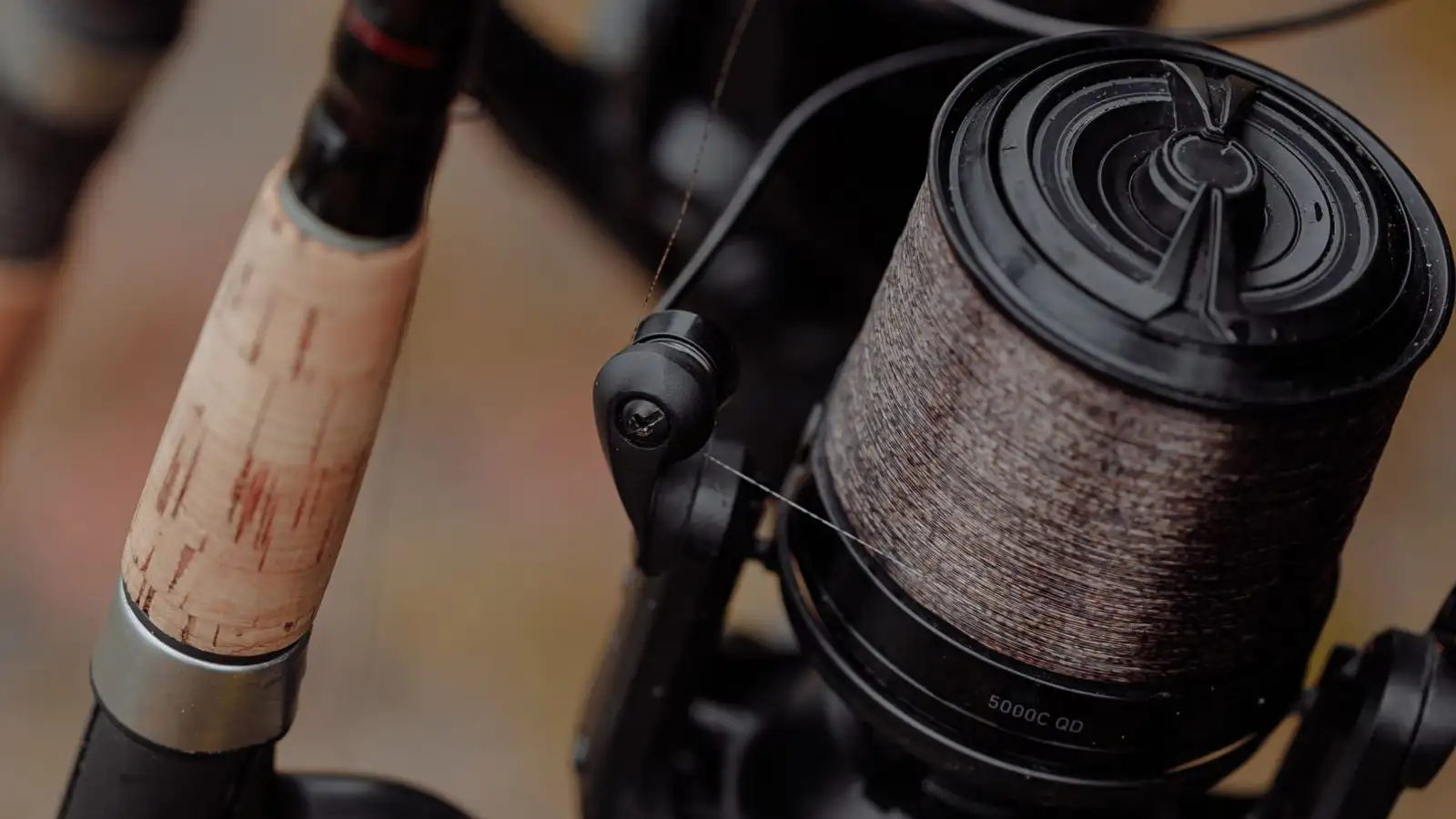
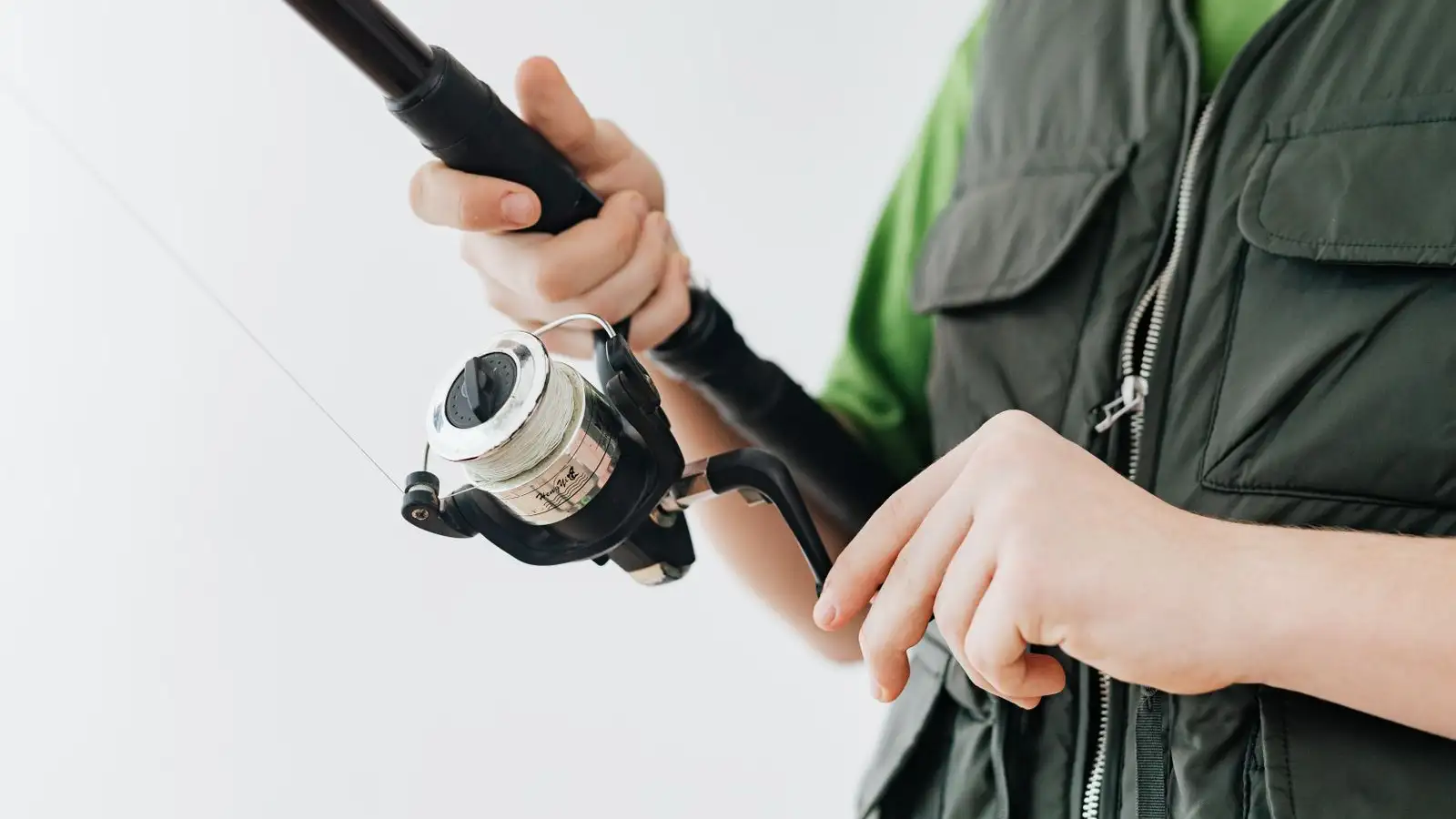
Coiled line is a casting variable, not a nuisance, and it has to be handled before the cast rather than during it. Line that leaves a spool in loops tangles into a wind knot in the first moments of a cast, before any tension exists to straighten it. The same stored coil keeps a baitcasting spool turning after the lure has slowed, which is exactly what turns a brief overrun into a backlash. It drags through the guides hard enough to cost distance even when the stroke and the timing were right, and because it feeds off the spool in uneven bursts, it makes both distance and accuracy vary from cast to cast. The fix comes in two parts: reset the worst of the coil before the first cast, then change the stroke so the rod straightens the line in flight instead of the wrist trying to overpower it.
I stopped calling it an annoyance on a morning when the rod had been rigged since the night before. I opened the bail, pulled the lure back, and heard the line come off with a dry ticking instead of a hiss, loops lifting off the spool and standing there. I threw it anyway. The lure landed maybe two-thirds of the way to where it had gone the week before, and eight feet short of the water the line stopped dead. When I lifted the rod, a tight little curl of line sat on the surface ahead of me. No wind. Not a breath of it.
That is the part worth sitting with: a wind knot is named for something that usually isn't there.
The damage happens before there is any tension
Watch your line leave the spool on the first cast after it has sat wound tight. The top layers come off as spirals, because that is the shape they were forced into. For the first few feet of the cast there is almost no tension on the line: the lure is accelerating, the spool is giving line, and a loop can stand off above the others without anything pulling it flat. That loop rides out with the lure. When the slack collapses against the running line or a guide, it wraps, and the lure's momentum pulls the wrap tight.
Near the rod tip is where it usually locks, because that is where the loose loop finally meets something narrow. It happens early, before the line has straightened, and you often don't feel it until the end of that cast or the start of the next one. Which is why so many people blame the wind, the lure, or their own hands.
Even on casts where nothing knots, coils cost you. Every loop that scrapes a guide ring takes energy out of the lure, so the cast lands short with a stroke that was fine.
Why a baitcaster charges more for the same memory
Put a baitcasting reel in your hand and the cost goes up. That spool doesn't stop when the lure stops pulling; it keeps spinning on its own inertia, and every brake setting and every touch of your thumb is a negotiation with that. Coiled line wrecks the negotiation, because the feed stops being smooth. Instead of a steady ribbon, the line leaves in short, uneven bursts: a few inches, a stall, then a rush. The spool is turning at one rate and the line is leaving at another, and the difference has to go somewhere. That somewhere is the nest.
Then there is the second-order problem. Stiff, coiled line drags harder off the spool and through the guides, so the instinct is to throw harder. Harder spins the spool faster. A faster spool means a worse overrun when the lure slows. You can chase that loop all day and never win, because you are treating the symptom instead of the line.
The stroke has to match the stiffness
This is where I had to change what my hands do. With limp line, a compact, wristy stroke can work fine. With line that carries a set, the wrist alone doesn't have enough travel to pull the coils straight. The rod does. Load it deeper, letting the butt take the bend rather than just the top third, and let the rod unload through a longer arc. The tip then leads the line forward, and the line straightens in flight instead of arriving in loops.
Two habits go with it. Accelerate smoothly rather than snapping; a snap dumps line faster than the rod can straighten it. And don't try to make up lost distance with muscle. A deep, smooth load beats a hard flick every time a line is stiff.
Getting the coil out before you cast
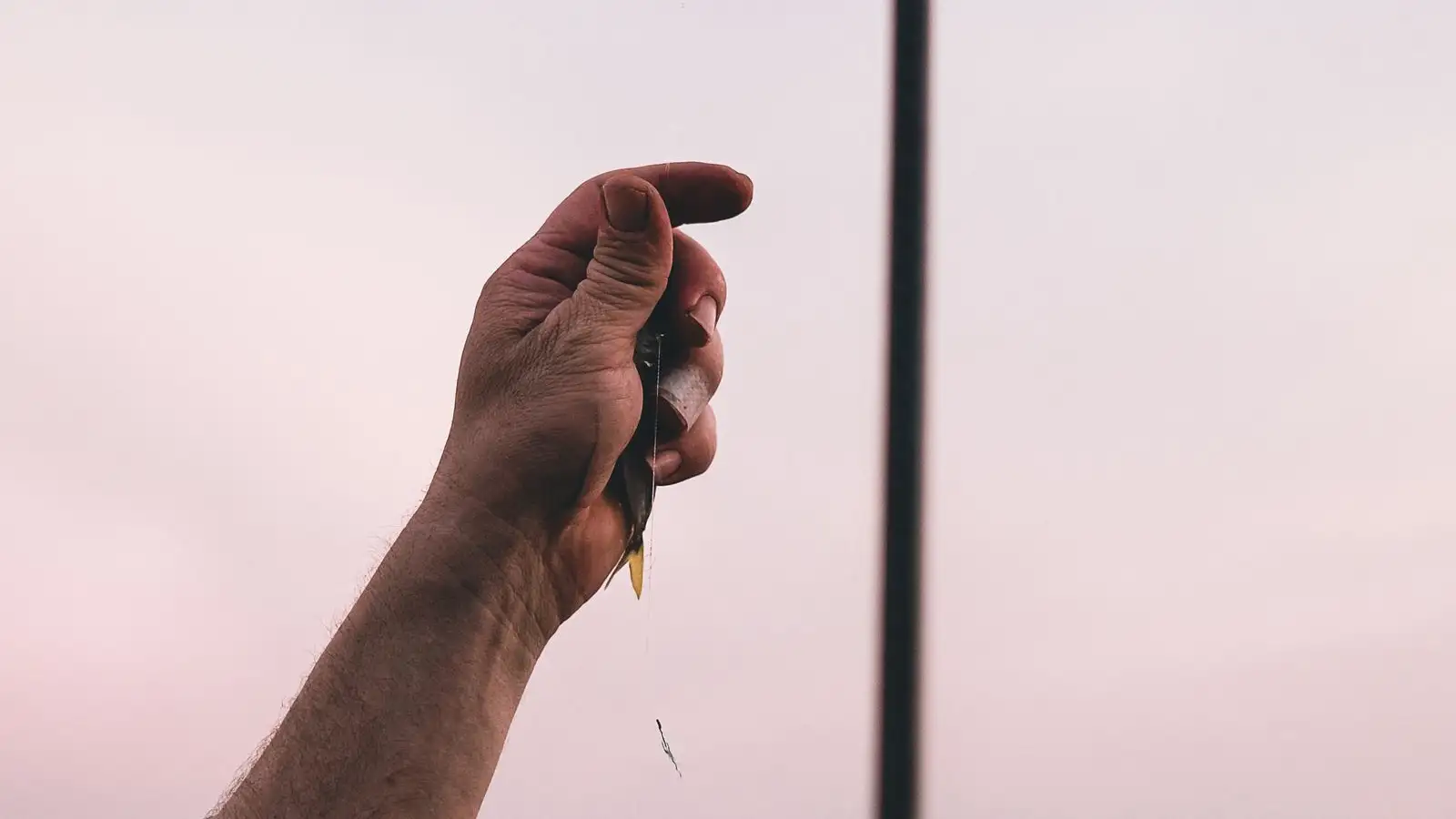
The most useful thing I do is also the least glamorous. Before the first cast, strip several feet of line off the reel and let it trail in the water, in current if there is any. Water drag pulls the worst of the set out of the top layers, which are the ones wound tightest and the ones that fly first. Letting it hang in the air does something. Letting it swim does more.
On a spinning reel, two small habits compound over a session. Close the bail by hand instead of cranking it shut, and keep a little tension on the line while you retrieve. Both limit the twist you add with every turn of the rotor, and twist and memory feed each other. Enough twist will make even decent line start jumping off the spool.
Cold mornings, and where technique runs out
Cold air stiffens line. The cast that behaves in July knots up on a winter morning, same rod, same lure, same stroke. In the cold I strip more line before the first cast, expect the first several casts to come up short, and treat any loop hanging off the spool as a signal to strip again rather than to try harder.
Now the honest limits. Some memory is permanent. Line that has sat coiled in a cold garage all winter has a set that no amount of stripping will fix, and respooling is the real answer. Materials take a set differently; limp, low-memory lines don't stand off the spool in the same loops, though they bring their own problems, like digging into the spool under tension. And not every wind knot is a coil knot. A lure that spins on the retrieve twists line, a nicked guide grabs it, reeling in slack sets you up for it. But memory is the cause you can see before the cast, standing off the spool in loops, and it is the one you can do something about in the thirty seconds before you let fly.