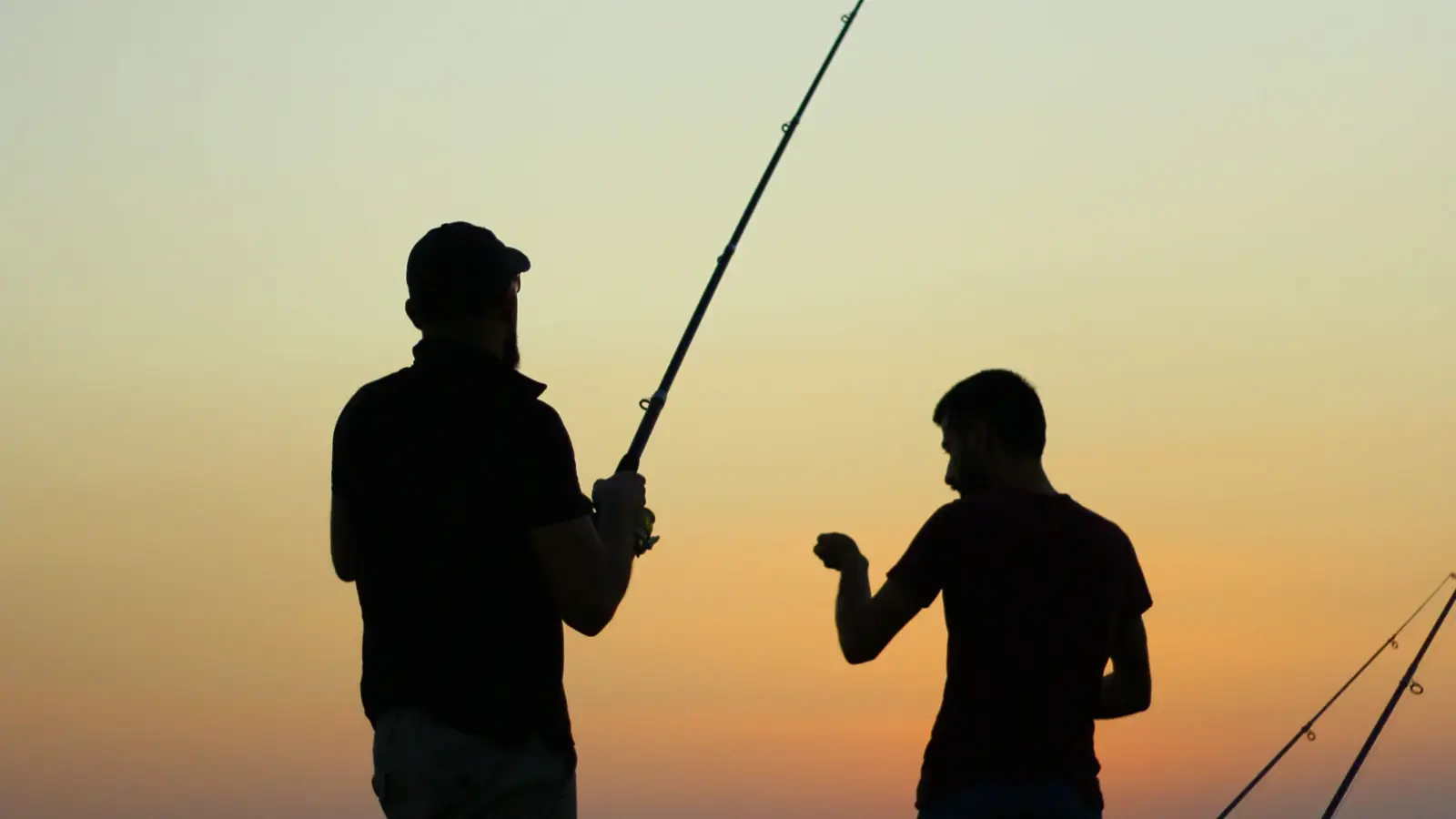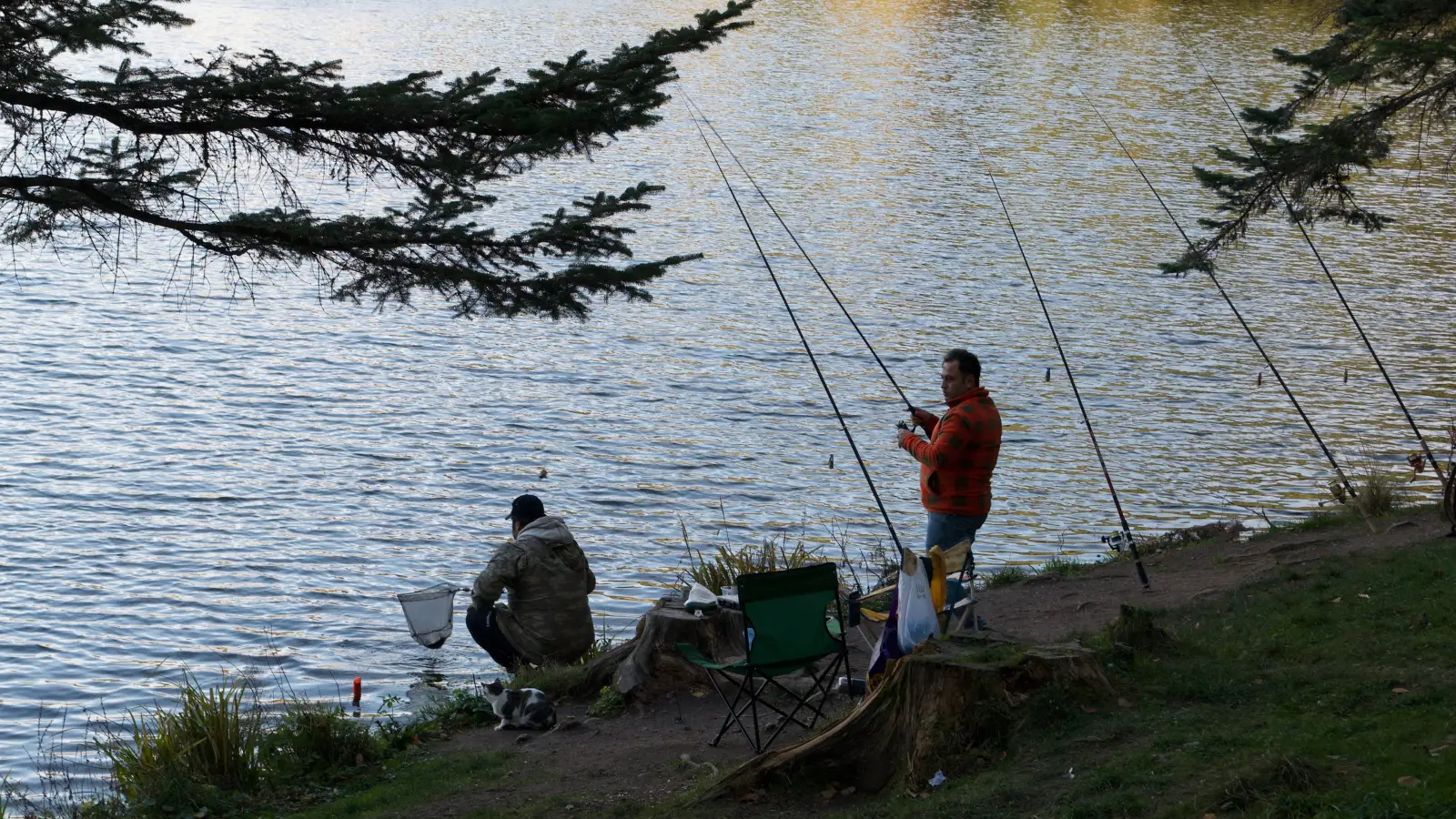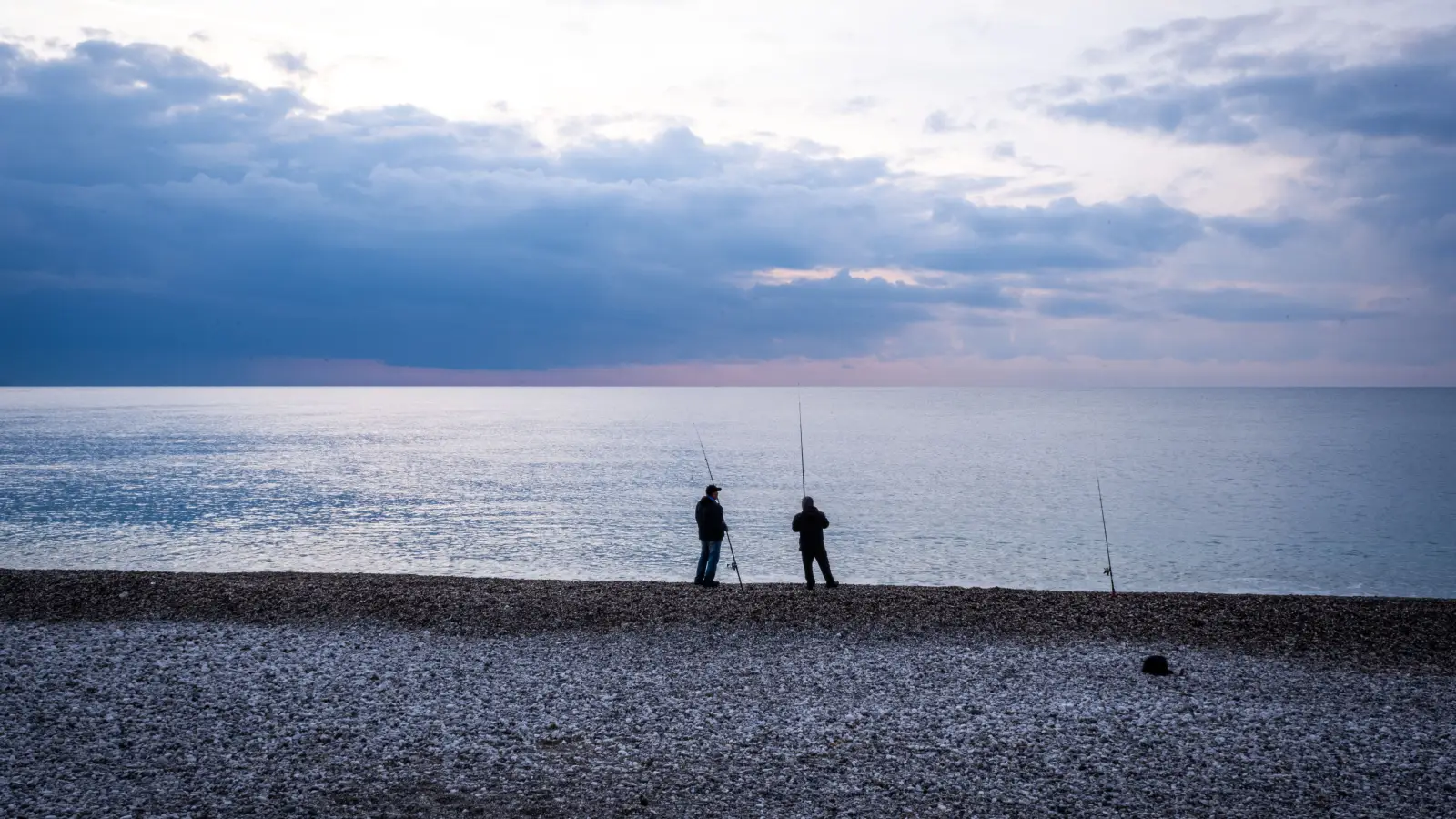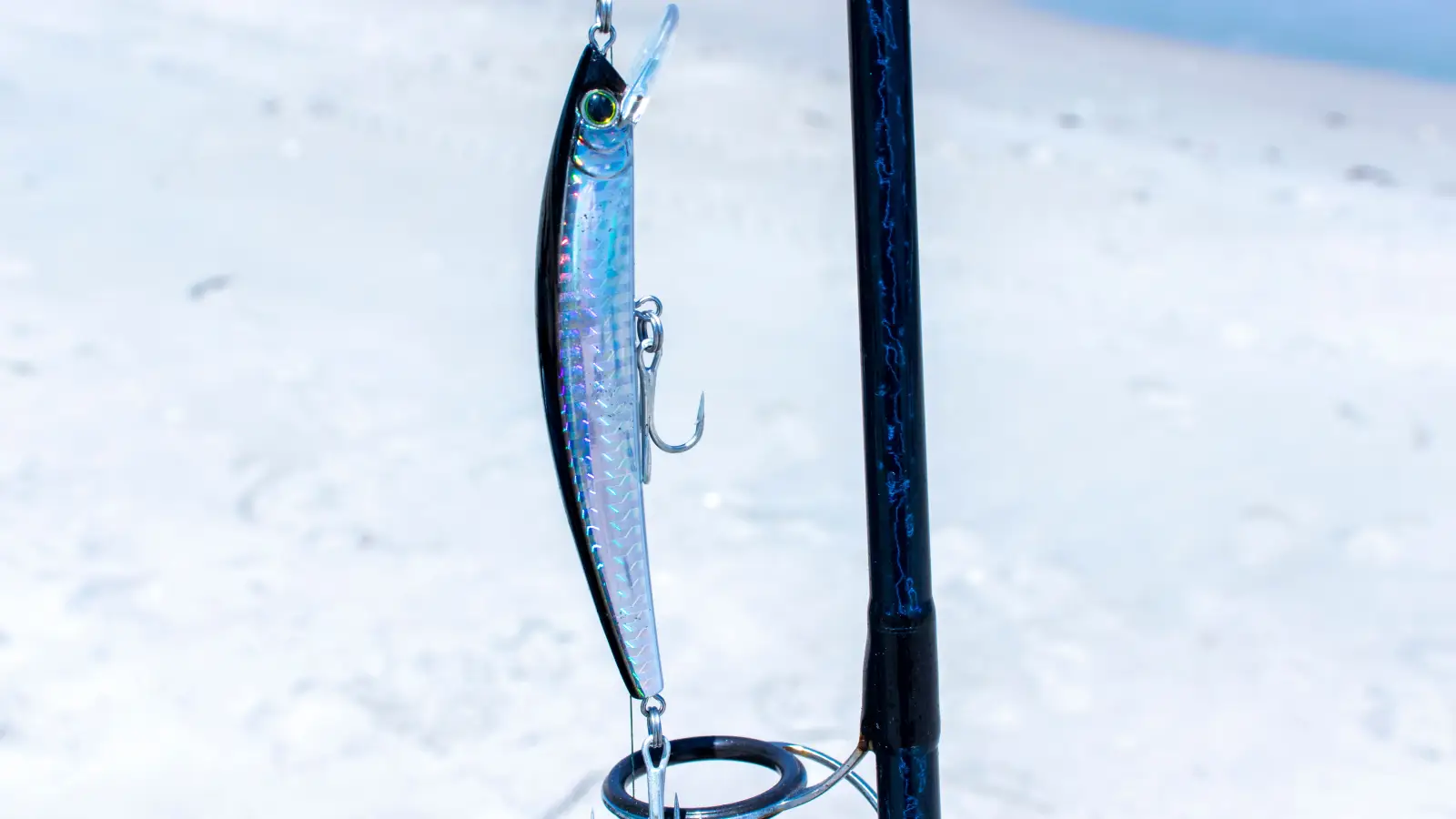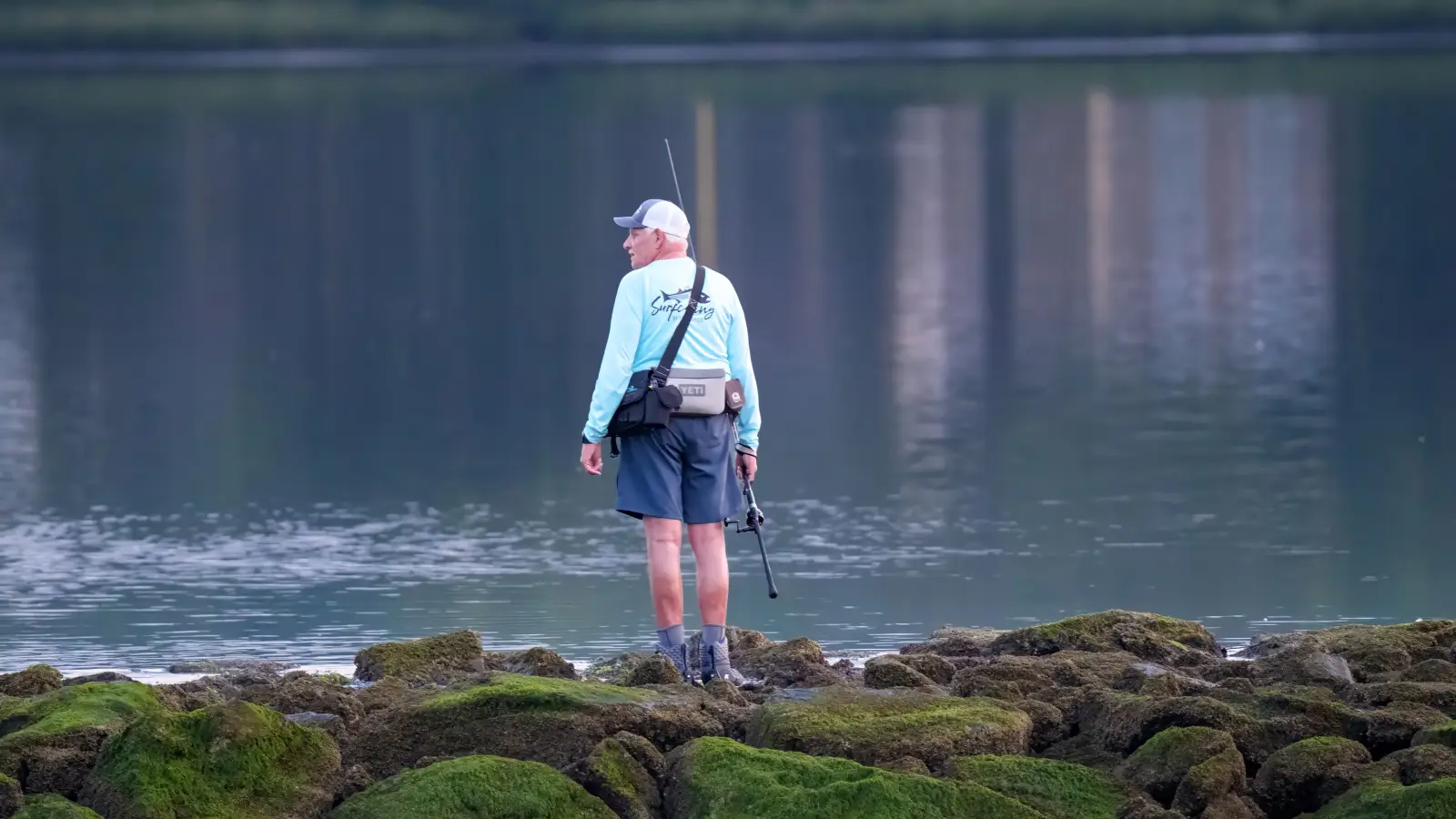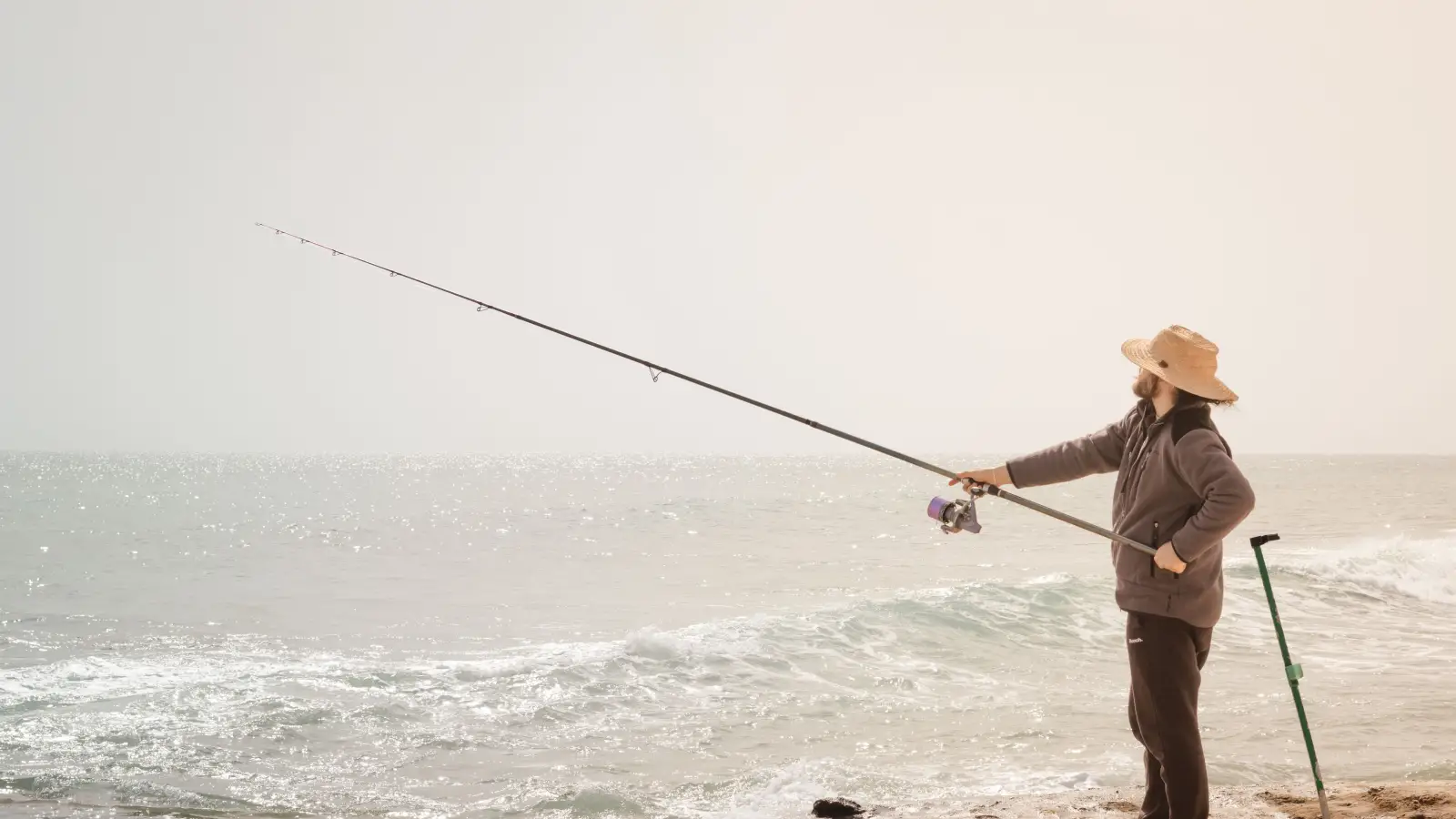
The mistake that steals distance from shore anglers is a rod so stiff it can’t load under a normal cast. When the blank refuses to bend, the rod stores almost no energy. The caster is left trying to muscle the lure through the air with arms and shoulders. Distance craters, and after a dozen casts the fatigue is obvious. The fix is immediate: match the rod’s flex to the lures you actually throw. Get that right, and everything else—technique, line choice—starts to add distance instead of just burning energy.
The Physics That Controls Your Casting Distance
Every surfcast is governed by three forces. Rod loading bends the blank and stores spring energy. Energy transfer releases that bend into line speed. Aerodynamic drag fights the line in flight and cuts down how far it travels. If any one of these three underperforms, the cast falls short. Shore anglers, who can’t reposition a boat, must maximize all three. Knowing these forces is not theoretical—it’s the direct path to more distance with less effort.
Why Rod Loading Is the Whole Game
Loading is the foundation. Without a deep bend, there is no stored energy to release. The rod is a transmission for the caster’s body. Choose a rod that’s too stiff for your typical lure and casting stroke, and you’re starting in high gear—the motor struggles, the output drops.
How to Match Action to Your Casting Stroke
Fast-action rods bend mostly in the tip. Moderate rods bend deeper, into the middle of the blank. For anglers throwing lures weighing 1–4 ounces, a moderate or moderate-fast rod loads deeply with a smooth, long stroke. That deeper flex stores more energy and transfers it efficiently to lighter lures. Fast actions demand heavy lures and short, snappy motions. Use them underweighted, and you’ll work twice as hard for half the distance.
Signs the Rod Is Loading Correctly
Look at the rod: the bend should extend well into the midsection, not just the top foot. Feel the resistance build smoothly, like a spring compressing. If the rod feels like a broom handle and the line barely leaves the spool, the rod is overpowering the lure—no loading happening.
Release Timing: When the Rod Does the Work for You
During the release, the rod’s stored energy converts into line speed. This happens as the rod tip accelerates forward and stops—firmly and without jerkiness. The instant of that stop is everything. Too early, and the rod hasn't fully unloaded; too late, and the energy bleeds out as tip vibration.
The Release Point That Maximizes Distance
For an overhead cast, release the line when the rod is angled about 10–15 degrees past vertical. The hands stop crisply; the rod points toward the target. A decisive halt creates the fastest launch. Anglers who try to “throw” the lure with their arm add slack and sabotage the snap.
What a Clean Release Feels Like
A well-timed release makes the rod feel like it’s doing the work. The blank unloads with a distinct pop, the line rockets away, and the lure flies in a tight, low arc. A heavy jerk or loud line slap signals mistiming—energy going to waste.
Line Flight: Turning Speed into Actual Distance
Airborne, the line’s diameter and the loop shape dictate how far it will go. Thicker line has more surface area, creating more drag. A 0.011-inch braid greatly outcasts a 0.020-inch mono of similar strength, purely because it slips through the air.
Choosing Line Based on Diameter, Not Just Strength
For maximum distance, pick the thinnest line that still handles the fish and structure you’ll face. Braid almost always wins because of its micro-diameter. But compare diameters on the package: a 40-pound braid from one brand may be thicker than a 30-pound from another. Base the decision on measured diameter, not labeled pound test.
Aerodynamic Loop Shape
A narrow, point-first loop cuts drag better than a wide, round loop. The rod tip’s path determines loop shape. Move it in a straight plane, and the loop stays tight. Dip or wobble the tip, and the loop opens into a wind-catching balloon. Keep the forward stroke dead straight.
One Shore Cast from Start to Finish
An angler targets striped bass from a beach with a 10-foot moderate-fast rod rated 1–4 ounces, throwing a 2-ounce metal jig. The backcast builds gradually—the rod bends deep into the midsection, loading fully. On the forward stroke, hands drive straight toward the target; the tip remains on line. Just past the hip, the hands stop; the rod unloads, snapping the line into a tight loop. The 0.011-inch braid cuts through the salt air, barely bowing. The jig lands 20 yards farther out than it did with the old, too-fast rod. Effort: moderate, not exhausting.
The Three Missteps That Kill Shore Distance
Picking a Rod So Stiff It’s Practically a Broomstick
Heavy-power, extra-fast surf rods are common on the beach, and most of them are mistakes. If the lure weight doesn’t match the rod’s rated range, the blank barely bends. The caster does all the work with muscle, and the cast ends short and painful. This is the single biggest distance thief.
Using Line That Acts Like a Small Parachute
Thick mono or oversized braid drags in the air like it’s designed to slow the cast. An angler spooling cheap 20-pound mono and expecting distance is ignoring basic aerodynamics. A 0.004-inch drop in diameter often adds 10-plus yards with zero extra effort.
Rushing the Forward Cast and Losing the Rod’s Snap
A jerky, impatient forward stroke—common when surf is running and fish are feeding—dips or wobbles the tip, opening the loop and squandering the backcast’s load. The rod never snaps, and the lure flutters down well inside the target zone.
Quick Reference: The Distance Framework
| Phase | Goal | Key Action |
|---|---|---|
| The Load | Store maximum spring energy | Match rod action to the lure weight and stroke |
| The Release | Convert stored energy into line speed | Stop the rod firmly at the right launch angle |
| The Flight | Preserve momentum and minimize drag | Use the thinnest practical line, keep loop tight |
FAQ
What rod action is best for surf casting distance?
Moderate or moderate-fast action loads best for lures under 4 ounces. Fast actions work only when you consistently throw heavy lures and have a crisp, compact stroke.
Does a longer rod always cast farther from the beach?
Longer rods add tip speed and wave clearance, but only if they load fully with your lure. A long, stiff rod that doesn’t bend delivers less distance, not more.
Why do I get tired so quickly when casting from shore?
When the rod doesn’t load, your arms and shoulders substitute for the blank’s spring. That’s a fast track to fatigue, especially over a session.
Can braided line really increase casting distance, or is that a myth?
Braid’s small diameter and low stretch add real distance, but a thick-diameter braid won’t. It’s the thin cross-section, not the braid label, that makes the difference.
How can I tell if my rod is loading properly?
Watch the blank: it should bend into the middle, not just the tip. Feel a smooth, building resistance. A rigid pole means no load, no distance.
Start Where the Energy Begins
Distance from shore starts with loading, passes through release, and finishes with flight. Break one link and you’re fighting yourself. Start today by checking whether your rod bends deeply on the lures you throw. Correct that mismatch, and your timing and line choices will start adding yards—not fatigue.