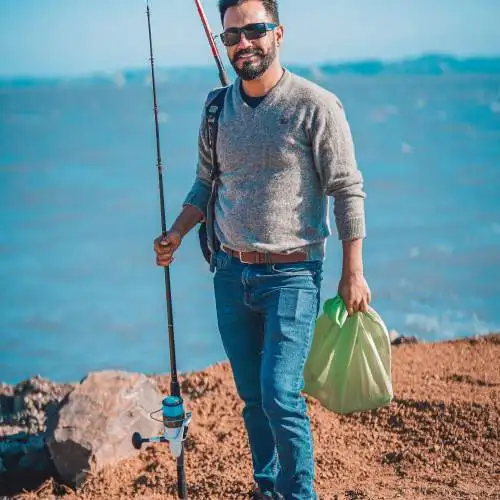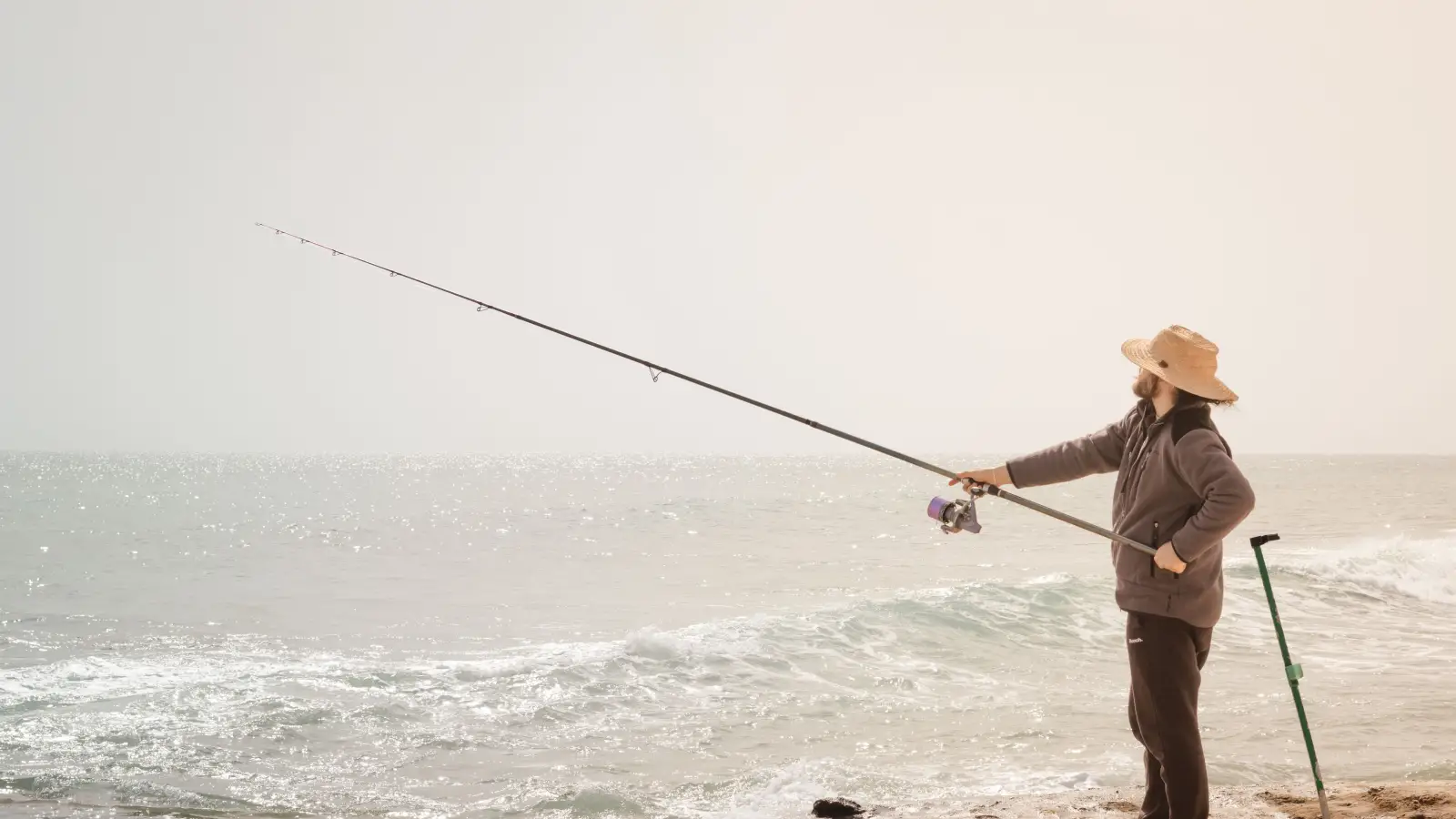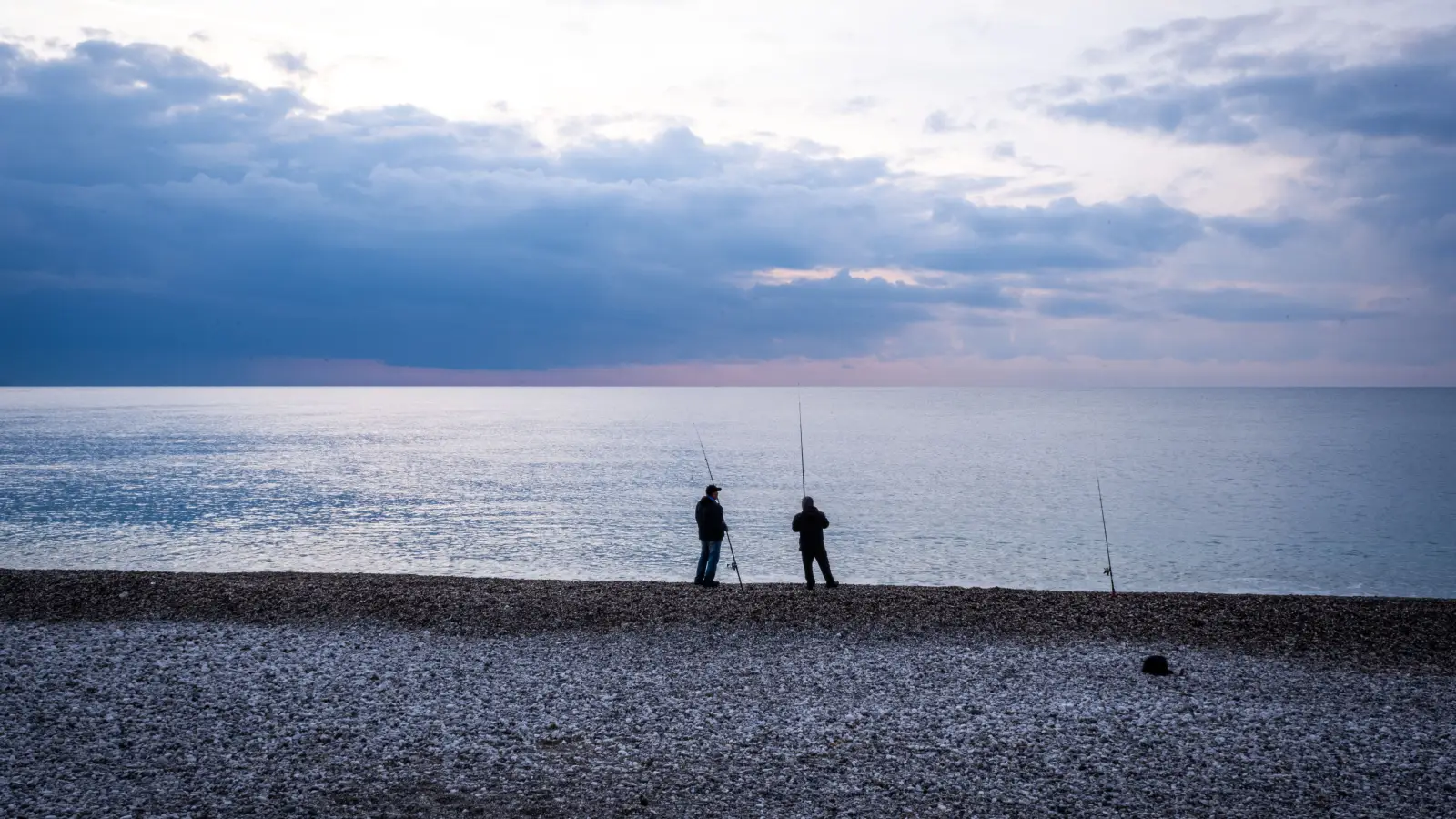
A good bank fishing spot doesn’t stay open by accident. It stays open because the people who fish it understand something deeper: every rule posted on a sign, every released fish, every piece of trash picked up is a quiet payment toward the next trip. When that understanding slips—when a landowner finds garbage or a warden sees fish mishandled—the gate closes. The only way to keep a shoreline accessible year after year is to treat each visit as part of a longer story, one where your actions today decide whether the spot is there next spring.
The Three Forces Closing Shorelines
A bank fishing spot is held in a fragile balance, and three forces tip it toward closure. They don’t act alone—they feed each other, and once all three are in motion, the spot is usually beyond saving.
The first force is loss of trust. Every complaint filed by a neighbor, every angry phone call about trespass or noise, erodes the willingness of a landowner or park board to tolerate anglers. It rarely takes more than one bad experience for someone to decide it’s not worth the hassle. The second force is ecological unraveling. Trampled banks erode faster, vegetation disappears, and fish populations shrink when handling is careless or harvest too heavy. The water itself starts to look tired, and with it, the reason to protect access fades. The third force is the cold calculation of liability. An injured angler or a trespassing incident shifts the math for any property holder. The simplest, cheapest fix is a locked gate and a fresh “No Trespassing” sign.
Each of these pressures alone can cause problems. Together, they make a permanent closure feel almost inevitable—unless the anglers who use the spot deliberately work against them. That’s what the sequence below is built to do.
The Shoreline Stewardship Sequence
Any bank fishing spot that has lasted a decade runs on a quiet cycle. Most anglers never name it, but they live it: understand the limits, handle the resource with care, and leave a presence that invites you back. Remove any one part, and the whole arrangement stumbles. This three-step sequence isn’t about following rules for their own sake. It’s about protecting something you’d miss if it were gone.
Step 1: Know the Boundaries That Protect Access
The angler who keeps a spot open starts before the first cast lands. They carry a mental map of what’s allowed and what isn’t, not out of fear of a fine, but because every boundary line is a line that has been tested before. The rules exist because someone, at some point, crossed one.
What it is. A deliberate effort to learn and respect every legal and physical limit: property lines, park hours, bait restrictions, no-wake zones, and the unspoken understandings with people who live or walk nearby.
Why it comes first. You can’t undo a complaint after you’ve been seen where you shouldn’t be. One trespassing angler, however accidental, can be the final straw for a landowner who was already on the fence. Boundaries are the foundation; ignore them, and nothing else you do on that water matters.
What to actually do. Before a trip, pull up county parcel maps online. Walk the bank slowly and read every sign, even the faded ones. Talk to a park ranger or a local who’s been fishing there longer than you—the insights they offer often reveal limits no posted sign covers. Keep a copy of the regulations on your phone or in your bag. When in doubt, give the boundary a wider buffer than it needs.
What “done well” looks like. You fish with complete peace, never glancing over your shoulder. You’re never the person a landowner calls the sheriff about. And when another angler wanders close to a line, you can gently point it out before a problem starts.
Step 2: Fish Like Every Release Counts
The bass you release today is the bass someone—maybe you—will catch next spring. This step is where the health of the fishery and your own handling habits meet, and where even well-meaning anglers unintentionally cause damage.
What it is. Catch-and-release treated as a skill, not a slogan. It means barbless or pinched-barb hooks, keeping the fish wet, supporting its body properly, and knowing when a fish is too exhausted to survive and should be kept legally rather than released to float up later.
Why it comes second. You can follow every boundary perfectly, but if the fishing goes dead, the spot’s draw disappears. A fishery can collapse under poor handling even when no law is broken. And fish floating belly-up after a weekend of heavy pressure send a clearer signal to managers than any polite request.
What to actually do. Swap to barbless hooks—they slide out fast and cause less tearing. Carry forceps. Land the fish quickly, cradle its weight horizontally, and limit air exposure. A photo is fine, but keep the fish barely above the water and wet your hands first. In warm water, skip the photo altogether. Revive a tired fish by holding it facing the current until it kicks away on its own.
What “done well” looks like. The fish swims off strong, and you leave the water knowing you didn’t leave a casualty behind. Over time, the spot holds its quality, and other anglers start mirroring your approach simply because they see it works.
Step 3: Be the Reason the Spot Stays Open
The third step addresses what others see. A landowner’s decision to keep access open often hinges on something as small as a single piece of trash. The non-angling public—hikers, dog walkers, the person whose house overlooks the pond—forms an opinion based on what anglers leave behind. That opinion can override every rule you followed and every fish you released.
What it is. Leaving the physical and social environment better than you found it. Pack out all your trash, pick up litter that isn’t yours, avoid cutting new trails, and interact with others in a way that makes them feel the space is richer with you in it.
Why it comes last. Even perfect fishing and flawless boundary knowledge are invisible to the person who finds a bait container on the bank the next morning. That person will remember the mess, not the released fish. A consistent visual record of care is what keeps a spot off the chopping block.
What to actually do. Carry a small trash bag and spend two minutes gathering what others left. Stick to existing paths; a new trail is erosion waiting to happen. When a walker passes, a simple nod or a “good morning” can shift their whole impression of who shares the shore. If a sign is down or a tree blocks access, let the land manager know—it shows you’re invested in the place, not just using it.
What “done well” looks like. After a season, the bank looks unchanged or even cleaner. Neighbors and park staff recognize you as the angler who belongs there, not the one they have to worry about. That reputation is the most durable form of access there is.
A Saturday Morning at the Pond: The Sequence in Action
Picture a small county park pond. One side butts against private property, marked by old fence posts half-hidden in brush. The rules say artificial lures only, no live bait. A regular arrives before first light.
They walk the perimeter once before rigging up, checking for new signs and noting exactly where the fence line runs. They set up well inside the public side, leaving a generous cushion. Only then does the first cast go out.
A bass takes a plastic worm. The angler lands it quickly, supports its belly with wet hands, and pops out the barbless hook in a few seconds. A brief photo is taken with the fish partly submerged, and it kicks away on its own.
After a couple of hours, they pack up and walk the bank a second time. A discarded worm bag and a tangle of monofilament near a bush go into the small bag they always carry. On the way out, they pass a dog walker and offer a quiet greeting, then note a small eroded spot where others have been sliding down the bank. They’ll mention it to the park office later.
None of this was difficult. Together, those small acts defused every pressure that could have triggered a closure: no complaint, no fish left struggling, no trace of anyone having been there except a slightly cleaner bank.
Three Shortcuts That Backfire
When the sequence breaks, it’s rarely because someone set out to cause harm. Usually, it’s a shortcut that seemed harmless in the moment—until the consequences settled in.
Fishing the “No Fishing” Bank
The other side of a pond offers better shade or a deeper drop-off. A sign says “Private Property,” but an angler assumes it means “No Parking” and casts from that bank anyway. The landowner sees it from a window, calls the authorities, and within days a fresh “No Trespassing” sign appears at every access point. That one shortcut didn’t just risk a fine—it locked out everyone, permanently.
Keeping Every Keeper
On a heavily fished stretch of river, one angler takes the legal limit every trip. The law allows it, and they see no reason to do otherwise. But the spot gets hammered by others too, and over a season the larger fish thin out noticeably. A place that once guaranteed quality now delivers only small fish. The angler moves on, but those who stayed behind are left with a shadow of the former fishery. Taking the maximum every time, without considering the cumulative weight, can quietly drain a spot’s future.
Leaving Proof You Were There
An empty hook package, a crushed can, a few yards of line tangled in the grass. One park employee spots it during a morning sweep and flags the area. The angler who left it may have followed every other rule, but that single mess was enough to paint all anglers as careless. Access tightens. The spot ends up on a watchlist, and eventually, the gate is locked.
The Stewardship Sequence at a Glance
| Stage | Goal | Key Action |
|---|---|---|
| Know the Boundaries | Fish without fear of being the reason for a complaint | Review parcel maps, signs, and rules before the first cast |
| Fish Like Every Release Counts | Keep the fishery healthy year after year | Use barbless hooks, wet hands, minimal air exposure, quick release |
| Be the Reason the Spot Stays Open | Build a reputation that keeps access open | Pack out all trash, stay on paths, be a courteous presence |
Common Questions About Keeping Bank Fishing Spots Accessible
How can I tell who owns the land if there aren’t clear signs?
County tax assessor websites let you search parcel maps by address or location. Several GPS-based hunting and fishing apps also overlay property boundaries. In rural areas, a quick stop at the local town office or a friendly chat with a nearby resident often clears it up.
Are barbless hooks really necessary?
They’re not always required, but they drastically cut handling time and tissue damage. A fish that swallows a barbed hook deep may survive the catch but die later from internal injury, even when everything else was done right. On public waters that see a lot of pressure, barbless hooks are one of the simplest ways to protect the fishery without sacrificing your hookup rate.
What if I see someone else breaking the rules?
A direct confrontation often makes things worse—people dig in their heels. Instead, decide if the violation is serious enough to report to a warden or land manager. For smaller things, sometimes just being seen doing it the right way has more impact. Either way, never let someone else’s choice become your excuse; the spot’s future doesn’t care whose line was left behind.
Is it okay to keep a few fish for dinner?
Harvest has its place, and regulations already account for a sustainable take. What matters is being thoughtful about when and where. On a small, heavily fished pond, leaving the larger breeding fish and keeping a few smaller ones often does more for the fishery than releasing everything. The key is sensing the water’s pressure level and adjusting, rather than always taking the maximum allowed.
The Long Game
The Shoreline Stewardship Sequence—know the boundaries, fish like every release counts, and be the reason the spot stays open—is what turns a fleeting fishing hole into a place you can count on for years. Start with Step 1 today: before your next trip, pull up a parcel map and walk the bank with fresh eyes. What you notice might be the quiet reason that spot has lasted this long—and the simple thing that keeps it that way.