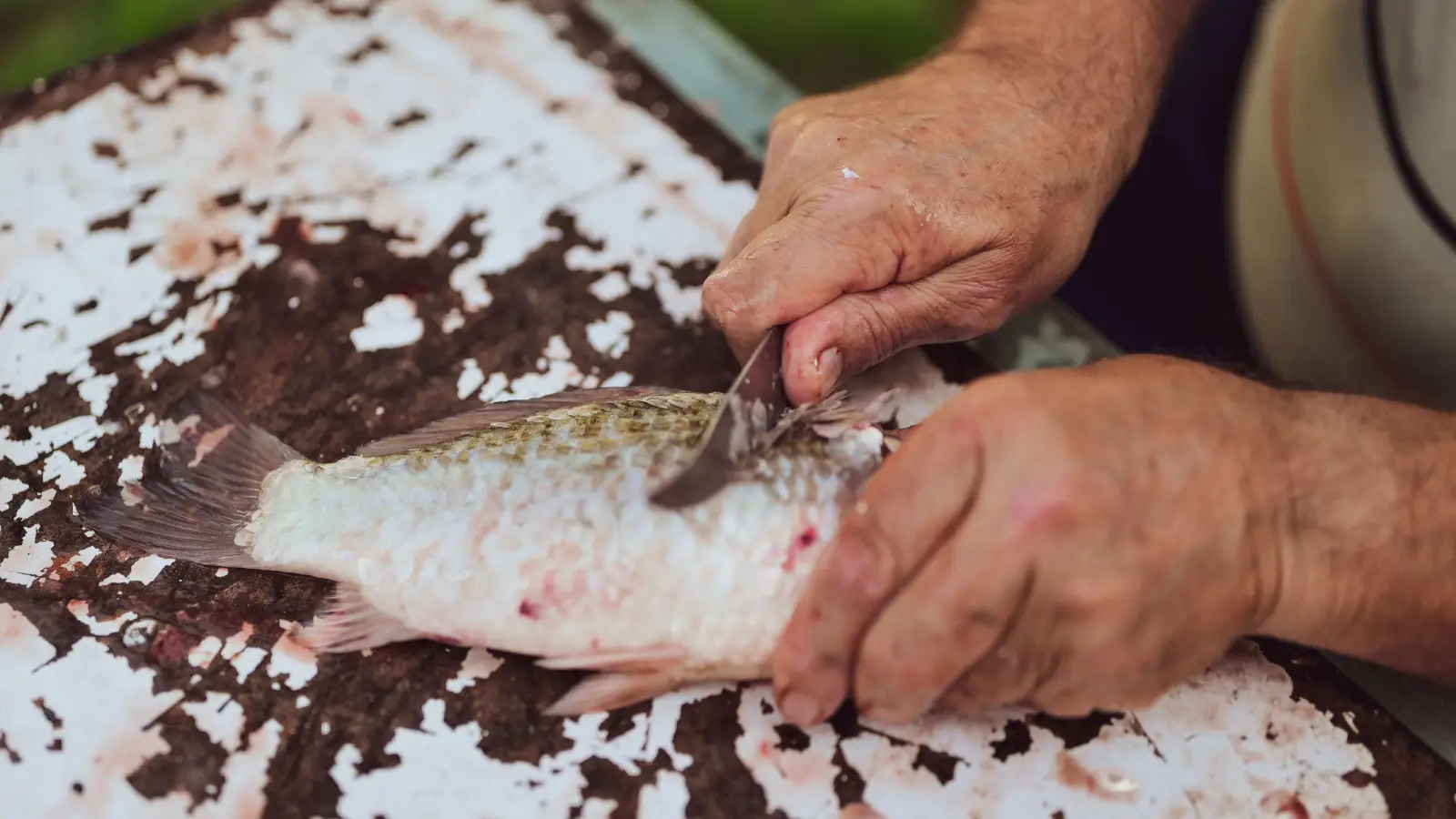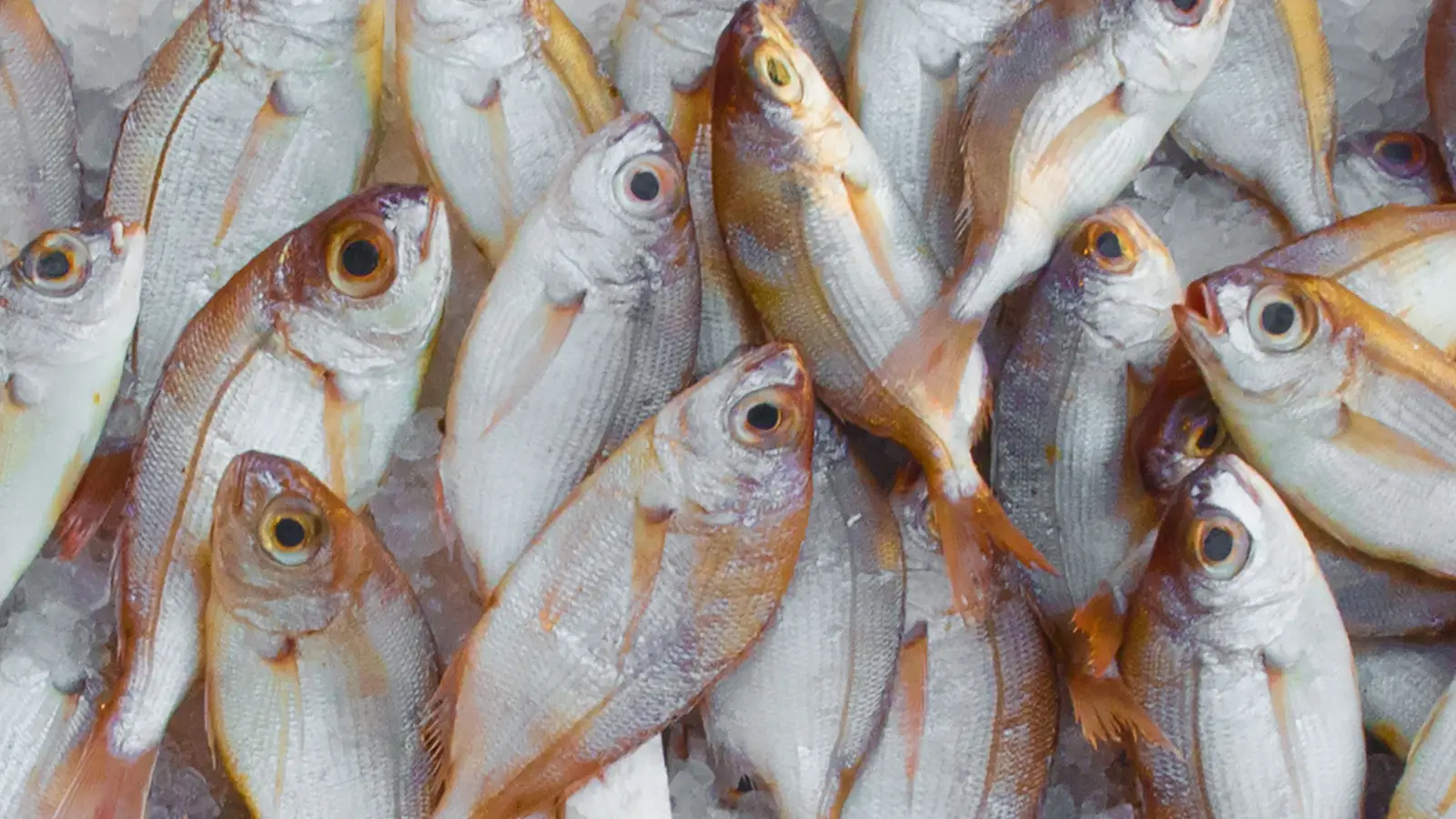
You just pulled a cooler full of speckled trout or snapper out of the boat. Your first thought is to light the charcoal. That instinct is lying to you. Grilling fresh-caught fish—the delicate, white-fleshed stuff you actually caught—is almost always a mistake because the physics of heat transfer punishes thin, lean protein without mercy. The dry, radiant blast of a grill pulls moisture out fast, and what ends up on the plate is a pale, cottony echo of the fish you landed. Steaming, for all its lack of romance, is the technique that actually preserves what made that fish worth eating.
The problem is thermal, not culinary preference. A grill cooks with conduction (metal on flesh) and radiation (infrared from coals), both operating well above 400°F. At those temperatures, water inside the muscle fibers vaporizes almost instantly, shredding the protein structure before it has a chance to set gently. Steaming, by contrast, transfers heat through condensation at a steady 212°F—low, moist, and so even that protein coagulates without tearing. The cult of the grill has spent decades convincing anglers that char equals quality, but for the fish that fill a typical creel, char is just a eulogy for lost moisture.
Heat-Transfer Comparison: Grilling, Steaming, and Pan-Searing at a Glance
| Method | Heat Transfer Mode | Typical Temperature | Moisture Loss | Best For |
|---|---|---|---|---|
| Grilling | Conduction + Radiation | 400–600°F grate surface | High, especially thin fillets | Thick, oily steaks (tuna, salmon, swordfish) |
| Steaming | Convection (moist) | 212°F steam | Minimal, gentle | Delicate white-fleshed fillets (trout, flounder, snapper) |
| Pan-Searing | Conduction (oil-mediated) | 350–450°F pan | Moderate, controllable with butter-basting | Medium-firm fillets with skin (redfish, bass) |
Why Direct-Heat Grilling Dries Out Even the Freshest Catch
A grill grate is essentially a branding iron, and fish fillets are not steaks. The moment a thin fillet meets that metal, surface proteins contract violently and the water trapped between muscle fibers rushes toward the heat. Because the temperature delta is so extreme—often north of 400°F against a 50°F piece of fish—that moisture exits as steam so fast it physically tears the muscle apart. The texture you get isn’t tender flake; it’s dry matting with a charcoal veneer.
Thin fillets make the problem worse. A half-inch flounder has virtually no thermal buffer. The time it takes to develop any meaningful sear on the outside is already enough to overcook the interior by double. Weight loss from evaporation can easily exceed 25% in an unregulated grill. The Maillard reaction that creates the dark crust everyone covets is chemically interesting, but on a freshly caught speckled trout it’s covering up the subtle sweetness and minerality that are the only reasons to eat it fresh in the first place.
There is a carve-out here. Thick, oil-laden steaks—tuna, swordfish, a fat chinook fillet—have the density and intramuscular fat to absorb some of that thermal abuse. Even then, a two-zone fire is non-negotiable, and most of the cooking time should happen on the indirect side. But for the panfish, trout, snapper, walleye, and flounder that make up the bulk of angler hauls, the grill is just an elaborate dehydrator.
Steaming: Where Low, Moist Heat Wins Every Time
Steaming gets dismissed as the boring, health-food option, but that’s cultural not physical. In any tradition that treats fish as a centerpiece ingredient—Chinese, Japanese, Southeast Asian—steaming is the gold standard for freshness. The mechanism matters: steam condenses on the cooler surface of the fish, releasing latent heat directly into the flesh at a constant 212°F. There is no conductive hot spot, no radiative blast, just a gentle, even exchange that leaves muscle fibers intact and moisture locked inside.
Moisture loss in a properly steamed fillet stays below 10%. The fish cooks in the vapor of its own juices, plus whatever aromatics you’ve layered underneath—ginger, scallions, lemongrass, a splash of soy and sesame after the fact. Those flavors amplify the freshness rather than masking it. A grill overwrites the fish; a steamer just turns the volume up on what’s already there.
And then there’s forgiveness. A grill gives you seconds; a steamer gives you a lazy minute or two. A one-inch snapper fillet steamed for 10 minutes comes out translucent and flaky. Leave it for 12 and it’s still edible, still moist. Make the same timing mistake over hot coals and you’re picking at jerky. For anyone who values the effort of catching and cleaning over the drama of fire, steaming is the only method that reliably delivers the fish’s actual flavor.
Pan-Searing: The Middle Ground That Still Has Its Limits
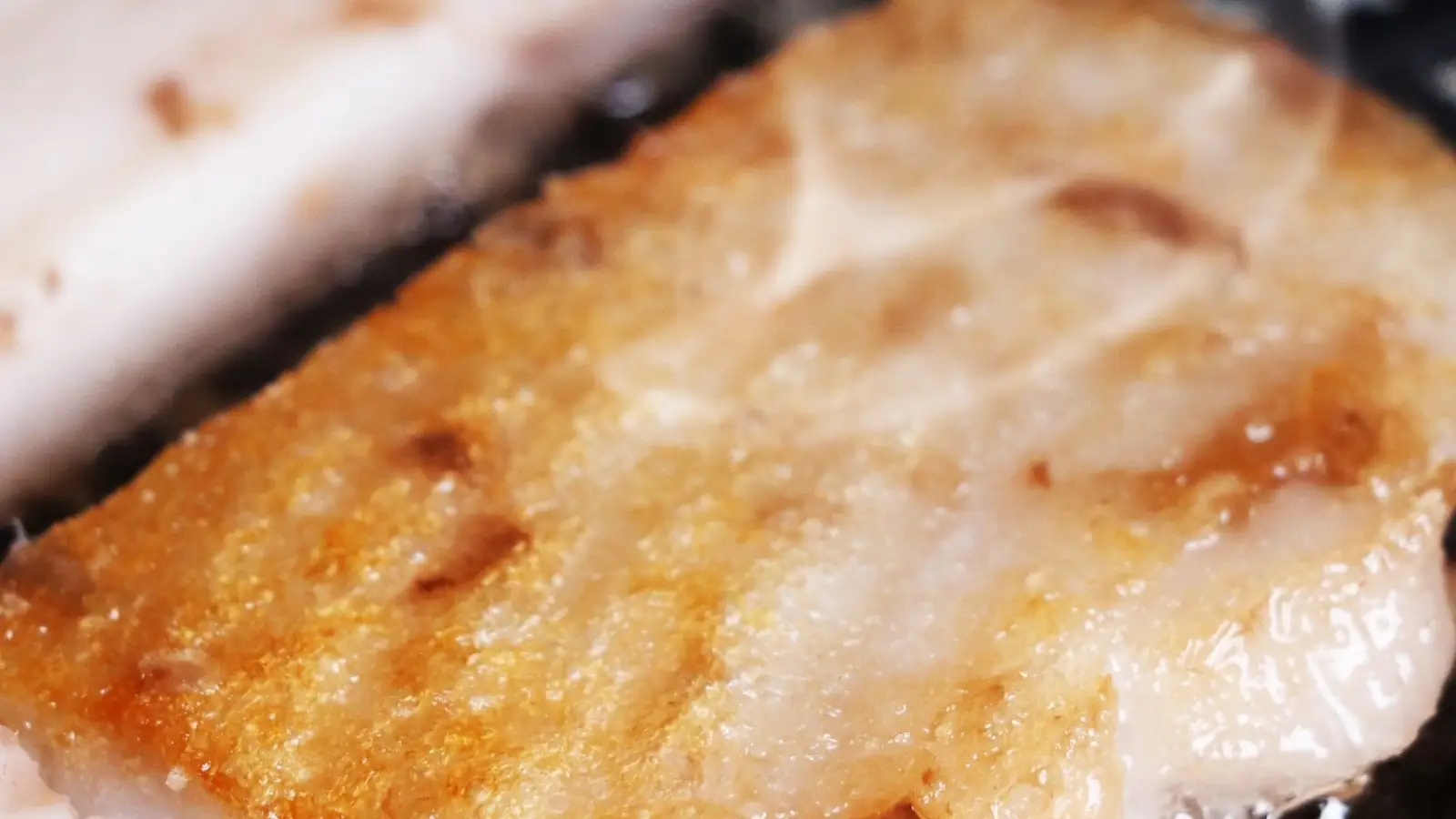
Pan-searing has an honest appeal. A well-oiled pan at 375°F gives you a crisp, golden crust without the full dehydration of a grill grate. The oil evens out hot spots, and a knob of butter with some thyme lets you baste for moisture. For skin-on fillets—redfish, striped bass, pompano—it’s a reliable way to create textural contrast while keeping the flesh tender.
But searing still fundamentally alters flavor through browning. The toasted fats and caramelized proteins coat the palate and can blunt the clean, briny sweetness of a fish that swam that morning. And it requires more attention than steaming: a moment’s distraction and the skin sticks, the crust burns, or the fillet tears when you try to flip it. It’s a capable technique, but it’s not the best technique for the kind of fresh, delicate fish that defines a good day on the water.
What Matters Most: Moisture, Flavor, and Forgiveness
When stripping the argument down to what actually matters for a fresh-caught fish, three factors dominate: how much water stays in the flesh, how true the flavor remains, and how much room for error the method allows.
- Moisture retention: Steaming is the leader by a wide margin. The saturated vapor environment nearly eliminates evaporative loss. Grilling ranks dead last, with thin fillets hemorrhaging moisture within seconds. Pan-searing lands in the middle, with oil acting as a partial shield.
- Flavor fidelity: Steaming preserves the fish’s innate character; you taste the species and the water it came from. Grilling imposes smoke and char that overwhelm mild flesh. Pan-searing introduces pleasant but distracting toasted notes.
- Forgiveness: A steamer’s timing window is generous. A grill’s is razor-thin. Pan-searing sits between, though basting buys some cushion.
Matching the Method to the Fish: Thick Steaks vs. Delicate Fillets
Cooking fresh fish isn’t about loyalty to a technique; it’s about matching the thermal demands of the flesh to the heat source. Let thickness and fat content guide the call.
- Thick, oily steaks (tuna, swordfish, king mackerel, large salmon): These can survive a grill—specifically a two-zone fire with most cooking on the indirect side. Their density and fat buffer moisture loss enough to make char edible without turning the interior to wool. Even so, a hot cast-iron pan often offers better control.
- Medium-firm fillets with skin (redfish, bass, snook): Pan-searing is the natural fit. Oil and butter crisp the skin without desiccating the flesh, and the process is fast and predictable.
- Delicate white-fleshed fillets (trout, flounder, crappie, walleye, sole): Steam them. Always. Their lean, thin structure turns into protein confetti on a grill. Steaming keeps every bit of flavor and moisture intact.
- Whole fish (snapper, branzino, small trout): Stuff with aromatics and steam whole. The skin and bones insulate the flesh from overcooking, and the presentation at the table is as honest as it gets.
FAQ
Can you grill fish without drying it out?
You can reduce the damage. Use thick, fatty cuts only, keep a two-zone fire, oil the grate, and never expose a thin fillet to direct heat. You’ll still lose moisture—just less of it.
What types of fish should never see a grill?
Any lean, flaky, thin-fleshed species: flounder, sole, speckled trout, crappie, walleye, perch. Their fat content is low, their structure delicate, and a grill will turn them into dry, crumbled protein faster than you can carry a plate to the table.
Is steamed fish bland?
Only if you cook it plain with no aromatics. Steaming is a stage, not a finished dish. Ginger, garlic, scallions, soy, sesame oil, or a light broth in the steaming liquid infuse the flesh while keeping it moist. Done right, a steamed fish is the most direct flavor connection to the water you just fished.
How long does it take to steam a fish fillet?
Roughly 8–10 minutes per inch of thickness at the thickest point, starting from when the steaming liquid is at a full boil and the fish is sealed in the steamer. A one-inch snapper fillet is ideal at 9–10 minutes.
The grill has been sold to anglers as a symbol of outdoor cooking, but it betrays most of the fish they actually catch. Thick, fatty steaks can work over coals if you’re careful, but the subtle, fresh-caught fish that fill the cooler deserve better. Steam them. You’ll taste the fish, not the fire.