A fish’s species, size, and oil content determine how it should be cleaned and cooked. That’s it. There’s no mystery beyond those three factors. The system guides rely on—practical, repeatable, and stripped of folklore—takes those variables and plots a straight line from landing to plate. You’ll assess your catch, apply the cleaning technique that suits its profile, then cook it in a way that respects what that fish is.
Which Route Fits Your Catch?
A 4‑pound bluefish, oily and strong‑smelling, demands immediate bleeding. Then the fillets go into a hot pan with lemon. The result: clean flavor, not a fishy aftertaste.
Six 10‑inch yellow perch, lean and mild, need no bleeding. Quick gutting or filleting, a pan‑fry in butter—the fillets flake sweet and tender.
An 8‑pound whole salmon, fatty but fresh‑tasting, gets a clean fillet with skin intact. Indirect grilling with light smoke makes moist, restaurant‑quality slabs.
A stringer of mixed panfish—bluegill, crappie, pumpkinseed—calls for efficient filleting, a dredge in cornmeal, and a fast trip through hot oil. Crisp, sweet, bone‑free.
Assess the Catch: Species, Size, Oil
Before the knife touches anything, look at three things. Species dictates texture and fat distribution. Size controls cook time and thickness. Oil content is the biggest factor for flavor and cooking method.
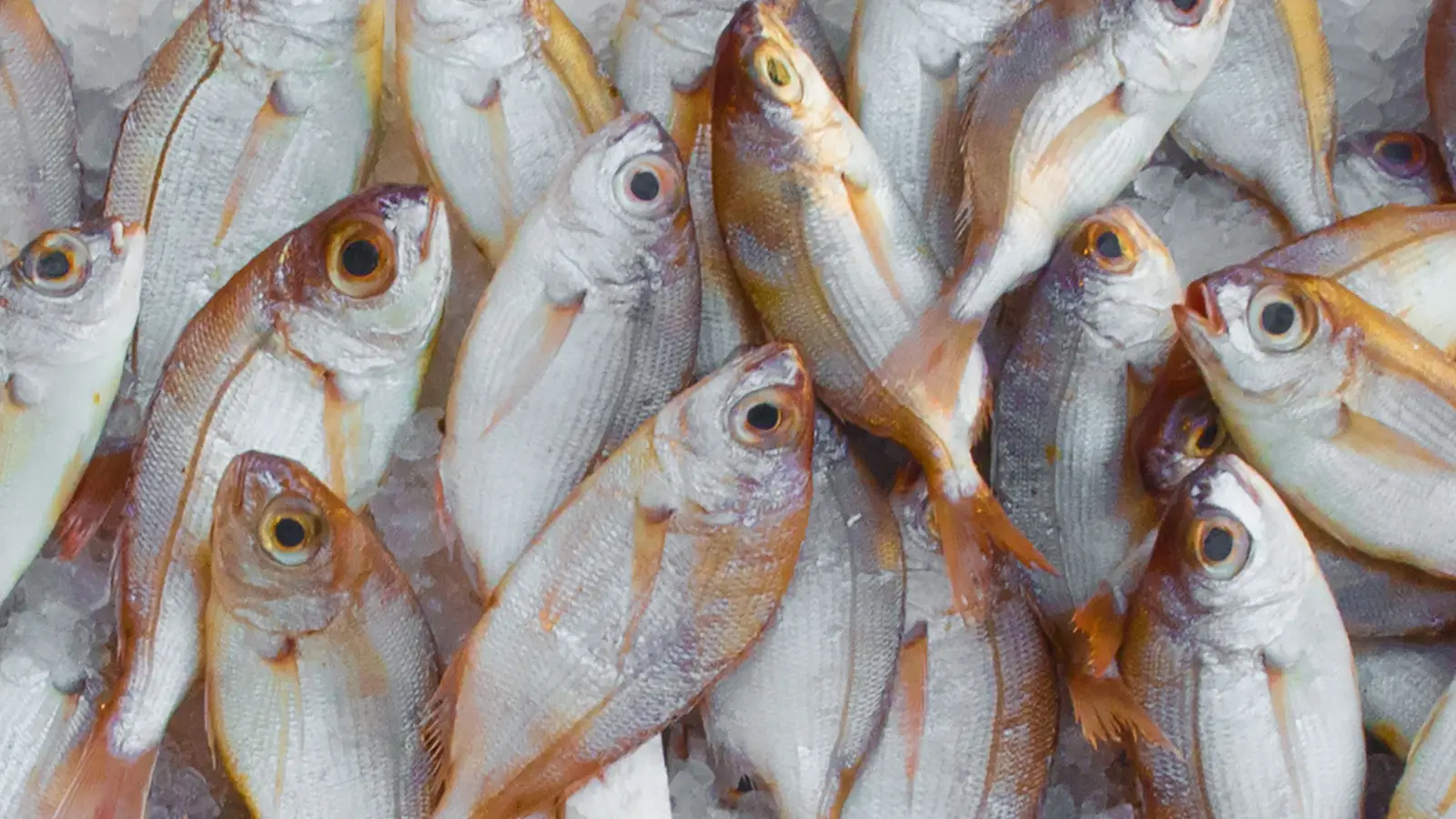
Dark, reddish‑brown meat along the lateral line means high oil: mackerel, bluefish, salmon. White or translucent flesh—perch, walleye, cod—is lean. Trout and char fall in the middle, with a pale pink tint. The smell also gives it away: oily fish carry a cucumber‑like note, lean fish smell nearly neutral.
Size isn’t just a number. A thick, 10‑pound salmon takes minutes to heat through; a thin crappie fillet overcooks in seconds. Match the approach to the actual dimensions.
Ready to move on: The fish lands in one of three oil categories, and you know whether bleeding is required.
Apply the Cleaning That Fits
Bleeding
Bleeding is mandatory for high‑oil species. Blood left in the flesh turns rancid quickly and tastes muddy. Cut the gills or the throat artery immediately after landing, then hold the fish head‑down in a bucket of water. A few minutes of this pulls most of the blood out. The flesh firms up as a side benefit. For medium‑oil fish like trout, bleeding improves the final flavor but isn’t strictly necessary if you’ll cook within a couple of hours—though most guides do it anyway.
Gutting
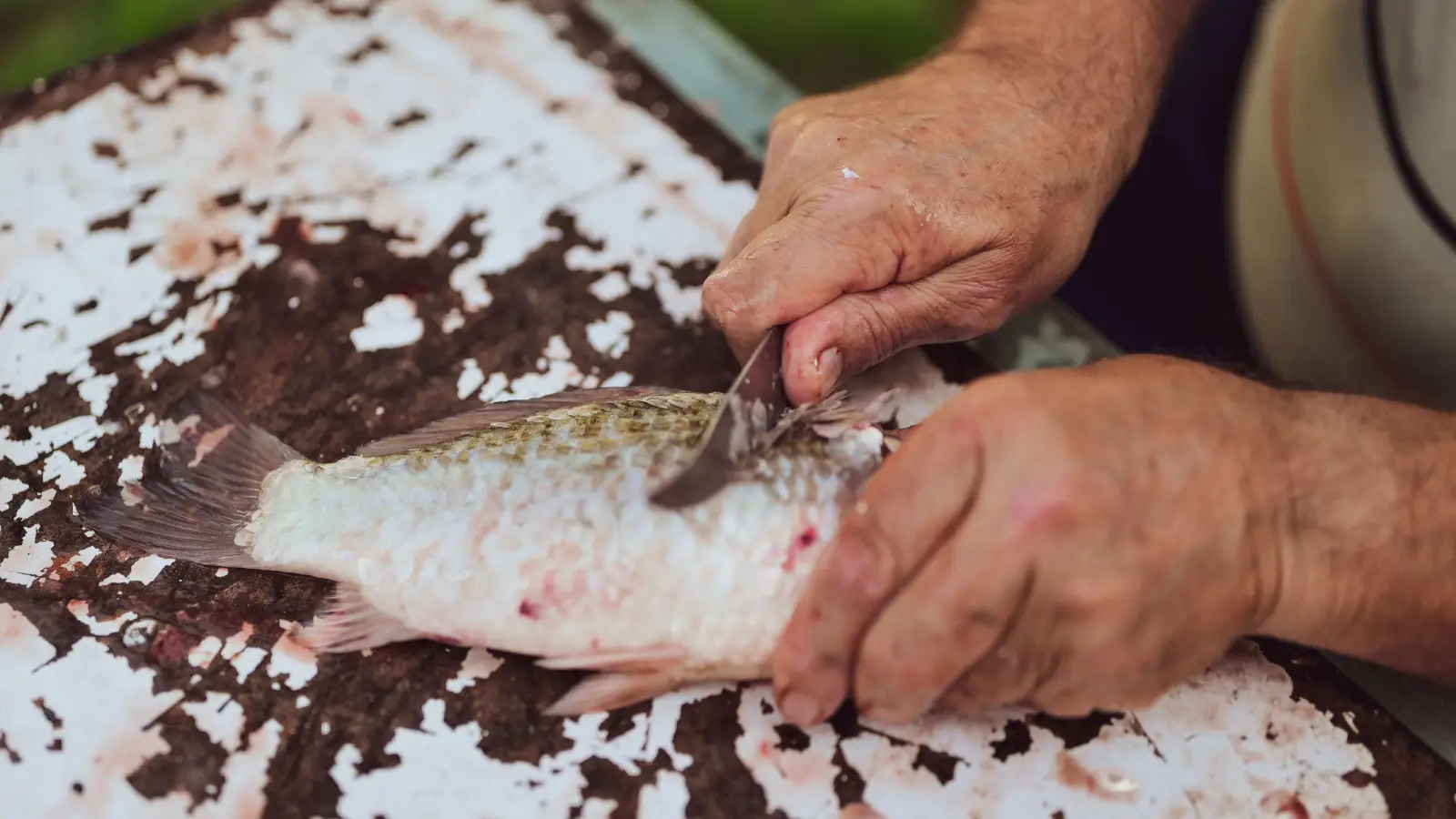
Gutting removes the organs, the part that spoils fastest. For small panfish or trout destined to be cooked whole (steamed, baked, or grilled), gutting is enough. Slice from the vent to the gills, scoop out the guts, scrape the bloodline along the spine, and rinse. Cooking gutted fish whole keeps the meat moist and the bones intact—you pick them out at the table.
Filleting
Filleting produces boneless portions. It’s the correct choice for larger fish you’ll serve as individual fillets, and for anything headed to the deep fryer. Use a stiff, sharp fillet knife; follow the rib cage; pull pin bones with tweezers. Bleed high‑oil fish first, then fillet. With lean, mid‑sized fish, filleting often saves time over gutting because you bypass cleaning the cavity.
Ready to move on: No blood, guts, or loose scales remain, and you have a whole gutted fish or a fillet that matches your intended cooking method.
Prepare the Fish for Heat
Dry Every Surface
Crisp skin and proper browning need a dry exterior. Pat the fish with paper towels until the flesh feels tacky, then season.
Decide on Skin
Leave skin on for grilling—it insulates the meat and prevents sticking. For pan‑frying lean fish like perch, many cooks remove it because the skin can become chewy. Salmon and trout: skin‑on, start in a hot, oiled pan and don’t move the fillet until it releases on its own.
Season Simply
Salt, pepper, sometimes a flour or cornmeal dusting. Oily fish responds well to a little acid before cooking—lemon zest or a splash of vinegar brightens the flavor without masking it.
Position for Even Cooking
Baking? Rack over a sheet pan. Steaming a whole fish? Parchment or foil with aromatics. Even heat is non‑negotiable.
Ready to move on: The fish is dry, seasoned, and seated in the pan, on the grill, or in the oven with the correct surface interaction.
Cook the Fish the Way It Wants to Be Cooked
Lean, Flaky Species (Perch, Crappie, Walleye, Cod)
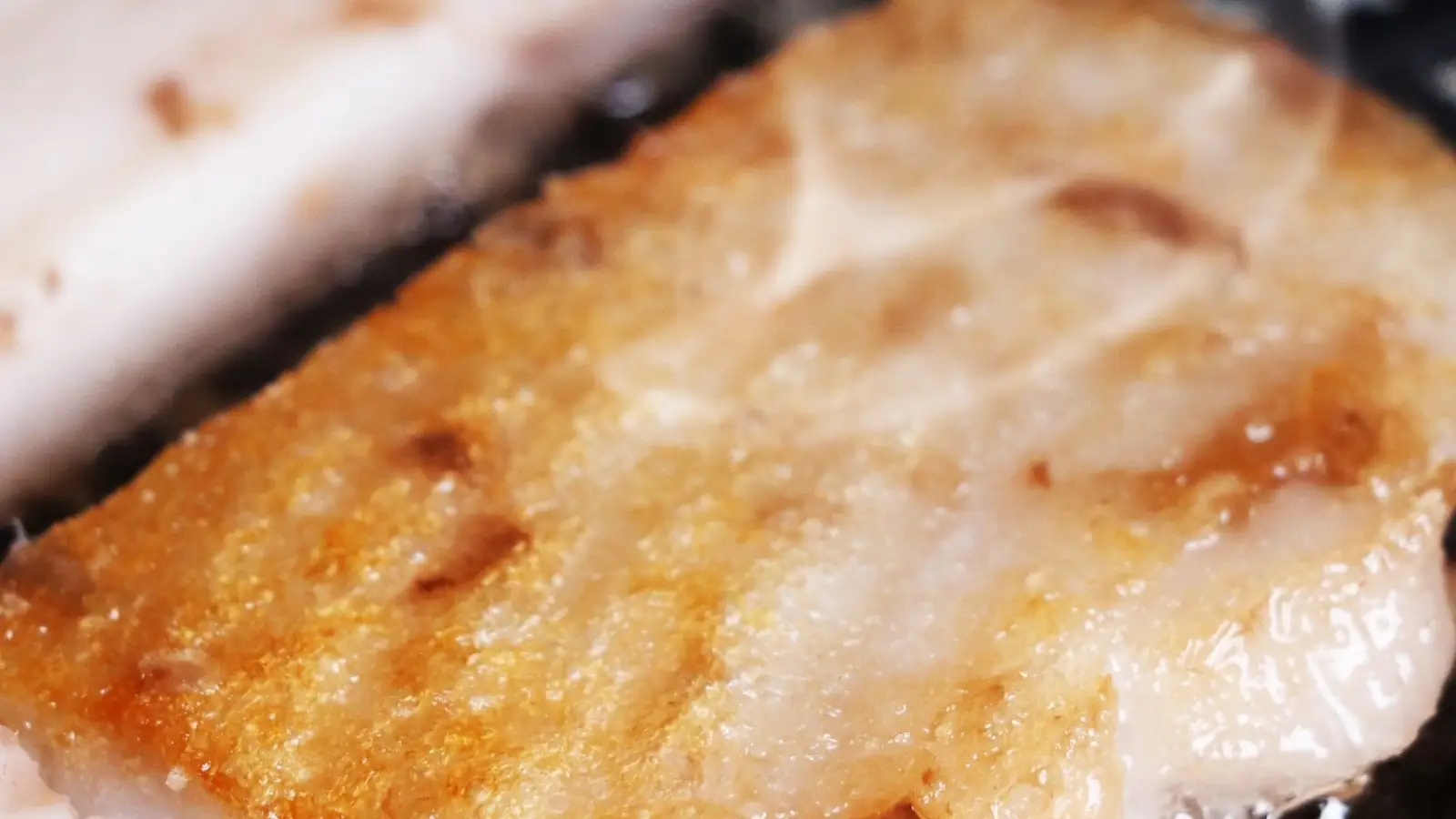
Pan‑frying is the most reliable method. A hot skillet, butter or neutral oil, and a quick flip—3 to 4 minutes. Deep‑frying works equally well with a light batter at 350°F. Grilling lean fish tends to cause breakage; use a basket or foil packet if you must.
Medium‑Oil Species (Trout, Char, Salmon, Whitefish)
These accept almost any method. Grilling indirect, skin‑down, produces smoky, moist flesh. Pan‑frying skin‑on delivers crisp skin. Baking at 325°F with butter yields a silky texture. Steaming whole trout in foil over coals is a guide classic—the steam holds moisture and flavor in place.
High‑Oil, Strong‑Flavored Species (Bluefish, Mackerel, Sardines)
Avoid baking; it concentrates the fishy oils. Pan‑frying over high heat with lemon‑caper sauce transforms the flavor. Grilling works if you keep the heat moderate and baste with something acidic. Smoking is ideal but requires a smoker and time—worth it if you have the setup.
Ready to move on: The fillet flakes under gentle pressure, the interior is opaque and just cooked through (145°F internal), and the taste is clean.
When You Know It’s Time for the Next Step
- The fish is sorted into lean, medium, or high oil and you’ve decided whether to bleed.
- The fish is bled (if needed), gutted, or filleted—no blood, innards, loose scales.
- You have a dry, seasoned piece of fish set up correctly for its cooking method.
- Cooked fish flakes easily, flesh is opaque, flavor matches the species’ best.
Worries to Set Aside for Now
Knife Sharpening Precision
You need a sharp knife, not a perfect edge. Factory‑sharp fillet knives and a honing rod handle most home jobs. Only when you’re cleaning dozens of fish a day does fine‑stone sharpening earn its time.
Identifying Every Subspecies
You don’t need to tell a creek chub from a fallfish. Know the half‑dozen common table species you actually catch. The oil‑content rule covers the rest.
Making Fish Stock
Fish stock is valuable, but it’s not the priority on cleaning day. Gather heads and bones in the freezer; once you have a good supply, then simmer a batch.
Complex Marinades and Rubs
A delicate fillet doesn’t need a 12‑ingredient marinade. Learn to cook fish with salt and heat first. That’s the baseline. Add flavors later.
Fancy Presentation
Presentation matters when guests arrive, not when you’re learning to not overcook the fish. Nail the cook first.
Quick Answers to Frequent Questions
Do I always need to bleed a fish?
No. Only high‑oil species—bluefish, mackerel, tuna—require it because their blood strongly affects flavor. Lean and medium‑oil fish like perch or trout are fine without, though a quick bleed never hurts.
What’s the best way to remove pin bones?
Use flat‑tipped kitchen tweezers. Feel along the fillet to locate the bones, grip the tip of each, and pull toward the head. Work methodically down the lateral line.
Can I pan‑fry any fish?
Yes, but the technique changes. Lean fish need high heat and a quick cook; a light flour dusting protects the delicate flesh. Oily fish do well with a high‑heat sear and an acidic finish.
How can I tell when fish is cooked without a thermometer?
The flesh becomes opaque and flakes easily with a fork. For whole fish, the eyes turn white and the fins come out with a gentle tug. Pull it from heat the instant the translucency disappears.
What It Looks Like When You Get It Right
The fillet gives under gentle pressure, the first taste is clean and rich—and that came from matching the cleaning and cooking to the fish in your hand. For the most common starting point, an angler with a mixed bag of panfish, the very first thing to do: gut or fillet quickly, pat dry, and get a hot skillet going.