Anglers who cook fresh catch at camp or on the grill count on two recipes to deliver fish that is crisp on the outside, moist inside: pan-fried trout with brown butter and capers, and grilled redfish on the half shell. What makes both work is a simple practical fact — the fish’s own skin and scales seal in moisture while you build a deeply savoury crust. No dry fillets, no burned edges, just what a good fish dinner should be.
Preparing Your Kitchen and Fish: What You’ll Need
Both recipes lean on a few basic tools and a little fish-handling know-how. Collect these before you light the stove or fire.
- For the trout: 4 skin-on trout fillets (6–8 oz each, pin bones removed), paper towels, fine sea salt, black pepper, all-purpose flour (for dusting), 4 tablespoons unsalted butter, 2 tablespoons capers (rinsed), 1 lemon (juice and zest), 2 tablespoons olive oil or clarified butter for the pan.
- For the redfish: 2 redfish half-shell fillets (12–16 oz each, skin and scales intact, pin bones removed), coarse salt, cracked pepper, olive oil, and a grill. The “half shell” simply means one whole side of the fish, with the rib bones and scales left on.
- Tools: A heavy skillet (cast iron is best), a flat fish spatula, a sharp fillet knife, kitchen tongs, and an instant-read thermometer. For grilling, a charcoal or gas grill with a lid.
- Skill check: You should know how to check for pin bones by running a fingertip over the fillet and pulling them out with pliers. No licence or permit is required beyond the usual fishing licence to catch the fish.
Two Recipes That Lock in Moisture: Step-by-Step
1. Start with Trout: Dry the Fillets Thoroughly
Pat the trout fillets with paper towels until the surface feels dry to the touch — no beads of moisture. Any dampness turns to steam in the pan, and steam kills crisp skin. Let the fillets sit on a clean plate at room temperature for about 10 minutes; this helps the fish cook more evenly.
2. Score the Skin and Season
If the trout skin is thick (more than a sixteenth of an inch or so), slice a few shallow diagonal cuts through the skin only. This keeps the fillet from curling up on itself. Season both sides with salt and pepper, then dust the flesh side lightly with flour. That thin coat of flour helps the brown butter sauce cling later.
3. Heat the Pan to Just Under Smoking
Add olive oil or clarified butter to the skillet and set it over medium-high heat. Watch for the oil to shimmer and start to ripple. A small drop of water should sizzle and vanish instantly. If the pan isn’t hot enough, the skin will stick and tear. It pays to be patient here.
4. Press the Fish Skin-Side Down and Don’t Touch It
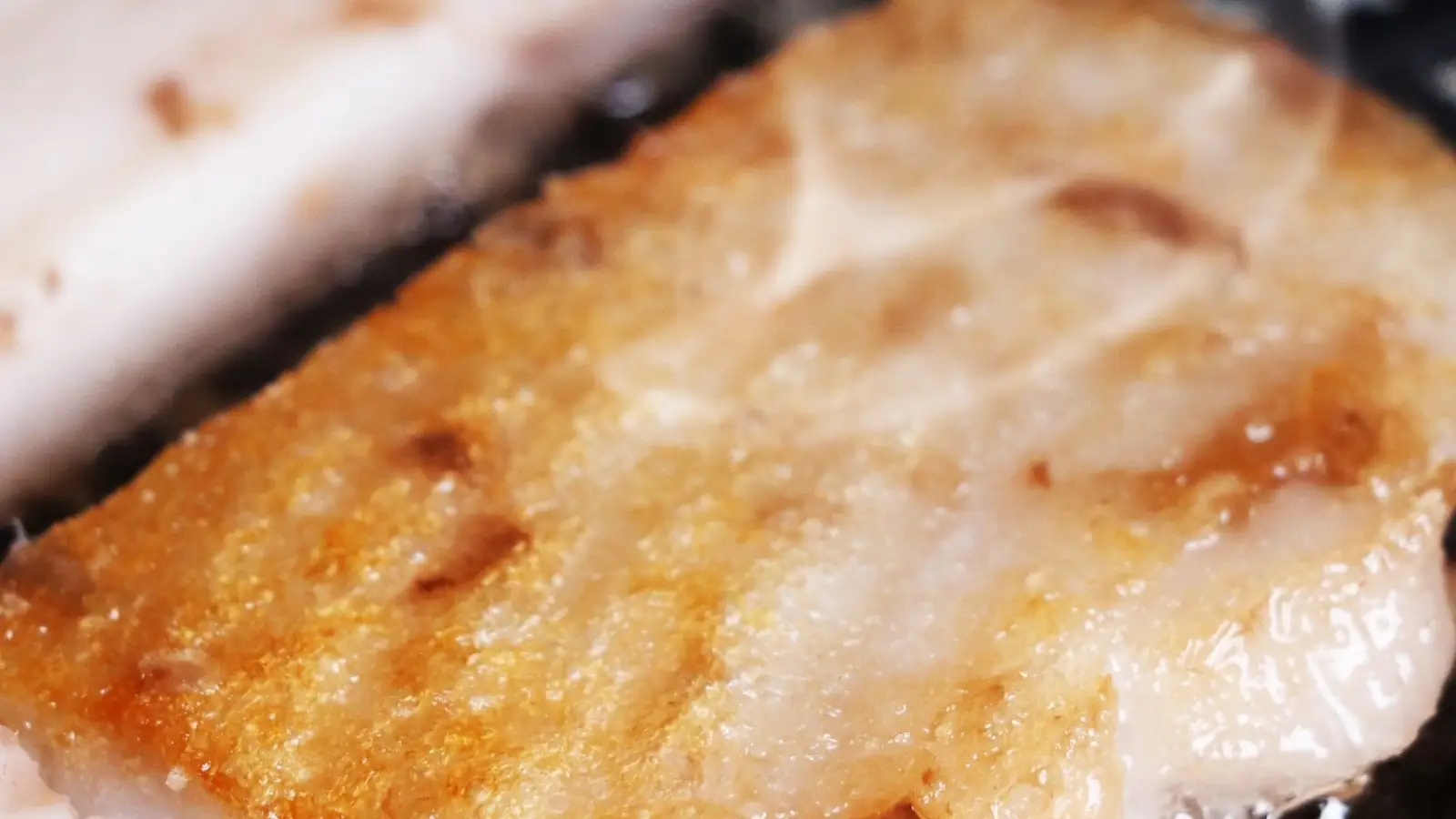
Lay the fillets into the pan skin-side down, placing them away from you to avoid hot splatters. Press each fillet gently with the spatula for 10 to 15 seconds so the skin makes full contact with the metal. Then let it cook untouched for 4 to 5 minutes, until the skin is deep gold and releases without effort. The urge to peek is strong, but moving the fish early always tears the skin.
5. Flip and Build the Brown Butter Sauce
When the skin is crisp and releases easily, flip the fillets. Add the butter to the pan right away. Tilt the skillet slightly and spoon the foaming butter over the fish. The flesh side needs only about 2 minutes more. Keep an eye on the butter — it will shift from yellow to light brown and give off a nutty smell. Once it hits that stage, it’s done; seconds longer and it can burn.
6. Add Capers at the End
Pull the pan off the heat and scatter the rinsed capers and lemon zest into the sauce. Squeeze fresh lemon juice over the fish. The salty pop of capers cuts through the richness of the butter. Serve the fillets immediately, spooning extra browned butter over each portion.
7. Prepare the Redfish Half Shell: Leave the Scales On
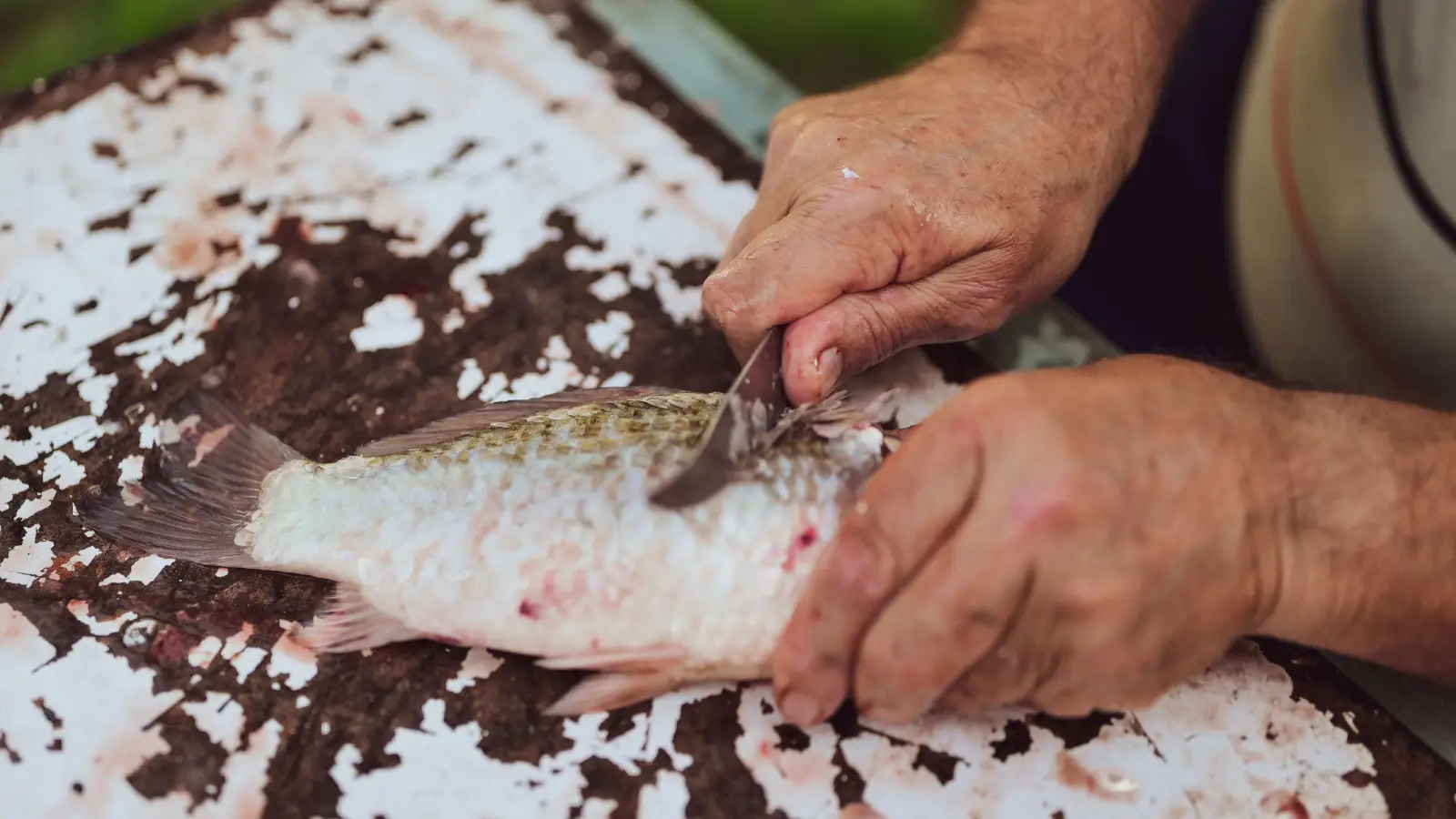
Rinse the half-shell fillet and pat it dry — but never remove the scales. The scales form a protective barrier between the intense heat and the delicate flesh beneath. Use a fillet knife to scrape away any remaining blood line or membrane, and run your finger along the flesh to double-check for stray pin bones. The scales face down, the flesh faces up.
8. Season the Exposed Flesh
Brush the flesh side with olive oil and season generously with coarse salt and cracked pepper. Do not oil the scale side. The dry scales will char slightly on the grill and release cleanly later, without sticking.
9. Set Up a Two-Zone Grill for Indirect Heat
For charcoal, bank the hot coals to one side. For gas, light one burner on high and leave the other off. You want a direct-heat zone reaching about 450°F and an indirect zone around 300°F. Close the lid and let the grill stabilize for 10 minutes. This two-zone setup is not a minor detail — it’s what keeps the scales from melting and the flesh from overcooking.
10. Place the Fish Scales Down Over Unheated Zone
Set the half-shell fillet on the unheated side of the grill, scales touching the grate. The indirect heat will cook the fish gently, while the scales act as a shield against any flare-ups. Close the lid and grill for 15 to 20 minutes. There is no need to flip the fish at all.
11. Check Doneness and Remove Without Destroying the Skin
Check the thickest part of the fillet with an instant-read thermometer — 130°F gives you flaky, juicy flesh. The scales will look blackened and crisp. Slide a fish spatula between the scales and the grate and lift the whole fillet in one motion. The cooked flesh slides right off the scale layer onto a platter.
Soggy Fish and Burnt Butter: Mistakes Anglers Often Make
The Urge to Move the Fish Too Early
Trout skin that isn’t ready sticks hard and tears in pieces. The skin will release on its own once it’s browned and crisp. Test the very edge with a thin spatula; if you feel any resistance, stop and give it another 30 seconds.
Cooking with Damp Skin
Even after a thorough toweling, fish can sweat. If the pan isn’t ripping hot or the skin holds any moisture, steam forms and the crisp texture is gone. A last pat with a paper towel right before the fillet hits the pan makes all the difference.
Grilling a Scaled Fish Without Indirect Heat
Putting a half-shell fillet directly over flames melts the protective scales and scorches the meat underneath. Always place the fish over the unheated zone and keep the lid closed. The finished scales should look like a charred shield — not a burnt one.
Overcooking the Trout While the Butter Bubbles
Once the fillet flips, the butter sauce comes together in under a minute. If you step away to find a plate, the butter can cross from nutty brown to bitter black in seconds. Have everything — capers, lemon, plates — lined up before you ever flip the fish.
Now you have two solid methods that use the fish’s own skin and scales to lock in moisture and build a deeply satisfying meal from a fresh catch. Next time you reel in a trout or redfish, try the method you haven’t used yet — or apply the half-shell technique to snapper or other firm-fleshed fish with tough scales. The same principle holds: keep the natural armor intact and the heat gentle.