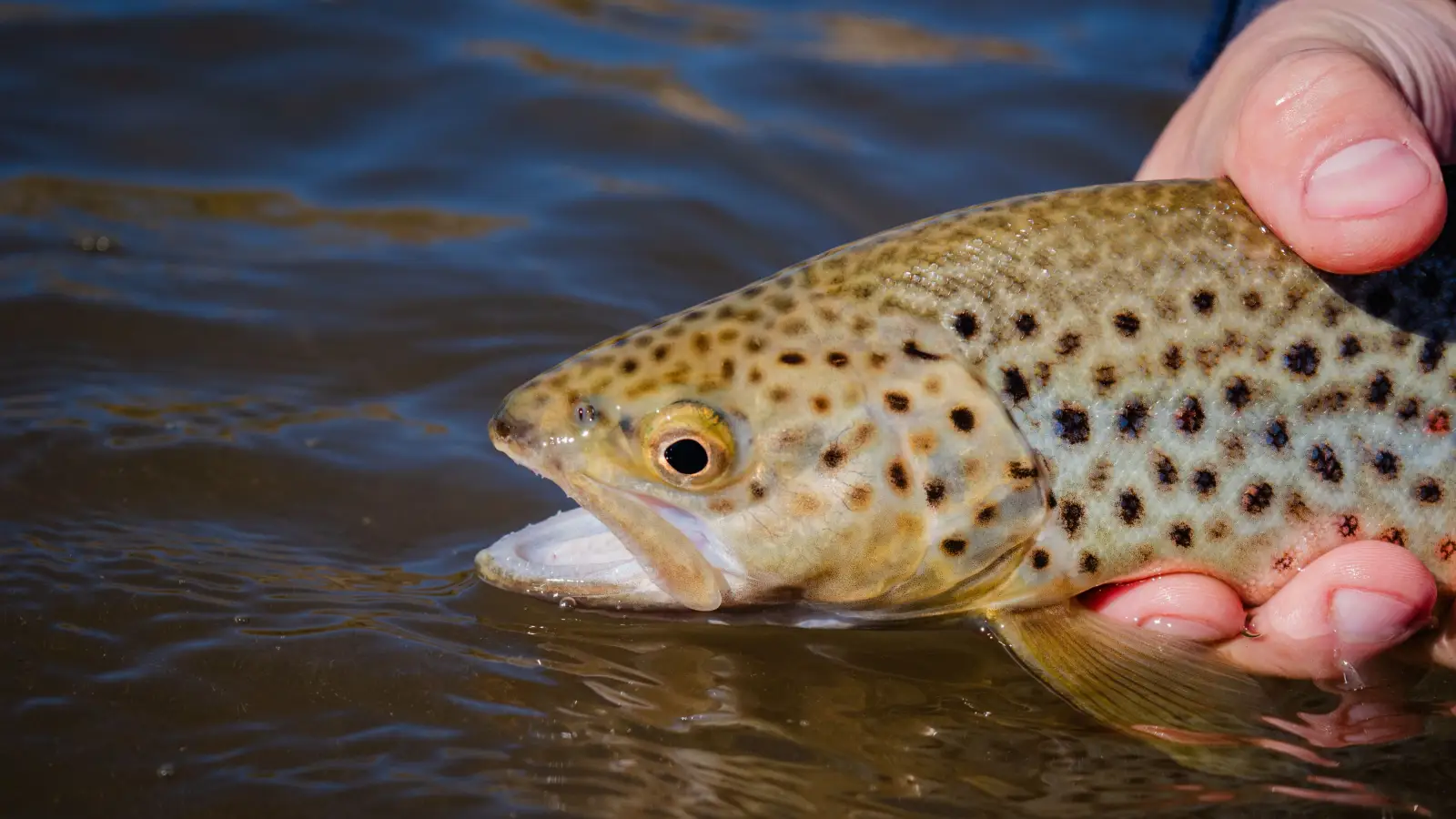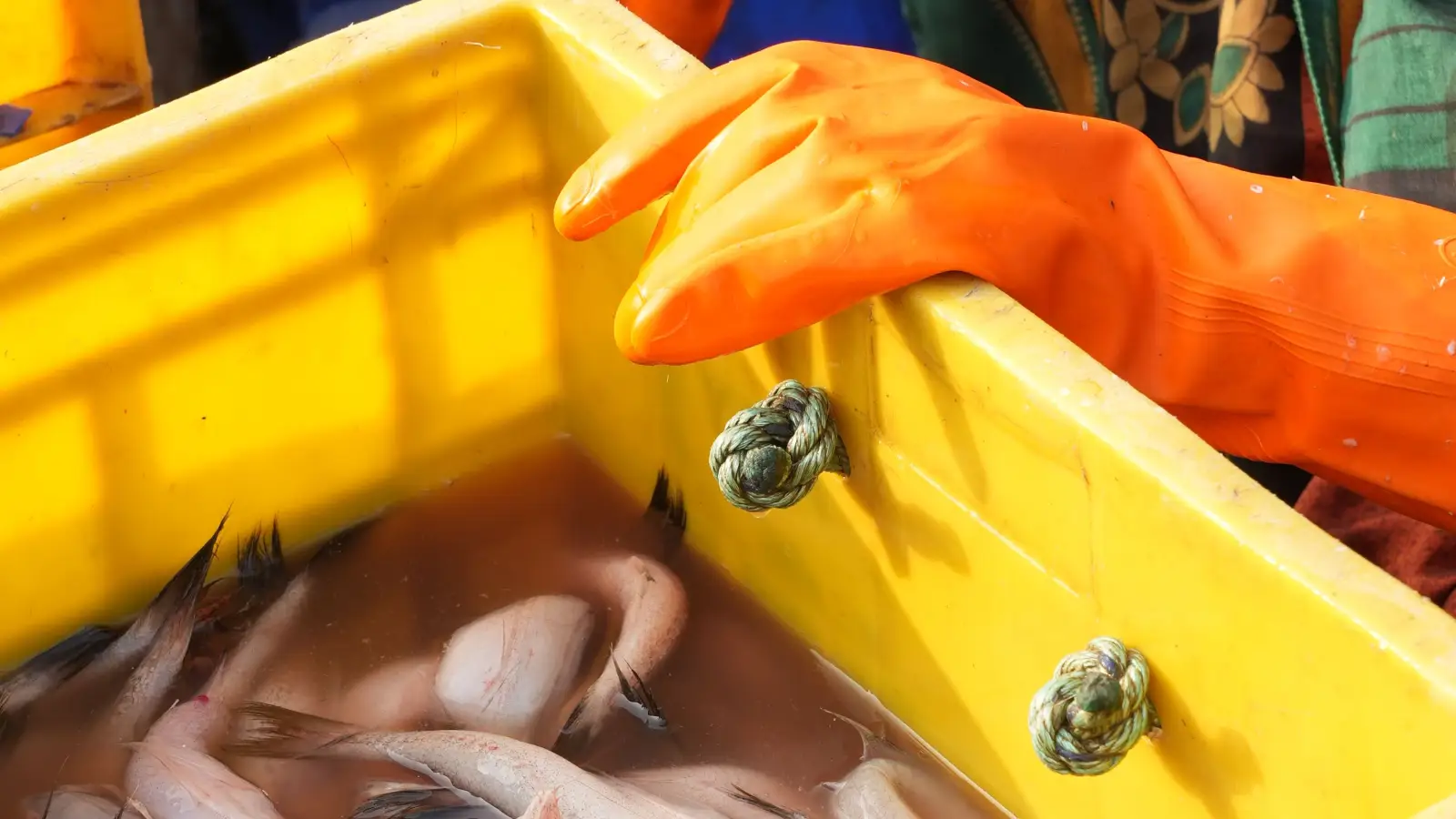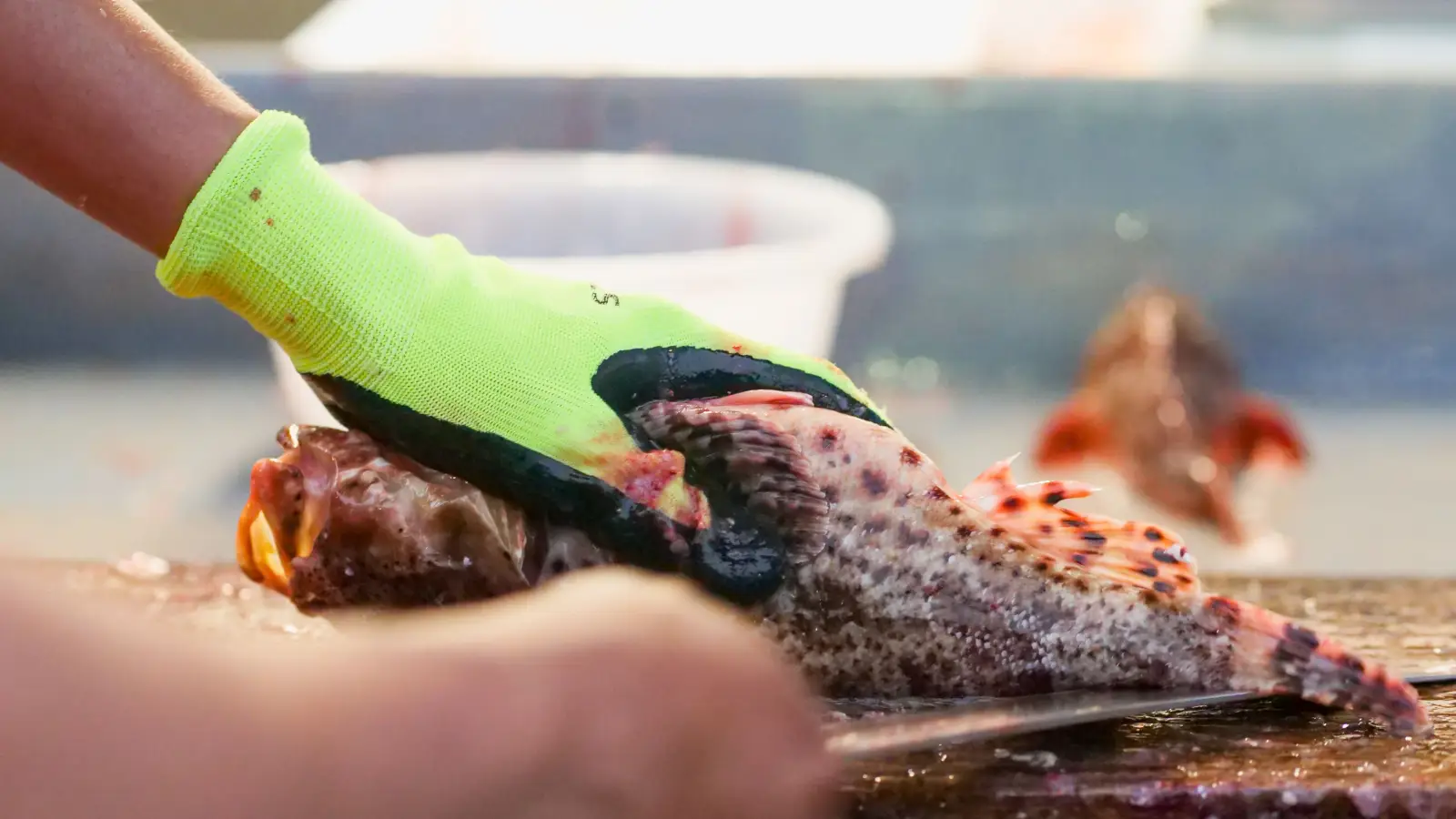
You have about three minutes from the moment a fish hits the deck to bleed it and submerge it in a saltwater ice slurry. Wait longer and the meat degrades—lactic acid builds, blood soaks into muscle fibers, enzymes soften texture. The process is straightforward: cut the gills or throat, then get the fish into the coldest slurry you can make, fast.
Gear You Need to Bleed and Chill Fish in a Hurry
No specialty kit required. Stay lean:
- Sharp, thin-bladed knife – a flexible boning or fillet knife cuts clean without tearing.
- Insulated cooler or bucket – big enough to hold all the fish you’ll catch plus a generous slurry layer.
- Ice – at least a pound of ice per pound of fish, more if it’s hot.
- Salt – kosher or rock salt. Table salt with additives will cloud the water and won’t work as well.
- Separate bleed bucket (optional) – some anglers bleed fish over a dedicated bucket to keep the slurry tidy.
- Lip gripper or net – controls fish instantly, prevents bruising.
- Gloves – protect hands from teeth and fins while you work.
Mix the slurry before the first cast: two parts ice, one part water, then salt until it tastes like seawater. The salt drops the melt temperature into the high 20s, chilling fish nearly twice as fast as plain ice.
The Bleed-and-Chill Sequence That Locks In Quality
1. Get Control of the Fish as Soon as It Hits the Deck
A thrashing fish on a hot deck heats itself and bruises flesh. Use a lip gripper or net right away; keep the fish off sun-cooked surfaces. Gloves help with toothy species. Every second spent fighting a fish on deck is time the 3-minute window closes.
2. Make the Bleeding Cut Before You Do Anything Else
For bass, redfish, snapper, walleye, and most inshore fish—cut across the gill arches right behind the gill plate. You’ll sever a dense web of vessels; blood will pour. Alternatively, cut the throat latch where the gills meet. For tuna and mackerel, cut the arteries behind the pectoral fin. Expect heavy flow immediately.
Why it matters: Blood left in the fillet oxidizes, turning metallic and liver-like. Removing it now gives cleaner flavor and longer fridge life.
3. Submerge the Fish in a Saltwater Ice Slurry Immediately
Have the slurry ready. Once the bleed slows—30–60 seconds—transfer the fish into the slurry. No rinse, no pause. The super-chilled saltwater pulls core heat far faster than air or plain ice. If you used a separate bleed bucket, move the fish straight into the slurry. This step closes the 3-minute window.
4. Keep the Fish in the Slurry Until You’re Ready to Fillet
Leave the fish at least an hour, long enough for rigor mortis to pass. A fish that goes through rigor on ice is firmer and easier to fillet. If gutting first, do it quickly inside the slurry or just before filleting; leaving guts in a properly iced fish for a few hours won’t ruin it, but gutting before long holds is cleaner. Top off ice to keep everything submerged and cold.
Where the 3-Minute Window Usually Gets Blown
Leaving Fish in the Livewell or On the Deck Until You’re Done Fishing
The clock starts the second the fish leaves the water. Ten minutes on a warm deck lets enzymes and bacteria take over. That fillet will never match one iced instantly.
Using Plain Ice or Just an Icy Slush
Fresh meltwater sits at 32°F and cools slowly. A saltwater slurry drops into the high 20s, moving heat out of the fish roughly twice as fast. Without salt, you give up half your window.
Cutting Too Far Back Into the Belly
A cut into the body cavity spills gut contents and bacteria into the meat. Stay forward—the bleeding vessels sit behind the gills, not inside the belly.
Skipping Bleed Because You’re in a Hurry
A quick ice bath won’t save flavor. Blood trapped in muscle oxidizes fast, leaving a strong, unpleasant taste and dark spots. Bleeding is non-negotiable for table-worthy fillets.
Overloading the Cooler
Stacking fish without enough ice creates warm pockets and slows the chill. Use a bigger cooler than you think you need, and keep ice mounded above the fish.
Quick Answers to the Most Common Bleeding-and-Chilling Questions
Do I really need to bleed every species?
Yes, if you’re eating it. Delicate white fish like flounder gain less, but bleeding always boosts flavor, texture, and shelf life.
What if I can’t get salt for the slurry right away?
Use plain ice and a lot of it. But on the next trip, keep rock salt on the boat—it’s the cheapest, highest-impact upgrade you can make.
How long is too long to leave a fish in the slurry?
A correctly iced fish can stay 24 hours with fresh ice. Longer than that, flesh can waterlog. Gutting before extended holding helps.
Can I bleed a fish by cutting the tail?
Tail cuts work for some tuna applications but are unreliable for most inshore species. Stick with gill or throat cuts—faster, more consistent, drains more blood.
Will bleeding affect the way I fillet the fish?
No. Flesh is firmer and there’s less blood on the board, making the work easier.
Your Next Catch Deserves the 3-Minute Routine
You’ve got a repeatable process: control, bleed, slurry, wait. That short chain turns an ordinary catch into restaurant-grade fillets. Time yourself next trip—by the third fish, it’s automatic. Ready to cut? Our filleting guide gives exact cuts for popular species. Or lock in that quality for months with a vacuum sealing walkthrough.