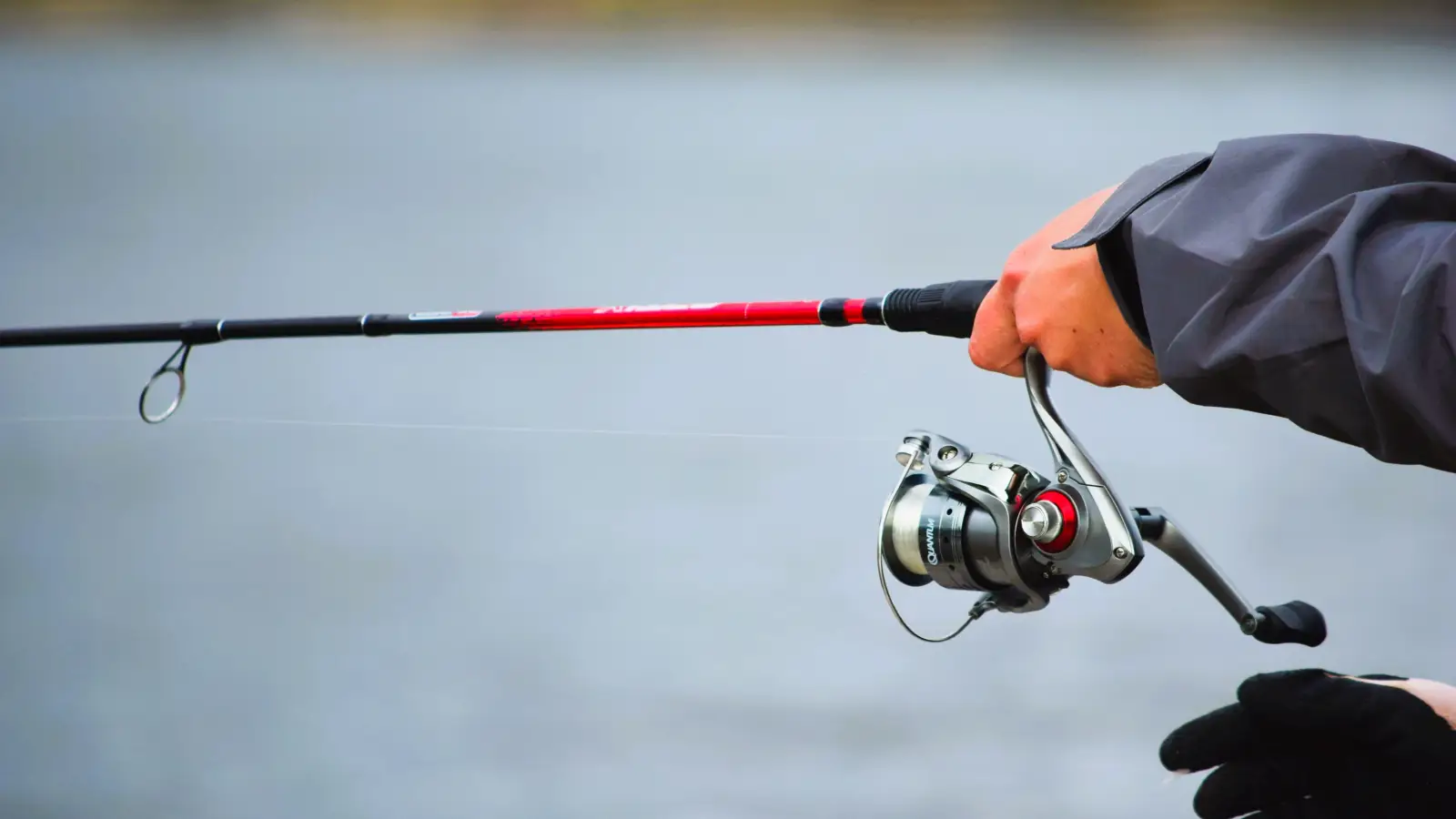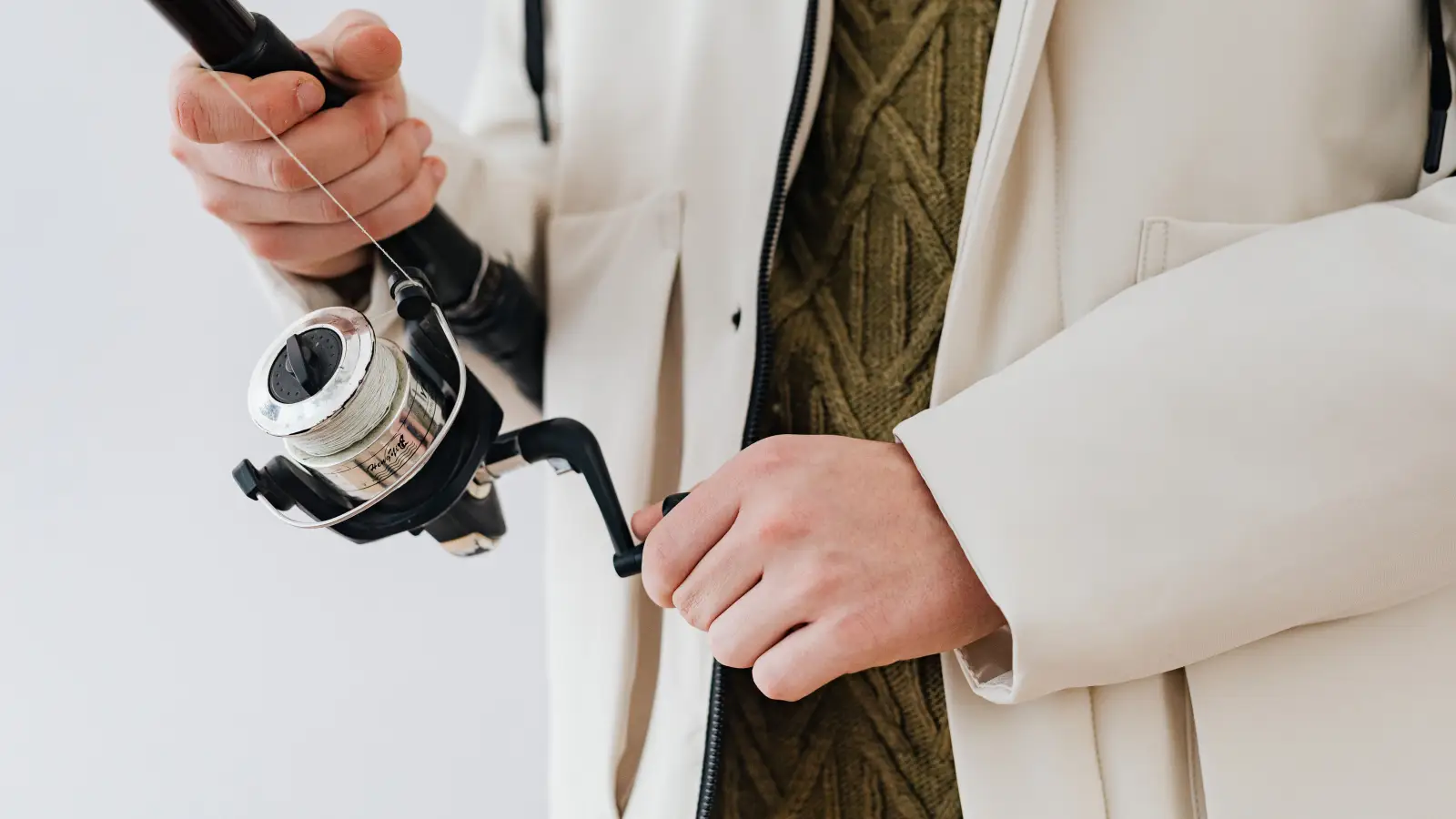
Wind knots don't come from bad line. They come from a split-second loss of tension when the bail closes, or the bail closing a fraction of a second too soon. Swapping lines won't fix a timing problem. The cause is in how you cast alone.
A wind knot always starts as a small loop that wraps around itself. That loop forms the moment slack enters the system while tension is being applied. Line memory gets blamed for this constantly, but a bail that closes at the wrong instant and a rod tip that drops too early are the real offenders. Get the timing right, and the line barely matters.
Which Cast Symptom Matches Your Tangle?
Find the pattern that matches your trouble. Each points to a specific timing error.
- Knot appears at the spool lip in a tight wad after the cast. Line pools right beside the reel, sometimes wrapping the bail roller.
- Tangle wraps around the first guide (the large guide nearest the reel) or the guide frame.
- Loop tightens several feet out in the air, pulling into a knot as you start reeling. A mid-air knot that often snaps the lure off.
Knot Wraps the Spool: Bail Shutting Too Early
Premature Bail Closure
Confirm it: Watch the bail during ten casts. If it snaps shut before the lure touches down, that's it. Line is still skipping off the spool when the bail halts it, creating a loose loop that knots against the spool.
Fix it: Close the bail by hand on every cast. Flip it shut precisely when the lure hits the water. If you must use the reel handle, train yourself to turn it only after the splash.
Expected result: Spool-lip knots vanish instantly. If they don't, there's a second cause at work.
Line Twist Accumulation
Confirm it: Strip 50 feet of line off the spool with no tension and let it lie on the ground. If it coils into loops and figure-eights on its own, twist has built up.
Fix it: Let all the line out behind a slow-moving boat with nothing tied on, then reel it back under light tension. On shore, tie the line to a fixed object, walk out all of it, and reel in while keeping tension with your fingers. Clip a snap swivel onto lures that spin to stop twist at the source.
Expected result: Line lays flat again, loops disappear. Combined with manual bail closure, knots stay gone.
Overfilled Spool
Confirm it: Check the spool when fully loaded. Line should sit about 1/8 inch below the outer lip. If it bulges past the rim, the spool is too full.
Fix it: Strip line until the level drops below the lip. Fill braid to about 80% of capacity, or until you can see a clear metal rim.
Expected result: Line peels off more cleanly, cutting the loops that can turn into knots.
Tangled Around the First Guide: Rod Tip Drops Too Soon
Early Rod Tip Drop
Confirm it: Have someone film your cast from the side. Where is the tip at the instant you release the line? If it dips below reel height or starts dropping before the lure lands, you're introducing slack.
Fix it: Hold the rod tip pointed at the target until the lure hits the water. Lower it only after the splash. That keeps tension on the line as it pays out.
Expected result: Guide-wrap tangles stop. If they continue, check the next two causes.
Bail Roller Seized or Sticky
Confirm it: Spin the line roller with a fingertip. It should turn freely with almost no resistance. Grit, drag, or a stuck roller twists line on every retrieve.
Fix it: Remove the line, unscrew the roller assembly, clean out salt and grit, and apply a tiny drop of reel oil. Work it until it spins without effort.
Expected result: Line lays flat on the spool, new twist stops, and knots near the first guide fade.
Line Twist Again
Twist causes loops that catch the first guide, same as above. Run the twist-removal procedure and verify the bail roller is smooth.
Loop Tightens Mid-Cast: Slack and Whip in the Delivery
Whip-like Casting Motion
Confirm it: Does your cast make a crack or snap? Does the line go out in a visible spiral, not a clean arc? That's the rod loading and unloading abruptly, forming a loose loop in the air.
Fix it: Slow the acceleration. Power comes from a long, smooth push, not a wrist snap. Release the line earlier in the forward stroke—index finger should leave the spool as the lure just starts forward, not at peak speed. Feather the line with your index finger against the spool lip during the cast to control the loop and keep slack out.
Expected result: Casts quiet down, accuracy improves, mid-air knots disappear.
Wind Loading Light Lures
Confirm it: Wind knots multiply on breezy days, especially with baits under 1/8 oz and thin braid.
Fix it: Cast low and across the wind, not head-on into it. Switch to a heavier lure when it's gusty, or run monofilament of the same strength—mono's stiffness resists the initial loop better than limp braid.
Expected result: Wind-triggered knots drop sharply.
Quick Fixes That Help, But the Knots Will Return
These steps smooth out tangles temporarily, but they can't correct a timing mistake. If the cast mechanics stay broken, the knots come back as soon as twist builds or the wind picks up.
- Respool under tension. Strip the line, tie it to a solid anchor, walk it out, then reel back while keeping firm tension with a wet rag. Tight spooling reduces loose coils.
- Apply line conditioner. A silicone spray cuts friction and memory, helping line pay off easier. It's a patch job.
- Let line out and reel in behind a boat. This removes existing twist but won't stop new twist caused by the same cast habit.
- Always close the bail by hand. This single move eliminates the most common knot trigger. But a dropped rod tip or a whipping cast can still knot mid-air or around guides.
Keep Wind Knots Off Your Reel for Good
Drill these habits until they become automatic. Each one targets a root cause.
- Close the bail with your fingers every cast. Make it the final step of the forward stroke.
- Feather the spool lip with your index finger during the cast. Light pressure controls line release speed and catches slack before it loops.
- Smooth your casting stroke out. A long acceleration that peaks past your shoulder, not a snap.
- Hold the rod tip on target until the lure hits. Dropping it early creates slack.
- Check the bail roller every few trips. One grain of sand starts building twist.
- Fill the spool correctly. Leave that visible rim gap; change line when it packs down from use.
- Use a snap swivel with spinning lures (in-line spinners, spoons) to block twist at the source.
Frequently Asked Wind Knot Questions
Why does my spinning reel tangle on every single cast?
Premature bail closure is responsible the vast majority of the time. The bail clicks shut while line is still stripping off the spool, and a loop tightens instantly. Watch the bail carefully—it closes before the lure lands. Fix it with manual bail closure.
How do I remove a wind knot from braided line?
Pull gently on the standing line and tag end on either side of the knot to see if the loop loosens. Use a small hook or needle to pick apart the loops without nicking the braid. If the knot is cinched tight, cut it out and retie—braid cuts easily under knot pressure.
Does braided line get more wind knots than monofilament?
Braided line is more limp and has no memory, so it forms loose loops more easily. With perfect casting, it's no more trouble than mono. But if a timing error exists, braid exposes it faster because it offers zero stiffness to resist the initial loop.
Can line conditioner really prevent wind knots?
Line conditioner cuts friction and static, letting line flow off the spool more smoothly. It can ease minor line-related tangles, but it cannot fix a bail that closes early or a whipping cast. It makes good mechanics a little more forgiving, not bad mechanics acceptable.
When Nothing Stops the Knots
If every timing fix fails and the reel still tangles, gather this:
- Video your cast from the side and behind, capturing the full motion from load to lure landing.
- Note the line type, pound test, and spool fill level.
- Inspect the reel's line roller and bail spring for damage.
- Check the rod's action and guide alignment—a mismatched rod or a misaligned guide can create inconsistency.
Bring the gear and video to a reputable tackle shop for a hands-on look. If that's not an option, post the details and footage in a fishing forum or species-specific group. Experienced anglers will spot the split-second flaw that's causing it. The problem is almost always visible if someone knows where to look.