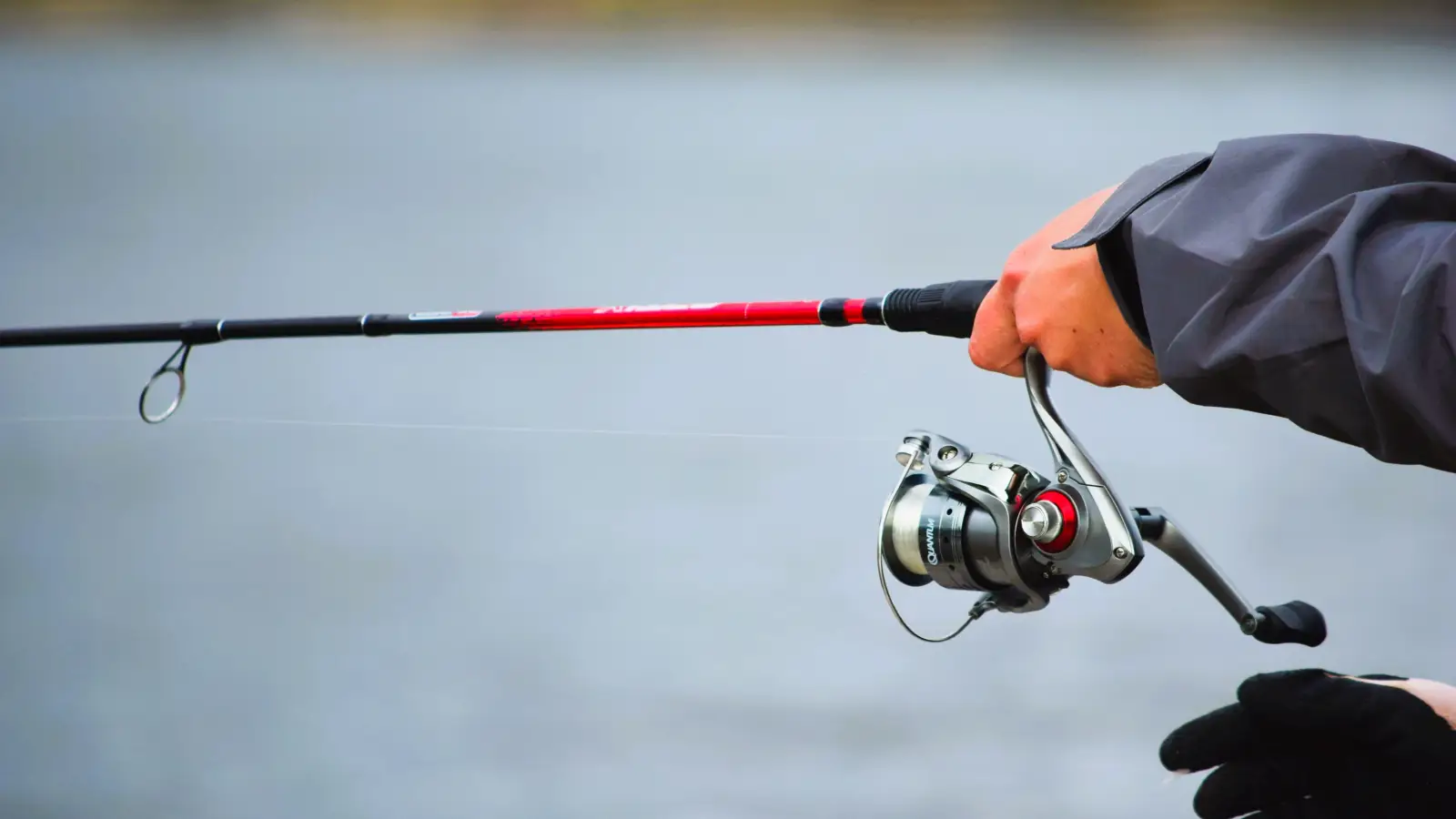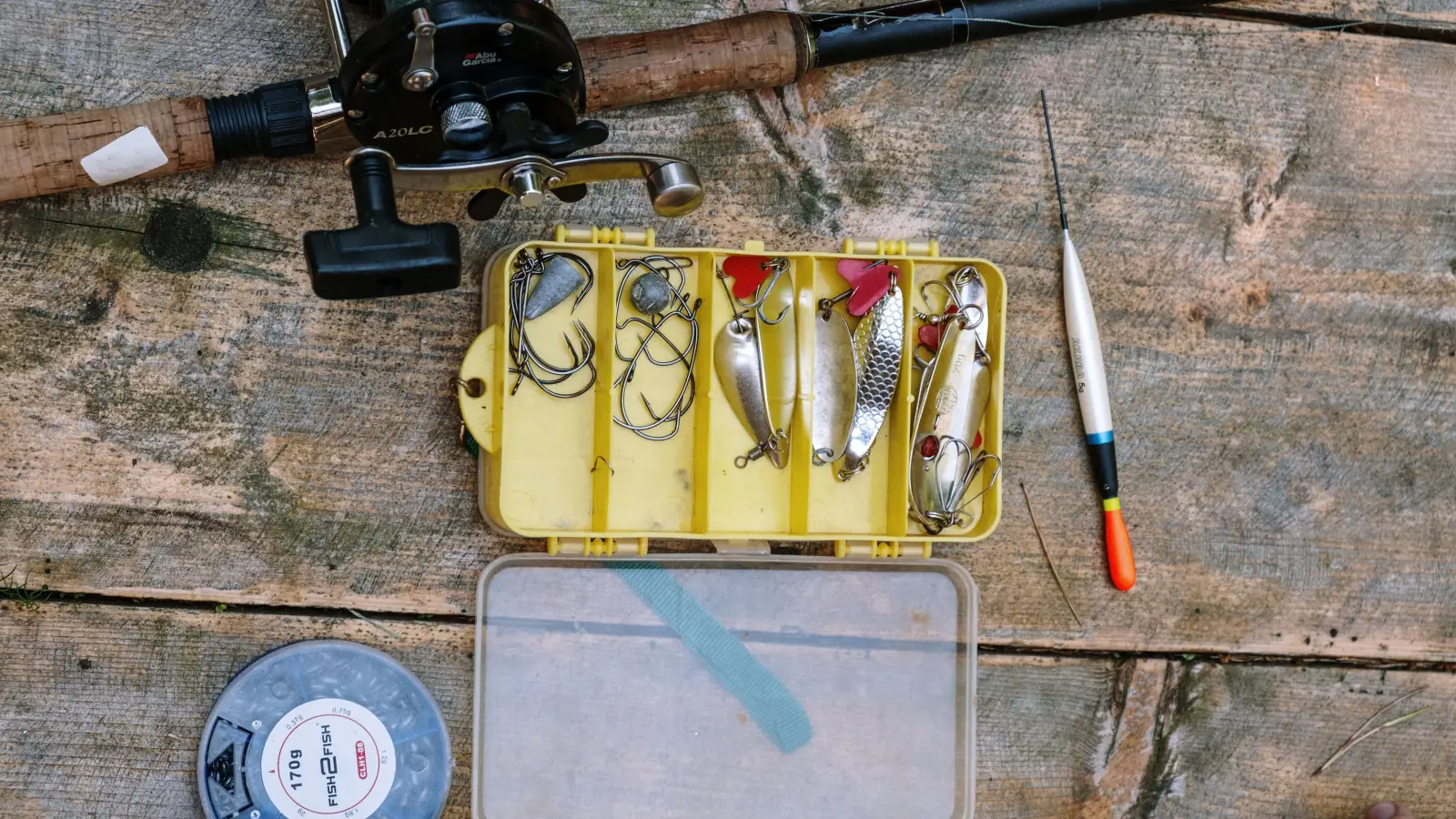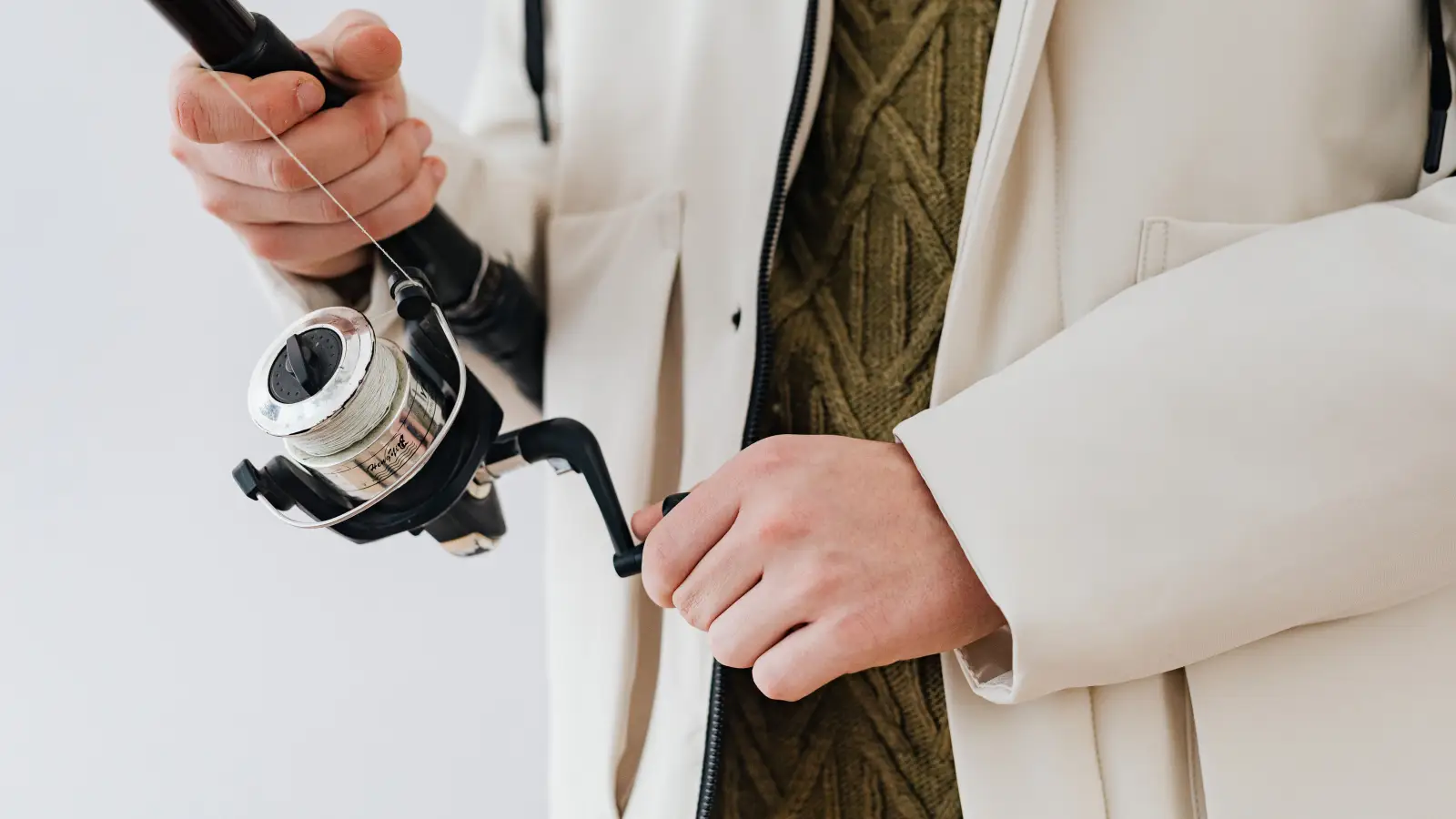
The fastest way to ruin a fresh spool of line is loading it with memory twist that was already baked into the filler spool. When that coiled line hits the reel, it springs off unpredictably during a cast, throwing loops that become wind knots and birdsnests as fast as you can tie on a new lure. The solution is straightforward: use a line spooler that holds tension in the same direction the reel retrieves, or learn a hand-tensioning method that keeps the supply spool from flipping and injecting twist. This guide lays out every step, in order, to stop that loop-throw problem at its source.
What a Twist-Free Spool Delivers
A properly loaded spinning reel lays line flat against the spool with no stored energy coiled inside the wraps. The line peels off in a straight path during the cast, travels with no surprise loops, and settles back onto the spool evenly on the retrieve. The casts are quiet, reach the expected distance, and the bail closes without a snarl. That predictable, trouble-free performance is what the checklist below builds every time.
The 6-Step Anti-Twist Spooling Checklist
Work through these actions before you cut the tag end. Each one eliminates a chance for twist to enter the reel.
- Soak the filler spool in warm water (mono or fluoro only)
- Align the line spool so it feeds off in the same direction the reel retrieves
- Mount the line spooler or set up a hand rig that lets the supply spool rotate freely
- Reel under steady tension, watching for any spiral or looping in the incoming line
- Fill the spool to within 1/8 inch of the lip — stop before it’s over
- Let out several yards of line and check for twist before fishing
Checklist Items Explained
Soak the filler spool in warm water (mono or fluoro only)
Submerge the entire filler spool in a sink or bucket of warm water — not hot, just comfortably warm to the touch. Leave it for 20 to 30 minutes. The warmth relaxes the molecular memory that formed during manufacturing and shelf storage, softening the coil the line wants to hold. Pat the spool dry before loading so water doesn’t reach the reel bearings. The mistake that undoes this step is skipping it to save time, then dealing with stiff fluorocarbon that bounces off the reel on every cast.
Align the line spool so it feeds off in the same direction the reel retrieves
A spinning reel retrieves by turning the bail counterclockwise (looking at the spool face). The filler spool must release line in that same counterclockwise direction. Check the manufacturer’s instructions — most tell you to place the spool label up. Pull a few feet of line: if it spirals off counterclockwise, the natural coil already matches the reel’s rotation. If it comes off clockwise, flip the spool. Feeding line on in the opposite direction puts a half-twist into every wrap and is the single most frequent reason a new spool of line casts worse than the old one it replaced.
Mount the line spooler or set up a hand rig that lets the supply spool rotate freely
A line spooler clamps the supply spool on a shaft so it spins freely as line unwinds, with adjustable tension that stops it from overrunning. Setting one up takes about 30 seconds and removes the most common cause of twist: laying the filler spool flat on the floor where it can’t rotate, forcing you to pull line over the flange and adding twist with every turn. Without a spooler, push a pencil through the center hole and have someone hold it lightly, or float the spool in a bucket of water so it can spin. The requirement is the same — let the supply spool rotate, and the line pays out clean.
Reel under steady tension, watching for any spiral or looping in the incoming line
Run the line through the first rod guide, tie it to the reel spool with an arbor knot, and cover the knot with a strip of electrical tape to keep it from slipping. Crank the reel slowly while pinching the line between your fingers — a damp cloth protects against friction heat — or use the spooler’s tension knob. Keep your eye on the line as it enters the spool. If you see a spiral forming, a loop jumping sideways, or the line trying to double back on itself, stop and recheck the supply spool orientation. This step takes two to three minutes for a full spool. The mistake here is rushing through it and hoping the reel will somehow sort out the twist later. It won’t.
Fill the spool to within 1/8 inch of the lip — stop before it’s over
An overfilled spinning reel throws loose coils under any tension. Leave a gap about the thickness of a nickel between the line and the outer rim. If you overfill, the only reliable fix is to strip line off and start again; trimming a little off the top rarely removes enough and leaves an uneven bed that still dumps loops. Checking this takes 10 seconds. Ignoring it costs hours of untangling on the water.
Let out several yards of line and check for twist before fishing
After spooling, open the bail and walk off 20 to 30 yards of line onto clean grass or a line mat. Let the line lie slack for a few seconds. If it curls into figure-eights or loops on its own, twist is still present. Retrieve the line back through pinched fingers or a wet rag under light tension and repeat the walk-off until it lies straight. Skipping this verification leaves the problem hidden until the first cast goes wrong, often with a fish in sight.
Before the First Cast: Final Twist Checks
- Line sits flat on the spool — no raised coils or loose wraps
- Pulling line off by hand with the bail open produces zero spirals
- The first test casts land clean, without loop throws or wind knots
- If any twist appears, retrieve the line through a damp cloth under tension
FAQ
How exactly does a line spooler stop twist?
A spooler lets the supply spool rotate as the line unwinds straight off the rim, instead of being pulled over a stationary spool edge which introduces a half-twist per revolution. Consistent tension prevents the spool from overspinning and preserves the line’s original lay.
Can I use a line spooler with braided line?
Yes. Braid has no memory, but tension is still key for a tight, even pack that resists digging into itself on a hard hookset. A spooler with a smooth tension system works; just avoid any sharp contact points that might fray the fibers.
Is soaking fluorocarbon really worth the time?
Fluorocarbon is stiffer and holds its factory coil stubbornly, especially on small-diameter spools. A 20-minute soak in warm water measurably reduces that springiness and helps the line lie down. Skipping it almost guarantees a jumpy spool on the first outing.
What’s the fastest way to remove twist from line already spooled?
Tie the line to a ball-bearing swivel, let all the line out behind a moving boat or walk it across a field, then reel it back under pressure while pinching the line with a wet rag. The swivel releases accumulated twist and the tension re-lays it flat. The whole process takes 5 to 10 minutes and often rescues a spool that would otherwise be cut off.
Follow this sequence and the reel will be loaded with flat, twist-free line that casts predictably and retrieves without hidden tangles. To shave even more time off the next spool-up, get a dedicated line spooler. With one, the whole job is done in under five minutes, with no guesswork about tension or direction. That small investment pays for itself in trips that start with a clean cast instead of a knot.