Most freshwater anglers don't chase distance records—they need casts that land where they’re supposed to, handle the wind, and work with the lures they actually tie on. Spinning reels do all three with less effort. For the overwhelming majority of casting situations, they’re simply the smarter choice.
The whole “baitcasters always cast farther” idea collapses once you stop measuring success in yards and start measuring it in hassles avoided. Accuracy, wind resistance, and the ability to throw light baits matter far more than raw distance on most fishing days. And on each of those fronts, spinning gear wins handily.
The Clear Winner for Everyday Freshwater Casting
Spinning reels win for the vast majority of freshwater fishing. They offer easier control, fewer backlashes, better performance with light lures and in wind, and enough distance for nearly all casting situations—without the steep learning curve that baitcasters demand.
Quick Comparison: Spinning vs. Baitcaster at a Glance
| Criteria | Spinning Reel | Baitcaster |
|---|---|---|
| Accuracy | High, controlled line release | High with practice, but overruns hurt |
| Ease of Use | Intuitive, minimal adjustment | Steep learning curve, constant tuning |
| Wind Performance | Handles gusts without backlash | Easier wind overruns, needs thumbing |
| Lure Weight Range | 1/32 oz to 1+ oz effortlessly | Struggles below 1/4 oz |
| Distance | Ample for most casts | Can out-throw with heavy lures |
| Price (decent quality) | $30–$80 | $60–$120+ |
| Best For | Panfish, trout, bass finesse, all-around | Heavy cover flipping, big swimbaits, specialty |
Spinning Reels: The Reliable All-Rounder
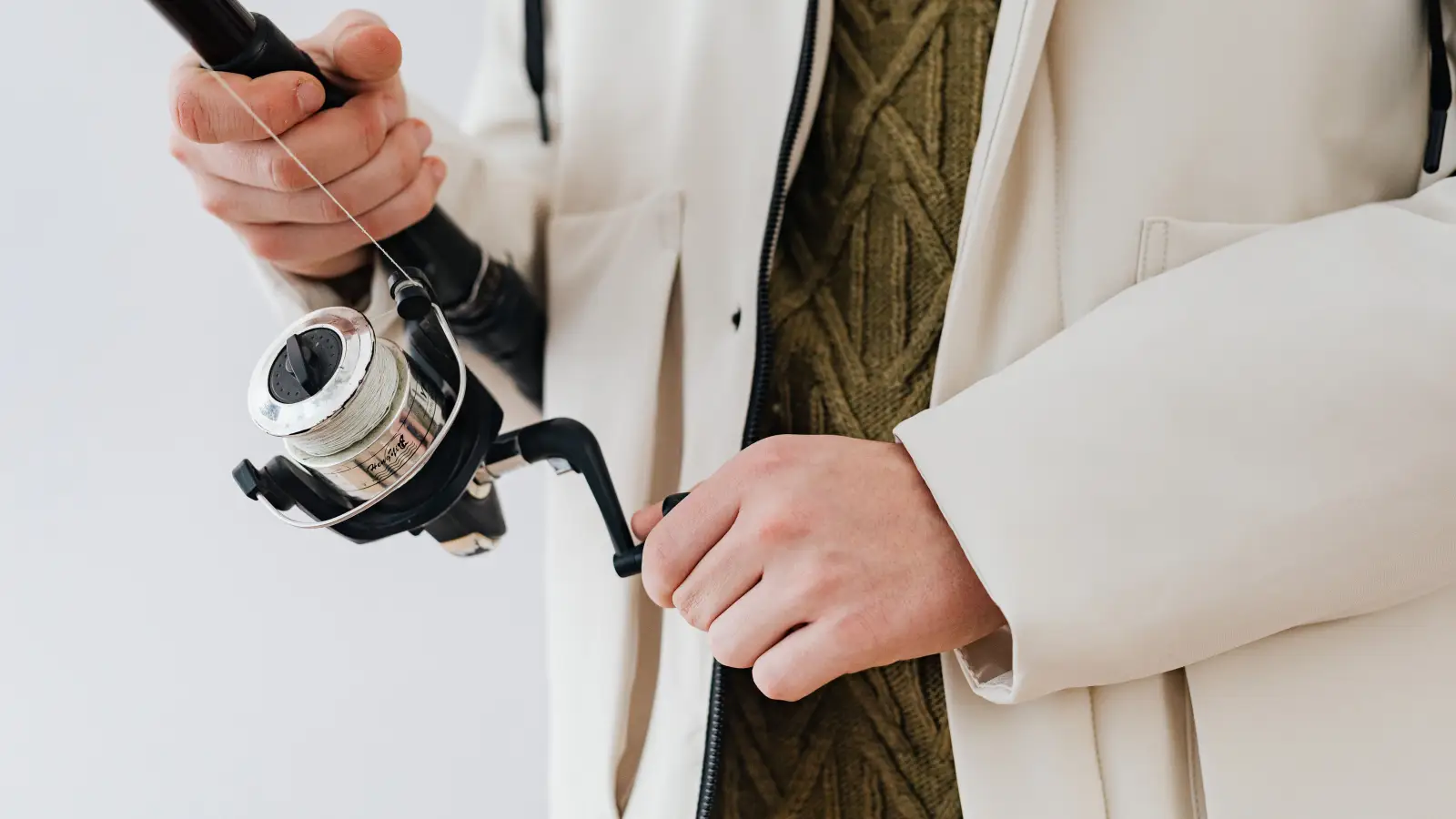
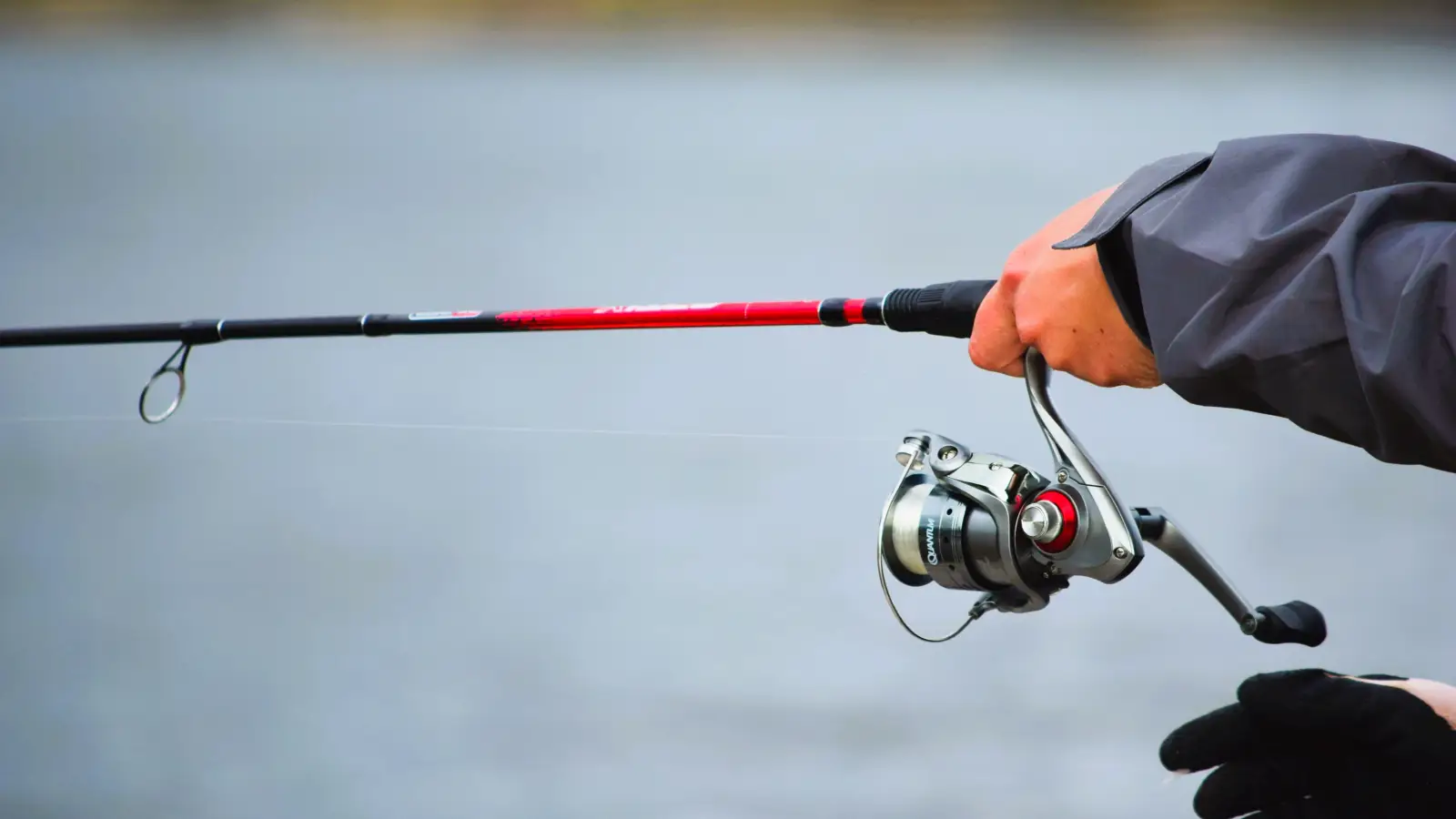
Spinning reels thrive because they simplify the physics of casting. Line peels off a fixed spool with almost no inertia, so even an 1/8-ounce jig flies straight with a flick of the wrist. There’s no spinning mass to overrun in wind or during a sudden stop, which means you spend zero time picking out backslashes.
That same design makes spinning reels remarkably accurate. Without the spool’s rotational momentum fighting the line, the cast follows the rod tip’s aim more directly. Sidearm skips under docks, accurate placements next to weed edges—spinning gear puts the lure where you want it without constant thumb corrections.
Weaknesses exist, but they rarely matter for most freshwater fishing. Line twist can build up over time, and small guides on some rods can reduce casting distance slightly with thick line. Neither of those issues outweighs the sheer reliability when you’re fishing light baits, breezy mornings, or any situation where a backlash would end a good drift.
Baitcasting Reels: High Potential, High Maintenance
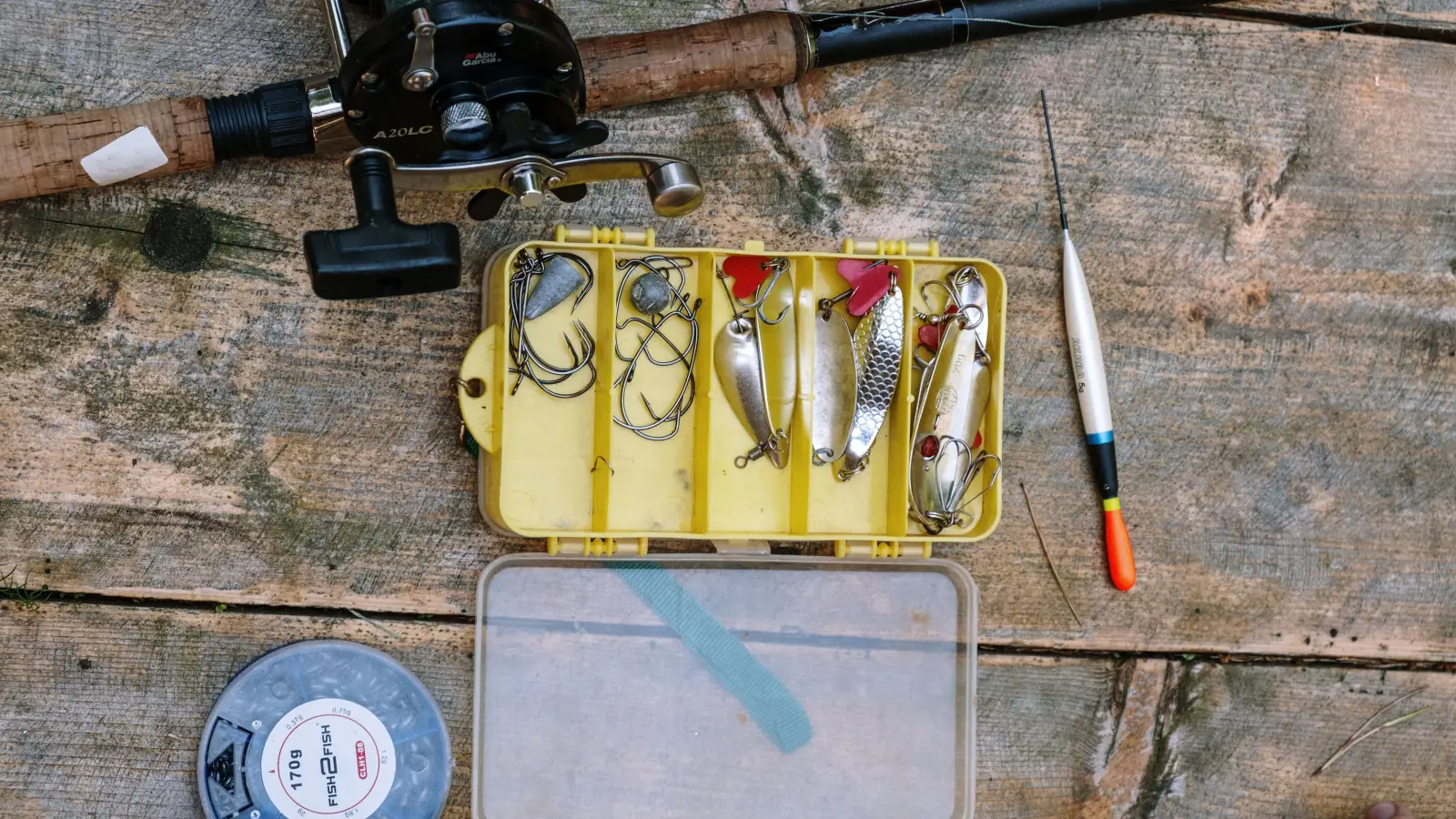
Baitcasters earn their reputation on brute distance, and there’s no denying the physics: a rotating spool can hurl a 3/4-ounce crankbait farther than a spinning reel with a fixed spool. For professional bass anglers throwing big hard baits across open water, that extra yardage is measurable.
The price is control. That same spinning spool creates massive inertia, and if the lure slows down—because of wind, a bad cast angle, or a tick on vegetation—the spool keeps turning, digging line into itself. The result is a backlash, and even experienced anglers deal with them.
Lure weight is a hard limit. Most baitcasters struggle to cast anything lighter than a ¼ ounce, and even well-tuned models need heavy line and precise braking settings to handle 3/16-ounce lures without disaster. Toss a small spinner or a weightless soft plastic into a headwind with a baitcaster, and that extra distance is a distant memory—replaced by a tangled mess on the spool.
Baitcasters also need constant adjustment. Every lure change, every shift in wind, calls for a tweak of the spool tension and brakes. For the angler who just wants to cast and concentrate on the bite, that’s an unneeded chore.
Head-to-Head: Where Spinning Reels Pull Ahead
Accuracy Without the Fight
Spinning reels send the line straight off the spool with no sideways pull from a rotating mass. That translates to tighter groupings around cover and fewer missed targets. Baitcasters can be accurate, but only after building thumb discipline that never truly goes on autopilot.
Wind: The Real Dealbreaker
A gust that barely registers on a spinning setup can ruin a baitcaster’s day. The exposed spool catches air and accelerates, demanding instant thumb pressure. Spinning reels, with the line coming off a stationary spool, stay controllable even when the wind switches direction mid-cast.
Lure Weight Tolerance
Spinning gear handles the full range of freshwater lures—from a 1/16-ounce crappie jig to a half-ounce lipless crankbait—without swapping reels or dials. Baitcasters don’t just perform poorly with light baits; they often can’t cast them at all without specialized finesse models that cost a premium.
Ease of Entry
A newcomer can make reasonably accurate casts with a spinning reel in an afternoon. That same person on a baitcaster will spend hours picking backlashes before achieving a fishable presentation. For the majority of anglers who fish to relax, that learning curve isn’t worth it.
Choosing the Right Reel for Your Fishing Style
If you fish for panfish, trout, or bass with finesse tactics—small jigs, drop shots, weightless plastics—a spinning reel is the clear choice. It handles light lures, wind, and close-quarters accuracy better than any baitcaster.
If you’re a beginner or an all-around angler who uses varied baits, stick with spinning. The forgiveness and versatility let you focus on reading the water instead of fighting your gear.
If you specifically target big bass in heavy cover with heavy jigs, frogs, or large swimbaits, a baitcaster’s torque and line control make it the right tool. But those situations are a fraction of the average fishing day for most freshwater anglers.
If you chase maximum distance with heavy lures on open water, a baitcaster might edge out a spinning reel—but only if you dedicate time to mastering the tool. For the remaining 95% of casts, distance falls far behind accuracy and reliability in importance.
Common Questions About Reel Selection
Why do baitcasters have a reputation for longer casts?
Their revolving spool builds momentum that can carry heavy lures farther once the cast is underway. However, that advantage only holds with heavier baits and in ideal conditions—and at the cost of more frequent backlashes and wind sensitivity.
Can a spinning reel cast as far as a baitcaster?
With lures weighing ½ ounce or more, a well-tuned baitcaster will typically outdistance a spinning reel. For lighter lures, the spinning reel not only matches but often exceeds the baitcaster because the baitcaster simply can’t cast them effectively.
Which reel handles windy conditions better?
Spinning reels by a wide margin. The fixed spool keeps the line from overrunning when a gust hits, while a baitcaster’s exposed spool demands precise thumb control that becomes nearly impossible in shifting wind.
Are spinning reels easier for beginners?
Absolutely. They require no brake adjustments and have no backlash risk from an errant cast. A beginner can be fishing productively within minutes, rather than spending an afternoon untangling line.
What lure weights are too light for a baitcaster?
Most conventional baitcasters bottom out around ¼ ounce, and many perform inconsistently below 3/8 ounce. Finesse baitcasters can push lower, but they add cost and complexity that spinning reels avoid entirely.
The Final Cast: Stop Overthinking Your Reel Choice
Spinning reels dominate the freshwater landscape for good reason: they’re easier, more versatile, and more forgiving. Distance, the one metric where baitcasters can claim an edge, rarely decides whether you catch fish or not. Accuracy, wind handling, and the ability to throw the lures you actually use—all strengths of spinning gear—determine far more outcomes.
If you own a baitcaster and invest the hours to master it, that’s fine. But for the majority of anglers, the spinning reel remains the superior tool for most casting situations. Forget the distance race, and you’ll start catching more fish.