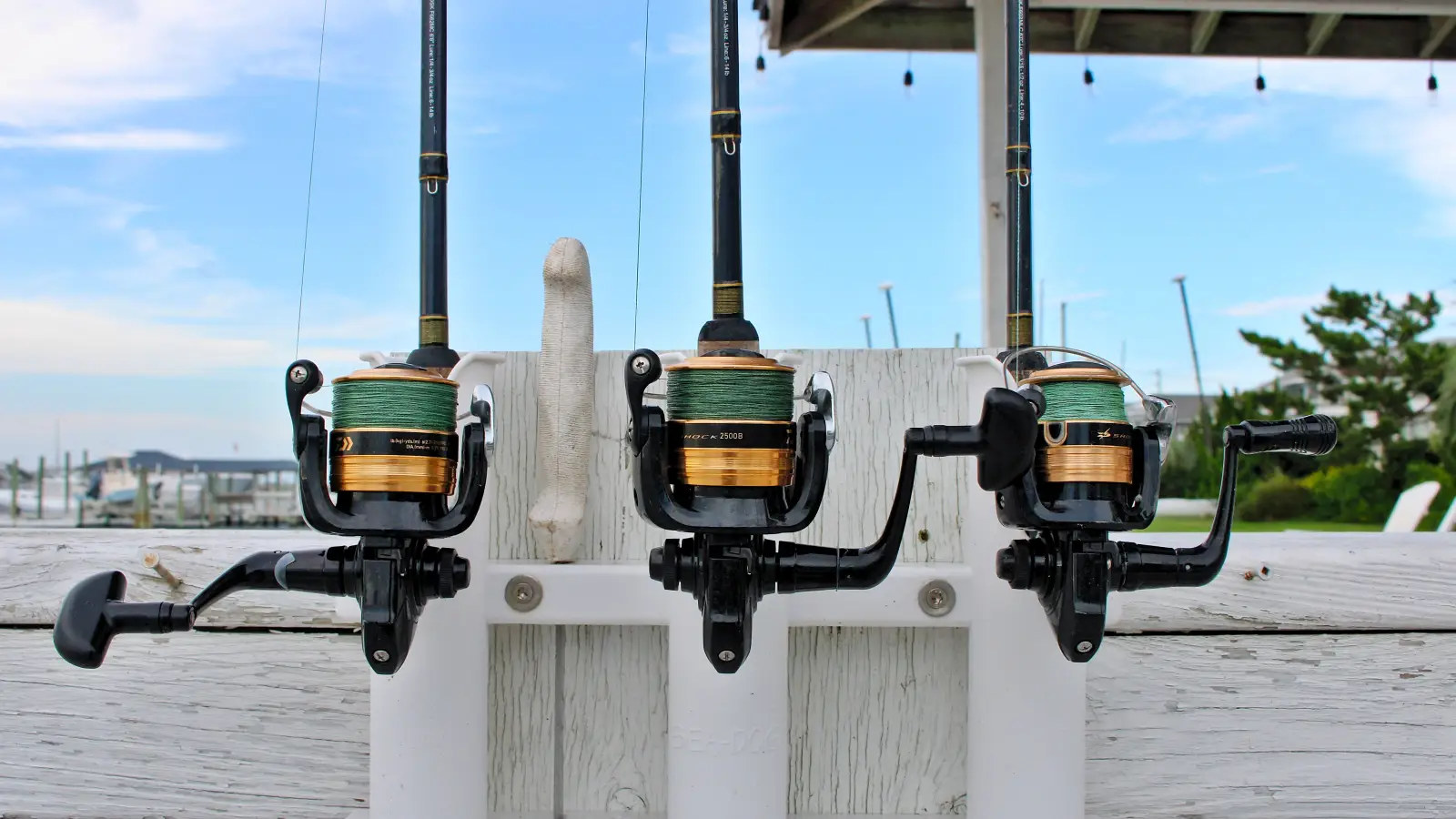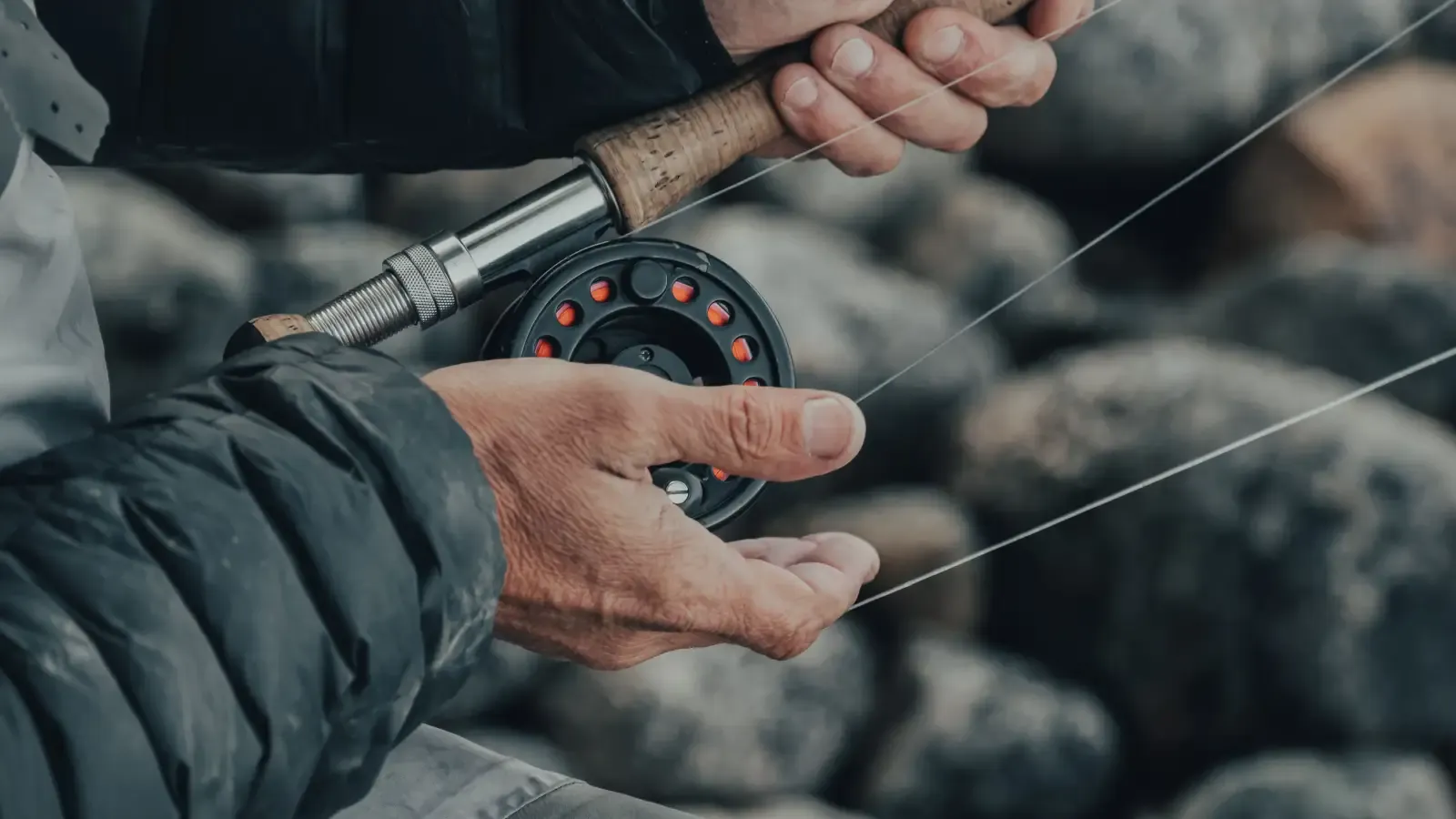
Reel size and gear ratio are the numbers on the box that determine whether your tackle works with you or against you. Size—the 1000, 2500, 4000 labels—defines line capacity and how the reel balances on a rod. Gear ratio—like 6.2:1—indicates inches of line recovered per handle turn. Choose these numbers wrong and your spool will be overfilled with 10-pound line on a trout-sized reel, your retrieve too slow to keep a spinnerbait above the weeds, or the reel weight will make an ultralight rod tip dip like a scales. The fix is to stop guessing and match the specs directly to how and where you fish—bass versus trout, a slow-worming bottom presentation against burning a spinnerbait across open water.
How a Mismatched Reel Feels Every Cast
When a reel is off, the symptoms are immediate and consistent. The rod may feel tip-heavy or the handle requires more effort to turn than it should. A spinnerbait that should run just under the surface keeps sinking because the reel isn't picking up enough line per crank. Alternatively, the reel holds only half the yardage you expected for the line you spooled. The root cause is almost always the same: reel size and gear ratio were selected by appearance, a friend's setup, or a sale tag rather than by the numbers that match the actual fishing method and line class.
A 3-Step Fix: Matching Reel Size and Gear Ratio Without Guesswork
- Choose reel size by line and rod, not by feel. A 1000-size spinning reel holds about 100 yards of 4-pound mono and balances a light trout rod. A 2500–3000 size is the practical choice for 8–12 pound line on a medium-power bass rod. For 14–17 pound mono or heavy vegetation, move to a 4000.
- Select gear ratio based on how fast the bait must move. A 6.2:1 ratio gives controlled speed for bottom-contact baits like Texas rigs, jigs, and deep crankbaits. A 7.1:1 or faster retrieves enough line per turn to keep spinnerbaits, buzzbaits, and topwaters running at their optimal pace.
- Test balance with the actual rod. Attach the reel and rest the rod in your hand at the grip. It should sit level or very slightly tip-up. If it tilts forward heavily or feels butt-heavy, the reel size is incorrect for that rod.
Step-by-Step Troubleshooting: Causes and Corrections for the Two Numbers
Reel Size Treated as a Simple Size Label, Not a Capacity Factor
What causes it: The number alone (1000, 2500, 4000) looks like a size progression, but it reflects spool capacity relative to a standard mono class, not quality or strength. A common mistake is believing any 2500 reel from any brand will behave identically.
How to confirm: Mount the reel on the rod and check whether the line fills the spool to about 1/8 inch from the lip. Too much empty space cuts casting distance; too full invites loops and tangles. If the reel feels heavy enough to unbalance the rod, the size is off.
Exact steps to fix: Refer to the manufacturer's line capacity chart for your line's diameter. Trout spinning with 4-pound mono suits a 1000 size (roughly 100 yards). Standard bass fishing with 10-pound mono calls for a 2500 size (about 140 yards). For 15-pound braid on striped bass, use a 3000–4000 reel to avoid line-dig on the spool. Pair reel size with the rod's lure weight range: 1/16–1/4 ounce matches 1000–2000; 1/4–5/8 ounce matches 2500–3000.
Assuming Gear Ratio Alone Dictates Retrieve Speed
What causes it: The ratio tells how many times the spool turns per handle revolution, but actual line recovery depends on spool diameter. A 6.2:1 reel on a small trout spool retrieves fewer inches per crank than a 5.2:1 on a large surf reel.
How to confirm: If the lure speed feels wrong despite cranking at a consistent pace—too slow to trigger reaction strikes or so fast the bait helicopters—the effective retrieve rate doesn't match the technique.
Exact steps to fix: Use the reel's IPT (inches per turn) rating when available. A moderate retrieve for bass techniques falls between 26 and 30 inches per turn. Fast is 31 and above. If only gear ratio is listed, note that a typical 2500-size reel with 6.2:1 retrieves about 28 inches. Match IPT to presentation: moderate for bottom contact and treble-hooked lures, fast for reaction baits, slow (around 22–25 inches) for deep crankbaits where torque beats speed.
Matching the Reel to the Fish Species Instead of the Lure Action
What causes it: Labeling a reel as a “bass reel” or “trout reel” obscures the real decision—how the bait moves. A reel sized right for a largemouth but geared slow will punish you when you need to burn a spinnerbait over submerged grass.
How to confirm: Hooksets feel delayed, lures run off-plane, or controlling speed through different vegetation is a struggle. The sense that the reel is always just a little too fast or too slow points to a ratio mismatch.
Exact steps to fix: Sort techniques into speed groups:
- Slow and Controlled: Texas rigs, jigs, Carolina rigs, deep crankbaits. Use 5.2:1–6.4:1.
- General Purpose: Medium crankbaits, swimbaits, jerkbaits, vibrating jigs. 6.4:1–7.1:1 works.
- Fast Reaction: Spinnerbaits, buzzbaits, topwater plugs, chatterbaits, lipless crankbaits. Pick 7.3:1–8.5:1 to gather slack quickly and keep the bait in the strike zone.
Line Type Overwhelming the Reel's Chosen Size
What causes it: Braided line is thinner than mono, so a reel sized for 4-pound mono may appear to hold enough 20-pound braid—but the braid's stiffness and tendency to dig into itself on a small spool ruin casting.
How to confirm: Casting distance drops abruptly. The line fluffs off the spool or loops form on the retrieve.
Exact steps to fix: Step up at least one size class for braid. Use a 2500 reel for 10–15 pound braid, a 3000–4000 for 20–30 pound braid. Consult the “mono equivalent” capacity and compare diameters; if the braid is much thinner, treat the reel as if it needs capacity for a thicker line.
When Standard Rules Don't Fit: Specialized Situations
- Saltwater Spinning Reels: Sizes jump to 5000, 6000, 8000 and often follow a different naming system. A 5000 surf reel holds far more line and resists salt, but its weight makes it impractical for typical freshwater.
- Two-Speed Conventional Reels: These switch to a lower gear under heavy load for offshore trolling. Beginners are better served by a single fixed ratio.
- Ultralight Finesse: A 500–1000 size reel with a 5.0:1 or slower ratio gives the delicate line control needed for tiny jigs and drop-shotting in clear water, where excessive speed spooks fish.
- Cover-Heavy Flipping/Pitching: High ratios (8.1:1 and above) here aren't about topwater speed; they instantly pick up slack after the bite so the hookset happens before a bass wraps around a stump.
How to Prevent Reel Spec Mistakes on Every Future Purchase
- Know the size ranges that work for your fishing: 1000–2000 for panfish and trout with light line, 2500–3000 for typical bass with 8–14 pound mono or braid, 4000–6000 for bigger freshwater predators and light saltwater.
- Keep a technique-speed reference. A small note with “slow=bottom/deep, moderate=treble baits, fast=reaction” prevents impulse buys based on price.
- Test line capacity physically. Manufacturer charts often assume a specific mono diameter. Load a similar reel with your actual braid or mono to see how many yards it really holds.
- Handle the reel on the intended rod. Paper specs don't convey balance; a comfortable rig makes a long day on the water sustainable.
FAQ
What does a reel size number like '2500' actually mean?
It's a capacity class referencing the maximum amount of a standard mono line the spool can hold. A 2500 spool might fit 140 yards of 8-pound mono, while a 4000 fits about 160 yards of 12-pound mono. The number is a rough guide, not an exact measurement.
Can I use a high gear ratio like 7.5:1 for slow fishing like a Texas rig?
Yes, if you consciously control handle speed. A fast reel picks up slack immediately on the hookset, but it also pulls the bait along faster unless you deliberately slow down. Many bass anglers use 7.x:1 for nearly everything and adjust their crank rate—it works, but takes attention.
Is a larger reel always better for bigger fish?
No. Big fish demand drag power and line capacity, but the reel must balance the rod. A 6000-size reel on a 7-foot medium rod ruins casting accuracy and tires the arm. Match the reel to line class and rod power first, then verify the drag can handle the expected fish.
Do I need different gear ratios for baitcasting and spinning reels?
The same speed logic applies. However, baitcasters often have slightly higher IPT for a given ratio due to larger spools, so check IPT when available to avoid assuming a ratio translates identically.
What size reel for wading a trout stream with 4-pound line?
A 1000-size spinning reel on a 6–7 foot light rod. It remains light, balances cleanly, and holds enough 4-pound mono for accurate roll-casts and natural drifts.
If Uncertainty Remains, Take One More Step
Mount the reel on the rod in a store. Spool it with the line you'll use, if the shop allows. If not, find photos of your exact rod model paired with the reel online and read real-world feedback on balance and casting. When advice conflicts, rely on the spec that directly matches your line diameter and lure weight, not a generic “best” label.
As a last resort, visit a local tackle shop. Their staff match these combinations daily and can confirm the feel of the rig before you leave.