An angler keeps fishing not by luck, but by building a personal conservation ethic—one that turns everyday choices about gear, handling, regulations, and habitat into deliberate acts of stewardship. This framework lays out how those decisions form a system that protects the resource without stealing the joy from the sport. It’s a quiet, lasting way to make sure the water you love is still there for the next generation.
The Question That Connects Every Cast to Tomorrow
Before tying on a hook or wading into a current, there is one question that can weave every trip into something larger: Does this action support the resource’s ability to sustain itself? That’s not a rule or a test—it’s a filter, and it asks for reflection rather than perfection.
Once an angler holds that question, the noise of endless “must-do” lists quiets. A system appears. Fish populations, water quality, bank cover—these aren’t extras to the hobby; they’re the living infrastructure that makes it possible. When enough individuals adopt that filter and act on it, the effect compounds. Children who haven’t yet held a rod get a real chance to learn.
This framework then breaks that abstract responsibility into concrete areas. Each section shows how a routine choice either nourishes the future of fishing or quietly depletes it. The aim is not moral weight; it’s practical, long-term engagement.
Gear Decisions That Leave Cleaner Water
The terminal tackle an angler ties on can rest in an ecosystem for decades or disappear without a trace. The difference starts with a few informed swaps.
Trade Lead for Safer Metals
Lead sinkers and jigheads are still common, but lead is a neurotoxin that birds and fish ingest when lost tackle settles on the bottom. Alternatives—brass, steel, tungsten, bismuth—are now easy to find. Tungsten especially offers a denser, more sensitive performance; it’s a conservation choice that also improves bite detection.
Consider Barbless Hooks and Circle Hooks
Barbless hooks tear less tissue and release faster. Many modern designs hold fish just as well as barbed models when the line stays tight. Circle hooks, used properly with live bait, almost never end up deep in the throat—they pivot and catch in the corner of the mouth. That shift alone can drastically raise post-release survival.
Reduce Soft Plastic Litter
Soft baits tear off on rock, wood, and teeth. Standard PVC baits never break down in water. Biodegradable alternatives, now available from several manufacturers, degrade over months to years if lost. In the meantime, carrying a small pouch for discarded baits and trimmings—packing them out with other trash—keeps micro-plastic scatter from building up in the water column.
Recycle Monofilament and Use Strong Leader
Monofilament line persists for centuries. Recycling bins at many launches and shops make disposal simple. Matching line strength to the target species reduces break-offs. When line does part, ghost gear can tangle fish long after the angler has gone home.
Handling Fish: The 30 Seconds That Echo for Years
A fish that swims off but dies hours later from stress or injury is a loss to the population—no different than if it had been kept. Handling skill sits at the core of any real conservation ethic.
Wet Your Hands First
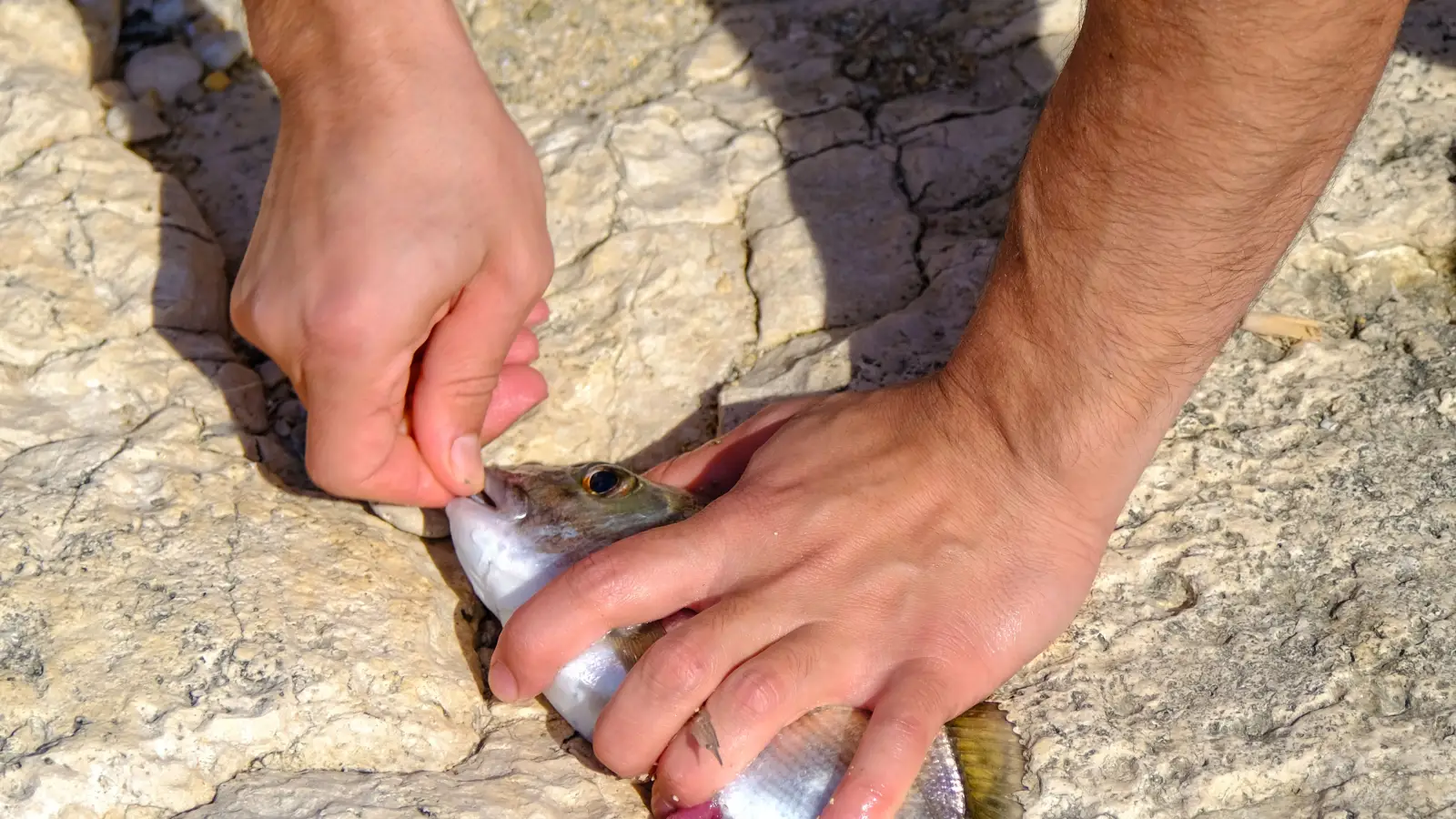
Dry human skin strips the protective slime coat that guards against fungus and bacteria. No matter the species, dip both hands in the water before touching the fish. Gloves and abrasive cloths are unnecessary; wet bare hands work best.
Minimize Air Exposure
A fish pulled from water is suffocating. Research shows that even 20 seconds of air can sharply reduce survival. Aim for under 10 seconds during unhooking, and keep gills submerged until release—even during a photo. If a picture matters, support the fish horizontally, have the camera set, and lift only for a breath.
Use Tools That Shorten the Encounter
A rubber landing net protects slime better than knotted nylon. Hemostats or long needle-nose pliers enable quick hook removal without crushing the fish’s body. When a hook is deep in the throat, cutting the line near the eye and leaving the hook often gives the fish a far better chance than a prolonged extraction.
Handle Deep-Water Species Differently
Fish from depth suffer barotrauma—the swim bladder expands, sometimes forcing the stomach out of the mouth. Learn to vent or use a descending device to return them to pressure. A slow, steady retrieve helps, but the real preparation happens before the fish breaks the surface: having a plan ready for release.
Regulations Are the Floor, Not the Ceiling
Agency rules are built on population models, public input, and enforcement limits. They are designed to prevent collapse, not necessarily to maximize the health of a particular stretch of water. A personal ethic fills the space where regulations end.
Understand the “Why” Behind Limits
Size restrictions, slot limits, and closures each have a biological reason. A slot protecting mid-size bass, for instance, often safeguards the most productive spawners. When an angler learns that reason, the restriction stops feeling like a barrier and becomes a tool.
Go Beyond the Legal Minimum
If the law allows a limit of five trout, but the stream sees heavy pressure, taking three might serve the water better. In a lake where bluegill are stunted, removing some smaller fish can redirect forage toward growth. The regulation cannot see the specific conditions on your water; you can.
Report What You See
Poaching, habitat damage, and pollution worsen opportunities for everyone. Most states run a tip line. Reporting isn’t about being an informant—it’s protecting the same water you’ll fish next season.
The Habitat You Don’t See: Subtle Actions That Add Up
Fish need more than clear water. They need clean gravel for spawning, stable banks that don’t smother eggs in silt, cover from predators, and a food web free of invasive newcomers. Habitat is where the ethic becomes physical.
Watch Where You Wade and Walk
Redds—spawning nests—appear as clean patches of gravel. Wading through one crushes eggs. Learn to recognize them for your target species and avoid them during the spawn. On shore, stay on durable surfaces. Trampling bank vegetation accelerates erosion, and fine sediment settling in the water blankets insect life.
Pack Out More Than You Packed In
A discarded spool or bait package can sit in the landscape for years. Carry a small mesh bag and make it routine to collect not just your own waste but anything you find. The act itself conditions a stewardship mindset.
Clean, Drain, Dry
Invasive organisms—zebra mussels, didymo, watermilfoil—hitch rides on waders, boats, and tackle. The “Clean, Drain, Dry” drill takes minutes: remove visible plants and mud, drain all water, and let gear dry completely before moving between waterbodies. It’s the simplest defense against an ecological shift that could close a fishery entirely.
When Keeping Fish Is the Right Call
Conservation does not mean never taking a fish home. It means choosing which fish to take, and why.
Selective Harvest Strengthens Populations
In many fresh waters, removing abundant mid-size panfish or thinning an overrepresented predator can improve size distribution. A lake crowded with stunted bluegill grows fewer quality bass. Taking a moderate number of small bluegill shifts resources toward growth of those that remain. This is an ecological call, not a scarcity decision.
Eat What You Keep, With Awareness
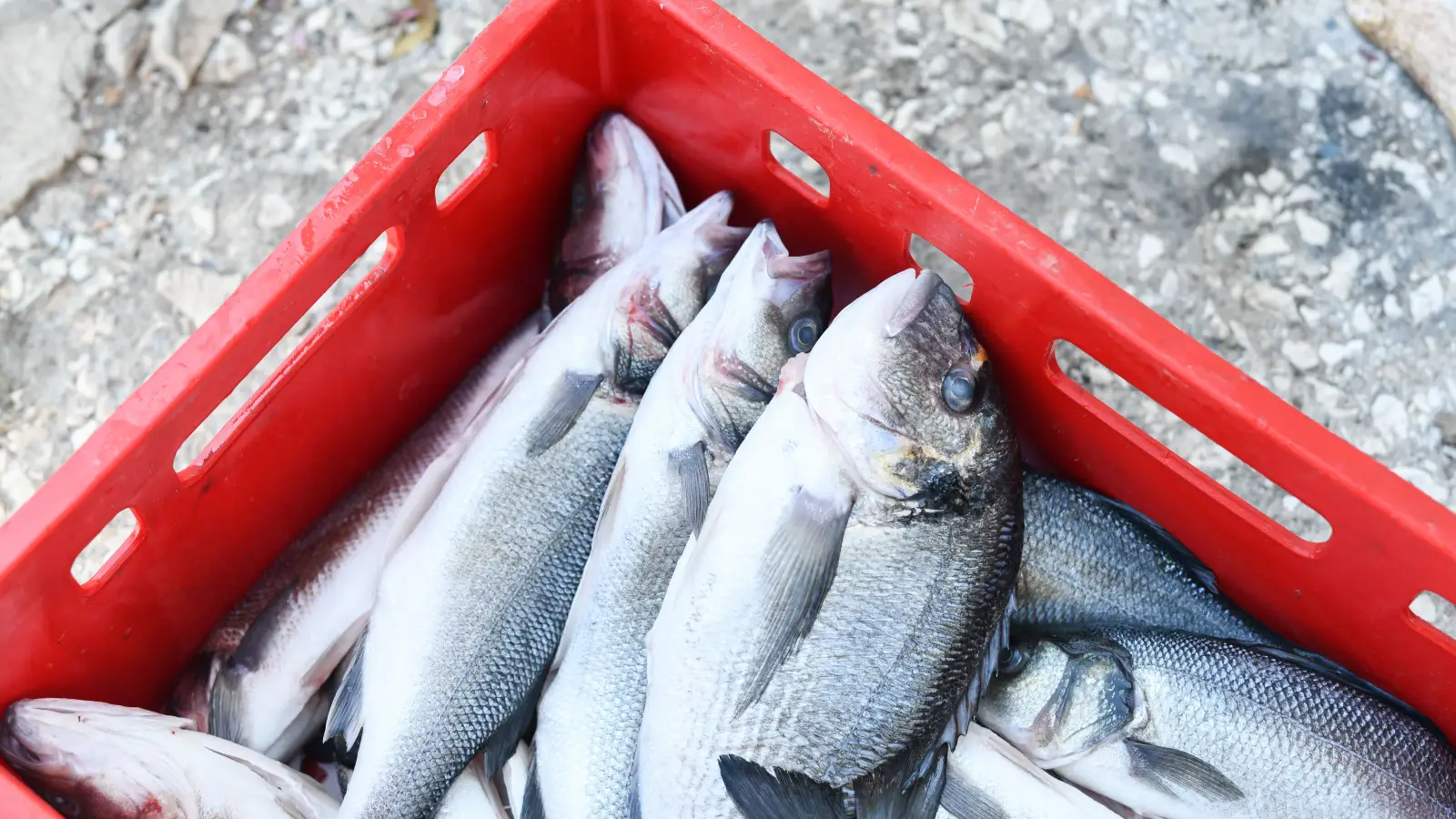
Catch-and-keep matters when it connects someone to their food and to the resource. The ethic demands selectivity: avoid the largest breeding females, follow consumption advisories, and process your catch cleanly. Wasting a fish disrespects the animal and the system that produced it.
Release What You Can’t Care For
If there’s no ready plan to chill and clean the fish quickly, don’t keep it. A stringer of dead fish in warm water is not harvest—it’s waste. Similarly, releasing fish you won’t eat just to continue catching is poor practice. The decision to keep should be made before the cast.
Making It Last: Staying Committed Without Burning Out
No one gets it all right from the first trip. A sustainable conservation ethic is built on momentum, not perfection.
Start With One Change, Then Another
Pick one area—barbless hooks, handling technique, line recycling—and practice it until it becomes unconscious. Adding a second small change a month later is far more durable than trying to restructure every habit at once.
Don’t Judge the Next Angler
Enthusiasm for conservation can turn into judgment that pushes others away. Offer what’s worked when asked, and model the behavior. Quiet consistency tends to shift norms better than any argument.
Find a Community
A local watershed group, a Trout Unlimited chapter, or a beach cleanup turns personal habits into shared effort. Seeing a restored streambed or a cleaned shoreline makes the abstract framework tangible—and reinforces why it matters.
Key Takeaways
- A personal conservation ethic filters every decision through a single question: Does this help the resource sustain itself?
- Gear choices—barbless hooks, non-lead tackle, biodegradable plastics, recycled line—reduce the long-term footprint of each trip.
- Proper fish handling (wet hands, short air exposure, revival) often separates a healthy release from a delayed mortality.
- Regulations are a starting point; understanding their biological purpose allows smarter, more protective choices.
- Habitat stewardship—avoiding spawning areas, preventing erosion, stopping invasive species—protects the foundation of all fishing.
- Selective harvest, done thoughtfully, can improve fishery health and deepen your connection to the resource.
- Building a lasting ethic means pacing yourself—start with one change and add from there.
Your First Move for Generational Fishing
The mistake that stalls most people is waiting until they have all the knowledge before acting. The resource does not need a flawless conservationist—it needs thousands of anglers making marginally better decisions every time they go out. Pick one action from this framework: a handling habit, a gear swap, one regulation you’ll dig into. Commit to it this month. When next season arrives, you’ll have a foundation that quietly outlasts your own fishing days.
Frequently Asked Questions
Do barbless hooks really make a difference in fish survival?
Yes. Research shows barbless hooks cause less tissue damage and shorten handling time. During removal of a barbed hook, anglers often squeeze fish tighter or extend air exposure. A barbless hook usually comes free with a simple twist, sending the fish on its way in seconds.
Is it okay to keep fish I catch, or should I always practice catch and release?
It depends on the fishery. In waters with abundant, stunted populations, retaining some fish can improve overall health. In heavily pressured waters, catch and release may serve better. The crucial step is learning the biology of your water and species—not following a blanket rule.
How do I know if a fish is too deeply hooked to release?
If the hook is past the gills or embedded in the throat and removal would cause bleeding or visible trauma, cut the line as close to the eye as possible and leave the hook. Many fish survive with hooks that eventually corrode or are encapsulated. The struggle during deep-hook extraction often kills the fish.
What should I do if I see someone breaking fishing regulations?
Note details—time, location, description of the person and activity—and report to your state’s wildlife agency or tip line. Do not confront them directly; that can escalate dangerously. Your report may trigger an investigation that protects the resource for everyone.
Do I need special tools for barotrauma when fishing deep water?
If you regularly target fish from depths greater than 30 feet, a descending device or venting tool is a valuable investment. These tools recompress the fish at depth or safely release expanded gas. For occasional deep fishing, reel up slowly and release quickly, but be aware that survival rates decline without proper treatment.