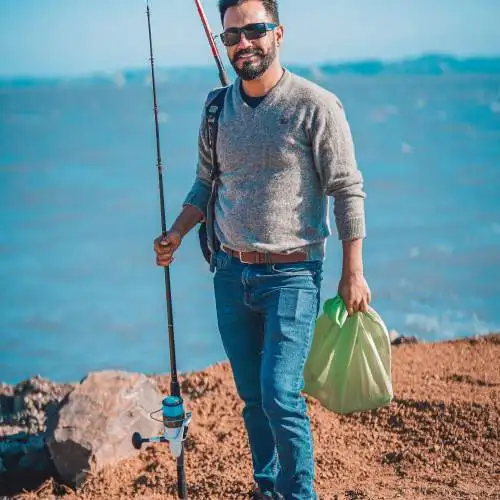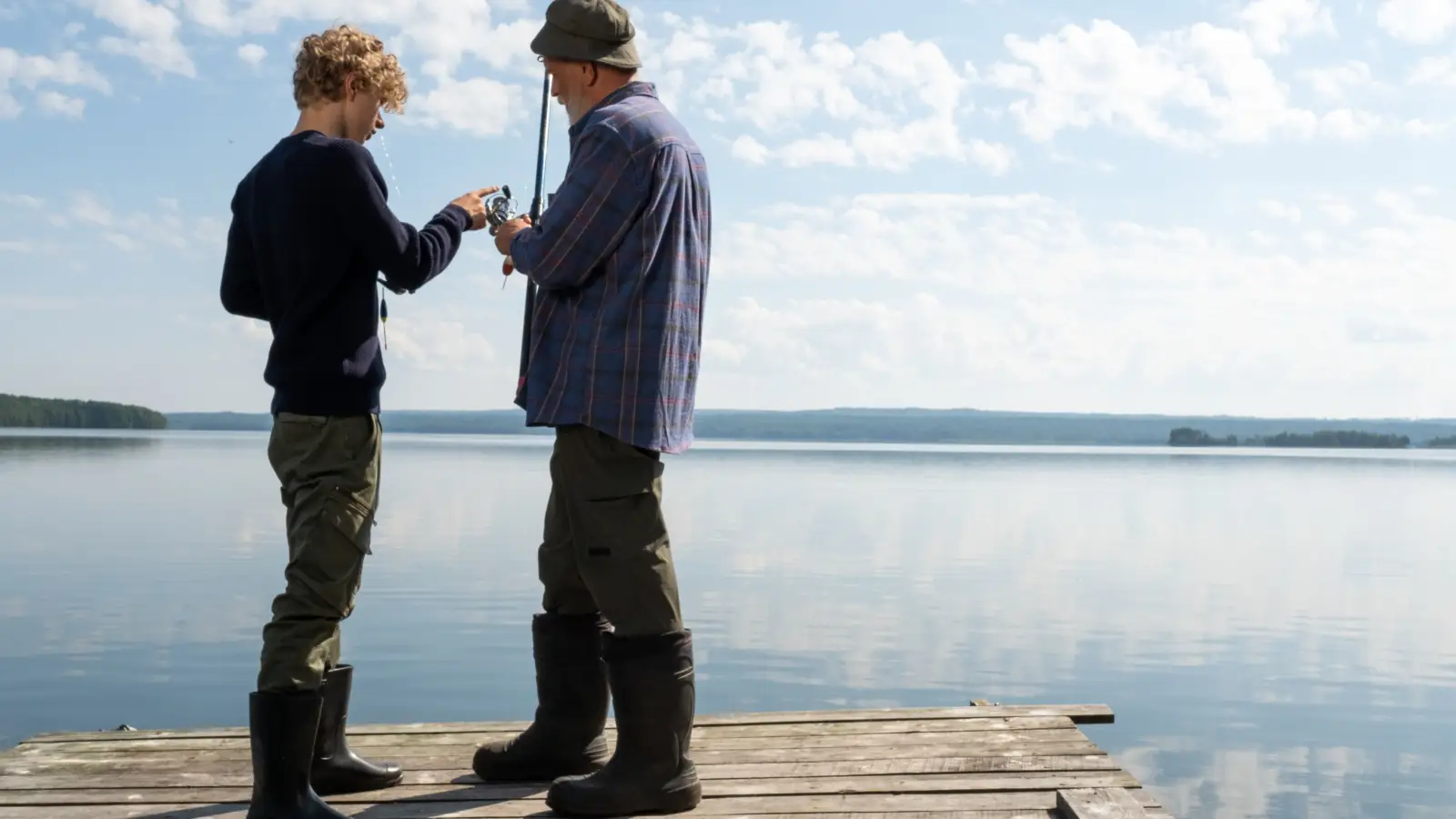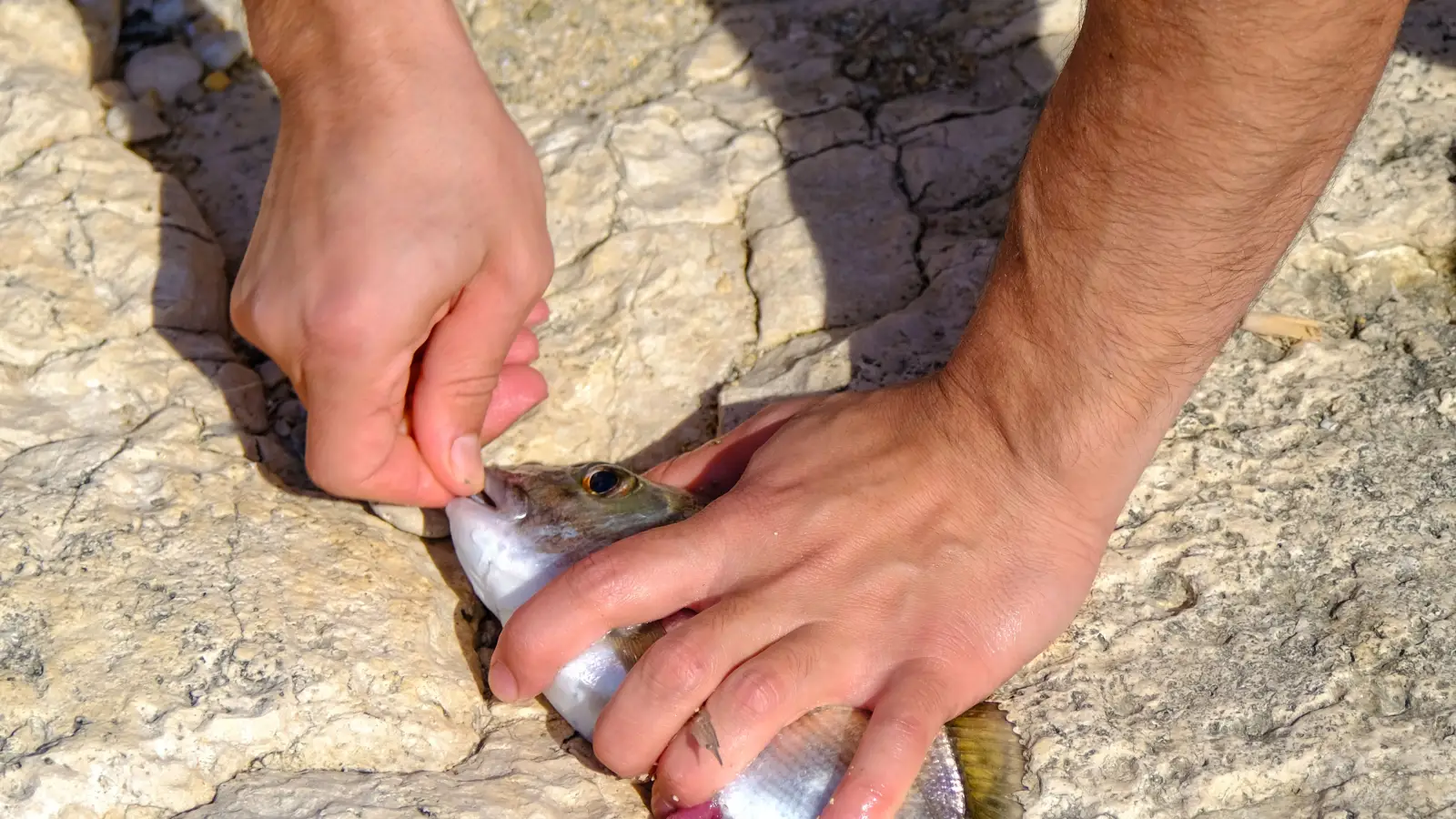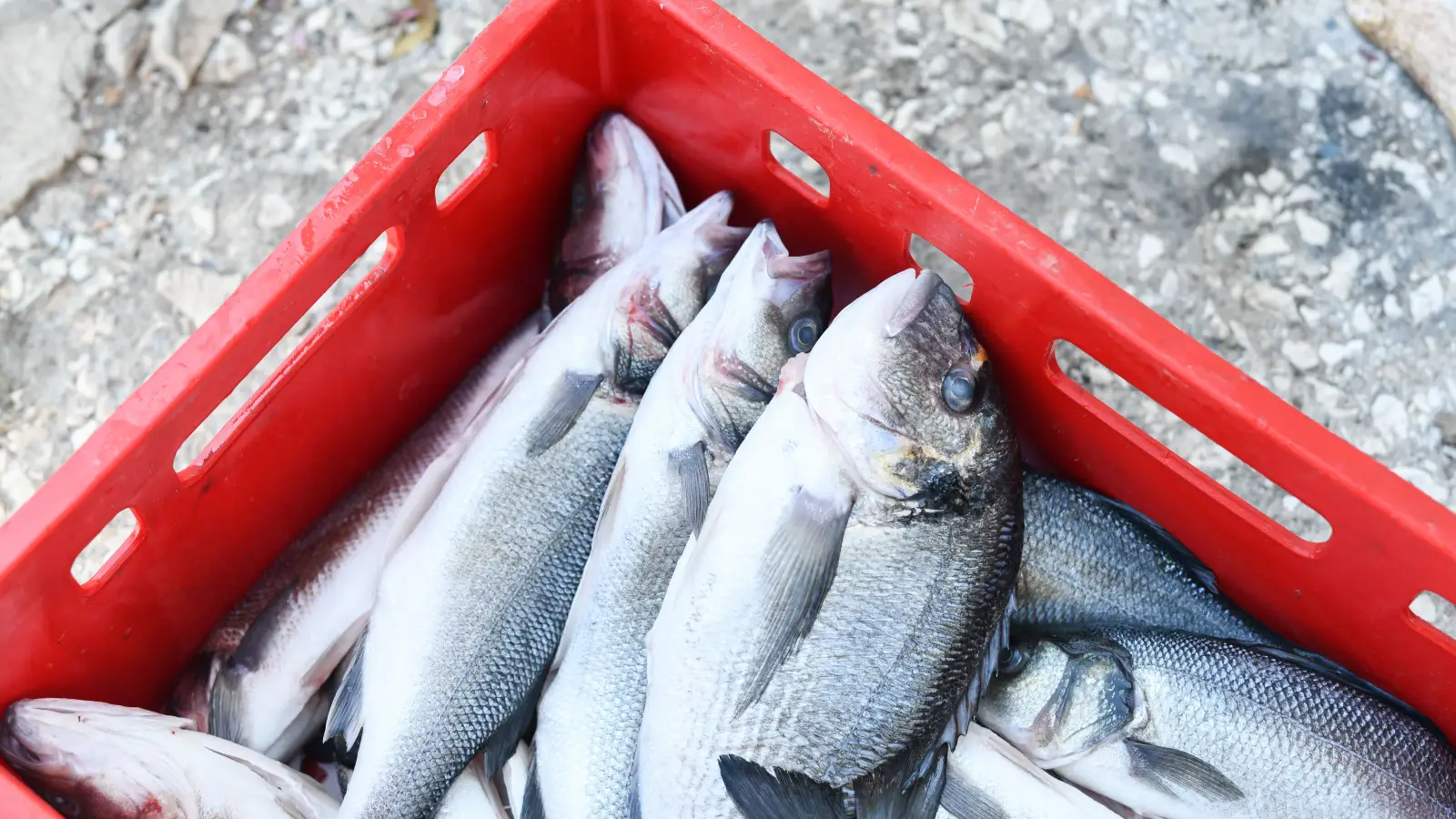
Selective harvest is the deliberate, satisfying practice of choosing which fish to keep—based on abundance, size, and how much you will actually eat—so that taking a meal becomes a direct vote for the long-term health of the water. When you release the big spawners and stay below your limit, the guilt evaporates because your choice is what keeps good fishing available year after year.
Your Starting Point: Where You Stand on Keeping Fish
The path through these ideas depends on what brought you here.
The Limit Filler — You have always kept your legal limit, but you’ve started to feel a quiet unease about whether the lake can really sustain that. Your route explains how to read population signs and shift from maximum take to responsible take.
The Occasional Keeper — You release most of what you catch, but when a fish is destined for the table, you want to be absolutely certain it is the right one to remove. Your route focuses on size thresholds and species selection.
The Waste-Avoider — Throwing away carcasses cuts as deeply as overfishing. Your route walks through processing the whole fish so nothing useful gets discarded.
Stage 1: Learn to Read the Water Behind Your Fillet
This stage replaces guesswork with connection. A fish population is never an abstract number—it is the specific lake you love, this season, after that torrential spring spawn or that two-year drought.
Start by pulling up the management agency’s most recent electrofishing survey or creel report for your water. Notice the catch-per-unit-effort numbers and the length-frequency charts. A towering bar of fish just below the minimum size limit signals strong recruitment; a hollow gap in the middle-size fish warns that the next few seasons will test your patience.
Concrete actions: bookmark your state agency’s fishing report page, walk into a local bait shop and genuinely ask what sizes folks have been seeing, and jot down what you catch across three or four trips. You are building a feel, not a spreadsheet.
When you can look at a lake name and describe which species are thriving right now and which size classes are putting the next generation into the system, you are ready to move on.
Stage 2: Match the Fish to the Meal—Size Really Matters
Now you turn that population insight into a personal rule for the cooler. A resilient fishery funnels most harvest toward abundant middle-size fish—individuals that have already spawned at least once but haven’t yet become the heavy, egg-packed brood stock that the whole population leans on.
For many panfish, the eater window is 8 to 10 inches. Walleye often sit in a sweet spot between 15 and 18 inches, comfortably above the minimum and well short of the trophy class. Catfish tolerate a wider window, but allowing the 10‑pound-plus fish to swim preserves those genetics for everyone.
Concrete actions: print a slot-limit card for your target water and tape it inside the tackle box lid. When a fish comes alongside, measure it against the card before your hand even touches the stringer. Practice saying “that one swims” to a fishing partner—it turns an internal debate into a shared value.
When checking a fish’s length feels as automatic as setting the hook, you are ready for the quiet but powerful shift ahead.
Stage 3: Embrace “One Less Than the Limit”
The daily bag limit exists as a guardrail, not a goal. This stage rewires the question from “how many can I keep?” to “how many do I actually need?” and it is the emotional heart of the whole process.
Look honestly at what will get eaten in the next day or two. One person cooking for two wants a meal, and that may mean four crappie or a single walleye. Keeping a limit of twenty-five bluegill just because you legally can often leads to freezer burn, not food, and that is waste nobody intended.
Concrete actions: set a personal cap before the boat touches the water. On a lake with a five-fish walleye limit, write “3 max” on the dry-erase board or simply state it out loud. Count your catch out loud, too—it creates a gentle checkpoint that keeps you honest. After the trip, notice how many fish you actually ate before anything went into the freezer; that number becomes your real limit.
The sign that this mindset has taken root: you return to the dock with fewer fish than the law allows, without a whisper of regret, because you already pictured dinner that night. A fishery is like a savings account—you can live off the interest forever, but start dipping into the principal and you’ll eventually run out. Here, the big spawners are your principal.
Stage 4: Honor the Fish by Using Every Part
Finishing the process demands that you waste nothing. The fillets are only the beginning. Cheeks, collars, and rib meat add remarkable richness, while the carcass makes a stock that puts any store-bought version to shame.
Begin with a fillet knife sharp enough to glide—dull blades steal meat. Pull the cheek medallions before releasing the head. After filleting, run your thumb along the backbone to strip out the remaining sweet flakes.
Concrete actions: freeze carcasses and heads in a gallon bag until you have three or four, then simmer them with onion and celery for fish stock. Compost the bones or bury them in the garden—they break down fast and feed the soil. If you keep roe, a simple salt-and-sugar cure turns it into something special.
When your cleaning station shows a tidy bowl of fillets, a bag destined for the stockpot, and a tiny scrap pile for the garden, you have fully arrived.
How You’ll Know You’re Ready for the Next Step
These signals, gathered from each stage, mark genuine progress.
- You can take a water name and describe its current abundant species and the size classes that drive reproduction.
- Measuring a fish before deciding to keep has become second nature, like checking the wind before a cast.
- You habitually set a personal bag below the legal limit and feel content, not cheated.
- After cleaning, a typical session leaves almost no waste that heads to the landfill.
Worries You Can Set Aside for Now
“Will the fish I release survive?” Clean release technique matters, but it’s a separate skill you layer on after internalizing the selection process. For now, a quick, gentle release with wet hands covers most cases.
“What if I need to keep the limit to feed a large group?” Feeding a gathering is a legitimate and joyful use of the bag limit. Selective harvest doesn’t forbid that—it’s about what you do on a routine Tuesday trip. When the big fish fry comes along, you can scale up the same size-matching thinking without guilt.
“Isn’t this just overthinking a relaxing hobby?” Every fishery that collapsed did so because no one paused to think. A handful of extra seconds per fish is a small price for decades of mornings on the water with your kids or friends.
Tools That Help You Harvest Smarter
A few simple items turn good intentions into fast, repeatable habits.
- A floating measuring board with bold slot-limit zones removes guesswork at the gunwale.
- The Fish Rules app (or your state’s equivalent) lets you tap a species and immediately see season, size, and bag details.
- A high-quality, flexible fillet knife kept razor-sharp reduces waste per fish more than any gadget.
- A basic kitchen scale gives you an honest read on what a meal’s worth of fillets actually weighs, which helps set personal caps grounded in real appetite.
FAQ
What is selective harvest?
Selective harvest means keeping only the fish that make ecological and practical sense—releasing under- and over-sized individuals, limiting your take to what you will actually eat, and using the whole fish. It turns a meal into a deliberate, conservation-positive choice.
How do I know which species are abundant near me?
Your state’s department of natural resources publishes annual lake surveys and fishing reports. Look for metrics like catch-per-unit-effort and length-frequency charts. Local bait shops are also a fast, conversational source of what is biting and what sizes are common.
What if I catch a fish that is over the slot limit—can I keep it?
Slot limits are legally enforceable: if a regulation says fish between 18 and 26 inches must be released, you cannot keep one in that range. Outside of that slot, if the fish is legal and meets your personal size criteria, you can keep it. But many anglers voluntarily release the largest fish to protect brood stock.
What do I do with fish parts I can’t eat?
Bones and heads make excellent stock, then can be composted or buried. Scales, guts, and skin are biodegradable; just bury them away from the shoreline to keep odors down. If you live in bear country, check local guidance on disposing of fish waste safely.
Completing this journey means every trip you pick the water, the species, the size, and the number with the fishery’s future in your mind, then you transform that fish into a meal that wastes nothing. If you currently fill your limit out of habit, the very first action is to go out on one trip and keep two fish fewer—just enough for a single dinner—and pay attention to how it feels.