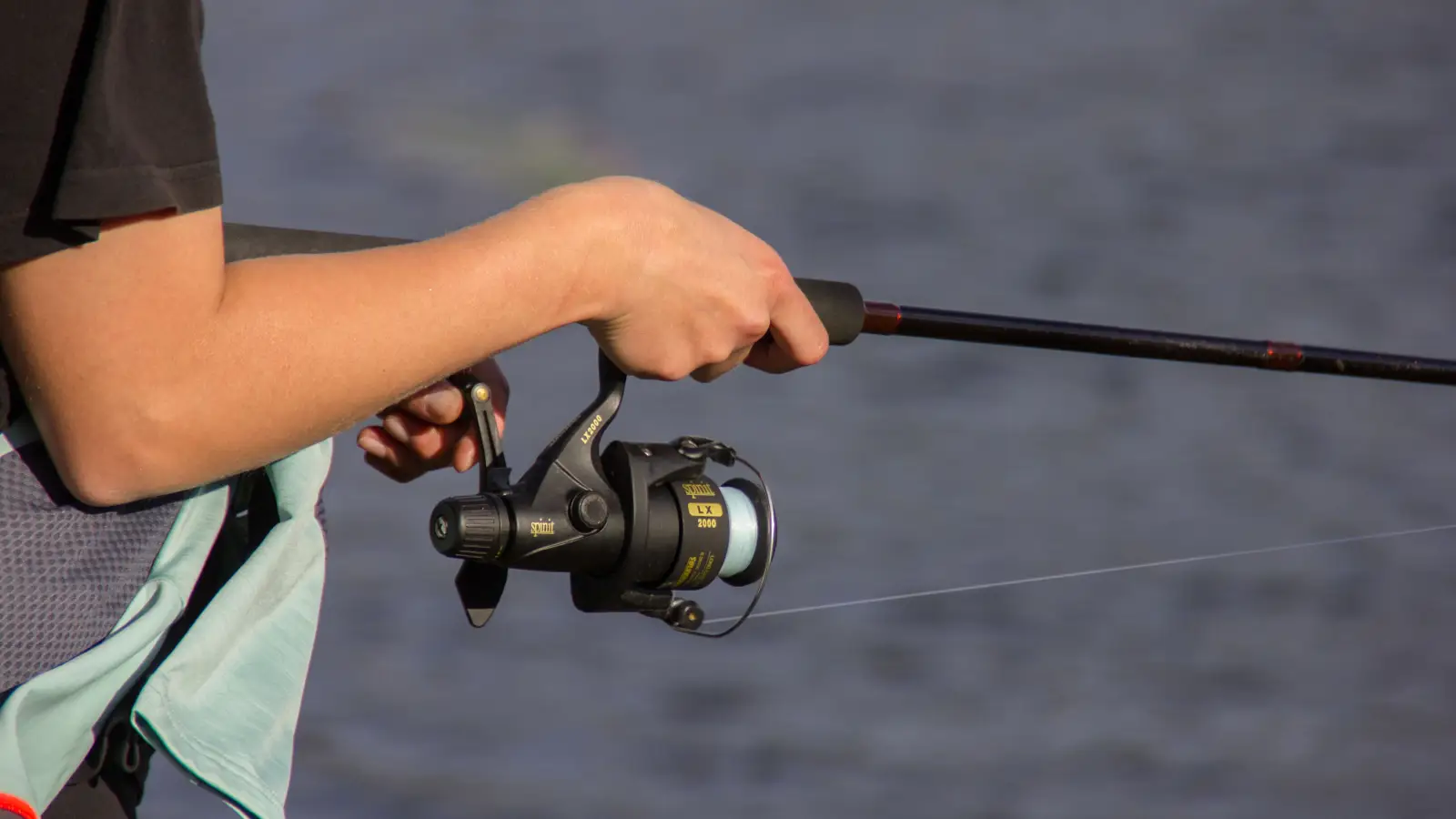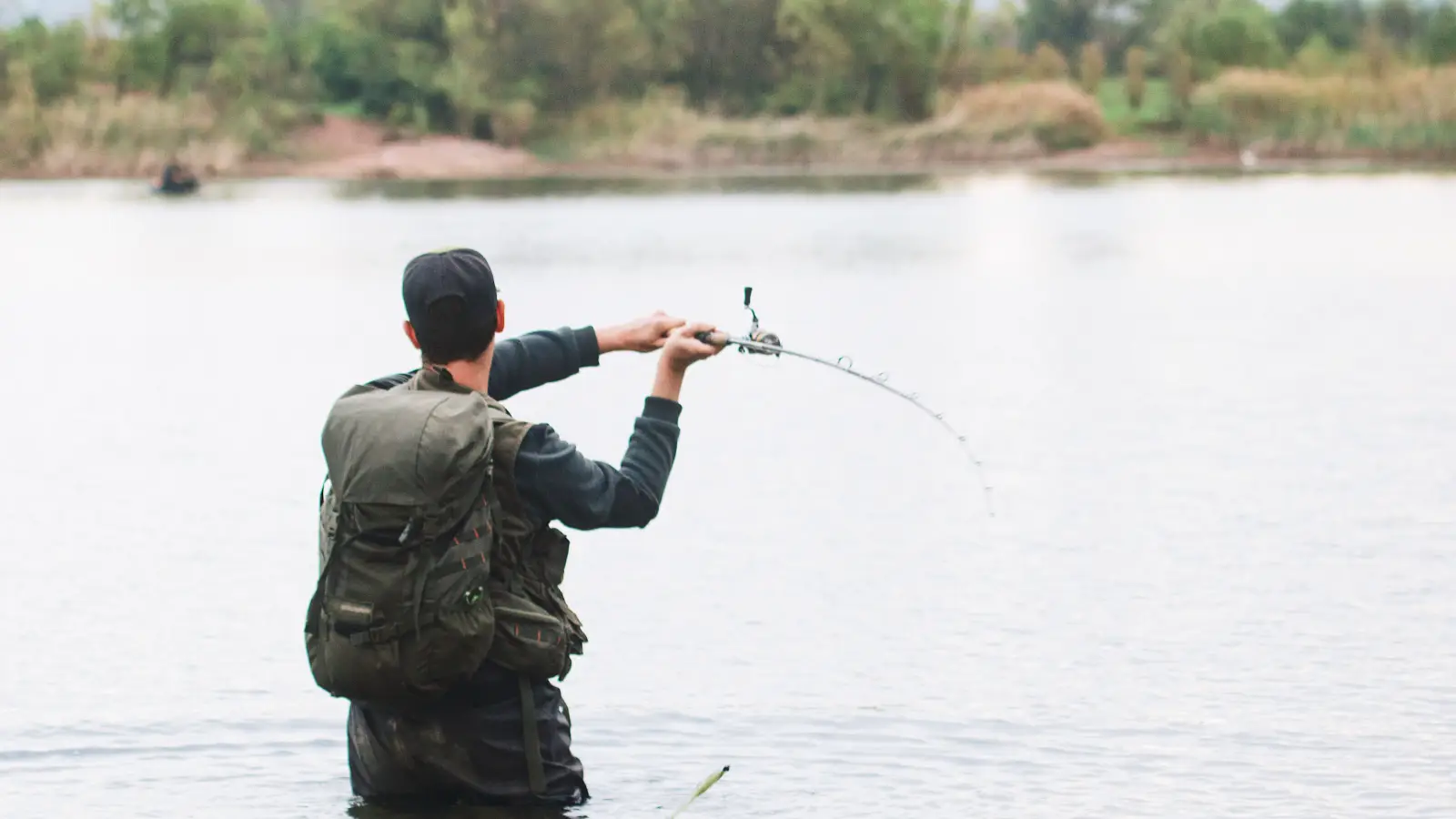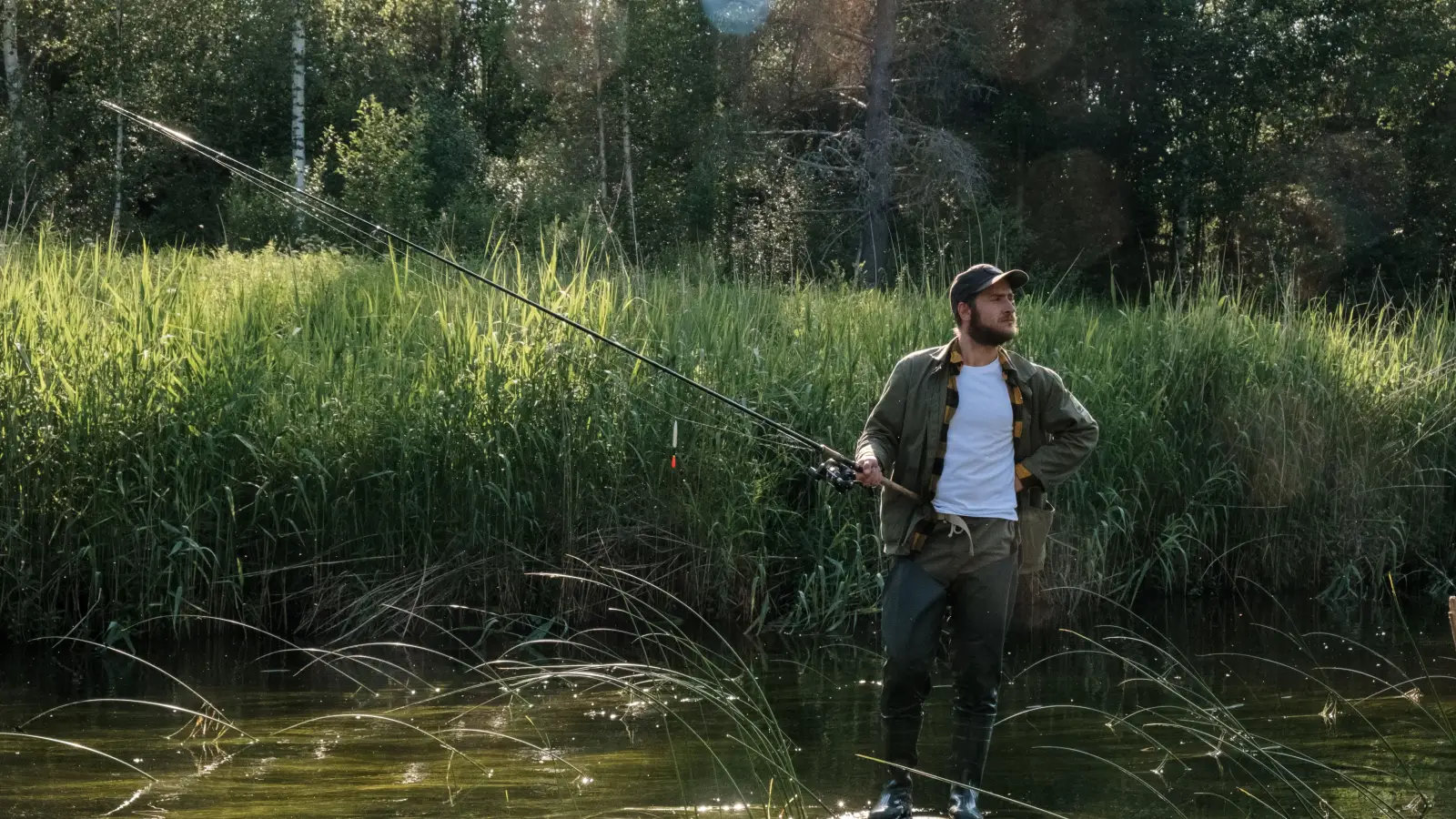
Most beginners are handed a rod and shown how to move it for a specific reel, but they’re never told why the line flies forward at all. This guide replaces that recipe-style approach with a single mechanical framework that governs every cast—spin, baitcast, or fly. After reading, you’ll be able to diagnose a bad cast before you see the result and adapt to any rod without memorizing another set of steps.
Why the Cast Works Before the Reel Gets Involved
Casting mechanics is the study of how the rod, line, and caster’s body convert human motion into a controlled loop of line that carries a lure to a fish. The physics are straightforward: the rod is a spring, the line is a mass, and the arm provides acceleration and a hard stop. These elements don’t change when you switch from a spinning reel to a baitcaster to a fly rod; they only change how you release the line. A systems-thinking approach treats every cast as a single energy-transfer problem with a handful of adjustable variables—tip path, load timing, and stop quality. Master those, and the reel becomes the least interesting part of the operation.
Getting the Machine Right Before Water Touches the Line
The first job isn’t a full cast. It’s training your eye and your arm to detect and produce the one motion that separates a good cast from a tangle. Follow these three steps with any rod, no reel necessary for most of it.
- Watch a tight loop. Find a video of a clean fly or spin cast and isolate the line’s airborne shape. A tight, pointed loop unrolls efficiently and hits the target. A wide, floppy loop bleeds energy and catches wind. Study that shape until you can see it in your mind before you ever pick up a rod.
- Paint a straight line. Hold a bare rod and practice moving the tip along a perfectly horizontal, straight path—like drawing a chalk line on a wall. Use your forearm as the main lever and lock the wrist. The moment the tip arcs up or dips down, you’ve introduced a flaw that will show up as a tailing loop or missed fish.
- Feel the spring. Thread 15 feet of line through the rod and tie on a small practice plug. Start with the tip low, accelerate smoothly forward, and stop abruptly at about the 10 o’clock position. The rod will bend during the acceleration and then snap straight at the stop. That bend-and-release cycle is the engine of every cast. Repeat until you can tell the difference between a crisp load and a mushy one.
Proof of Principle: The Straight-Line Cast
Before the theory gets deeper, put the most important idea into your hands. The straight-line path rule says the rod tip must travel in a straight line during the casting stroke. Obey it, and you get a tight, efficient loop that carries energy without tangling.
Use the same 15-foot setup. Stand square, start with the tip low behind you, accelerate forward in one smooth, straight horizontal line, and stop hard when the rod reaches 10 o’clock. Don’t think about power. Think about a clean line drawn in the air. The rod will unload, the loop will form tight and narrow, and the plug lands 15 to 20 feet away without a knot. Do it three times in a row, and you’ve proven the framework works. Now you’re ready to learn why.
The Core Concepts That Run Every Cast
The Straight Line Path
The tip’s path during the stroke controls everything that happens next. Any deviation—an upward sweep, a dip at the start, a scoop at the finish—writes a wave into the line that becomes a tailing loop, a wind knot, or a limp, tumbling delivery. Fly casters treat this as gospel; spin anglers and baitcasters live by the same physics even if they never name it. Think of the rod tip as the stylus on a seismograph. If you want a clean signal, it has to move in a straight line.
Loading and Unloading the Spring
A fishing rod is a spring. During the acceleration, line resistance bends the rod and stores potential energy. At the stop, that energy transfers into the line. A smooth, progressive acceleration loads the rod evenly and releases all its stored energy at once. A jerky motion loads it in fits and the result is a sloppy, energy-wasting loop. This is just as true for a light fly rod as it is for a surf stick heaving 4 ounces. Timing wins, not force.
The Stop That Sends It
The stop is where the rod ends its forward travel and the line shoots free. A sharp, decisive stop creates a fast, narrow loop; a hesitant, mushy stop leaks energy and throws a wide loop that collapses early. The common failure is to let the rod drift forward after the stop—which is like a pitcher pushing the ball instead of throwing it. Picture hitting an invisible wall at the end of every stroke. The harder you stop, the more distance you get for the same effort.
Reading the Loop Like a Dashboard
The loop’s shape in the air is a direct report on your mechanics. A narrow, pointed loop says your tip path was straight and your stop crisp. A wide loop says you arced the stroke. A tailing loop—one that closes and then crosses itself—says you accelerated too fast early on or didn’t let the backcast straighten. Train yourself to watch the loop every cast, and you’ll fix problems before they become fish-spooking tangles.
Mistakes Beginners Make Because They Ignore Mechanics
The Scoop That Kills the Cast
Dipping the rod tip at the start of the forward stroke and then scooping it up at the end is the most reliable way to produce a useless, open loop. The fix is simple in theory and difficult in muscle memory: imagine a slot the width of a ruler a few inches above the water and drive the tip through it without any vertical movement. Return to the straight-line drill until the arc is gone.
Breaking the Rod at the Wrist
A wrist flick generates a short, violent arc that can’t load the rod properly. The rod needs time and distance to bend. Use the forearm as the main driver, keeping the wrist stiff enough to transmit power without collapsing. The difference in loop shape is immediate—tight and controlled instead of flailing.
Rushing the Stroke Instead of Building Speed
The most common error among beginners who are trying to cast farther is grabbing high speed from the first inch of movement. That slams the rod into a near-instant load, creating a tailing loop. A cast should accelerate like a car merging onto a highway: gradual at first, then steadily faster, with peak speed arriving a split second before the stop. Progressive acceleration is the signature of every instructor-level cast.
Neglecting the Backcast
The backcast isn’t wasted motion; it’s the loading stroke for the forward cast. A lazy, incomplete backcast leaves slack line behind you, so the forward stroke spends its first moment just taking up slack instead of loading the rod. Always feel the line straighten—a slight tug in the hand—before beginning forward. That pause earns free energy.
Quick Answers to the Questions That Come Up Every Session
Why does the line knot up in mid-air?
Wind knots and backlashes usually trace back to a tailing loop, which means the tip path rose and then dropped during the stroke, or the acceleration spiked too early. Shorten the stroke, smooth the speed buildup, and keep the tip moving flat.
Is casting really the same across different gear?
The physics—a spring loading, a straight-line path, a crisp stop—stay constant. The reel type changes how line is stored and released, but the rod’s job and the required tip motion don’t change. Learning mechanics once means you can switch outfits and focus only on the release.
How do I get more distance without muscling it?
Speed and a tight loop produce distance, not brute force. Concentrate on accelerating smoothly through the longest straight-line stroke you can control and stopping hard. The rod and line physics deliver the distance automatically when the loop is narrow and fast.
What can I practice without water that really helps?
The dry-land straight-line path drill—moving a bare rod tip along a straight line for five minutes a day—fixes more casting faults than any other exercise. It builds the muscle memory for a clean tip path, which solves the root cause of most tangles and short casts.
What to Learn Next
With the mechanical framework in place, take the same principles and apply them to one reel system at a time. Pick a spinning, baitcasting, or fly outfit and repeat the same controlled-cast and straight-line-path drills with that gear. Observe how the line feeds off the reel and adjust the stop timing slightly if needed. Then move to the next stage:
- Line management under load: For spinning, learn to feather the line with your index finger to prevent loops from jumping off the spool. For baitcasting, develop thumb control over spool speed. For fly, practice stripping and shooting line while keeping tension.
- Accuracy under 25 feet: Set a hula hoop or bucket lid as a target and work on landing the practice plug inside it every time. Focus on loop tightness—the smaller the loop, the more precise the delivery.
- Casting in wind: Once the calm-day cast is clean, practice with a light breeze. The principles don’t change, but the stroke plane and loop shape must become even tighter. It’s a stress test that reveals any remaining flaws in your tip path.
The single most effective next step is to spend one week doing the straight-line path drill daily, then go to water and make that same cast with a reel and real line until the loop is tight every time. Mechanics aren’t theory; they’re a physical skill. That skill shows up in every cast you make from here on out.