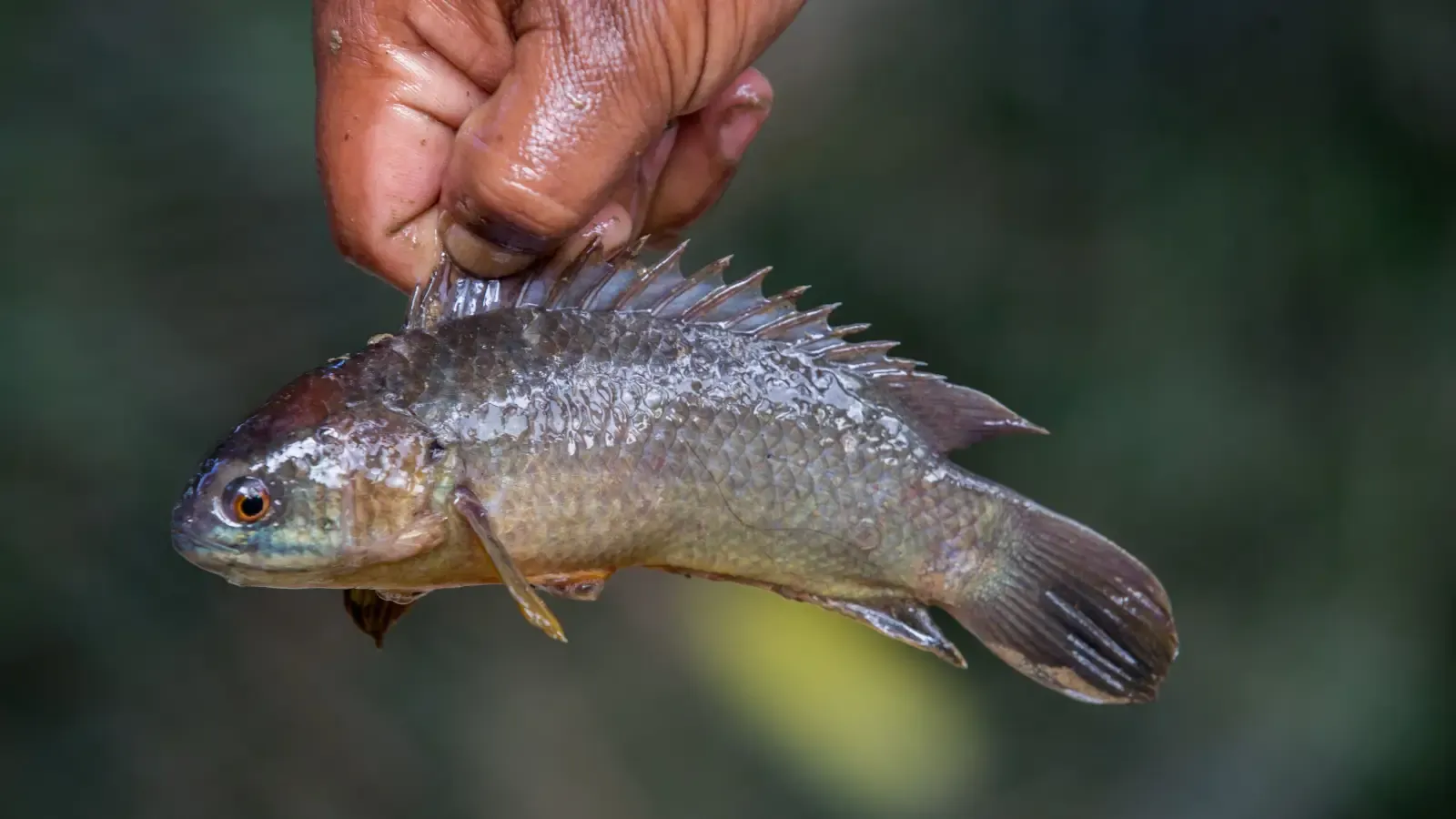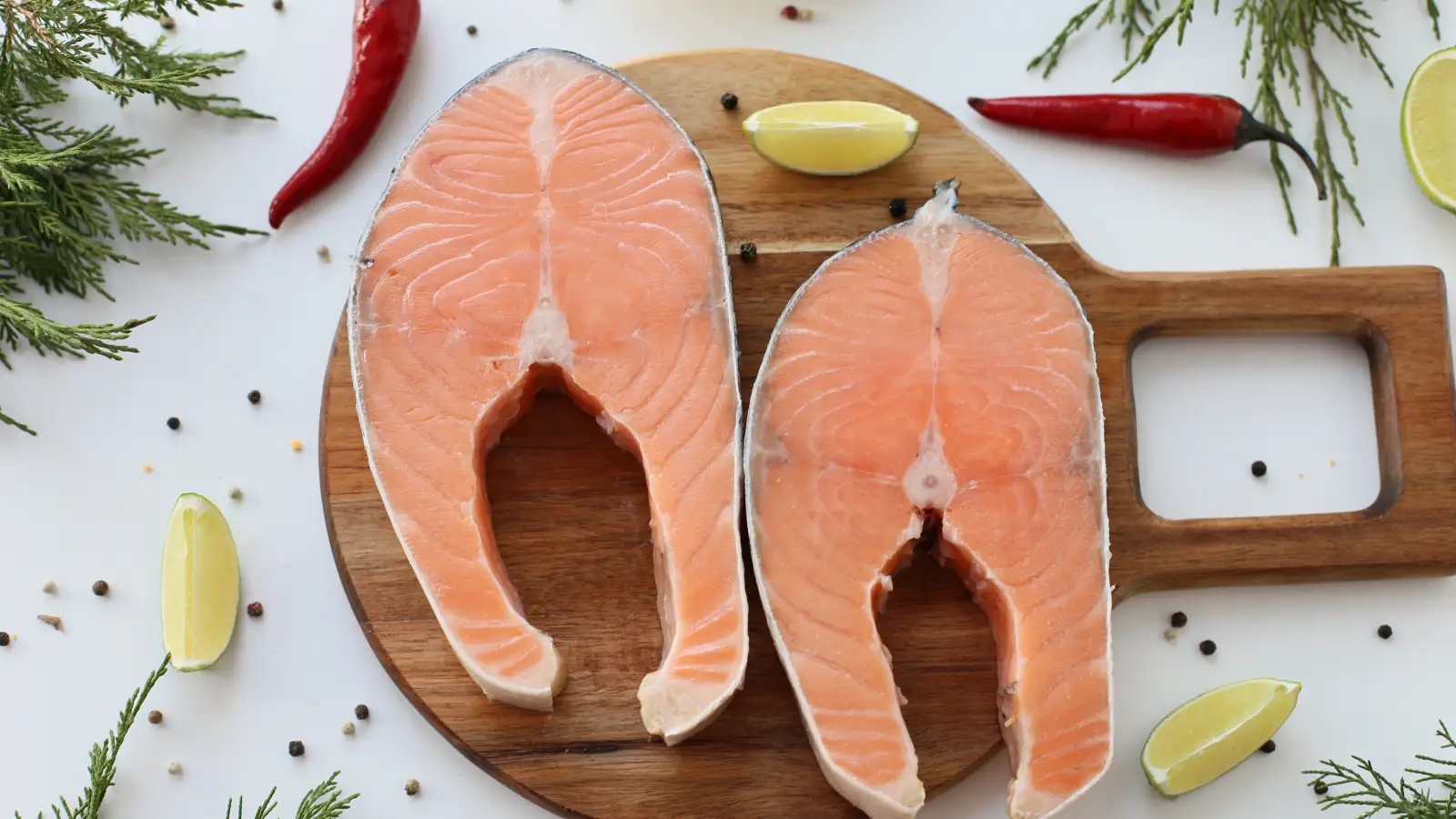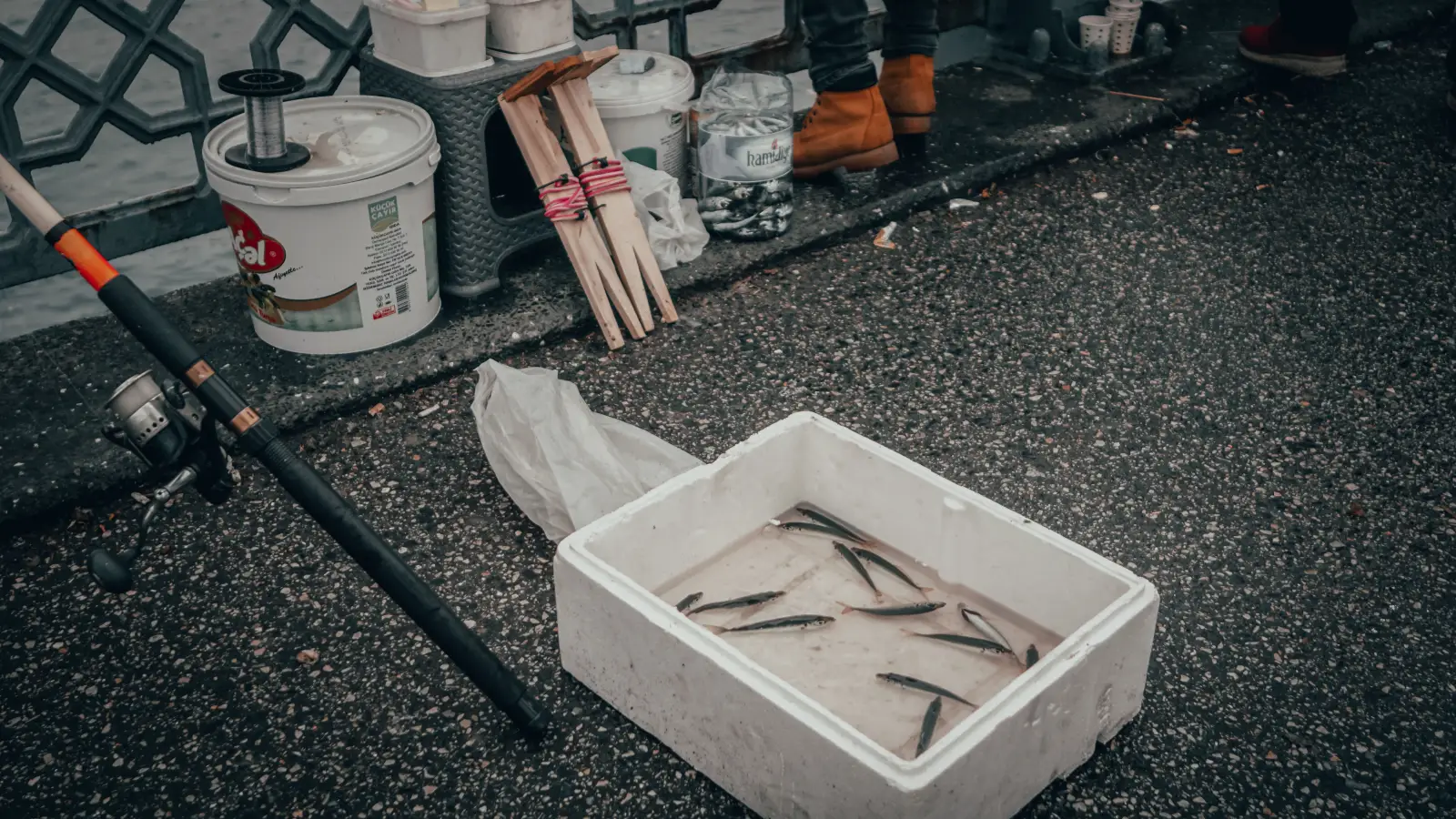
A fish begins spoiling the instant it dies. Not when you reach the cooler, not when you get back to the dock—right there on the deck. In two hours of warm air, the flesh can slide into the danger zone and never really recover. The fix that works every time: an ice-to-water slurry with the correct ratio for the fish you caught and the weather you’re in, packed into a container that keeps the fillets out of the water, no cooler required.
What a Properly Stored Catch Looks Like After Hours on the Water
After six hours on a hot boat ramp, a fish stored this way comes out with bright eyes, firm flesh, and a core temperature still hovering just above freezing. The fillets haven’t soaked in meltwater, so the texture is tight—not waterlogged. The slime layer stays intact because the humidity inside the container stayed high, and the smell is clean, not ammonia-heavy.
The Full Slurry-to-Container Checklist
- Bleed the fish immediately after landing, before body heat sets into the fillets.
- Determine the ice-to-water ratio based on species fat content and the current outside temperature.
- Prepare the container with a false bottom or perforated insert that keeps the fish entirely above any standing water.
- Add the ice first, then water, to build the correct slurry density.
- Submerge the fish in the slurry, belly-side down, making sure no skin touches the container wall directly.
- Monitor the slurry every two hours, topping off with fresh ice and draining excess water as needed.
- At the end of the trip, remove fish from the slurry and place on a clean surface for filleting—do not let them warm up on a cutting board.
Bleed the Fish the Instant It’s In the Boat
Takes under a minute. Cut the gills or the artery behind the gill plate while the fish is still pumping. This clears blood from the muscle, which is where spoilage starts. The number-one mistake is putting the fish on ice first and bleeding later—by then the heart has stopped, blood’s already settled in, and you get that muddy, off flavor.
Nail the Slurry Ratio for the Species and the Weather
A slurry isn’t just ice floating in water. The point is a near-freezing bath that pulls heat out evenly. For lean fish like trout or walleye on a 70°F day, a 1:1 ice-to-water ratio by volume is enough. When it’s hotter than 85°F, or for fatty fish like salmon and mackerel, go 2:1—more ice, leaner water. Fatty flesh holds heat longer, so it needs the extra chill. The mistake people make is skimping on ice and ending up with a thin, lukewarm soup that barely cools the skin.
Set Up the Container to Prevent Soggy Fillets
Without a cooler, the best move is a sturdy plastic tote with a raised insert—a drilled-out cutting board or a colander that sits an inch above the bottom. Ice and water fill the bottom, and the fish rests on the rack, never in standing water. They stay in that cold, humid air above the slurry, so the fillets never get waterlogged. A cheap, uninsulated tub wrapped in a towel gives you a little extra insulation. The most common screw-up: throwing fish straight into a bucket of ice, where meltwater pools and turns the flesh mushy within a couple of hours.
Layer Ice, Then Water, to Build the Right Density
Dump the ice—crushed or block—into the container first, then pour water over it until the ice barely floats. The mixture should be slushy, not soupy. This surrounds the fish with a cold, dense medium that conducts heat away fast. Setup takes maybe two minutes. The mistake: adding water first, then ice, which leaves a thin, floating layer of ice that doesn’t contact the fish evenly.
Submerge the Fish Belly-Side Down for Even Cooling
Place each fish in the slurry with the belly cavity down. That puts the coldest slurry right next to the guts—the warmest part—and pulls heat from the inside out. For large fish, pack crushed ice into the body cavity before setting it on the rack. Takes seconds. The error: stacking fish on top of each other, which creates pockets where warm air gets trapped and bacteria multiply fast.
Check and Refresh the Slurry Throughout the Trip
Every two hours, lift the insert and look at the slurry. If more water than slush is visible, drain some water and add more ice. In 90°F heat, you might need to do this every 90 minutes. The slip is assuming the first load of ice will last all day, then finding the slurry’s gone tepid by mid-afternoon.
Stop the Warming Cycle Before Filleting
At the end of the trip, pull one fish out at a time for cleaning. Don’t empty the whole catch onto a cutting board in the sun. Keep the rest in the slurry until you’re ready for each one. This takes restraint, not time. The common error: pulling everything out at once so the last fish warms up while you’re cleaning the first.
Final Verification Before You Call It a Day
- Every fish was bled within a minute of landing.
- The slurry ratio matched the species and the outside temperature.
- No fish touched standing water at any point in the container.
- The slurry was refreshed at least once during a long trip.
- Filleting occurred one fish at a time, from slurry to knife.
Common Questions When the Catch Won’t Wait
Why can fish spoil in only two hours?
Bacteria multiply rapidly between 40°F and 140°F, the danger zone. A freshly killed fish in warm air hits that range within 20–30 minutes. Without active cooling, the flesh can degrade enough to become unsafe or unpalatable in as little as two hours.
What’s the difference between a slurry and plain ice?
Ice alone only contacts the fish where it touches, leaving air gaps that insulate rather than cool. A slurry—ice mixed with water—conducts heat away from the entire surface evenly, dropping the core temperature much faster.
Can I use this method without a cooler?
Yes. The described setup uses any clean, food-safe tub or tote with a false bottom. Insulating it with a towel or placing it in the shade makes it effective even without a premium cooler.
How long will the fish stay fresh in a slurry?
With the right ratio and topping off the ice, fish can stay in excellent condition for 6–8 hours, sometimes longer if the ambient temperature isn’t extreme. Monitor the slurry temperature—it should stay below 35°F.
Does the ratio change for different fish species?
It does. Fatty fish need a colder, icier slurry to offset the insulating properties of their fat. Lean fish can handle a slightly lighter ratio, but erring on the colder side never hurts.
The Payoff and a Shortcut for Next Time
Follow this sequence, and you hit the dock with fish that fillet like they came from a refrigerated counter, not a slush bucket. Flesh is firm, smell is clean, and they’ll last days longer in your fridge. To move faster next time, freeze half-gallon jugs of water the night before and use them as ice blocks—they melt slow, hold temperature longer, and don’t dump extra water into the slurry.