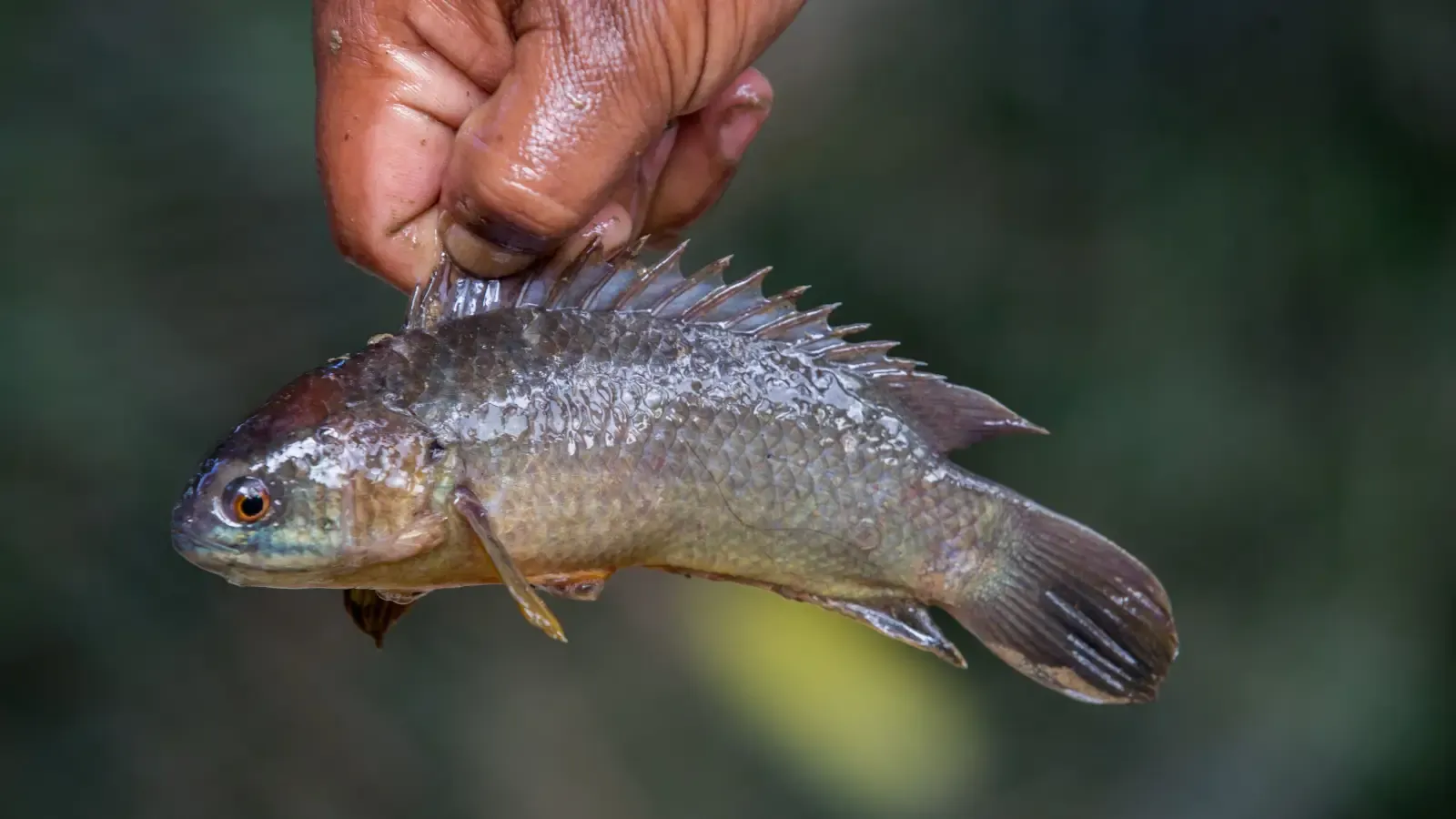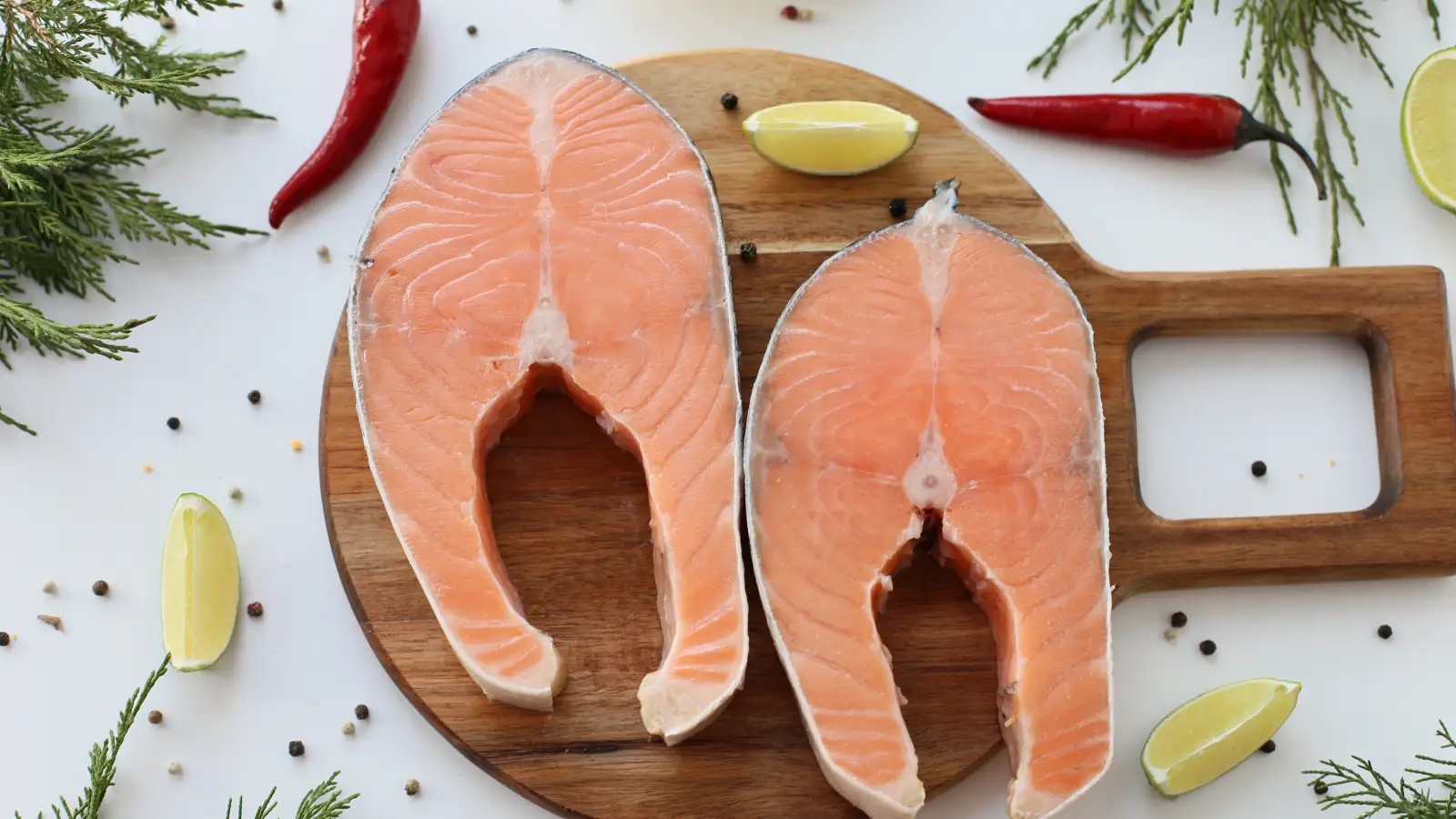
The clean fillet you bring home depends on a simple choice: are you cutting a trout or a flounder? Round fish like trout and salmon are made for the classic belly slit—their intestines run in a tidy line down the center. Flatfish? Completely different animal. Their body cavity twists off to one side, their belly is useless as a guide, and a standard belly cut will quickly turn a dinner plate candidate into bait scraps. Instead, the braincut—a method that goes in behind the head and pulls the guts out through the gill opening—is the only approach that matches their anatomy. Ditch the one-cut-for-all mindset and start reading the fish in front of you.
The Verdict: Why the Standard Belly Cut Fails Flatfish
If your catch is a typical freshwater species—trout, bass, crappie—grab your knife and do the belly cut. It’s fast and practically foolproof. But the second you’re staring at a flounder, sole, or small halibut, put that instinct away. The belly cut on a flatfish is a shortcut to frustration: you’ll miss the gut cavity, stab the gall bladder, and slice through the fillet on the blind side. The braincut skips the belly entirely, using the head opening as a service hatch to extract the viscera cleanly. The moral? Your knife follows the anatomy, not the other way around.
| Criteria | Belly Cut (Round Fish) | Braincut (Flatfish) |
|---|---|---|
| Best fish shape | Streamlined, symmetrical (trout, bass, salmon) | Compressed, asymmetrical (flounder, sole, halibut) |
| Primary cut | Slit from anus to gills along belly | Cut behind the head through gill opening, then pull viscera |
| Gut removal | Direct access to body cavity | Viscera removed via the head opening, belly left intact |
| Meat waste | Minimal if done right | Very low—keeps fillets whole |
| Typical challenge | Cutting too deep into organs | Mastering the head removal and pull |
The Belly Cut: A Blueprint for Symmetrical Fish
Let’s be honest: the belly cut works brilliantly because it mirrors the design of a round fish. Trout, salmon, bass—they're basically tubes with a convenient zipper line running from vent to gills. Run a sharp knife along that line, spread the cavity, and pull out the innards in one go. It’s taught first for good reason. The weakness? It doesn’t transfer. That same cut on a flatfish becomes an awkward diagonal slice across muscle you’d rather keep. Flatfish guts don’t hang from a central seam; they’re tucked closer to the backbone, and the abdominal cavity is compressed in ways that make a belly invasion messy and wasteful. The belly cut is a specialist tool—brilliant in its domain, disastrous outside it.
The Braincut: Reading a Flatfish's Hidden Blueprint
Now, flatfish. Their biology is gloriously weird. As juveniles, one eye migrates across their skull, and their entire body flattens, turning them into living rugs that hug the seafloor. That twist rearranged their guts into a compact package sitting mostly under the eye-side fillet. Enter the braincut. Instead of trying to slice through a nonexistent belly seam, you cut diagonally behind the head from the top, sever the spine, and pull the entire head-and-gut assembly free in one motion. The belly stays untouched, the fillet geometry intact. It looks odd the first time you try it, and you’ll need a sturdy knife to get through the skull, but after a few flounder, it will feel as natural as the belly cut on a trout. The payoff: a perfectly clean fillet with no bile or gut fragments.
Where Anatomy, Speed, and Waste Actually Matter
Anatomy Compatibility
The belly cut demands a symmetrical fish with a central belly seam. The braincut demands a compressed fish with a dorsal gut cavity and a head big enough to grab. Mismatch either one, and you’ll end up with a mess.
Real-World Speed
For round fish, the belly cut takes seconds. For a flatfish, the braincut may take 45–60 seconds while you learn the cut placement, but the total job—including clean-up—is drastically shorter than wrestling with a belly-cut flounder. Speed is about total yield, not just the first slice.
Meat Preservation
A belly cut on a flounder typically shaves off some of the pectoral fin fillet and risks piercing the liver or gall sac. Braincut avoids the fillet entirely, keeping every edible ounce intact. On round fish, the belly cut wastes essentially nothing when executed correctly.
One-Cut Versatility
Sorry, there’s no universal cut. If you only know the belly cut, you’re helpless with flatfish. If you only know the braincut, a trout will stump you. Learn both, and you can handle any catch that comes over the gunwale.
Safety at the Table
The braincut puts you near the skull with a stiff blade—slips happen if you rush. The belly cut on a big fish can push your hand toward a sliding knife if you don’t brace the fish. Both demand respect, not speed.
The Right Cut for the Fish on Your Table
- Filleting a stringer of bluegill? Belly cut.
- A flounder fresh from the surf? Put down the belly-knife instinct.
- Sort your catch before you start cleaning: round fish in one pile, flatfish in another. Trying to use the same cut on both will cost you time, fillet quality, and patience.
- There’s no moral superiority to either method—only a biological reality. The fish’s body plan calls the shots.
Frequently Asked Questions About Dressing Round vs Flat Fish
Can I use a belly cut on a flounder?
You can, technically—but why fight the fish’s anatomy? The cut won’t align, you’ll slice into meat you meant to keep, and there’s a good chance you’ll break the gall bladder, ruining the fillet with bitter bile. Save yourself the hassle.
What’s the braincut method exactly?
Make a V-shaped incision behind the gill plate from the top (eyed) side, cut through the spine, and pull the head away from the body. The guts come out attached to the head. Scrape the cavity clean and you’re done. The belly remains fully sealed.
Do I need a different knife for flatfish?
A stiff, narrow-bladed boning or fillet knife makes the head cut easier. Some anglers keep a heavy bait knife just for that initial spine cut, then switch to a flexible fillet knife. No exotic tools required—just something that won’t flex when you hit bone.
Why does a flounder look like it’s missing a side?
During development, one eye travels to join the other, and the fish flattens onto what becomes the blind, pale side. That migration scrambles the internal layout so the gut cavity ends up off-center—the whole reason the belly cut is a dead end.
The Bottom Line: Anatomy Decides the Cut
The fish doesn’t care about tradition. A brown trout and a flounder share the same class but demand completely different cleaning tactics. The belly cut is a precision instrument for round-bodied fish; the braincut is a flatfish’s personal key. When you understand why the cuts differ—because the fish’s internal geography dictates the entry point—you stop blindly following recipes and start dressing fish like someone who actually pays attention to what’s on the table.