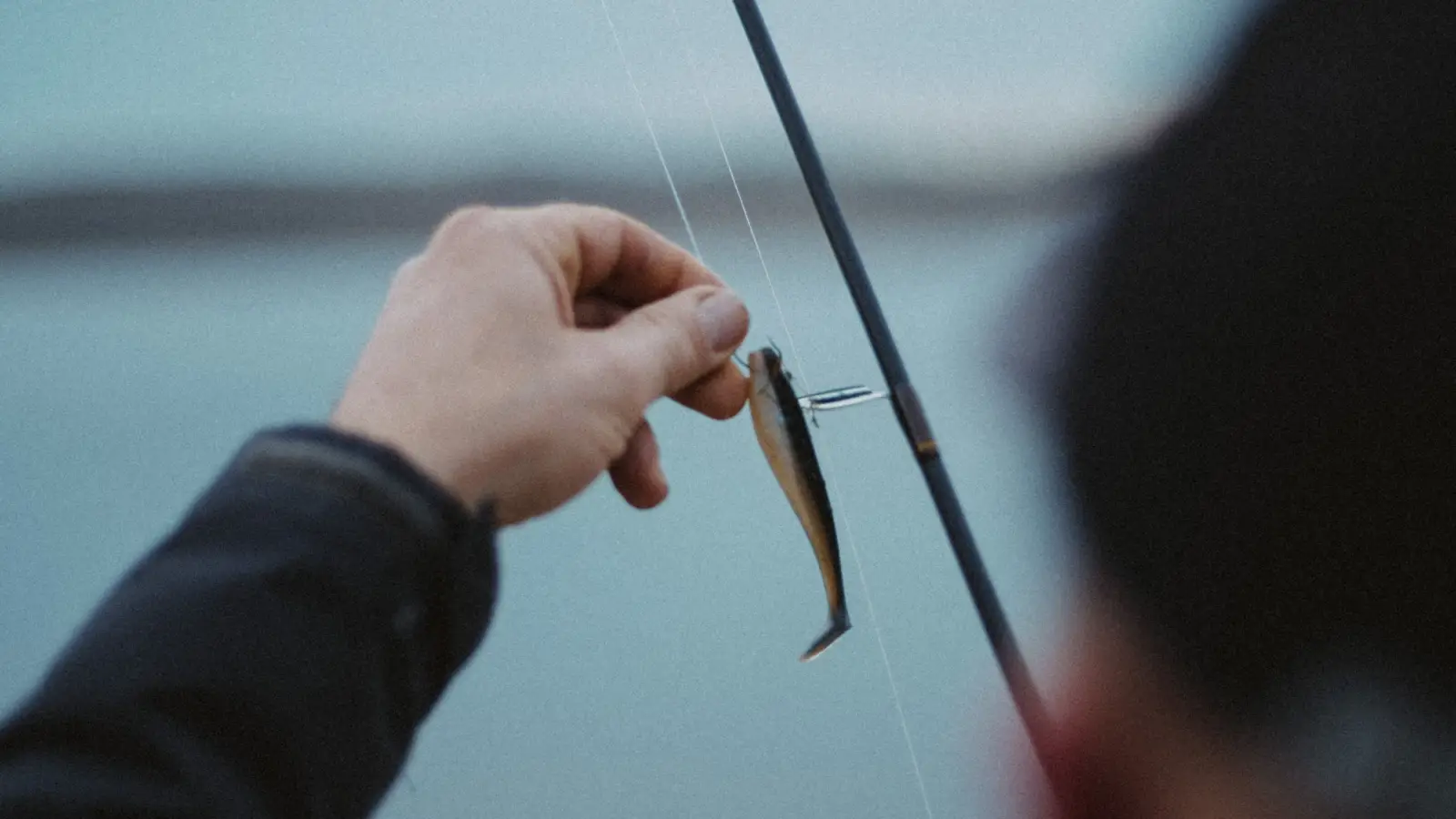
You’ve got bait in the water and fish ignoring it. They’re in the run—you’ve seen fins or flashes—but your rod tip might as well be frozen. The root failure is rarely the bait’s color or scent; it’s an unnatural drift. A bait that drags, plunges, or hangs lifeless in dead water broadcasts danger. It doesn’t read like food that’s been dislodged by the current.
That changes when you learn to read water features—current seams, eddies, depth changes—and tune your weight so the presentation tumbles at exactly the river’s pace, right through the strike zone without a hint of alarm.
Quick Fix: Get Your Bait Drifting Like a Natural in 4 Steps
If you’re on the water and getting skunked, run through these four adjustments first. Most of the time, the fix is simpler than you think.
- Find a visible current seam. Look for the foam line, a color change, or a line of bubbles where fast water rubs against slow. This transition is where predator fish station to ambush food.
- Adjust weight until the bait ticks bottom lightly. In a shallow, calm spot near the seam, test your rig. You want the bait to touch down every couple of feet—not drag continuously, not stay suspended.
- Cast upstream and mend immediately. Throw the bait at a 45-degree angle upstream, then flip the rod tip to lift the line and drop it above the offering so the current can push the bait, not the line.
- Feed line to match the current speed. Strip or pull off slack so the bait never accelerates or stalls. The goal is to make the bait’s speed identical to a drifting leaf.
The Weight Is Too Heavy – Bait Drags Rather Than Drifts
The most common mistake is over-weighting. When an angler doesn’t get bites, the instinct is to add more lead so the bait reaches the bottom faster. That’s exactly backwards. Too much weight turns the bait into a plow, kicking up silt, thumping unnaturally, and telling every fish in the pool something mechanical is moving through. A natural morsel doesn’t drag bottom like a sled—it occasionally skips and bounces.
How to confirm: You feel a constant thump-thump on the rod tip, the line goes slack only when you pick up the rod, and you’re snagging every few casts. The bait doesn’t lift easily when you raise the rod.
How to fix it: Remove split shot one piece at a time, or switch to a lighter slip sinker, and retest in a shallow, clear run. You’re looking for an occasional light tick every three to five feet—enough to know the bait is near the bottom but not hugging it. If the ticking stops entirely, you’ve gone too light.
The Weight Is Too Light – Bait Floats Over the Strike Zone
At the other extreme, too little weight leaves the bait suspended above feeding fish. This happens especially with buoyant baits like inflated nightcrawlers or lively shiners. The offering drifts over the fish’s head, never entering the visual window near the bottom where they’re stationed. Anglers will see follows but no takes—the fish comes up to inspect and then drops back, unimpressed.
How to confirm: The line stays tight but you never feel bottom contact, and fish may follow the bait but won’t strike. If you watch the line enter the water, you’ll see it angle down only slightly.
How to fix it: Add split shot gradually, starting small. Use a heavier sinker that still allows the bait to move freely—a sliding egg sinker or a few #4 shot pinched 12–18 inches above the hook often works. Test again in shallow water until you feel that light tap every few seconds. If you’re fishing pressured fish, consider a slip sinker rig so they don’t feel resistance.
Line Belly Steals the Natural Presentation
Even a perfectly weighted rig fails if the line pulls the bait off course. As current pushes against the floating line, it bellies downstream, yanking the bait forward or swinging it in an arc. The bait ends up traveling faster than the water, which no real forage does. The drift looks forced, and fish refuse it.
How to confirm: Glance at the line floating on the surface. If it’s bowing like a sail, the bait is being towed. You’ll also notice it swings across the current too quickly and never pauses in the feeding lane.
How to fix it: After the cast, immediately mend the line upstream by flipping the rod tip in a half-circle motion to lay the line above the drift. Follow the drift by feeding slack steadily, stripping line only to eliminate slack, never to speed up. The goal is to make the line invisible to the current’s pull on the bait for as long as possible.
The Bait Drifts Right Past the Fish’s Holding Spot
You can’t hook a fish if your bait never enters its feeding lane. The fastest part of the current is rarely where fish hang out—that’s energy-expensive. Instead, they sit in seams and eddies, where the current slows and brings food to them. Drifting straight down the middle is a waste of weight and time.
How to confirm: You’re getting no bites despite seeing fish in the run, and your bait seems to either zip through or stall in dead water. The drift never slows in the transition areas.
How to fix it: Read the surface features. A seam often reveals itself as a line of foam, a slight color difference, or a slick patch bordered by ripples. Cast upstream of the seam so the bait sinks into it as it drifts. If an eddy behind a boulder or log is the target, cast above and allow the bait to swing into the slack water. Adjust your weight so it sinks to the depth where fish hold—usually the deepest part of that transition—then hold the rod high to keep the line off the water and improve detection.
Your Footsteps Are Louder Than the Current
Everything about the presentation can be perfect, but if you wade like a buffalo, the pool empties before your first cast. Fish feel vibration through the water, and a heavy footfall telegraphs danger. Standing upright against the sky adds a visual threat.
How to confirm: You spot fish shooting away as soon as you come within casting range, or the water seems dead despite holding fish earlier.
How to fix it: Stay low, wear clothing that blends with the bank, and approach from downstream whenever possible—fish face the current, so your movement is less visible behind them. Wade slowly, feeling the bottom with your feet instead of splashing. Use a long rod and make short, underhand lob casts that plop the bait in softly.
The Bait’s Buoyancy Fights the Weight
A nightcrawler full of air and a chunk of cut bait don’t sink the same way. Ignoring buoyancy leads to a rig that’s constantly fighting itself—the bait trying to float, the weight trying to sink, and the drift twisting. The result is a spin, a lurch, or a lift that looks anything but natural.
How to confirm: You’ve found the right weight for one bait but it fails with another. The nightcrawler spins or the minnow swims so hard it pulls the whole rig off course.
How to fix it: Match the rig to the bait and current speed. For buoyant baits in moderate flow, add just enough weight to bring them into the strike zone but consider using a float to suspend them at a precise depth. For dense baits in slow current, a tiny split shot may be all that’s needed. In fast water, switch to a heavier salted bait or a cut bait that sinks quickly, or use a three-way swivel rig with a dropper weight that anchors the offering without locking it to the bottom.
When the Basics Aren’t Enough: Advanced Adjustments
Sometimes the standard bottom-drifting approach just won’t work—deep pools, turbid water, or highly educated fish demand a different setup.
Using a Float to Dial in Exact Depth over Deep Holes
When fish are suspended over 4–8 feet of water, a bottom drift either misses them or snags structure. A fixed float rig lets you set the bait precisely at the depth fish are holding. Use a slip float for deeper water, and adjust the stopper so the bait drifts a foot or two above the bottom. Pair with small split shot spaced evenly to avoid tangles and create a slow, stable fall.
Side-Drifting from a Drift Boat for Long Runs
In big rivers where you’re covering long stretches of holding water, side-drifting keeps the bait at the right speed without scary line angles. Set the boat sideways to the current, drop rigs straight down with just enough weight to stay near bottom, and use your rod tip to follow the drift while keeping the line vertical. This is a finesse game that eliminates line belly entirely.
Muddy Water: Letting Scent Do the Heavy Lifting
After a rain, visibility drops and fish rely on smell and vibration. You can increase weight slightly to keep the bait near the bottom where feel is strongest, and add scent to the bait. But don’t sacrifice drift: use a heavier soft sinker that still allows the bait to move naturally, and consider using a bait that oozes scent like a cut chunk of shad or a prepared dough bait.
The Slip Sinker Rig for Fish That Drop a Baited Hook
When fish pick up the bait and instantly spit it because they feel the weight, switch to a slip sinker rig. Thread a sliding egg sinker onto the main line, then tie a swivel and a longer leader (18–24 inches). The fish can take the bait without feeling the sinker, giving you time to set the hook. Adjust the weight just enough to reach the bottom, and keep the leader length appropriate for the current so the bait still tumbles naturally.
Building Habits That Keep You in the Strike Zone
A lot of drift issues can be avoided by building a pre-fishing routine that’s as automatic as tying a knot.
- Read the water before you tie a rig. Spend the first five minutes identifying the primary current seam, secondary eddies, and any depth changes. That dictates your weight choice.
- Carry a weight selection, not just one size. A small box of split shot from #6 to #1, a few egg sinkers in 1/8 oz and 1/4 oz, and some sliding sinkers covers most river situations.
- Test your drift in a shallow flat before fishing the prime run. Six casts in a clear side channel will tell you if the weight is right and the bait behaves naturally.
- Treat stealth as the default. Plan your approach before you enter the water. If you can cast from shore without wading, do it.
Common Questions About Bait Drift and Presentation
How do I find a current seam if the water is clear and calm?
Look for a line of bubbles or a slick streak on the surface. On a sunny day, polarized glasses reveal the subtle color change where fast water (lighter chop) meets slow (glassy). The seam is often near the outside bend of the river.
What weight should I use for drifting nightcrawlers in a medium-speed river?
Start with a single #4 split shot about 12 inches above the hook. Test in shallow water; if the worm doesn’t tick bottom in six feet of drift, add a #6. The goal is just enough to get it near the bottom without killing the worm’s wiggle.
Why does my bait keep snagging on the bottom even with light weight?
Your weight may still be too heavy for the depth, or you’re fishing a rocky bottom where a short drift and frequent mends can’t prevent snags. Switch to a longer leader (24–30 inches) and use a soft split shot that pulls free when snagged. Alternatively, try a floating jig head with a split shot a few inches above to keep the hook elevated.
Is it better to drift bait on the bottom or under a float?
Both have their place. Bottom drifting is best for active fish feeding in current seams and tailouts where the bait needs to be near the substrate. A float excels when fish are suspended, in slower pools, or when you need to hold the bait at an exact depth without snagging. Let the water type dictate the method.
How do I know if I’m spooking fish before I even cast?
If you see flashes of silver scattering as you approach, or the water goes dead quiet after a few steps, you’ve spooked them. Use the “low and slow” approach: crouch or kneel when approaching the bank, and pause for a minute before making the first cast to let the pool settle.
If the River Says No: When to Pivot
If you’ve tuned the weight, mended the line, read the water perfectly, and still haven’t turned a fish, the pool may simply be shut down. Fish can lockjaw during cold fronts, high sun on clear water, or after heavy pressure. Instead of hammering the same run, move to different water—try a deeper eddy, a shaded undercut, or a riffle that hasn’t been fished. If that fails, switch to an artificial lure that covers water faster and triggers reaction strikes. And when all else fails, ask at a local tackle shop what they’re biting on; sometimes the bait simply isn’t what the fish want that day.