About 80% of anglers start with live bait because it produces bites with almost no learning curve. A nightcrawler on a hook under a bobber works, plain and simple, whether you’ve fished for years or it’s your first time. The real decision isn’t bait versus lures — it’s knowing exactly when bait stops being the sharpest tool for the conditions and when switching to artificials puts more fish in the boat or lets you fish water you couldn’t otherwise reach.
This article weighs effectiveness, cost, convenience, and the skill each method demands, not to declare a winner, but to make you a better tactician. By the end, you’ll know when to grab a can of worms and when to tie on a crankbait — and why that choice often flips from morning to afternoon.
The Tactical Scorecard: Scenarios That Decide Bait or Lures
Before the detail, this table lines up common fishing goals against the method that delivers best — and cuts to the reason in one sentence.
| Scenario | Winner | Why |
|---|---|---|
| You need a bite right now with zero skill | Bait | Scent and natural movement trigger strikes from any fish in the area. |
| You need to cover water quickly to find fish | Lures | A spinnerbait or crankbait allows fast, repeated casts that trigger reaction strikes. |
| You’re fishing clear, heavily pressured water | Lures | Small, subtle artificials present a natural profile without the unnatural bulk of a bait rig. |
| Your budget is the tightest constraint | Bait (short term) | A tub of nightcrawlers costs a few dollars; lures repay themselves only after many trips. |
| You’re targeting one specific, line-shy trophy fish | Lures | Tiny jigs or flies can match the exact forage without the extra metal and line that spook old fish. |
When You Just Need a Bite Right Now
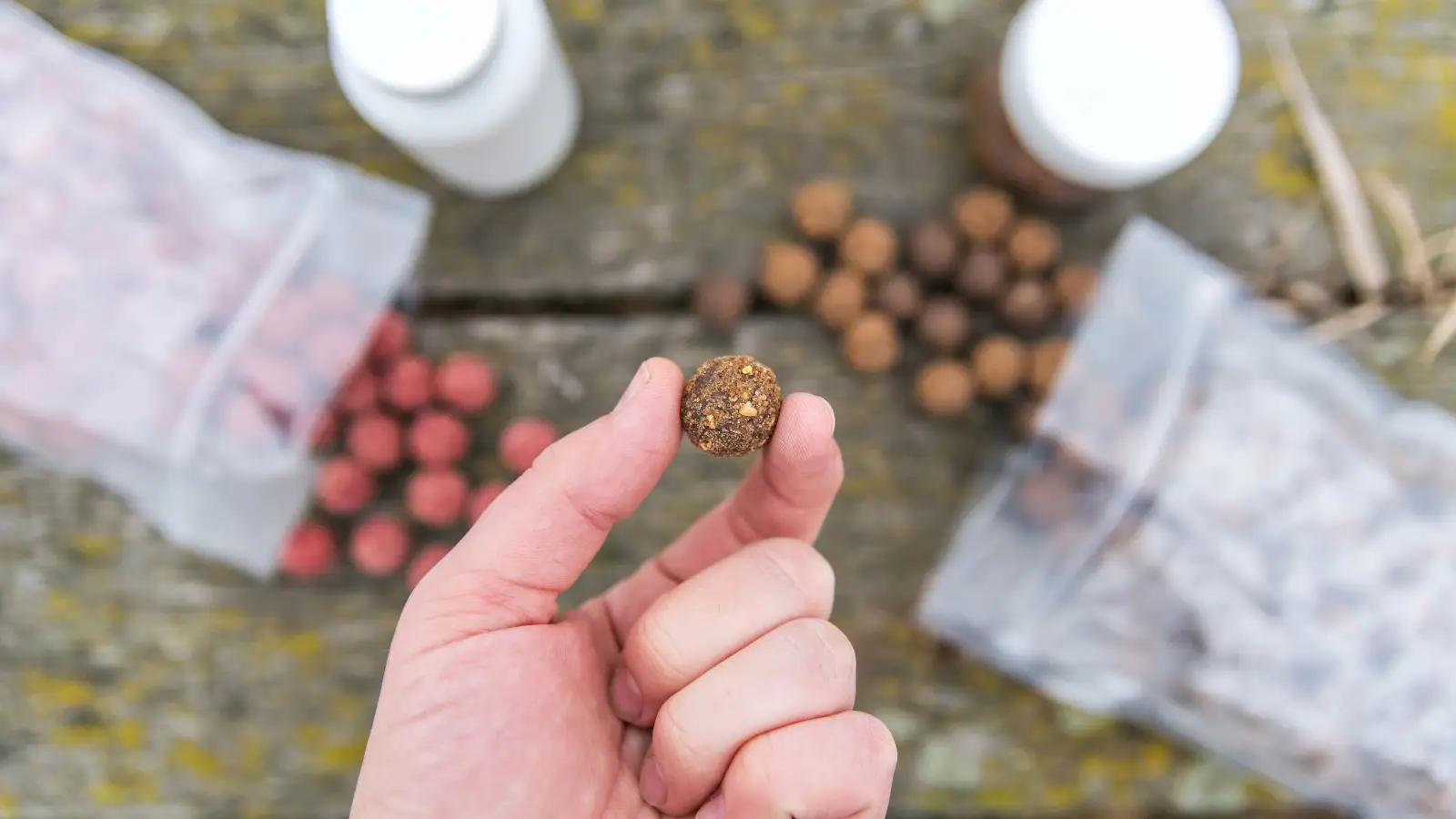
Bait owns this scenario. A piece of nightcrawler, a live minnow, or a cricket under a float leaks scent into the water that fish cannot ignore. Even a sloppy cast or a dead-still retrieve eventually pulls a bite. This works in ponds, rivers, and lakes when the goal is simply to put a fish on the line — a kid’s first trip, a quick shore lunch, or a day when you need to break a skunk.
Tradeoffs: Bait burns time. Re-baiting after every nibble eats into fishing minutes. You also lose the aggressive search capability; bait rigs drift and wait, they don’t hunt. If covering ground fast is part of the plan, bait will hold you back.
When Covering Water to Find Fish Is the Priority
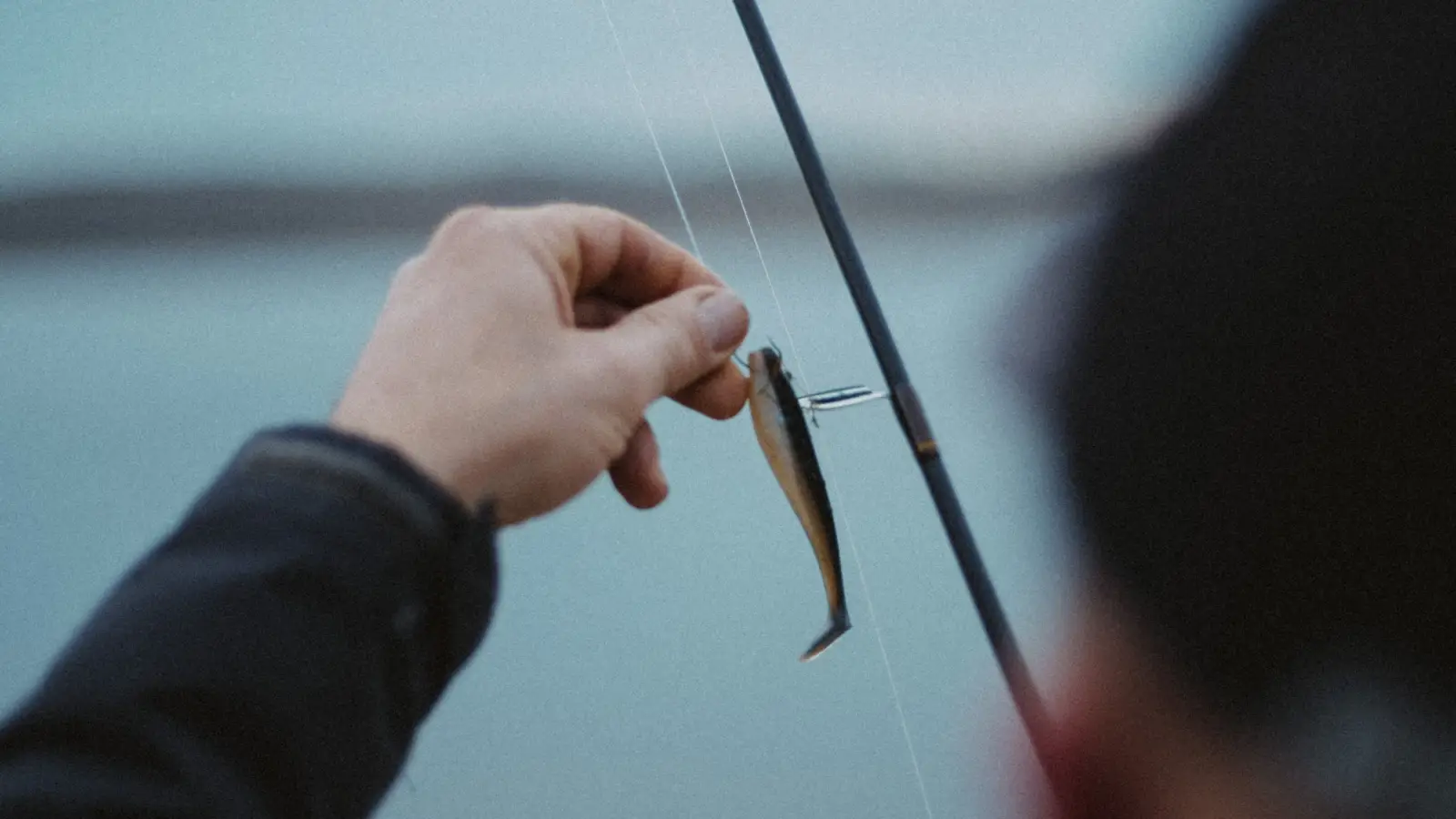
Lures dominate when the mission is to locate active fish over a wide area. A spinnerbait, lipless crankbait, or paddletail swimbait lets you cast and retrieve dozens of times down a bank without pausing to rebait. Reaction strikes happen on the move — fish lash out at the flash and vibration even when they aren’t feeding.
Using bait in this situation drags the pace to a crawl. Every missed bite means fumbling with a new worm; every cast covers less real estate because bait rigs are fished slow to let scent work. For a kayak angler covering a mile of shoreline or a wade fisherman working a big flat, the efficiency difference is night and day.
When You’Re Fishing Clear, Heavily Pressured Water
Artificials usually win here. In water where fish have seen everything, a live worm on a hook and split shot looks unnatural from the extra hardware — swivels, heavy hooks, bulky floats. A small finesse worm on a drop shot, a subtle Ned rig, or a tiny hair jig presents a silhouette that copies real forage without the clutter. Clear-water fish inspect baits carefully; a lure that matches the local baitfish or crawfish often gets a commit when a glop of live bait doesn’t.
Still, if you dead-drift a single live minnow or a piece of nightcrawler with minimal terminal tackle, bait can produce — but it requires precise presentation and often fails to trigger the spookiest fish that will eat a micro artificial.
When Your Budget Limits Every Trip
For a one-off trip or a family vacation, bait is the cheaper upfront play. A dozen nightcrawlers runs about $4, a box of red wigglers even less, and catching your own grasshoppers or crickets costs nothing. You can fish all afternoon for under $5.
Lures carry a higher entry price — $5 to $15 apiece is normal — but they’re reusable over many trips. Over a season, a basic kit of three crankbaits, a few soft plastics, and some terminal tackle may actually cost less than buying fresh bait every weekend. The math is simple: fish twice a year, bait wins on money. Fish twice a month, a small lure collection quickly becomes more economical.
When You’Re After One Specific, Line-Shy Trophy Fish
Lures are the smarter tactical choice when you’re hunting a particular large, spooky fish — a pressured smallmouth in a gin-clear river or a muskie that has seen ten lures that day. With lures, you can precisely match the size, color, and action of the forage without any extraneous weight or unnatural scent trail. A hand-tied streamer or a realistic soft plastic swimbait can be presented with a stealth that a bait rig can’t touch.
Bait can still catch trophies, but it tends to draw attention from every fish in the area, increasing the chance that smaller fish steal the bait before the target fish commits. In trophy hunting, control and stealth usually beat brute attraction.
Where the Difference Barely Matters
Some fishing situations blur the lines so much that spending mental energy choosing bait versus lures is a waste. Stop weighing the decision here.
- When fish are aggressively feeding on the surface. If bass are blowing up on shad in a feeding frenzy, both a live shiner and a walking topwater lure will get crushed. The fish aren’t discriminating.
- In muddy or stained water where visibility is under a foot. Scent plays a bigger role, but vibration and thump from a Colorado-blade spinnerbait can reach fish just as effectively as bait’s scent trail. Pick whichever you have rigged.
- In small ponds or farm ponds with zero fishing pressure. The fish haven’t learned to be selective. A worm, a beetle spin, a piece of bread — anything works. Choose convenience over strategy.
Non-Negotiable Limits That Force Your Hand
Sometimes the decision isn’t about preference; it’s forced.
Live bait is prohibited. Many trout streams, special-regulation lakes, and even some private ponds ban live bait. In these waters, your only option is artificial lures or flies.
You can’t keep bait alive. If you’re fishing in summer heat with no aerated bucket or cooler, minnows die within an hour, and worms turn into mush. Lures don’t care about the temperature.
You’re packing ultralight tackle and need to cast light lures. A tiny trout magnet or micro spoon casts better on 2-pound-test line than a heavy bait rig with a sinker. Bait often requires enough weight to get it out there, which can overwhelm light gear.
The target species only strikes moving targets. Pike, muskie, and even some bass in certain conditions will ignore a still bait but crush a fast-moving bucktail or jerkbait. When the fish demands motion, artificials are the only tool that fits.
What About the Money? A Real Cost Breakdown
Cost isn’t just the price of one container of worms. Consider a typical day.
- Bait trip: A dozen nightcrawlers ($4), a pack of hooks ($3), a bobber and some split shot ($2). Total initial cost: ~$9. But if you go through the whole dozen because bluegill strip every worm within two hours, you may need more.
- Lure trip: A spinnerbait ($6), a pack of soft plastic stickbaits ($5), some extra hooks ($4). You’ll likely lose one or two over a season, but on a single trip, everything gets used over and over. If you lose nothing, that $15 investment covers many trips.
Over a summer of fishing every other weekend, the numbers tilt toward lures. But for a one-off family outing, bait’s low entry cost and guaranteed action almost always win.
FAQ
Is bait always cheaper than lures?
No. While individual bait purchases cost little, the annual total can exceed a modest lure collection if you fish frequently. A rough rule: fish fewer than six times a year, bait is cheaper; fish more than that, and a basic lure kit usually costs less over time.
What’s the easiest artificial lure to start with?
A curly-tail grub on a jighead or a pre-rigged soft plastic swimbait. These mimic a minnow and work with a simple straight retrieve, requiring no special rod movement. They catch everything from panfish to bass.
Can I switch between bait and lures during the same trip?
Absolutely. Many experienced anglers start with a search bait like a spinnerbait to locate fish, then slow down with a natural bait if the fish are finicky. Switching is a core tactic, not a sign of indecision.
Do I need a different rod for lures vs. bait?
Not necessarily. A medium-power spinning rod can handle most bait rigs and light lures. However, bait fishing typically involves letting a fish take the bait for a moment, while lure fishing requires immediate hooksets. Being aware of that timing difference matters more than having separate rods.
For beginners who just need to catch fish and don’t want to think about technique, bait is the answer — at least for the first few trips. The one question that tells you when to switch: are you trying to catch anything that bites, or are you hunting a specific fish in a specific place?